
 Invia
Invia Condividi
 Dettagli opera
 Guida
Guida

 Scarica
 Simili
 Slideshow
 Domande e risposte
 Statistiche
Installation View


 Espandi i dettagli
Ottieni un file pronto per la stampa che supera di gran lunga l'anteprima web. Ogni immagine digitale in vendita proviene da un master ad alta risoluzione del nostro archivio — con una larghezza solitamente compresa tra 5.000 e 15.000 pixel — permettendoti di stampare in grande formato, ritagliare con precisione o riprodurre dettagli minuziosi in totale sicurezza.
Nessun file lascia il nostro studio senza essere stato elaborato. Un esperto digitale verifica la corrispondenza dei colori con il dipinto originale e li corregge se necessario, per poi migliorarne la nitidezza e i dettagli attraverso strumenti di fotoritocco professionale — mantenendo sempre fedeltà alla pennellata e allo stile dell'artista. Il risultato è un'immagine che appare come il dipinto stesso, e non come una scansione filtrata.
L'approvazione avviene prima della conclusione dell'ordine: il nostro esperto invierà l'immagine via e-mail entro 72 ore per la tua revisione. Non sei soddisfatto? Puoi richiedere modifiche o correzioni, oppure un rimborso qualora la qualità non dovesse soddisfare le tue aspettative.
Questa è la qualità su cui fanno affidamento editori, studi di design, gallerie e stamperie.
Immagine Digitale
Scarica un file ad alta risoluzione per uso personale, per la stampa e per progetti creativi. ( Passa alle stampe Acquista il dipinto realizzato a mano)
Incluso in ogni ordine di immagini digitali
Consegna digitale professionale e garantita
Quando scegli OriginalUniqueArt.com, non riceverai solo un'immagine: riceverai un'opera d'arte digitale professionalmente ottimizzata, realizzata con la massima precisione e accompagnata da una garanzia di soddisfazione. Ecco tutto ciò che include il tuo ordine, automaticamente:

Consegna rapida via email
Riceverai il file dell'immagine digitale ad alta risoluzione via email entro 72 ore dall'ordine, pronto per un uso immediato.

File digitale ottimizzato dall'IA
La tua opera d'arte viene ottimizzata professionalmente attraverso l'uso di strumenti avanzati di intelligenza artificiale e una revisione manuale, garantendo il massimo livello di dettaglio, nitidezza e accuratezza cromatica.

Riconsegna gratuita a vita
Hai eliminato o perso accidentalmente il tuo file? Non preoccuparti: te lo invieremo di nuovo in qualsiasi momento, gratuitamente.

Nessun costo di importazione, mai
Goditi la tua opera d'arte istantaneamente senza costi doganali, dazi o spese di spedizione: i download digitali sono sempre esenti da tasse.

Garanzia di fedeltà cromatica
Garantiamo che la tua immagine digitale rifletta i colori originali con la massima fedeltà, grazie all'uso di strumenti professionali e a una gestione accurata del colore.

Garanzia soddisfatti o rimborsati 100 giorni
Se non sei soddisfatto della tua immagine digitale, la revisioneremo o ti rimborseremo il 100% entro 100 giorni, senza domande.

Garanzia di rimborso al 100%
Non sei soddisfatto? Ricevi un rimborso completo entro 100 giorni dal ricevimento del tuo file digitale, senza dover fornire spiegazioni.

Sconti per ordini multipli
Acquista 3 immagini, risparmia il 10% - Acquista 5, risparmia il 15% - Acquista 10+, risparmia il 20%. Ideale per progetti creativi, gallerie e agenzie.
Installation View: Exploring Silence and Texture in Terry Adkins’s Black Beethoven Series
The photograph captures an arresting stillness—a deliberate void punctuated by the sculptural presence of Terry Roger Adkins's *Black Beethoven* series, presented within a minimalist architectural setting. The monochrome palette amplifies the textures and forms of the artworks themselves, inviting contemplation on themes of memory, identity, and the reverberations of history. The stark white walls serve as a canvas for these objects, emphasizing their materiality and fostering an atmosphere of quiet reflection. The centerpiece is comprised of three sculptures: *Solemnis*, *Plinth*, and a single bound lampshade-like structure adorned with dark feathers. Each piece speaks to Adkins’s fascination with juxtaposing seemingly disparate elements—the weighty solidity of metal rods contrasted against the delicate drape of fabric, mirroring the complex interplay between intellect and emotion that characterizes Beethoven's musical legacy. The sculptures are meticulously crafted from polished steel and draped linen, techniques chosen to convey both precision and vulnerability. These materials underscore Adkins’s desire to honor Beethoven’s artistic achievements while simultaneously acknowledging the pervasive influence of racial prejudice during his lifetime. Adkins’s conceptual approach extends beyond mere replication; he seeks to evoke a feeling—a palpable silence that embodies the profound contemplation prompted by confronting forgotten narratives. The *Solemnis* and *Plinth* sculptures, particularly, are designed to resonate with the viewer on an emotional level, prompting reflection on themes of resilience and remembrance. The feathers cascading from the lampshade-like structure symbolize both beauty and fragility—a visual metaphor for the ephemeral nature of artistic expression and the importance of preserving cultural heritage. The series’ genesis lies in Adkins's exploration of Ludwig van Beethoven’s biographical details, specifically his rumored Moorish ancestry – a fact largely obscured by historical accounts. This deliberate obfuscation fueled Adkins’s ambition to illuminate overlooked aspects of Beethoven’s life and artistic vision, arguing that acknowledging these marginalized perspectives enriches our understanding of musical genius itself. The resulting sculptures are not merely representations; they are embodiments of this conceptual framework—silent witnesses to a dialogue between art and history. The installation's deliberate simplicity underscores Adkins’s commitment to conveying profound ideas through understated visual language. It encourages viewers to engage actively with the artwork, prompting them to consider its textures, forms, and symbolic resonances as conduits for emotional experience. Ultimately, *Black Beethoven* serves as a powerful reminder that artistic brilliance can emerge from unexpected intersections of culture and circumstance—a testament to Terry Roger Adkins’s singular ability to transform historical inquiry into evocative sculptural form.Domande e risposte
A quale artista è attribuito "Installation View"?
"Installation View" è attribuito a Terry Adkins.
A quale periodo della carriera di Terry Adkins appartiene "Installation View"?
"Installation View" rappresenta il Mature Artistic Expression di Terry Adkins.
Qual è l'uso consigliato per una stampa di "Installation View"?
L'uso consigliato per una stampa di "Installation View" è Accent.
Biografia dell'artista
A Synthesis of Senses: The Life and Art of Terry Adkins
Terry Roger Adkins, who passed away in 2014, was an artist whose work defied easy categorization. He wasn’t simply a sculptor, nor merely a performance artist; he was a conjurer of experiences, seamlessly weaving together visual art, music, and historical narrative into profoundly moving statements about identity, memory, and the often-overlooked contributions of African Americans. Born in Washington D.C. in 1953, Adkins’s artistic journey began not in the realm of paint or clay, but within a home filled with music. His father, Robert H. Adkins, a Korean War veteran and chemistry teacher, instilled in him a deep appreciation for musical expression through organ playing and singing. This early immersion would become a foundational element of his later work, informing both its aesthetic sensibilities and conceptual underpinnings. While initially drawn to pursue music himself, Adkins’s path shifted during his college years toward visual art, though the echoes of melody and rhythm never faded. He received formal training at Fisk University, earning a B.S. in printmaking, followed by advanced degrees from Illinois State University and the University of Kentucky. Crucially, mentorship from luminaries like Aaron Douglas and Martin Puryear proved instrumental in shaping his artistic vision, guiding him toward an interdisciplinary approach that would become his signature.Forging a Unique Artistic Language
Adkins’s art wasn't about choosing between disciplines; it was about dissolving the boundaries between them. He embraced sculpture, performance, video installation, and music not as separate entities but as interconnected facets of a single expressive whole. This fusion is perhaps most evident in his “recitals”—performances that weren’t simply exhibitions *of* art, but immersive experiences *as* art. These events often featured musicians playing instruments crafted by Adkins himself, blurring the line between object and sound, creator and performer. His work frequently centered on reclaiming narratives lost to mainstream history, particularly those of African American pioneers whose achievements had been marginalized or ignored. Figures like Matthew Henson, the Black arctic explorer who played a vital role in Robert Peary’s expeditions but received scant recognition for his contributions, and W.E.B. Du Bois, the towering intellectual and civil rights activist, became recurring subjects in his art. Adkins didn't simply depict these figures; he sought to *activate* their stories, giving them voice through a complex interplay of visual and sonic elements. He founded and led the Lone Wolf Recital Corps, a collaborative performance group that brought his ambitious visions to life on stages around the world, from ICA London to P.S.1 MoMA.Landmarks in an Interdisciplinary Career
Several works stand out as particularly emblematic of Adkins’s artistic concerns and innovative approach. Nutjuitok (Polar Star), a powerful sculpture dedicated to Matthew Henson, is a testament to his commitment to historical recovery. The work doesn't merely represent Henson; it embodies the spirit of exploration and resilience that defined his life. Darkwater Record, an homage to W.E.B. Du Bois, delves into themes of identity, social justice, and the enduring legacy of racial inequality. Perhaps one of his most ambitious creations was Last Trumpet, a monumental ensemble consisting of four 18-foot-long horns—both sculptures and functional musical instruments—that evoke a sense of apocalyptic grandeur and spiritual awakening. These “Akrhaphones,” as he called them, were not merely visual statements; they were designed to be played, their resonant tones filling the space with a haunting and evocative soundscape. In 2012, Adkins received significant recognition with a major retrospective at the Frances Young Tang Teaching Museum and Art Gallery at Skidmore College, solidifying his place as a leading figure in contemporary art.Influences and Artistic Vision
Adkins’s artistic vision was profoundly shaped by encounters with artists who championed similar explorations of materiality and sound. Aaron Douglas, whose stylized depictions of African American heritage inspired Adkins's own aesthetic sensibilities, instilled in him the importance of honoring cultural traditions while simultaneously pushing creative boundaries. Martin Puryear’s sculptural meditations on memory and place served as a model for Adkins’s approach to representing complex narratives—often rooted in history—through evocative forms and textures. These influences underscored Adkins’s belief that art could serve as a vehicle for confronting difficult truths and fostering empathy across cultural divides. He consistently sought to engage audiences emotionally, prompting reflection on issues of identity, social justice, and the role of art in shaping our understanding of the world.A Legacy of Innovation
Terry Adkins's impact extends far beyond the realm of artistic production. As a professor at the University of Pennsylvania’s School of Design, he nurtured countless students, encouraging them to embrace experimentation, challenge conventions, and explore the transformative potential of interdisciplinary collaboration—a legacy that continues to inspire artists today. His work remains an enduring testament to the power of art to illuminate history, celebrate diversity, and provoke meaningful dialogue about our shared human experience.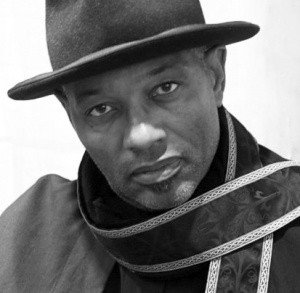
Terry Adkins
1953 - 2014 , Stati Uniti d'America
Informazioni essenziali
- Artistic Movement Or Style: Interdisciplinary art
- Artists Who Influenced This Artist:
- Aaron Douglas
- Martin Puryear
- Date Of Birth: May 9, 1953
- Date Of Death: February 8, 2014
- Full Name: Terry Roger Adkins
- Nationality: American
- Notable Artworks:
- Nutjuitok (Polar Star)
- Darkwater Record
- Last Trumpet
- Place Of Birth: Washington, USA