
 Anteprima in scala reale
 Condividi
 Condividi
 Dettagli

 Scarica immagine
 Articoli simili
 Radiografia
 Slideshow
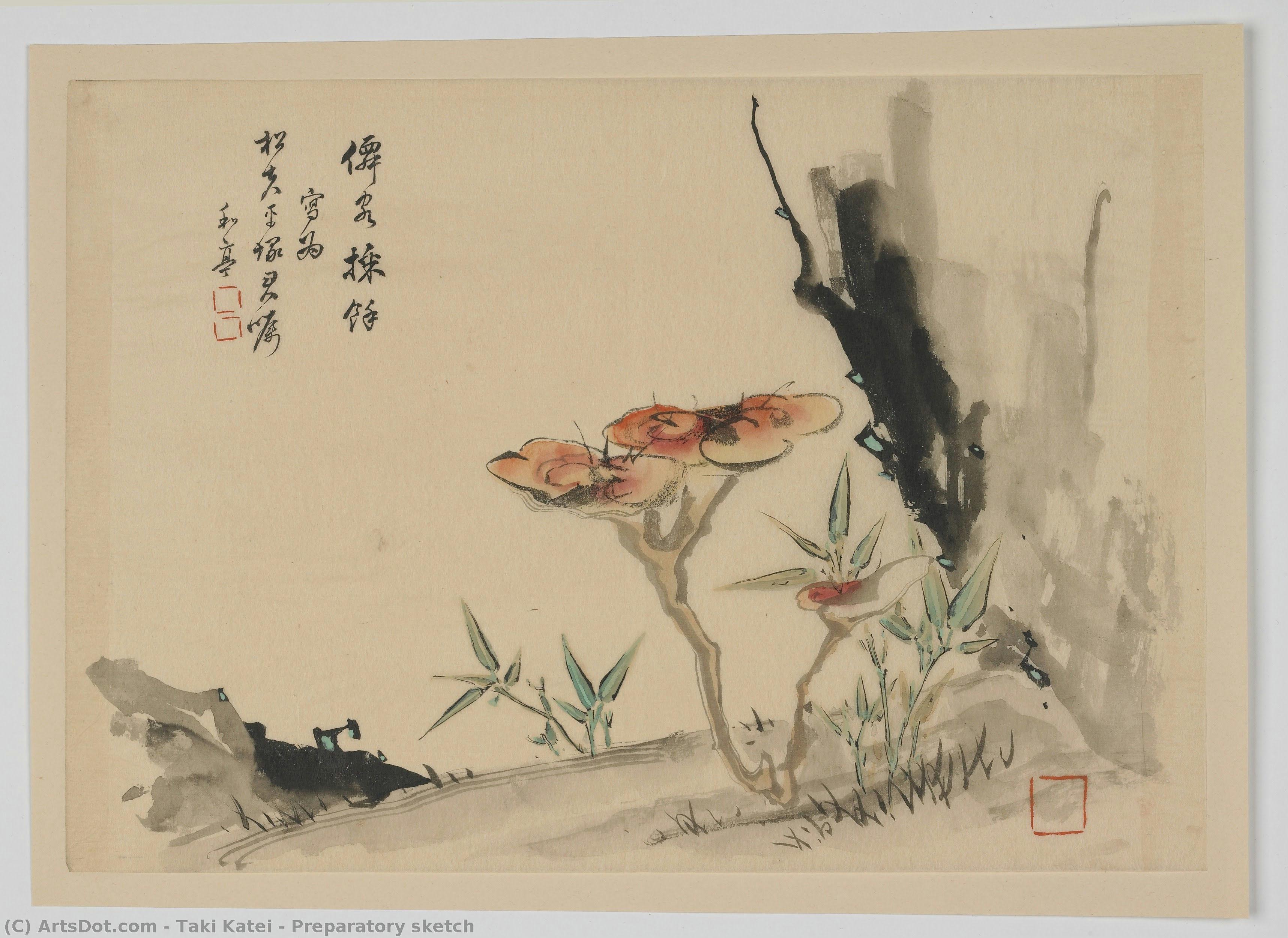
Preparatory sketch
 Painting
- Nihonga
 19th Century
 30.0 x 41.0 cm
 Musei Nazionali di Liverpool
 Leggi tutto
Riproduzione a olio fatta a mano
Olio su tela dipinto a mano nelle tue dimensioni e con la tua cornice, realizzato su ordinazione dai nostri artisti. ( Ordina stampa Acquista download)




P118B $10

P118H $10

P118W $10

P438Z $10

P508JH $12

P508YH $12

P805H $10

P805Z $10

P919BZ $10

P919G $10

P919XJ $10

P959ZH $10

P968JZ $12

W106C $8

W218G $10

W218JH $8

W218Y $10

W307PJ $10

W316G $10

W316PJ $8

W316Y $10

W398PJ $8

W4111J $10

W500HY $15

W500JH $15

W692G $12

W849H $8

W940BG $15

W953PJ $8




Scegli tra le nostre dimensioni predefinite, che rispettano le proporzioni originali dell'opera d'arte.

È possibile inserire dimensioni personalizzate per adattare l'opera a una cornice o a uno spazio specifico. Se la dimensione selezionata non corrisponde alle proporzioni dell'immagine originale, provvederemo a ritagliare l'opera o a estendere il dipinto con elementi aggiuntivi dipinti a mano. Un mockup digitale ti sarà inviato per approvazione prima dell'inizio della produzione.
Si prega di notare che l'anteprima a schermo non riflette il ritaglio o l'estensione effettivi. Solo il mockup mostrerà accuratamente la composizione finale.
Sebbene siano disponibili dimensioni personalizzate, consigliamo di selezionare una dimensione dall'elenco predefinito per preservare le proporzioni originali.
Dopo l'ordine, il team di OriginalUniqueArt.com contatterà il cliente via e-mail per le istruzioni e fornirà un'anteprima del mockup
Consegna in tutto il mondo () in 3/4 settimane anziché nelle normali 5 settimane. (13 Agosto). Nessun compromesso sulla qualità.

Spedizione espressa gratuita in tutto il mondo

Tela in lino di alta qualità

Assicurazione completa sulla spedizione

Garanzia di rimborso dei dazi doganali

Garanzia di fedeltà cromatica dell'originale

Politica di reso entro 60 giorni (solo per difetti di fabbricazione)

Garanzia di rimborso al 100%

Sconto per acquisti multipli
 L'opzione vetro è disponibile solo per dimensioni inferiori a 110 cm

Preparatory sketch
Tecnica di riproduzione
Dimensioni della riproduzione
-


Prezzo totale
$ 300
Descrizione dell'opera
A Whisper of Nature: Exploring Taki Katei's Preparatory Sketch
To gaze upon this preparatory sketch is to step into a moment suspended between memory and bloom. It captures the ephemeral beauty of nature, rendered with the delicate touch characteristic of Japanese masters navigating a period of profound cultural transition. The composition centers around a lush branch, laden with blossoms whose red petals draw the eye immediately. These flowers, interspersed with leaves of varying shades, suggest the vibrant cycle of life—a moment caught just as it reaches its peak perfection. Beyond this intimate floral arrangement, a subtle rock formation anchors the scene in a tangible, natural landscape, lending depth and permanence to the fleeting subject matter.
Technique and The Nihonga Spirit
The artistry here speaks volumes about Taki Katei's mastery of traditional Japanese mediums. While the piece is titled a sketch, it possesses the rich texture and careful application indicative of high-level craftsmanship. One can almost feel the mineral pigments mingling with organic materials on the support, hallmarks of the nihonga style. This technique allowed artists to maintain deep roots in Japanese aesthetic tradition while simultaneously engaging with the visual dialogues sparked by Western influences. The handling of light across the petals and the subtle gradations within the foliage reveal a painter deeply versed in both inherited methods and emerging artistic vocabularies.
Historical Echoes: Tradition Meets Modernity
Taki Katei’s career spanned an era of immense upheaval for Japan, bridging the late Tokugawa period into the Meiji modernization. This artwork serves as a beautiful microcosm of that cultural tension. While the subject matter—the simple beauty of flowers and stone—is timelessly Japanese, the execution hints at the sophisticated dialogue between established artistic canons and the influx of new global ideas. It is not merely a depiction of nature; it is a document of an artistic spirit adapting, evolving, yet remaining profoundly connected to its cultural heartland.
Symbolism and Emotional Resonance
Flowers in art have always been potent symbols, and here they whisper tales of transience and renewal. The vibrant red petals often symbolize passion or vitality, while the inclusion of the enduring rock formation speaks to resilience and the passage of time. This juxtaposition—the delicate bloom against the steadfast stone—creates a profound emotional resonance for the viewer. It invites contemplation on beauty's fleeting nature and the quiet strength found within natural cycles. For the collector or designer, this piece offers not just decoration, but a meditative focal point, bringing a sense of peaceful, cultivated wildness into any space.
Bringing the Bloom Home
Reproducing such an evocative work allows modern admirers to connect directly with the nuanced genius of Taki Katei. Owning a high-quality reproduction of this preparatory sketch means acquiring more than just art; it is acquiring a piece of cultural narrative, a celebration of enduring beauty rendered through masterful technique. It promises to infuse any room—be it a formal drawing-room or a quiet study—with the gentle, contemplative energy of an ancient Japanese garden at dawn.
Biografia dell'artista
early life and career
Taki Katei, a japanese painter, was born on january 27, 1830, in the late tokugawa period. His career spanned two eras, making him an important figure in the transition from traditional to modern japanese art. He was born in Tokyo, Japan, and his father was a masterless samurai (rōnin) who had moved from Aki Province to the shogun’s city. A rōnin was a samurai without a lord or master during the feudal period (1185–1868) of japan. Katei's childhood was marked by exposure to samurai culture and traditions, shaping his artistic sensibilities. He excelled in swordsmanship from a young age, demonstrating physical prowess alongside intellectual curiosity. His early training instilled discipline and precision—qualities that would later translate into meticulous brushwork and compositional balance in his paintings.artistic style and influences
Katei's work demonstrates the shifts occurring in artistic practice as japanese society changed and expectations altered. His style, though rooted in tradition, shows a gradual incorporation of modern techniques. This blending of old and new makes his artwork a fascinating study of japan’s cultural evolution. He was deeply influenced by Ming-dynasty painting styles, particularly landscapes featuring misty mountains and serene ponds—a stylistic preference that reflected the broader aesthetic ideals of the time. However, Katei wasn't merely replicating established conventions; he skillfully adapted them to express contemporary themes and emotions. Notably, he responded to the rise of western-style painting known as yōga, which was gaining popularity during the meiji period (1868–1912). This confrontation between traditional nihonga and yōga spurred Katei to innovate—to explore new visual vocabularies while retaining core elements of japanese artistic heritage.notable works and associations
Katei's paintings are characterized by their use of mineral pigments and organic materials on silk or paper, typical of the nihonga style. His most celebrated compositions depict birds and flowers—subjects that held profound symbolic significance in japanese art history. These artworks embody a harmonious blend of tradition and innovation, reflecting katei’s artistic vision. He was recognized as a pioneer of modern japanese art, establishing himself as one of the foremost exponents of the yamato e style. Katei's association with the nihonga art movement places him alongside notable artists like uemura shōen, kazuo shiraga, and kobayashi eitaku—artists who shared his commitment to preserving japanese artistic traditions while embracing new aesthetic possibilities.legacy and impact
Taki Katei’s contributions to japanese art are undeniable. His work serves as a bridge between the traditional yamato e style and the modern nihonga movement. He was appointed an Imperial Household Artist, one of only 8 painters to be honoured at that point in time—a testament to his artistic merit and national prestige. His paintings were displayed in the emperor’s personal suite, signifying their importance within the imperial court's cultural patronage. Katei’s legacy extends beyond individual artworks; he helped shape the trajectory of japanese painting as a whole. The taki katei collection at OriginalUniqueArt.com showcases his remarkable talent, with 20 artworks available for viewing and reproduction. His influence can be seen in subsequent generations of nihonga artists—artists who continued to explore the expressive potential of bird-and-flower imagery while upholding katei’s commitment to artistic integrity. Katei's work remains a cornerstone of japanese art history, inspiring scholars and artists alike with its blend of meticulous technique and profound symbolic resonance.
Taki Katei
1830 - 1901 , Giappone
Informazioni rapide
- Artistic Movement Or Style: Nihonga
- Artists Or Movements Influenced By This Artist: ['Yamato E Style']
- Artists Who Influenced This Artist: ['Uemura Shoen']
- Date Of Birth: 27 gennaio 1830
- Full Name: Taki Katei
- Nationality: Giapponese
- Notable Artworks: ['Cranes in Flight']
- Place Of Birth: Tokyo, Giappone
Articoli correlati

Crimson Threads of Narrative: Exploring Symbolism & Representation in Artworks Featuring the Red Dress
Explore the rich symbolism of the red dress in art history! From ancient power displays to iconic portraits like Cézanne’s 'Madame Cezanne', discover the cultural and artistic significance behind this captivating color. Expert analysis & insights.

The Eloquent Line: Exploring the Artistic Significance of Sketches Across Movements and Media
Explore the profound artistic significance of sketches throughout history. From Renaissance masters to modern innovators like Van Gogh & Guston, discover how these foundational works reveal technique, emotion, and vision. Learn more at OriginalUniqueArt.

Blossoms of Time: A Historical & Aesthetic Exploration of Floral Painting Across Cultures
Explore the rich history of floral painting! Discover symbolism, techniques & masterpieces from Van Huysum to O'Keeffe. Expert insights for art lovers & collectors at OriginalUniqueArt.
Blossoming Symbolism: A Historical Journey Through Flowers in Western Painting
Explore the rich history of flower symbolism in Western painting! Discover how artists from the Renaissance to Modernism used blossoms to convey meaning, emotion & beauty. Learn about iconic artworks and movements.

Blossoms of Time: A Historical Journey Through Flower Painting
Explore the captivating history of flower painting! Discover Dutch masters, symbolic meanings, & botanical art. Expert insights & high-quality reproductions at OriginalUniqueArt.


