

 Anteprima in scala reale
 Condividi
 Condividi
 Dettagli
 Guida stampabile

 Scarica
 Articoli simili
 Radiografia
 Slideshow
 Statistiche
Rani

 Leggi tutto
L'opera d'arte visualizzata in questa pagina è protetta dalle leggi sul diritto d'autore, il che significa che non possiamo legalmente creare o vendere una riproduzione identica. Tale protezione è garantita da accordi internazionali quali la Convenzione di Berna e dalle leggi nazionali, incluse quelle stabilite da Legge sul copyright degli Stati Uniti - Titolo 17. Tutti i diritti riservati. Le immagini presenti su questo sito sono protette da copyright e non possono essere riprodotte o utilizzate senza l'autorizzazione scritta di WahooArt.com o dei rispettivi proprietari del copyright.
Come alternativa rispettosa e legale, offriamo opere d'arte personalizzate e dipinte a mano, ispirate all'originale. I nostri artisti esperti e professionisti studiano con cura lo stile, l'atmosfera e l'essenza artistica dell'opera originale per creare un pezzo nuovo e unico che evochi la stessa emozione, pur rimanendo una creazione originale a pieno titolo.
Questo metodo è pienamente conforme alle normative sul diritto d'autore poiché non prevede la copia o la duplicazione dell'opera protetta. Si tratta invece di una rielaborazione creativa: un nuovo dipinto che trae ispirazione dall'originale, senza tuttavia esserne identico.
Riproduzione a olio fatta a mano
Olio su tela dipinto a mano nelle tue dimensioni e con la tua cornice, realizzato su ordinazione dai nostri artisti. ( Passa alle stampe Passa all'immagine digitale)




































Scegli tra le nostre dimensioni predefinite, che rispettano le proporzioni originali dell'opera d'arte.

Inserisci la larghezza e l'altezza di cui hai bisogno, per adattarle alla tua cornice o alla tua parete. Trattandosi di un'opera dipinta a mano, in caso di dimensioni con una forma differente, l'artista può dipingere un po' più oltre i bordi dell'immagine o ritagliare leggermente — la scelta spetta a te. Ti invieremo un mockup digitale da approvare prima che la pittura abbia inizio. L'immagine mostrata in questa pagina non rappresenta il risultato reale — solo il mockup lo fa.
Dopo l'ordine, il team di OriginalUniqueArt.com contatterà il cliente via e-mail per ricevere le istruzioni e fornirà un'anteprima del mockup
Consegna in tutto il mondo () in 3/4 settimane anziché nelle normali 5 settimane. (22 Ottobre). Nessun compromesso sulla qualità.

Spedizione espressa gratuita in tutto il mondo

Tela in lino di alta qualità

Assicurazione completa sulla spedizione

Garanzia di rimborso dei dazi doganali

Garanzia di perfetta fedeltà cromatica

Politica di reso entro 100 giorni (solo per difetti di fabbricazione)

Garanzia di rimborso al 100%

Sconto per acquisti multipli
 L'opzione vetro è disponibile solo per dimensioni inferiori a 110 cm

Rani
Tecnica di riproduzione
Dimensioni della riproduzione
-


Prezzo totale
€ 263
Domande e risposte
È disponibile una presentazione a diapositiva per "Rani" di Subodh Gupta?
Il diaporama di "Rani" può essere visualizzato nella pagina Slideshow dell'opera.
Come posso scaricare l'immagine di "Rani" di Subodh Gupta?
Puoi scaricare "Rani" di Subodh Gupta dalla pagina Scarica dell'opera, come download di un'immagine digitale ad alta risoluzione.
Dove posso vedere un'anteprima di "Rani"?
Per visualizzare un'anteprima della riproduzione di "Rani" di Subodh Gupta, apri la pagina Anteprima dell'opera.
Biografia dell'artista
L'Alchimia dell'Quotidiano: Il Mondo Visionario di Subodh Gupta
Nelle tranquille atmosfere polverose dei paesaggi di Khagaul, nel Bihar, ebbe inizio un viaggio che avrebbe infine trasformato la percezione globale dell'arte contemporanea indiana. Nato nel 1964, i primi anni di vita di Subodh Gupta furono immersi nelle trame dell'India rurale—un mondo in cui i ritmi della tradizione e la necessità della sopravvivenza erano indissolubilmente legati. Gli anni della formazione, segnati dalla perdita del padre e da un'infanzia trascorsa navigando la semplicità della vita di villaggio, gli hanno instillato una profonda riverenza per il banale. Questo legame viscerale con l'elementare è il cuore pulsante della sua pratica matura. Prima di diventare un'icona internazionale, Gupta era uno studente del tangibile, trovando ispirazione nel modo in cui la luce colpiva un piatto d'acciaio o in come il rituale comunitario del mangiare legasse una comunità. La sua formazione presso il College of Arts & Crafts di Patna ha fornito le fondamenta tecniche, ma è stata l'esperienza vissuta del mutamento del tessuto sociale dell'India a fornirgli il suo vero medium.
Il linguaggio artistico di Gupta è un linguaggio di trasformazione, dove l'umile diventa monumentale. Egli possiede un'abilità singolare nel prendere l'ubiquo—contenitori d'acciaio inossidabile, secchi per il latte, biciclette e padelle thali—ed elevarli a profonde dichiarazioni scultoree. Questi non sono semplici oggetti; sono vasi di memoria e simboli di una nido in mutamento. Disponendo meticolosamente utensili prodotti in serie in ampie installazioni geometriche, Gupta evoca lo spirito del Minimalismo, infondendovi però un pesante peso culturale. Per uno spettatore occidentale, queste lucenti strutture d'acciaio potrebbero apparire come manufatti esotici di una terra lontana; tuttavia, per chi ha familiarità con la casa indiana, esse sono echi intimi e domestici della vita quotidiana. Questa dualità permette alla sua opera di agire come un ponte, navigando le complesse tensioni tra la tradizione locale e l'implacabile marea della globalizzazione.
Simbolismo e Narrativa Scultorea
La forza dell'opera di Gupta risiede nella sua capacità di contenere verità contraddittorie simultaneamente. Le sue sculture funzionano spesso come icone sia di sussistenza che di scarsità, riflettendo le trasformazioni economiche dell'India moderna. Nelle sue installazioni più celebri, come il monumentale Untitled (Chimta), la ripetizione di vassoi d'acciaio crea un ritmo visivo imponente che rispecchia l'enorme scala della popolazione indiana e la sua identità collettiva. Vi è una sacralità nell'uso dei materiali; incorporando elementi come riso, spezie o persino sterco di vacca, egli tocca la natura ritualistica della vita indiana, dove il cibo e la terra sono profondamente intrecciati con la fede e la sopravvivenza.
Con il progredire della sua carriera, il focus di Gupta ha subito un'evoluzione sottile ma significativa. Mentre la sua fama iniziale si era costruita sulle superfici immacolate e riflettenti del nuovo acciaio inossidabile, egli ha iniziato a gravitare verso oggetti trovati che portavano i segni di precedenti proprietari. Questo cambiamento ha introdotto uno strato struggente di narrazione umana nel suo lavoro. I graffi, le ammaccature e le patine su questi oggetti logori fungono da tracce di vite vissute, trasformando utensili inanimati in contenitori di storie. Attraverso questa lente, la sua arte diventa un'esplorazione della migrazione e dello sradicamento, catturando l'essenza di individui che si muovono attraverso un mondo costantemente ridefinito dai mutamenti economici e sociali.
Un'Eredità Globale e Significato Artistico
L'ascesa di Subodh Gupta al vertice del mondo dell'arte contemporanea è stata nulla meno che meteorica. Spesso citato con reverenza come una figura imponente dell'arte indiana, la sua presenza nelle principali istituzioni internazionali—dalla Tate Modern di Londra alla Biennale di Venezia—ha cementato il suo status di messaggero globale. La sua capacità di tradurre il vernacolo locale in un'estetica universale gli ha permesso di trascendere i confini culturali, rendendolo uno degli artisti più influenti della sua generazione.
Il significato storico del contributo di Gupta può essere riassunto attraverso alcuni pilastri chiave del suo impatto:
- Ridefinire la Materialità: Ha sfidato con successo la gerarchia dei materiali scultorei, dimostrando che gli oggetti più comuni e prodotti in serie possono rivestire un immenso peso concettuale ed estetico.
- Traduzione Culturale: La sua opera funge da mezzo vitale per esplorare come l'identità indiana venga negoziata nel contesto di un mondo globalizzato e interconnesso.
- L'Intersezione tra Rituale e Modernità: Utilizzando oggetti quotidiani per evocare antichi rituali, egli crea un dialogo tra il passato storico e il presente industriale.
- Rappresentazione Globale: È stato fondamentale nel portare le complessità della realtà sociale indiana contemporanea in primo piano nel discorso artistico internazionale.
Oggi, mentre Gupta continua a vivere e lavorare a Nuova Delhi, la sua pratica rimane un'indagine continua sull'anima del quotidiano. Egli resta un artista che non si limita ad osservare il mondo, ma lo ricostruisce, un cucchiaio d'acciaio alla volta, invitandoci tutti a trovare l'straordinario all'interno dell'ordinario.
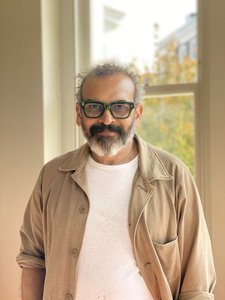
Subodh Gupta
1964 - , India
Informazioni rapide
- Artistic Movement Or Style: Contemporary art
- Artists Who Influenced This Artist:
- Donald Judd
- Sol LeWitt
- Date Of Birth: 1964
- Full Name: Subodh Gupta
- Nationality: Indian
- Notable Artworks:
- Chimta
- Rani
- Place Of Birth: Khagol, India