
 Anteprima in scala reale
 Condividi
 Condividi
 Dettagli

 Scarica immagine
 Articoli simili
 Radiografia
 Slideshow
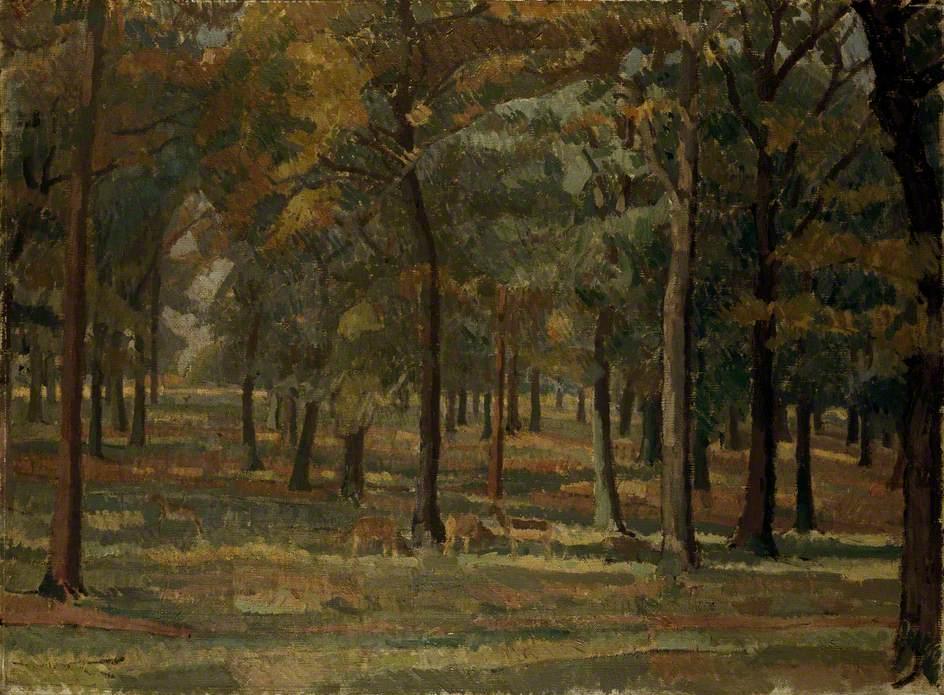
Richmond Park


 Leggi tutto
Giclée / Stampe d'arte
Stampa giclée o su tela di qualità museale, con produzione rapida e diverse opzioni di finitura. ( Ordina la riproduzione dipinta a mano Acquista download)




P118B $10

P118H $10

P118W $10

P438Z $10

P508JH $12

P508YH $12

P805H $10

P805Z $10

P919BZ $10

P919G $10

P919XJ $10

P959ZH $10

P968JZ $12

W106C $8

W218G $10

W218JH $8

W218Y $10

W307PJ $10

W316G $10

W316PJ $8

W316Y $10

W398PJ $8

W4111J $10

W500HY $15

W500JH $15

W692G $12

W849H $8

W940BG $15

W953PJ $8




Scegli tra le nostre dimensioni predefinite, che rispettano le proporzioni originali dell'opera d'arte.

È possibile inserire dimensioni personalizzate per adattare l'opera a una cornice o a uno spazio specifico. Se la dimensione selezionata non corrisponde alle proporzioni dell'immagine originale, procederemo al ritaglio dell'opera o all'estensione dell'immagine con un bordo specchiato o a tinta unita. Un mockup digitale ti verrà inviato per approvazione prima dell'inizio della produzione.
Si prega di notare che l'anteprima a schermo non riflette il ritaglio o l'estensione effettivi. Solo il mockup mostrerà accuratamente la composizione finale.
Sebbene siano disponibili dimensioni personalizzate, si raccomanda di selezionare una dimensione dall'elenco predefinito per preservare le proporzioni originali.
Consegna in tutto il mondo () in 2 settimane invece delle normali 4/5 settimane. (18 Agosto)

Spedizione espressa gratuita in tutto il mondo

Tela in lino di alta qualità

Assicurazione completa sulla spedizione

Garanzia di rimborso dei dazi doganali

Garanzia di fedeltà cromatica dell'originale

Politica di reso entro 60 giorni (solo per difetti di fabbricazione)

Garanzia di rimborso al 100%

Sconto per acquisti multipli
 L'opzione vetro è disponibile solo per dimensioni inferiori a 110 cm

Richmond Park
Giclée / Stampe d'arte
Dimensioni della riproduzione
-


Prezzo totale
$ 80
Descrizione del pezzo
Spencer Gore's 'Richmond Park': A Study in Autumnal Tranquility
Richmond Park, painted in 1914 by Spencer Frederick Gore, offers a poignant glimpse into the heart of British landscape painting at the dawn of the 20th century. This evocative work captures the serene beauty of Richmond Park, not as a dramatic vista but rather through a meticulous observation of light and texture – a hallmark of the Camden Town Group to which Gore belonged. The scene unfolds with a quiet intensity; trees dominate the composition, their foliage rendered in rich autumnal hues that suggest both the vibrancy of life and the melancholic acceptance of decline. Gore’s skill lies not just in depicting the physical form of the park but also in conveying an atmosphere of profound stillness, inviting the viewer to share in its contemplative mood.
The Camden Town Group and Impressionist Influence
Gore's work is inextricably linked to the rise of Camden Town, a collective of artists who sought to break away from the academic traditions of the Royal Academy. Influenced by Post-Impressionists like Monet and Van Gogh, Gore embraced bold color palettes and an emphasis on capturing fleeting moments of light – techniques that would profoundly shape British art in the early 20th century. The painting’s brushwork is loose yet controlled, creating a sense of depth and movement within the trees while simultaneously emphasizing their individual forms. This approach reflects a desire to represent not just what was seen but also how it *felt*—a core tenet of the Camden Town Group's artistic philosophy.
Technique and Materiality
Executed in oil on canvas, Richmond Park demonstrates Gore’s mastery of layering and glazing techniques. The artist built up color gradually, creating a luminous effect that captures the dappled sunlight filtering through the trees. Note the subtle variations in tone – from the deep greens of the shadowed foliage to the brighter yellows and oranges where light catches the leaves. This meticulous attention to detail speaks to Gore’s dedication to realism, albeit one filtered through his own artistic sensibility. The canvas itself contributes to the painting's impact, its texture subtly enhancing the impression of natural surfaces.
Symbolism and Historical Context
Painted in 1914, just months before Gore’s untimely death at the age of 36, the artwork carries a poignant sense of finality. The autumnal theme—the shedding of leaves, the fading light—can be interpreted as a reflection on mortality and the passage of time. Gore's work aligns with a broader cultural fascination with nature during this period, reflecting a desire for escape from the rapid industrialization and social upheaval of Edwardian England. As Robert Upstone notes in the Tate’s research publication, Gore was “a pioneer of Camden Town,” establishing a distinct artistic voice that would influence generations of British artists.
Emotional Impact & Reproduction
Richmond Park is more than just a landscape painting; it's an invitation to experience tranquility and contemplate the beauty of the natural world. A hand-painted reproduction captures not only the visual details but also the emotional resonance of Gore’s original work, allowing you to bring this timeless scene into your home or office. OriginalUniqueArt offers meticulously crafted reproductions that faithfully recreate the artist's technique and color palette, ensuring a lasting tribute to this significant piece of British art history.
Biografia dell'artista
Spencer Gore (1878 – 1914): A Pioneer of Camden Town
Spencer Frederick Gore was a British painter who emerged as one of the foremost figures in the burgeoning Camden Town Group, marking a pivotal moment in early twentieth-century British art. Born on May 26th, 1878, at Epsom, Surrey, he descended from a family steeped in artistic tradition – his father, Spencer Gore (the Wimbledon tennis champion), was himself a painter, and his brother Charles Gore was a theologian, fostering an environment that nurtured creativity and intellectual curiosity. Gore’s formative years were shaped by attending Harrow School, where he honed his observational skills before pursuing formal training at the Slade School of Fine Art alongside contemporaries like Harold Gilman, cementing his connection to Impressionist ideals.- Early Influences: Gore's artistic sensibilities were profoundly impacted by Post-Impressionists such as Claude Monet and Vincent van Gogh, whose explorations of color and light served as a springboard for his own distinctive style. Monet’s dappled sunlight and Van Gogh’s expressive brushstrokes instilled in Gore a desire to capture not merely what he saw but also how he felt—a core principle that underpinned his entire artistic practice.
- The Camden Town Group: He spearheaded the formation of the Camden Town Group in 1904, alongside Walter Sickert, Lucien Pisarro, Harold Gilman, and Charles Ginner—a collective dedicated to capturing the atmosphere of London’s bohemian district with bold brushstrokes and vibrant palettes. This group represented a radical departure from academic conventions, prioritizing subjective experience and embracing innovative techniques. Gore's leadership was instrumental in establishing Camden Town as a hub for artistic experimentation.
Notable Works: Landscapes That Breathe
Gore’s oeuvre comprises a remarkable collection of landscapes, music hall scenes, and interiors, characterized by meticulous detail and an unwavering commitment to portraying natural beauty. Particularly noteworthy are his thirty-two Richmond Park canvases completed in the final months of his life—a testament to his enduring fascination with the English countryside. These paintings aren't simply representations of trees and shrubs; they’re imbued with a palpable sense of emotion, reflecting Gore’s profound connection to his surroundings. Tate curator Helena Bonett noted that Gore’s death from pneumonia was sudden, leaving behind an unfinished masterpiece—a testament to his unwavering pursuit of artistic excellence. The Richmond Park series exemplifies Gore's masterful command of color and form, capturing the subtle nuances of light and shadow with breathtaking precision.- Richmond Park Series: These canvases depict scenes from Richmond Park during autumn, bathed in golden sunlight—a motif that recurs throughout his work.
- Hartington Square: Considered Gore’s masterpiece, Hartington Square captures the quiet dignity of a London townhouse interior with remarkable subtlety and tonal harmony.
Technique and Style: Pictorial Construction Illuminated
Gore’s artistic approach distinguished itself through a deliberate embrace of pictorial construction, mirroring the stylistic innovations championed by Impressionists and Post-Impressionists. He skillfully employed layering techniques—often applying thin glazes over underpaintings—to achieve luminous effects and imbue his canvases with depth and resonance. This meticulous attention to detail extended beyond mere representation; Gore sought to convey not just what he saw but also how he felt, reflecting the emotional intensity inherent in capturing fleeting moments of experience. His paintings like “Hartington Square” exemplify this stylistic commitment, demonstrating a masterful command of color and form. He meticulously observed light and shadow, translating these perceptions into expressive brushstrokes that conveyed both visual accuracy and profound feeling. “Gore’s technique,” Bonett remarked, “was characterized by an almost obsessive desire to capture the essence of his subjects—a pursuit that resulted in paintings of extraordinary beauty and emotional power.”Legacy and Influence
Spencer Gore's contribution to British art is undeniable. He helped establish Camden Town as a center for artistic innovation, fostering a dialogue between observation and emotion that continues to inspire artists today. His Richmond Park landscapes stand as enduring symbols of the English countryside—a testament to his unwavering dedication to portraying natural beauty with unparalleled skill. Furthermore, Gore’s son, Frederick John Pym Gore CBE RA (1892-1979), followed in his father's footsteps as a painter, inheriting his artistic vision and establishing himself as a respected figure within the British art world—a continuation of Gore’s legacy that ensured his influence would endure for generations.
Spencer Gore
1878 - 1914 , Regno Unito
Informazioni rapide
- Artistic Movement Or Style: Post-Impressionismo
- Artists Or Movements Influenced By This Artist: ['Camden Town Group']
- Artists Who Influenced This Artist:
- Walter Sickert
- Albert Rutherston
- Date Of Birth: 26 maggio 1878
- Date Of Death: 27 marzo 1914
- Full Name: Spencer Frederick Gore
- Nationality: Britannico
- Notable Artworks:
- Hartington Square
- Da una finestra a Cambrian Road, Richmond
- Place Of Birth: Epsom, Regno Unito
Articoli correlati
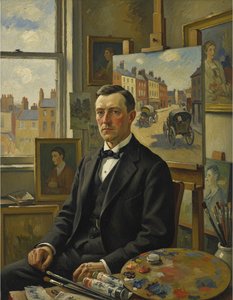
Robert Bevan: Pioneering British Post-Impressionism & the Camden Town Group's Intimate Vision
Explore the life & work of Robert Bevan, a pioneer of British Post-Impressionism and founding member of the Camden Town Group. Discover his vibrant landscapes and lasting impact on early 20th-century art.
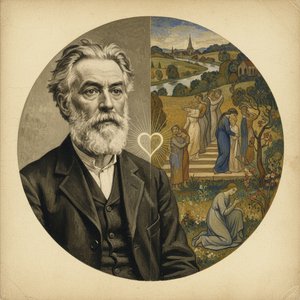
Sir Stanley Spencer: Una Rilettura della Visione Spirituale e dell'Autobiografia Pittorica
Esplora la profonda visione spirituale e l'autobiografia pittorica di Sir Stanley Spencer. Analisi critica delle sue opere più iconiche, da Sandham Chapel a Cookham, il suo villaggio paradisiaco.

Sir William Blake Richmond: A Visionary of Aestheticism & Symbolism
Explore the life & art of Sir William Blake Richmond, a pivotal figure bridging Pre-Raphaelitism and Aestheticism. Discover his stunning portraits, mosaics at St Paul's Cathedral, and lasting influence on Victorian art.
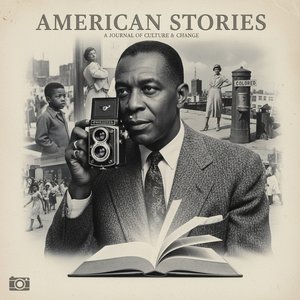
Gordon Parks: A Poetic Lens on American Life – Photography, Social Justice & Storytelling
Explore the profound work of Gordon Parks, a groundbreaking photographer who documented American life with unparalleled empathy and artistry. Discover his iconic images & lasting impact on social justice through Life magazine & beyond.
Ritratti di Famiglia: Un'Eredità Artistica e un Tesoro da Custodire
Trasforma le tue foto in capolavori! OriginalUniqueArt offre ritratti di gruppo personalizzati realizzati da artisti esperti, con garanzia di qualità e un processo trasparente. Un regalo unico e duraturo per la tua famiglia.


