

 Anteprima in scala reale
 Condividi
 Condividi
 Dettagli
 Guida
Guida

 Scarica
 Articoli simili
 Radiografia
 Slideshow
 Statistiche
Orchid pavilion gathering
 Painting
- Japanese painting
 1778
1778- Early Modern
 115.0 x 58.0 cm
 National Gallery of Victoria
 Leggi tutto
Acquista un'immagine digitale ad alta risoluzione e ottimizzata, di qualità nettamente superiore all'anteprima online.
Ogni file è meticolosamente preparato dai nostri specialisti interni attraverso l'uso di strumenti avanzati e un sapiente ritocco manuale. Garantiamo che ogni immagine presenti una chiarezza eccezionale, una precisione cromatica impeccabile e dettagli raffinati.
Il file finale viene consegnato via e-mail entro 72 ore, ottimizzato per un uso immediato in contesti professionali, editoriali e di stampa. Si tratta della stessa qualità affidata ai più prestigiosi studi di design, editori e gallerie d'arte.
Immagine Digitale
Scarica un file ad alta risoluzione per uso personale, per la stampa e per progetti creativi. ( Passa alle stampe Ordina la riproduzione dipinta a mano)
Incluso in ogni acquisto di immagini digitali
Consegna digitale professionale e garantita
Quando scegli OriginalUniqueArt.com, non riceverai solo un'immagine: riceverai un'opera d'arte digitale professionalmente ottimizzata, realizzata con la massima precisione e accompagnata da una garanzia di soddisfazione. Ecco tutto ciò che include il tuo ordine, automaticamente:

Consegna rapida via email
Riceverai il file dell'immagine digitale ad alta risoluzione via email entro 72 ore dall'ordine, pronto per un uso immediato.

File digitale potenziato dall'IA
La tua opera d'arte viene ottimizzata professionalmente attraverso l'uso di strumenti avanzati di intelligenza artificiale e una revisione manuale, garantendo il massimo livello di dettaglio, nitidezza e accuratezza cromatica.

Riconsegna gratuita a vita
Hai eliminato o perso accidentalmente il tuo file? Non preoccuparti: te lo invieremo di nuovo in qualsiasi momento, gratuitamente.

Nessun costo di importazione, mai
Goditi la tua opera d'arte istantaneamente senza costi doganali, dazi o spese di spedizione: i download digitali sono sempre esenti da tasse.

Garanzia di fedeltà cromatica
Garantiamo che la tua immagine digitale rifletta i colori originali con la massima fedeltà, grazie all'uso di strumenti professionali e a una gestione accurata del colore.

Garanzia soddisfatti o rimborsati 100 giorni
Se non sei soddisfatto della tua immagine digitale, la revisioneremo o ti rimborseremo il 100% entro 100 giorni, senza domande.

Garanzia di rimborso al 100%
Non sei soddisfatto? Ricevi un rimborso completo entro 100 giorni dal ricevimento del tuo file digitale, senza dover fornire spiegazioni.

Sconti per ordini multipli
Acquista 3 immagini, risparmia il 10% - Acquista 5, risparmia il 15% - Acquista 10+, risparmia il 20%. Ideale per progetti creativi, gallerie e agenzie.
A Serene Echo of Poetic Leisure
To gaze upon this depiction of the Orchid Pavilion Gathering is to step across the threshold of time into an era steeped in refined culture and contemplative beauty. The scene unfolds as a majestic mountain landscape, rendered with a breathtaking sense of depth and tranquility. It captures not merely a vista, but a moment—a celebrated cultural confluence from China's Six Dynasties period. Here, amidst the grandeur of nature, tiny figures gather, their presence animated by the gentle pursuits of poetry writing, philosophical discourse, and the simple pleasure of companionship. The very air seems thick with unspoken verses and thoughtful murmurs.
The Artistry of Soga Shohaku
This exquisite work is a testament to the singular genius of Soga Shohaku, an artist whose vision transcended mere imitation. While the subject matter draws from classical Chinese traditions, Shohaku imbues it with a distinctly Japanese sensibility. His technique, brushed onto silk, speaks of gestural precision—a masterful handling that allows the stylized clouds to drift like captured breath and the rock formations to rise organically from the earth. The languidly flowing river acts as both a visual anchor and a narrative device; observe how cups of wine are depicted floating down its winding path, each stop prompting an impromptu poem, transforming leisure into art.
Symbolism in Stone and Water
The composition is rich with symbolic resonance. The mountains themselves represent permanence and the enduring spirit, while the flowing river embodies the ceaseless passage of time and life's journey. The gathering at the pavilion speaks to humanity’s perennial need for connection and intellectual nourishment. For the discerning collector or designer, this piece offers more than decoration; it offers an atmosphere. It suggests a retreat—a place where the clamor of the modern world fades away, replaced by the quiet rhythm of contemplation.
A Masterpiece of Evocative Style
Shohaku’s unique approach, influenced perhaps by his own life experiences, lends the painting an air of sophisticated detachment. His style is not just a depiction; it is an emotional landscape. The interplay between the meticulously placed human activity and the vast, sublime natural backdrop creates a perfect balance—a visual harmony that remains captivating regardless of its age or reproduction medium. Owning this piece allows one to curate a space imbued with the elegance of historical artistry and the enduring poetry of nature.
Biografia dell'artista
Soga Shōhaku (1730–1781): A Rebel Against Tradition
Soga Shōhaku, a japanese painter from the edo period (1730-1781), defied conventions with his unique brush style, reminiscent of the muromachi period, which was already 150 years out of vogue by the time of his birth. This distinctive approach set him apart from his contemporaries and cemented his place as one of the most intriguing figures in Edo art history. Despite a life shrouded in mystery—details about his early years remain elusive—Shōhaku’s artistic legacy continues to inspire admiration for its boldness and originality.Early Life and Artistic Training
Born Miura Sakonjirō in Kyoto, Shōhaku experienced profound personal loss before reaching adolescence when all of his immediate family perished. This formative tragedy undoubtedly shaped his worldview and fueled a determination to forge his own path as an artist. He began his artistic journey under the tutelage of Takada Keiho, a master of the Kanō School—a prestigious institution known for its adherence to Chinese techniques and subject matter—but quickly recognized that this established tradition didn’t align with his vision. Seeking inspiration beyond conventional boundaries, he studied alongside Unkoku School artists, absorbing influences from both lineages.The Influence of Soga Jasoku and the Muromachi Aesthetic
Shōhaku's artistic breakthrough occurred when he encountered the work of Soga Jasoku—a painter who championed the stylistic principles of the Muromachi period. This pivotal encounter profoundly impacted Shōhaku’s artistic sensibilities, prompting him to abandon the rigid formalism of the Kanō School and embrace a more expressive approach rooted in older traditions. He deliberately eschewed prevailing trends, prioritizing the spirit of “strangeness” and “madness”—concepts central to Yangmingism—a philosophical movement that valued unconventional thought and challenged societal norms. This rebellious stance distinguished him from his peers and established him as an artist who dared to question accepted artistic conventions.Notable Works: Grotesque Visions and Zen Symbolism
Shōhaku’s oeuvre is characterized by unsettling depictions of prominent figures—a stylistic hallmark that shocked audiences accustomed to idealized representations. His paintings frequently employed monstrous expressions, reflecting a fascination with the grotesque and embodying a rejection of conventional beauty standards. Perhaps most strikingly, Shōhaku infused his art with Zen Buddhist themes and folklore, portraying saints and writers as vulgar characters—a deliberate provocation intended to disrupt established hierarchies and provoke contemplation. Among his masterpieces are “Race at Uji River,” a polychromatic screen depicting an iconic episode from the Heike War Epic—a rare example of Shōhaku’s work in full color—and “The Immortal Li Tieguai,” which skillfully narrates the story of one of China's Eight Immortals. These works exemplify his ability to convey complex narratives through masterful brushwork and vibrant coloration.Legacy and Recognition
Soga Shōhaku died at the age of 52, leaving behind a body of work that continues to captivate art historians and collectors alike. His distinctive style—characterized by bold brushstrokes, grotesque imagery, and an unwavering commitment to Muromachi aesthetics—represents a singular contribution to Edo art history. He stands as a testament to artistic independence and innovation, reminding us that true greatness lies in defying expectations and pursuing one’s own vision regardless of prevailing tastes. Shōhaku's influence can be seen in subsequent generations of artists who embraced experimentation and challenged traditional conventions, securing his enduring place within the canon of Japanese art.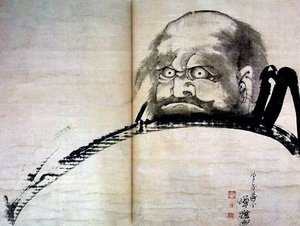
Soga Shōhaku
1730 - 1781 , Giappone
In breve
- Artistic Movement Or Style: Muromachi Style
- Artists Or Movements Influenced By This Artist: ['Bunjinga']
- Artists Who Influenced This Artist: ['Takada Keiho']
- Date Of Birth: Kyoto, Japan (1730)
- Date Of Death: January 30, 1781
- Full Name: Soga Shōhaku
- Nationality: Japanese
- Notable Artworks:
- Race at Uji River
- The Immortal Li Tieguai
- Place Of Birth: Kyoto