
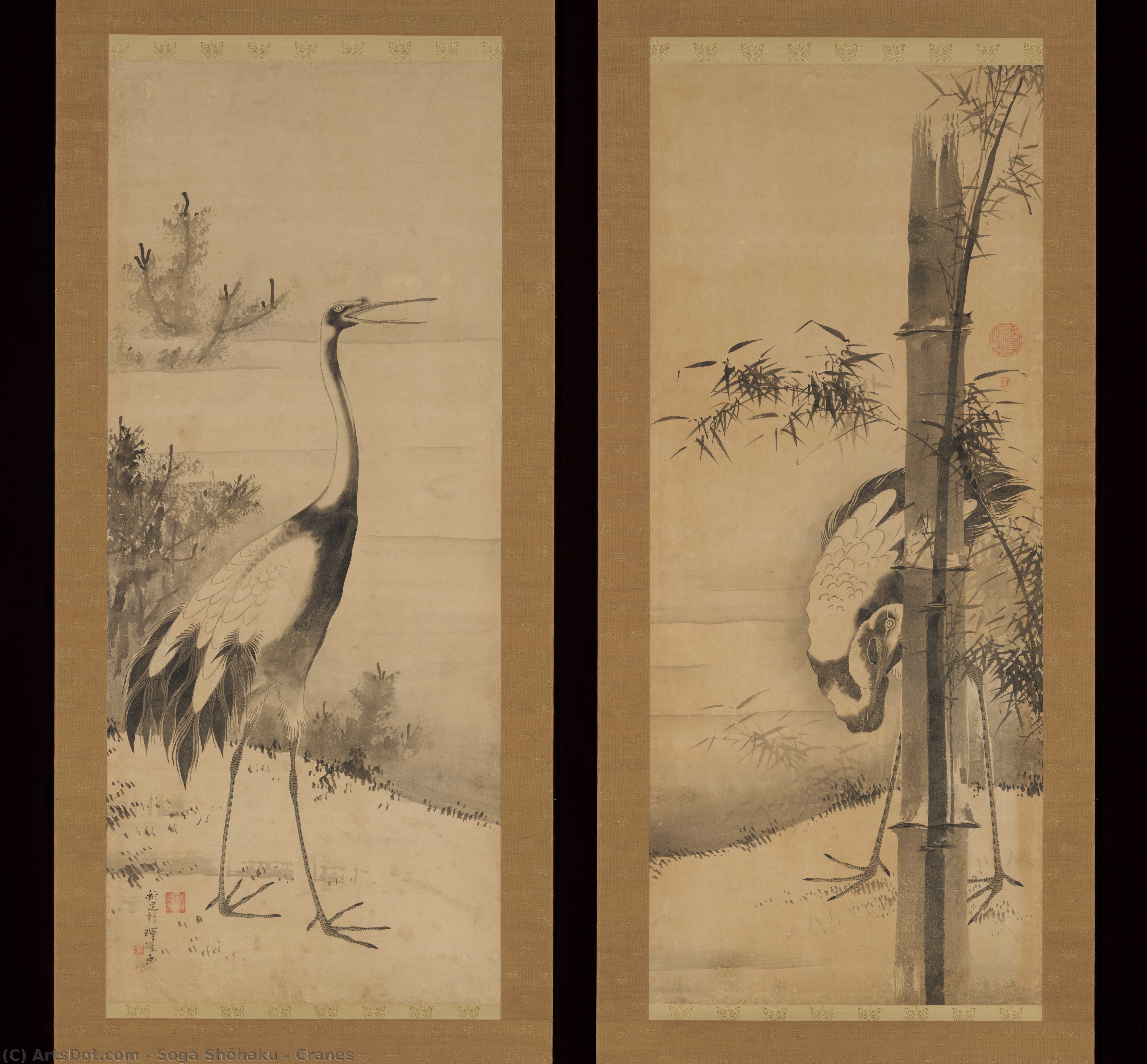
 Anteprima in scala reale
 Condividi
 Condividi
 Dettagli

 Scarica immagine
 Articoli simili
 Radiografia
 Slideshow
Cranes
 Muromachi Period”
 1760
1760 134.0 x 56.0 cm
 Leggi tutto
Giclée / Stampe d'arte
Stampa giclée o su tela di qualità museale, con produzione rapida e diverse opzioni di finitura. ( Passa alla versione dipinta a mano Passa all'immagine)




































Scegli tra le nostre dimensioni predefinite, che rispettano le proporzioni originali dell'opera d'arte.

È possibile inserire dimensioni personalizzate per adattare l'opera a una cornice o a uno spazio specifico. Se la dimensione selezionata non corrisponde alle proporzioni dell'immagine originale, procederemo al ritaglio dell'opera o all'estensione dell'immagine con un bordo specchiato o a tinta unita. Un mockup digitale ti verrà inviato per approvazione prima dell'inizio della produzione.
Si prega di notare che l'anteprima a schermo non riflette il ritaglio o l'estensione effettivi. Solo il mockup mostrerà accuratamente la composizione finale.
Sebbene siano disponibili dimensioni personalizzate, si raccomanda di selezionare una dimensione dall'elenco predefinito per preservare le proporzioni originali.
Consegna in tutto il mondo () in 2 settimane invece delle normali 4/5 settimane. (10 Agosto)

Spedizione espressa gratuita in tutto il mondo

Tela in lino di alta qualità

Assicurazione completa sulla spedizione

Garanzia di rimborso dei dazi doganali

Garanzia di fedeltà cromatica dell'originale

Politica di reso entro 60 giorni (solo per difetti di fabbricazione)

Garanzia di rimborso al 100%

Sconto per acquisti multipli
 L'opzione vetro è disponibile solo per dimensioni inferiori a 110 cm

Cranes
Giclée / Stampe d'arte
Dimensioni della riproduzione
-


Prezzo totale
$ 81
Descrizione del pezzo
Biografia dell'artista
Soga Shōhaku (1730–1781): A Rebel Against Tradition
Soga Shōhaku, a japanese painter from the edo period (1730-1781), defied conventions with his unique brush style, reminiscent of the muromachi period, which was already 150 years out of vogue by the time of his birth. This distinctive approach set him apart from his contemporaries and cemented his place as one of the most intriguing figures in Edo art history. Despite a life shrouded in mystery—details about his early years remain elusive—Shōhaku’s artistic legacy continues to inspire admiration for its boldness and originality.Early Life and Artistic Training
Born Miura Sakonjirō in Kyoto, Shōhaku experienced profound personal loss before reaching adolescence when all of his immediate family perished. This formative tragedy undoubtedly shaped his worldview and fueled a determination to forge his own path as an artist. He began his artistic journey under the tutelage of Takada Keiho, a master of the Kanō School—a prestigious institution known for its adherence to Chinese techniques and subject matter—but quickly recognized that this established tradition didn’t align with his vision. Seeking inspiration beyond conventional boundaries, he studied alongside Unkoku School artists, absorbing influences from both lineages.The Influence of Soga Jasoku and the Muromachi Aesthetic
Shōhaku's artistic breakthrough occurred when he encountered the work of Soga Jasoku—a painter who championed the stylistic principles of the Muromachi period. This pivotal encounter profoundly impacted Shōhaku’s artistic sensibilities, prompting him to abandon the rigid formalism of the Kanō School and embrace a more expressive approach rooted in older traditions. He deliberately eschewed prevailing trends, prioritizing the spirit of “strangeness” and “madness”—concepts central to Yangmingism—a philosophical movement that valued unconventional thought and challenged societal norms. This rebellious stance distinguished him from his peers and established him as an artist who dared to question accepted artistic conventions.Notable Works: Grotesque Visions and Zen Symbolism
Shōhaku’s oeuvre is characterized by unsettling depictions of prominent figures—a stylistic hallmark that shocked audiences accustomed to idealized representations. His paintings frequently employed monstrous expressions, reflecting a fascination with the grotesque and embodying a rejection of conventional beauty standards. Perhaps most strikingly, Shōhaku infused his art with Zen Buddhist themes and folklore, portraying saints and writers as vulgar characters—a deliberate provocation intended to disrupt established hierarchies and provoke contemplation. Among his masterpieces are “Race at Uji River,” a polychromatic screen depicting an iconic episode from the Heike War Epic—a rare example of Shōhaku’s work in full color—and “The Immortal Li Tieguai,” which skillfully narrates the story of one of China's Eight Immortals. These works exemplify his ability to convey complex narratives through masterful brushwork and vibrant coloration.Legacy and Recognition
Soga Shōhaku died at the age of 52, leaving behind a body of work that continues to captivate art historians and collectors alike. His distinctive style—characterized by bold brushstrokes, grotesque imagery, and an unwavering commitment to Muromachi aesthetics—represents a singular contribution to Edo art history. He stands as a testament to artistic independence and innovation, reminding us that true greatness lies in defying expectations and pursuing one’s own vision regardless of prevailing tastes. Shōhaku's influence can be seen in subsequent generations of artists who embraced experimentation and challenged traditional conventions, securing his enduring place within the canon of Japanese art.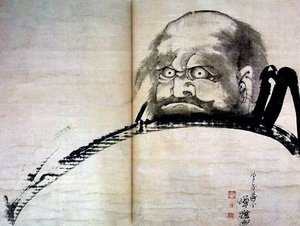
Soga Shōhaku
1730 - 1781 , Giappone
Informazioni rapide
- Artistic Movement Or Style: Muromachi Style
- Artists Or Movements Influenced By This Artist: ['Bunjinga']
- Artists Who Influenced This Artist: ['Takada Keiho']
- Date Of Birth: Kyoto, Japan (1730)
- Date Of Death: January 30, 1781
- Full Name: Soga Shōhaku
- Nationality: Japanese
- Notable Artworks:
- Race at Uji River
- The Immortal Li Tieguai
- Place Of Birth: Kyoto
Articoli correlati

Katsushika Hokusai: Le 25 Opere Più Iconiche per Amare l'Arte Giapponese
Esplora le 25 opere più iconiche di Katsushika Hokusai, maestro dell'ukiyo-e. Scopri la storia dietro 'La Grande Onda', il Monte Fuji e altre stampe giapponesi senza tempo. Trova riproduzioni d'arte di alta qualità per decorare la tua casa su OriginalUniqueArt.com.
The Alchemy of Ink: Mastering the Timeless Beauty and Art History of Paper and Brush
Embark on a sophisticated exploration of ink wash painting and Sumi-e. Uncover the profound historical lineages, Zen philosophies, and technical mastery behind this timeless medium in our authoritative guide for fine art enthusiasts.

Ephemeral Expressions: Exploring the Nuances of Ink on Paper Through History & Contemporary Art
Explore the captivating world of ink wash painting – from its ancient origins to contemporary masters. Discover techniques, symbolism & conservation insights with OriginalUniqueArt.com.
Floating World: The Captivating Art and Legacy of Japanese Ukiyo-e
Explore the profound beauty of Japanese Ukiyo-e. Discover the history, masters like Hokusai, and the enduring legacy of the 'Floating World' through an expert art-historical lens.
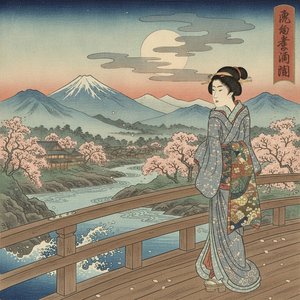
Ukiyo-e's Greatest Hits: 10 Masterpieces That Shaped a Movement | OriginalUniqueArt
Journey into Japan's 'Floating World'! Explore 10 Ukiyo-e masterpieces by Hokusai, Hiroshige & more. Discover the stories behind these iconic woodblock prints and bring timeless Japanese art to your home with OriginalUniqueArt.com. Explore the full collection online.


