
 Anteprima in scala reale
 Invia
Invia Condividi
 Dettagli opera
 Guida
Guida

 Scarica
 Simili
 Radiografia
 Slideshow
 Domande e risposte
 Statistiche
William Henry Davies

- 55.0 x 58.0 cm


 Espandi i dettagli
Giclée / Stampe d'arte
Stampa giclée o su tela di qualità museale, con produzione rapida e diverse opzioni di finitura. ( Acquista il dipinto realizzato a mano Passa all'immagine digitale)




P118B €10

P118H €10

P118W €10

P438Z €10

P508JH €12

P508YH €12

P805H €10

P805Z €10

P919BZ €10

P919G €10

P919XJ €10

P959ZH €10

P968JZ €12

W106C €8

W218G €10

W218JH €8

W218Y €10

W307PJ €10

W316G €10

W316PJ €8

W316Y €10

W398PJ €8

W4111J €10

W500HY €15

W500JH €15

W692G €12

W849H €8

W940BG €15

W953PJ €8




Scegli tra le nostre dimensioni predefinite, che rispettano le proporzioni originali dell'opera d'arte.

Inserisci la larghezza e l'altezza desiderate, per adattarle alla tua cornice o alla tua parete. Una stampa può essere solo ritagliata, mai resa più grande dell'immagine originale; pertanto, un formato con una forma differente comporterà la perdita di una parte dell'opera. Ti invieremo un mockup digitale da approvare prima di procedere con la stampa. L'immagine mostrata in questa pagina non rappresenta il ritaglio reale — solo il mockup lo mostra.
Consegna in tutto il mondo () in 2 settimane invece delle normali 4/5 settimane. (9 Novembre)

Spedizione espressa gratuita in tutto il mondo

Tela in lino di alta qualità

Assicurazione completa sulla spedizione

Garanzia di rimborso dei dazi doganali

Garanzia di fedeltà cromatica assoluta

Politica di reso entro 100 giorni (solo per difetti di fabbricazione)

Garanzia di rimborso al 100%

Offerta per acquisti multipli
 L'opzione vetro è disponibile solo per dimensioni inferiori a 110 cm

William Henry Davies
Giclée / Stampe d'arte
Dimensioni riproduzione
-


Prezzo finale calcolato
€ 72
A Moment Frozen in Time: The Soul of William Henry Davies
In this evocative 1928 portrait, Sir William Nicholson captures more than just the likeness of a man; he captures a profound sense of quietude and introspection. The painting, titled William Henry Davies, presents us with a subject seated in formal attire, his presence commanding yet remarkably gentle. As we gaze upon the canvas, we are immediately drawn into an intimate encounter with a figure that seems to exist in a space between the physical world and deep thought. Nicholson, a master of British portraiture, utilizes a centered composition that pulls the viewer toward the subject’s face, creating a psychological closeness that is both rare and captivating. The muted, reddish-brown background acts as a soft, atmospheric veil, ensuring that nothing distracts from the contemplative gaze of the sitter.
The technique employed here is a testament to Nicholson's ability to blend realism with a tactile, almost impressionistic energy. Upon closer inspection, one discovers a rich, textured surface where the brushstrokes are not merely tools for depiction but are themselves part of the artwork's emotional language. The oil on canvas medium allows for a beautiful layering of tones, particularly evident in the way light dances across the contours of the man’s face and the heavy folds of his dark suit. There is a rhythmic quality to the paint application—a certain roughness that lends the piece an organic, living vitality. This textured approach prevents the formal subject matter from feeling static or overly academic, instead imbuing the portrait with a modern, breathing warmth.
Symbolically, the painting speaks volumes through its understated details. The formal clothing and the subtle presence of a walking stick suggest a man of certain status, perhaps a figure of professional or social significance within his era. Yet, beneath this veneer of societal structure, Nicholson reveals a deeper, more human narrative. The slight furrow in the brow and the heavy-lidded eyes hint at a lifetime of experience, wisdom, and perhaps a touch of melancholy. It is a study of character that transcends the specific year of 1928, offering a universal reflection on the dignity of the individual. For the collector or the interior designer, this piece offers an unparalleled sense of gravitas; it is an artwork that does not merely decorate a wall but anchors a room with its profound, silent storytelling.
Integrating such a masterpiece into a contemporary space provides an exquisite touch of historical elegance. Whether placed in a sunlit study or a sophisticated gallery-style hallway, the dark, earthy palette and the masterful play of light and shadow create a focal point of immense depth. This reproduction serves as a bridge to the golden age of British portraiture, inviting anyone who views it to pause, reflect, and find beauty in the quiet strength of the human spirit.
Domande e risposte
A quale periodo storico appartiene "William Henry Davies" di Sir William Nicholson?
"William Henry Davies" appartiene all'epoca Modern.
Qual è il soggetto di "William Henry Davies"?
"William Henry Davies" di Sir William Nicholson raffigura: portrait, formalwear, contemplation, victorian era, british art, oil painting, dignified figure.
In che anno è stata realizzata "William Henry Davies"?
L'opera "William Henry Davies" di Sir William Nicholson risale al 1928.
Biografia dell'artista
Primi anni e formazione
Sir William Newzam Prior Nicholson, un rinomato pittore britannico, nacque il 5 febbraio 1872 a Newark-on-Trent. Era il figlio più giovane di William Newzam Nicholson, industriale e deputato conservatore, e della moglie Annie Elizabeth Prior. A partire dai nove anni, Nicholson frequentò la Magnus Grammar School, dove ricevette lezioni d'arte da William Cubley, pittore e politico.Carriera artistica
La carriera artistica di Nicholson può essere divisa in diverse fasi, ognuna caratterizzata da uno stile e un mezzo unico. Nella sua prima età adulta, collaborò con suo cognato James Pryde nella progettazione di poster e lavori grafici, producendo manifesti innovativi che mostravano la loro audacia del contorno e la semplicità del trattamento.- La partnership Beggarstaff (1893-1898): La collaborazione di Nicholson con James Pryde diede vita a una serie di manifesti rivoluzionari, tra cui Don Chisciotte (1895) e Harper's Magazine (1895).
- Xilografia e incisione su legno (anni '90): Nicholson si evolse dai poster, sviluppando uno stile personale che sfruttò attraverso le tecniche di xilografia e incisione su legno.
- Pittura (anni '10): Si concentrò sulla pittura, incoraggiato da Whistler, ed espose per la prima volta come pittore alla International Society.
Opere significative e mostre
Alcune delle opere più importanti di Nicholson includono:- Lady in furs, Mme. P. (c.1907), un ritratto che mostra la sua maestria nel catturare l'essenza dei suoi soggetti.
- The Lowestoft Bowl (1911), una pittura di natura morta che dimostra la sua attenzione ai dettagli e all'uso del colore.
- Studio for 'Plaza de Toros, Malaga' (1935), un paesaggio che evidenzia la sua capacità di catturare l'atmosfera di un luogo.
Influenze e sviluppo artistico
Nicholson fu influenzato da diversi artisti e movimenti. L’incoraggiamento di Whistler lo spinse a concentrarsi sulla pittura, mentre la collaborazione con James Pryde portò alla nascita dello stile innovativo dei Beggarstaff. Il suo lavoro mostra un'evoluzione dalla grafica ai ritratti e ai paesaggi, sempre caratterizzati da una ricerca di semplicità ed eleganza formale. La sua capacità di combinare elementi realistici con una sensibilità moderna lo rese uno degli artisti più importanti del suo tempo.Eredità e collezioni
Le opere di Nicholson sono presenti in vari musei, tra cui:- Tate Britain, che presenta diverse delle sue opere, tra cui The Lowestoft Bowl (1911) e Lady in furs, Mme. P. (c.1907).
- National Galleries of Scotland, che ha un'ampia collezione dei suoi dipinti, tra cui The Young Polo Player (anni '20).
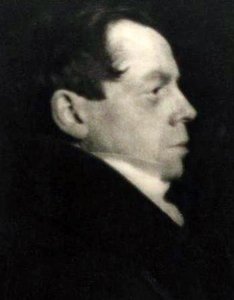
Sir William Nicholson
1872 - 1949 , Regno Unito
Dettagli rapidi
- Artistic Movement Or Style: Ritrattismo, Natura morta, Xilografia
- Artists Who Influenced This Artist: ['Whistler']
- Date Of Birth: 5 febbraio 1872
- Date Of Death: 16 maggio 1949
- Full Name: Sir William Newzam Prior Nicholson
- Nationality: Britannico
- Notable Artworks:
- Lady in Furs, Mme. P.
- The Lowestoft Bowl
- Study for 'Plaza de Toros'
- Place Of Birth (City And Country): Newark-on-Trent, Regno Unito
Articoli correlati
Sir William Nicholson: Uno Studio sul Ritratto Post-Impressionista e il Modernismo Decorativo
Esplora la vita e l'opera di Sir William Nicholson, pittore inglese versatile tra ritrattistica post-impressionista e modernismo decorativo. Analisi approfondita del suo stile unico e della sua eredità artistica.

Esplosione di Colore: I 25 Capolavori Imperdibili di Henri Matisse
Scopri i 25 capolavori di Henri Matisse e l'energia del Fauvismo. Esplora la collezione su OriginalUniqueArt.com.

The Enduring Legacy of Oil on Canvas: Technique, History & Aesthetic Impact
Explore the rich history & techniques of oil painting – from Renaissance masters to Impressionism. Discover pigments, layering methods, and why this timeless medium endures. Expert insights for artists & art enthusiasts.

I 25 capolavori di Sir Joshua Reynolds: l'eleganza del Grand Style
Scopri i 25 capolavori di Sir Joshua Reynolds e il fascino del Grand Style. Esplora la collezione su OriginalUniqueArt.com.

I 25 Capolavori di Sir Alfred James Munnings: L'Anima della Campagna Inglese
Scopri i 25 capolavori di Sir Alfred James Munnings tra cavalli e paesaggi. Esplora la collezione su OriginalUniqueArt.com.


