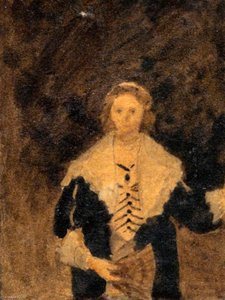
Anteprima in scala reale
 Condividi
 Condividi
 Dettagli
 Guida
Guida

 Scarica
 Articoli simili
 Radiografia
 Slideshow
 Statistiche
Thomas Hamilton (1784–1858), RSA
 Oil On Canvas
- WallArt
- 19th-century British Portraiture
 76.0 x 63.0 cm
 Royal Scottish Academy of Art - Architecture
 Leggi tutto
Riproduzione a olio fatta a mano
Olio su tela dipinto a mano nelle tue dimensioni e con la tua cornice, realizzato su ordinazione dai nostri artisti. ( Passa alle stampe Passa all'immagine digitale)




P118B $10

P118H $10

P118W $10

P438Z $10

P508JH $12

P508YH $12

P805H $10

P805Z $10

P919BZ $10

P919G $10

P919XJ $10

P959ZH $10

P968JZ $12

W106C $8

W218G $10

W218JH $8

W218Y $10

W307PJ $10

W316G $10

W316PJ $8

W316Y $10

W398PJ $8

W4111J $10

W500HY $15

W500JH $15

W692G $12

W849H $8

W940BG $15

W953PJ $8




Scegli tra le nostre dimensioni predefinite, che rispettano le proporzioni originali dell'opera d'arte.

È possibile inserire dimensioni personalizzate per adattare l'opera a una cornice o a uno spazio specifico. Se la dimensione selezionata non corrisponde alle proporzioni dell'immagine originale, provvederemo a ritagliare l'opera o a estendere il dipinto con elementi aggiuntivi dipinti a mano. Un mockup digitale ti sarà inviato per approvazione prima dell'inizio della produzione.
Si prega di notare che l'anteprima a schermo non riflette il ritaglio o l'estensione effettivi. Solo il mockup mostrerà accuratamente la composizione finale.
Sebbene siano disponibili dimensioni personalizzate, consigliamo di selezionare una dimensione dall'elenco predefinito per preservare le proporzioni originali.
Dopo l'ordine, il team di OriginalUniqueArt.com contatterà il cliente via e-mail per ricevere le istruzioni e fornirà un'anteprima del mockup
Consegna in tutto il mondo () in 3/4 settimane anziché nelle normali 5 settimane. (21 Settembre). Nessun compromesso sulla qualità.

Spedizione espressa gratuita in tutto il mondo

Tela in lino di alta qualità

Assicurazione completa sulla spedizione

Garanzia di rimborso dei dazi doganali

Garanzia di perfetta fedeltà cromatica

Politica di reso entro 100 giorni (solo per difetti di fabbricazione)

Garanzia di rimborso al 100%

Sconto per acquisti multipli
 L'opzione vetro è disponibile solo per dimensioni inferiori a 110 cm

Thomas Hamilton (1784–1858), RSA
Tecnica di riproduzione
Dimensioni della riproduzione
-


Prezzo totale
$ 300
Thomas Hamilton (1784–1858), RSA – A Portrait of Dignified Authority
Sir William Nicholson’s “Thomas Hamilton (1784–1858), RSA” is more than a mere likeness; it's a carefully constructed tableau of 19th-century British identity, imbued with the quiet strength and measured intellect of its subject. Painted in 1863, this three-quarter portrait captures Thomas Hamilton, a prominent figure in Scottish society – a judge, advocate, and respected member of the Royal Society of Edinburgh – presenting an image of established authority and understated elegance. Nicholson’s masterful handling of light, shadow, and texture elevates the painting beyond a simple representation, transforming it into a compelling study of character and social standing.
The composition immediately draws the eye to Hamilton's face, rendered with remarkable sensitivity. Nicholson skillfully employs subtle gradations of tone – from the warm flesh tones of his neck and hands to the darker hues of his hair and clothing – creating a sense of depth and volume that breathes life into the portrait. The arrangement is deliberately formal, echoing the conventions of official portraits of the era, yet infused with a touch of intimacy through the direct gaze exchanged with the viewer. The slightly off-center positioning subtly directs attention to Hamilton’s face while simultaneously providing context for his social role.
A Palette of Restraint and Distinction
Nicholson's color palette is deliberately restrained, dominated by deep browns, grays, and blacks – a hallmark of the mid-19th century British artistic tradition. These somber tones are expertly contrasted with the warmer hues of Hamilton’s skin and clothing, creating a visual harmony that speaks to both his status and his inherent dignity. The crisp white collar provides a striking focal point, acting as a beacon against the darker background and emphasizing the formality of the occasion. The careful layering of paint—evident in the smooth transitions between tones—demonstrates Nicholson’s refined technique and commitment to realism.
The use of lines is equally deliberate. Sharp outlines define Hamilton's features, clothing, and hair, lending a sense of structure and clarity to the composition. However, these lines are softened through subtle blending and shading, preventing the portrait from feeling overly rigid or artificial. The waistcoat’s structured form contrasts with the softer curves of his face and neck, creating an interesting interplay between order and organic form.
Historical Context and Artistic Influences
“Thomas Hamilton (1784–1858), RSA” is firmly rooted in the artistic conventions of Victorian Britain. Nicholson’s work reflects a broader trend towards realism and psychological depth, moving away from the idealized representations of earlier eras. The portrait draws inspiration from the works of Sir Joshua Reynolds, whose emphasis on capturing likeness and conveying character profoundly influenced Nicholson's approach. Furthermore, the painting aligns with the Royal Scottish Academy’s commitment to portraying prominent figures in Scottish society – a tradition that celebrated both individual achievement and national identity.
Interestingly, this portrait emerged during a period of significant social and political change in Britain. The Industrial Revolution was transforming the country's economy and society, leading to new forms of wealth and power. Hamilton’s position as a judge and advocate reflects the growing importance of law and order in this rapidly changing world. The painting can be interpreted as a visual testament to the enduring values of tradition, integrity, and social responsibility.
Symbolism and Emotional Resonance
While outwardly formal, “Thomas Hamilton (1784–1858), RSA” subtly conveys a sense of quiet confidence and intellectual depth. Hamilton’s composed expression – his direct gaze and slightly raised eyebrows – suggests both intelligence and authority. The portrait speaks to the dignity of his position and the weight of responsibility he carried as a judge and advocate. The painting's subdued palette and carefully controlled composition contribute to its overall sense of gravitas, inviting viewers to contemplate the complexities of Hamilton’s character and the broader social context in which he lived.
Ultimately, Nicholson’s portrait is not merely a depiction of a man; it’s an exploration of identity, status, and the enduring values of Victorian Britain. A high-quality reproduction captures this essence beautifully, offering a timeless glimpse into a pivotal moment in Scottish history and artistic achievement.
Biografia dell'artista
Primi anni e formazione
Sir William Newzam Prior Nicholson, un rinomato pittore britannico, nacque il 5 febbraio 1872 a Newark-on-Trent. Era il figlio più giovane di William Newzam Nicholson, industriale e deputato conservatore, e della moglie Annie Elizabeth Prior. A partire dai nove anni, Nicholson frequentò la Magnus Grammar School, dove ricevette lezioni d'arte da William Cubley, pittore e politico.Carriera artistica
La carriera artistica di Nicholson può essere divisa in diverse fasi, ognuna caratterizzata da uno stile e un mezzo unico. Nella sua prima età adulta, collaborò con suo cognato James Pryde nella progettazione di poster e lavori grafici, producendo manifesti innovativi che mostravano la loro audacia del contorno e la semplicità del trattamento.- La partnership Beggarstaff (1893-1898): La collaborazione di Nicholson con James Pryde diede vita a una serie di manifesti rivoluzionari, tra cui Don Chisciotte (1895) e Harper's Magazine (1895).
- Xilografia e incisione su legno (anni '90): Nicholson si evolse dai poster, sviluppando uno stile personale che sfruttò attraverso le tecniche di xilografia e incisione su legno.
- Pittura (anni '10): Si concentrò sulla pittura, incoraggiato da Whistler, ed espose per la prima volta come pittore alla International Society.
Opere significative e mostre
Alcune delle opere più importanti di Nicholson includono:- Lady in furs, Mme. P. (c.1907), un ritratto che mostra la sua maestria nel catturare l'essenza dei suoi soggetti.
- The Lowestoft Bowl (1911), una pittura di natura morta che dimostra la sua attenzione ai dettagli e all'uso del colore.
- Studio for 'Plaza de Toros, Malaga' (1935), un paesaggio che evidenzia la sua capacità di catturare l'atmosfera di un luogo.
Influenze e sviluppo artistico
Nicholson fu influenzato da diversi artisti e movimenti. L’incoraggiamento di Whistler lo spinse a concentrarsi sulla pittura, mentre la collaborazione con James Pryde portò alla nascita dello stile innovativo dei Beggarstaff. Il suo lavoro mostra un'evoluzione dalla grafica ai ritratti e ai paesaggi, sempre caratterizzati da una ricerca di semplicità ed eleganza formale. La sua capacità di combinare elementi realistici con una sensibilità moderna lo rese uno degli artisti più importanti del suo tempo.Eredità e collezioni
Le opere di Nicholson sono presenti in vari musei, tra cui:- Tate Britain, che presenta diverse delle sue opere, tra cui The Lowestoft Bowl (1911) e Lady in furs, Mme. P. (c.1907).
- National Galleries of Scotland, che ha un'ampia collezione dei suoi dipinti, tra cui The Young Polo Player (anni '20).
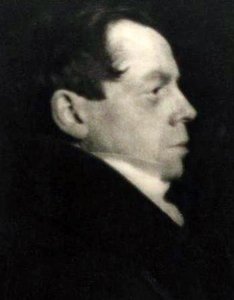
Sir William Nicholson
1872 - 1949 , Regno Unito
Informazioni rapide
- Artistic Movement Or Style: Ritrattismo, Natura morta, Xilografia
- Artists Who Influenced This Artist: ['Whistler']
- Date Of Birth: 5 febbraio 1872
- Date Of Death: 16 maggio 1949
- Full Name: Sir William Newzam Prior Nicholson
- Nationality: Britannico
- Notable Artworks:
- Lady in Furs, Mme. P.
- The Lowestoft Bowl
- Study for 'Plaza de Toros'
- Place Of Birth (City And Country): Newark-on-Trent, Regno Unito
Articoli correlati
Thomas Hudson: A Study in 18th-Century Portraiture & British Artistic Identity
Explore the life & work of Thomas Hudson, a leading 18th-century British portraitist. Discover his mastery of the 'Grand Manner,' influential style, and lasting impact on British art. Learn about his notable portraits like Judge William Noel & Alexander Van Aken.
Thomas Barker of Bath: Landscape Painting & Societal Reflection in Early 19th-Century England
Explore the life & work of Thomas Barker of Bath, a key figure in 19th-century English Romanticism. Discover his Parisian success, iconic paintings like 'The Bride of Death', and lasting artistic legacy. Learn more at OriginalUniqueArt.
Thomas Daniell: Navigating Light, Landscape & Cultural Exchange in Early 19th-Century India
Explore the captivating landscapes of Thomas Daniell, a pioneering artist who documented India's beauty in the 19th century. Discover his 'Oriental Scenery,' aquatint technique & lasting legacy. Hand-painted reproductions available at OriginalUniqueArt.
Sir William Nicholson: Uno Studio sul Ritratto Post-Impressionista e il Modernismo Decorativo
Esplora la vita e l'opera di Sir William Nicholson, pittore inglese versatile tra ritrattistica post-impressionista e modernismo decorativo. Analisi approfondita del suo stile unico e della sua eredità artistica.
Il XIX Secolo nell'Arte: 10 Capolavori da Ammirare e Riscoprire
Esplora i 10 capolavori del XIX secolo! Da Manet a Klimt, scopri la storia e l'arte di dipinti iconici. Impressionismo, realismo e romanticismo ti aspettano su OriginalUniqueArt.com. Scopri tutta la collezione online.