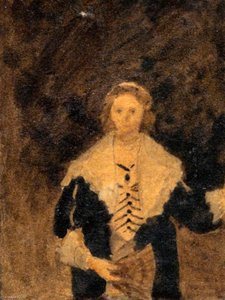
Anteprima in scala reale
 Condividi
 Condividi
 Dettagli

 Scarica immagine
 Articoli simili
 Radiografia
 Slideshow
Hampstead Heath, Flagstaff
 Oil On Canvas
- WallArt
- Post-Impressionism
 1908
1908 33.0 x 27.0 cm
 Bristol Museum - Galleria d'Arte
 Leggi tutto
Giclée / Stampe d'arte
Stampa giclée o su tela di qualità museale, con produzione rapida e diverse opzioni di finitura. ( Ordina la riproduzione dipinta a mano Acquista download)




P118B $10

P118H $10

P118W $10

P438Z $10

P508JH $12

P508YH $12

P805H $10

P805Z $10

P919BZ $10

P919G $10

P919XJ $10

P959ZH $10

P968JZ $12

W106C $8

W218G $10

W218JH $8

W218Y $10

W307PJ $10

W316G $10

W316PJ $8

W316Y $10

W398PJ $8

W4111J $10

W500HY $15

W500JH $15

W692G $12

W849H $8

W940BG $15

W953PJ $8




Scegli tra le nostre dimensioni predefinite, che rispettano le proporzioni originali dell'opera d'arte.

È possibile inserire dimensioni personalizzate per adattare l'opera a una cornice o a uno spazio specifico. Se la dimensione selezionata non corrisponde alle proporzioni dell'immagine originale, procederemo al ritaglio dell'opera o all'estensione dell'immagine con un bordo specchiato o a tinta unita. Un mockup digitale ti verrà inviato per approvazione prima dell'inizio della produzione.
Si prega di notare che l'anteprima a schermo non riflette il ritaglio o l'estensione effettivi. Solo il mockup mostrerà accuratamente la composizione finale.
Sebbene siano disponibili dimensioni personalizzate, si raccomanda di selezionare una dimensione dall'elenco predefinito per preservare le proporzioni originali.
Consegna in tutto il mondo () in 2 settimane invece delle normali 4/5 settimane. (22 Agosto)

Spedizione espressa gratuita in tutto il mondo

Tela in lino di alta qualità

Assicurazione completa sulla spedizione

Garanzia di rimborso dei dazi doganali

Garanzia di fedeltà cromatica dell'originale

Politica di reso entro 60 giorni (solo per difetti di fabbricazione)

Garanzia di rimborso al 100%

Sconto per acquisti multipli
 L'opzione vetro è disponibile solo per dimensioni inferiori a 110 cm

Hampstead Heath, Flagstaff
Giclée / Stampe d'arte
Dimensioni della riproduzione
-


Prezzo totale
$ 80
Descrizione del pezzo
A Moment on Hampstead Heath: William Nicholson’s Evocative Vision
William Nicholson's "Hampstead Heath, Flagstaff," painted in 1908, isn’t merely a depiction of a London landscape; it’s a carefully constructed tableau brimming with quiet observation and subtle emotional resonance. The painting captures a fleeting moment on the sprawling heath, a gathering of figures clustered around a prominent flagpole – a focal point that immediately draws the eye and subtly anchors the scene within a broader narrative of community and national identity. Nicholson, a pivotal figure in British art at the turn of the 20th century, masterfully employs the tenets of Impressionism and Post-Impressionism to create an atmosphere both familiar and imbued with a delicate sense of melancholy. The muted palette – dominated by browns, greens, and greys punctuated by hints of white in the clouds – immediately establishes a mood of diffused light and contemplative stillness, reminiscent of a late afternoon on a cool autumn day.
Composition and Technique: A Study in Atmospheric Perspective
Nicholson’s compositional choices are deliberate and effective. The flagpole, rendered with a slight vertical emphasis, acts as a visual axis, guiding the viewer's eye through the scene towards the figures in the foreground. These individuals – a small group of men and women – are depicted with a remarkable degree of naturalism, yet their forms are softened by the atmospheric perspective Nicholson skillfully utilizes. Notice how they gradually diminish in size and detail as they recede into the background, creating an illusion of depth that seamlessly blends with the rolling expanse of the heath. The artist’s brushwork is loose and expressive, characteristic of his style, conveying a sense of immediacy and capturing the fleeting quality of light and shadow. He employs visible strokes, layering colors to build up form and texture – particularly evident in the depiction of foliage and the billowing clouds – without resorting to sharp outlines or precise detail. This technique contributes significantly to the painting’s overall atmospheric effect.
Symbolism and Context: National Identity and Everyday Life
The presence of the flagpole is crucial to understanding the painting's deeper significance. In 1908, Hampstead Heath was a popular destination for Londoners seeking respite from the city’s bustle, and flagstaffs were frequently erected on prominent locations like this one to serve as markers or symbols of civic pride. Nicholson subtly elevates this everyday scene into something more profound by suggesting a gathering of individuals united by a shared connection to their community and perhaps even to national identity. The figures are engaged in conversation, seemingly lost in contemplation – they represent the ordinary people of London, enjoying a moment of leisure amidst the grandeur of the heath. The painting subtly invites us to consider the relationship between public spaces, social gatherings, and the collective consciousness.
Emotional Resonance: A Quiet Sense of Nostalgia
Beyond its technical merits and symbolic layers, “Hampstead Heath, Flagstaff” possesses a powerful emotional resonance. There’s an undeniable sense of nostalgia woven into the scene – a longing for simpler times, for connection with nature, and perhaps even for a lost sense of community. The muted colors, the diffused light, and the quiet demeanor of the figures all contribute to this feeling. It's not a vibrant, celebratory depiction; rather, it’s a quietly contemplative one, inviting us to pause and reflect on the beauty and serenity of the natural world. Nicholson’s masterful ability to capture such subtle emotional nuances is what elevates this painting beyond a mere landscape view – it becomes a poignant meditation on the human experience.
Further Exploration
To delve deeper into William Nicholson's artistic journey, consider exploring his early collaborations with James Pryde, particularly their Beggarstaff prints. His work at the Sir William Dunn School of Pathology also offers insights into his diverse interests and creative spirit. For a more detailed examination of this specific painting, you can visit Art UK for further information and related resources.
Biografia dell'artista
Primi anni e formazione
Sir William Newzam Prior Nicholson, un rinomato pittore britannico, nacque il 5 febbraio 1872 a Newark-on-Trent. Era il figlio più giovane di William Newzam Nicholson, industriale e deputato conservatore, e della moglie Annie Elizabeth Prior. A partire dai nove anni, Nicholson frequentò la Magnus Grammar School, dove ricevette lezioni d'arte da William Cubley, pittore e politico.Carriera artistica
La carriera artistica di Nicholson può essere divisa in diverse fasi, ognuna caratterizzata da uno stile e un mezzo unico. Nella sua prima età adulta, collaborò con suo cognato James Pryde nella progettazione di poster e lavori grafici, producendo manifesti innovativi che mostravano la loro audacia del contorno e la semplicità del trattamento.- La partnership Beggarstaff (1893-1898): La collaborazione di Nicholson con James Pryde diede vita a una serie di manifesti rivoluzionari, tra cui Don Chisciotte (1895) e Harper's Magazine (1895).
- Xilografia e incisione su legno (anni '90): Nicholson si evolse dai poster, sviluppando uno stile personale che sfruttò attraverso le tecniche di xilografia e incisione su legno.
- Pittura (anni '10): Si concentrò sulla pittura, incoraggiato da Whistler, ed espose per la prima volta come pittore alla International Society.
Opere significative e mostre
Alcune delle opere più importanti di Nicholson includono:- Lady in furs, Mme. P. (c.1907), un ritratto che mostra la sua maestria nel catturare l'essenza dei suoi soggetti.
- The Lowestoft Bowl (1911), una pittura di natura morta che dimostra la sua attenzione ai dettagli e all'uso del colore.
- Studio for 'Plaza de Toros, Malaga' (1935), un paesaggio che evidenzia la sua capacità di catturare l'atmosfera di un luogo.
Influenze e sviluppo artistico
Nicholson fu influenzato da diversi artisti e movimenti. L’incoraggiamento di Whistler lo spinse a concentrarsi sulla pittura, mentre la collaborazione con James Pryde portò alla nascita dello stile innovativo dei Beggarstaff. Il suo lavoro mostra un'evoluzione dalla grafica ai ritratti e ai paesaggi, sempre caratterizzati da una ricerca di semplicità ed eleganza formale. La sua capacità di combinare elementi realistici con una sensibilità moderna lo rese uno degli artisti più importanti del suo tempo.Eredità e collezioni
Le opere di Nicholson sono presenti in vari musei, tra cui:- Tate Britain, che presenta diverse delle sue opere, tra cui The Lowestoft Bowl (1911) e Lady in furs, Mme. P. (c.1907).
- National Galleries of Scotland, che ha un'ampia collezione dei suoi dipinti, tra cui The Young Polo Player (anni '20).
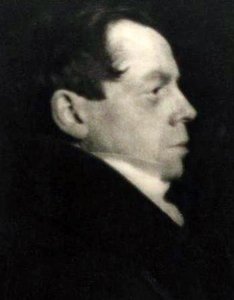
Sir William Nicholson
1872 - 1949 , Regno Unito
Informazioni rapide
- Artistic Movement Or Style: Ritrattismo, Natura morta, Xilografia
- Artists Who Influenced This Artist: ['Whistler']
- Date Of Birth: 5 febbraio 1872
- Date Of Death: 16 maggio 1949
- Full Name: Sir William Newzam Prior Nicholson
- Nationality: Britannico
- Notable Artworks:
- Lady in Furs, Mme. P.
- The Lowestoft Bowl
- Study for 'Plaza de Toros'
- Place Of Birth (City And Country): Newark-on-Trent, Regno Unito
Articoli correlati
Sir William Nicholson: Uno Studio sul Ritratto Post-Impressionista e il Modernismo Decorativo
Esplora la vita e l'opera di Sir William Nicholson, pittore inglese versatile tra ritrattistica post-impressionista e modernismo decorativo. Analisi approfondita del suo stile unico e della sua eredità artistica.

Impressionismo: I 10 Capolavori che Rivoluzionarono la Pittura | OriginalUniqueArt
Esplora i 10 capolavori dell'Impressionismo con OriginalUniqueArt. Scopri Monet, Renoir e Degas: storia, tecnica e colori che hanno rivoluzionato l'arte. Stampe di alta qualità per la tua casa! Esplora la collezione online.

Impressionismo e Postimpressionismo: Evoluzione, Caratteristiche Distintive e Influenze Reciproche
Esplora l'evoluzione dell'Impressionismo e del Postimpressionismo con la nostra guida esperta. Scopri i maestri, le tecniche e l'influenza di questi movimenti artistici rivoluzionari.
William Herbert Allen: Capturing Atmospheric Light & the Essence of American Impressionism
Explore the evocative landscapes of William Herbert Allen, a master of American Impressionism. Discover his unique brushwork, atmospheric techniques & legacy through OriginalUniqueArt's curated collection.

Paul Cézanne: I 25 Capolavori che Hanno Rivoluzionato l'Arte Moderna | OriginalUniqueArt
Esplora i 25 capolavori di Paul Cézanne, il maestro dell'impressionismo e post-impressionismo. Scopri la storia, le tecniche e i colori iconici dietro opere come 'Le grandi bagnanti' e 'Mont Sainte-Victoire'. Trova riproduzioni artistiche di alta qualità per decorare la tua casa su OriginalUniqueArt.com.