

 Anteprima in scala reale
 Condividi
 Condividi
 Dettagli
 Guida stampabile

 Scarica
 Articoli simili
 Radiografia
 Slideshow
 Statistiche
The Black Brunswicker
 Oil On Canvas
- WallArt
- Pre-Raphaelite Brotherhood
 103.0 x 69.0 cm
 Royal Scottish Academy of Art - Architecture
 Leggi tutto
Giclée / Stampe d'arte
Stampa giclée o su tela di qualità museale, con produzione rapida e diverse opzioni di finitura. ( Ordina la riproduzione dipinta a mano Passa all'immagine digitale)




P118B €10

P118H €10

P118W €10

P438Z €10

P508JH €12

P508YH €12

P805H €10

P805Z €10

P919BZ €10

P919G €10

P919XJ €10

P959ZH €10

P968JZ €12

W106C €8

W218G €10

W218JH €8

W218Y €10

W307PJ €10

W316G €10

W316PJ €8

W316Y €10

W398PJ €8

W4111J €10

W500HY €15

W500JH €15

W692G €12

W849H €8

W940BG €15

W953PJ €8




Scegli tra le nostre dimensioni predefinite, che rispettano le proporzioni originali dell'opera d'arte.

È possibile inserire dimensioni personalizzate per adattare l'opera a una cornice o a uno spazio specifico. Se la dimensione selezionata non corrisponde alle proporzioni dell'immagine originale, procederemo al ritaglio dell'opera o all'estensione dell'immagine con un bordo specchiato o a tinta unita. Un mockup digitale ti verrà inviato per approvazione prima dell'inizio della produzione.
Si prega di notare che l'anteprima a schermo non riflette il ritaglio o l'estensione effettivi. Solo il mockup mostrerà accuratamente la composizione finale.
Sebbene siano disponibili dimensioni personalizzate, si raccomanda di selezionare una dimensione dall'elenco predefinito per preservare le proporzioni originali.
Consegna in tutto il mondo () in 2 settimane invece delle normali 4/5 settimane. (13 Ottobre)

Spedizione espressa gratuita in tutto il mondo

Tela in lino di alta qualità

Assicurazione completa sulla spedizione

Garanzia di rimborso dei dazi doganali

Garanzia di perfetta fedeltà cromatica

Politica di reso entro 100 giorni (solo per difetti di fabbricazione)

Garanzia di rimborso al 100%

Sconto per acquisti multipli
 L'opzione vetro è disponibile solo per dimensioni inferiori a 110 cm

The Black Brunswicker
Giclée / Stampe d'arte
Dimensioni della riproduzione
-


Prezzo totale
€ 69
The Black Brunswicker: A Victorian Tableau of Duty and Desire
John Everett Millais’s “The Black Brunswicker,” painted in 1860, is more than just a depiction of a soldier preparing for battle; it's a meticulously crafted tableau vivant—a staged scene designed to evoke both the drama of historical conflict and the poignant intimacy of personal relationships. This remarkable work, now housed at the Lady Lever Art Gallery in Port Sunlight, Merseyside, offers a captivating glimpse into Victorian sensibilities, Pre-Raphaelite aesthetics, and the complex interplay between duty, love, and loss.
At first glance, the painting presents a seemingly straightforward scene: a young soldier, clad in the dark, imposing uniform of the Black Brunswickers—a German mercenary unit that fought valiantly at the Battle of Waterloo—is about to depart for war. His sweetheart, a woman of striking beauty adorned with a delicate pink sash and pearl-white satin gown, attempts to restrain him, her face etched with worry as she struggles to close the heavy wooden door behind him. A loyal black dog sits attentively at their feet, seemingly mirroring the soldier’s conflicted emotions. However, beneath this surface narrative lies a rich tapestry of symbolism and historical allusion, meticulously woven by Millais.
A Collision of Eras and Influences
Millais masterfully juxtaposes elements from different eras within a single composition. The soldier's attire, reminiscent of 19th-century military garb, immediately anchors the scene in a specific historical context—the Napoleonic Wars. Yet, the woman’s dress, with its elaborate detailing and delicate fabrics, hints at a more refined Victorian sensibility. Crucially, the painting is not simply a portrait of two lovers; it's deeply intertwined with a broader narrative inspired by Tennyson’s poem “Mariana,” which explores themes of unrequited love, loss, and the constraints imposed upon women in Victorian society. The inclusion of Jacques-Louis David’s monumental painting "Napoleon Crossing the St. Bernard Pass" further complicates the scene, adding an element of grand historical drama and subtly commenting on the romantic ideals of heroism and conquest.
The presence of the print is not merely decorative; it serves as a visual counterpoint to the intimate moment unfolding before the viewer. David’s painting, with its heroic depiction of Napoleon, embodies masculine power and military triumph—qualities that stand in stark contrast to the woman's desperate attempt to prevent her lover from embracing such ambition. The soldier’s struggle against his duty, symbolized by the open door, becomes a metaphor for the broader conflict between personal desires and societal expectations.
Technique and Detail: A Pre-Raphaelite Masterpiece
Millais's technical skill is evident in every detail of “The Black Brunswicker.” He employed the meticulous observation characteristic of the Pre-Raphaelites, painstakingly rendering the textures of the fabrics—the heavy velvet of the soldier’s uniform, the delicate lace of the woman’s gown, and the rough grain of the wooden door. The use of a white ground technique, where thin layers of translucent paint are applied over a primed surface, creates an illusion of depth and luminosity, enhancing the realism of the scene. The artist's attention to detail extends beyond mere representation; he deliberately incorporates symbolic elements—the falling autumn leaves representing the passage of time and the inevitability of loss, the dog’s watchful gaze reflecting the soldier’s internal turmoil.
Notably, Millais employed a unique method for creating this complex scene. Rather than posing his subjects directly, he utilized wooden stand-ins to capture their gestures and expressions. The soldier's pose was achieved by having an anonymous soldier clasp a lay-figure to his breast, while the woman’s posture was replicated using a similar technique. This innovative approach allowed Millais to achieve remarkable accuracy in conveying the emotional nuances of the scene, despite the lack of direct interaction between the models.
Emotional Resonance and Lasting Legacy
"The Black Brunswicker" transcends its historical subject matter to resonate with viewers on a deeply emotional level. The painting captures the poignant tension between love and duty, highlighting the sacrifices individuals make in the face of societal pressures. The woman’s desperate attempt to hold her lover back speaks to the constraints placed upon women during the Victorian era, while the soldier's conflicted emotions reflect the burden of military service.
Millais’s masterpiece remains a powerful testament to the Pre-Raphaelite movement’s commitment to realism, symbolism, and narrative storytelling. It is a captivating work that continues to fascinate art lovers and collectors alike, offering a glimpse into the complexities of Victorian life and the enduring power of human emotion.
Domande e risposte
Posso vedere una vista ai raggi X di "The Black Brunswicker" di Sir John Everett Millais?
"The Black Brunswicker" può essere esaminata strato dopo strato nella pagina Raggi X dell'opera, un visualizzatore ispirato al banco luminoso di un restauratore con undici letture ottiche dell'immagine.
Quante persone visualizzano "The Black Brunswicker"?
Le statistiche relative a "The Black Brunswicker" di Sir John Everett Millais sono disponibili nella pagina Statistiche dell'opera: visite mensili dell'opera, visite alle opere dell'artista e ripartizione per paese e lingua dei visitatori recenti.
"The Black Brunswicker" di Sir John Everett Millais è un ritratto, un paesaggio o una composizione quadrata?
Il formato di "The Black Brunswicker" è Portrait. Questo è utile quando si pianifica dove posizionare una riproduzione.
Qual è la dimensione di stampa consigliata per "The Black Brunswicker"?
Per "The Black Brunswicker", si consiglia un formato di stampa Large. Sono disponibili altri formati con le stesse proporzioni.
Chi ha creato "The Black Brunswicker" e in quale stile è realizzato?
"The Black Brunswicker" è stata creata da Sir John Everett Millais in stile Pre-Raphaelite Brotherhood. L'artista e il movimento identificano la tradizione dell'opera.
Dove posso trovare opere d'arte simili a "The Black Brunswicker" di Sir John Everett Millais?
Le opere simili a "The Black Brunswicker" di Sir John Everett Millais sono raccolte nella pagina Opere simili dell'opera.
Dove si consiglia di esporre il formato Portrait di "The Black Brunswicker"?
Con la sua forma Portrait, una riproduzione di "The Black Brunswicker" è ideale per un Living Room.
A quale movimento artistico appartiene "The Black Brunswicker" di Sir John Everett Millais?
Il movimento associato a "The Black Brunswicker" di Sir John Everett Millais è Pre-Raphaelite Brotherhood. Questa classificazione colloca l'opera tra artisti e opere d'arte correlati.
Biografia dell'artista
La Vita e l'Educazione di Sir John Everett Millais
Sir John Everett Millais, un rinomato pittore e illustratore inglese, nacque l'8 giugno 1829 a Southampton, in Inghilterra. Fin da bambino prodigio, divenne lo studente più giovane ad entrare alle Royal Academy Schools all’età di undici anni.La Fondazione della Fratellanza Preraffaellita
Nel settembre del 1848, Sir John Everett Millais, insieme a William Holman Hunt e Dante Gabriel Rossetti, fondò la Fratellanza Preraffaellita nella sua casa di famiglia in Gower Street, Londra. Questo movimento mirava a rivivere lo stile del primo Rinascimento italiano.Opere Principali
Alcune delle opere più notevoli di Sir John Everett Millais includono:- Cristo nella casa di suoi genitori (1849-1850), un'opera controversa che presentava la sua realistica rappresentazione di una famiglia umile.
- Un Ugonotto (1851-1852), che raffigurava una giovane coppia sul punto di essere separata a causa dei conflitti religiosi.
- Ofelia (1851-1852), un dipinto che mostrava le sue superfici pittoriche dense ed elaborate, spesso concentrandosi sulla bellezza e la complessità del mondo naturale.
- Mariana (1850-1851), basata sull'opera teatrale Misura per Misura di William Shakespeare e sulla poesia omonima di Alfred, Lord Tennyson.
Influenze e Sviluppo Successivo
Le opere successive di Sir John Everett Millais furono influenzate da sua moglie, Effie, che era stata precedentemente sposata con il critico John Ruskin. Il suo stile si evolse verso una forma più ampia di realismo, inizialmente condannato da Ruskin ma successivamente riconosciuto come un contributo significativo al mondo dell'arte.Musei e Collezioni
Alcune opere di Sir John Everett Millais possono essere ammirate in vari musei, tra cui:- Tate Britain, Londra, che espone L'Ordine del Rilascio (1853) e Ofelia (1852).
- Ashmolean Museum, Oxford, che espone Il ritorno della colomba alla cattedra (1851).
Eredità
L'eredità di Sir John Everett Millais si estende oltre la sua arte. Fu un pioniere del movimento preraffaellita e una figura significativa nello sviluppo dell'arte britannica.- Scopri di più su Sir John Everett Millais su OriginalUniqueArt.com.
- Esplora la Fratellanza Preraffaellita e la sua influenza sull'arte britannica su Wikipedia.

Sir John Everett Millais
1829 - 1896 , Regno Unito
Informazioni rapide
- Artisti Influenti:
- William Holman Hunt
- Dante Gabriel Rossetti
- Artisti Influenzati:
- Movimento Estetico
- Simbolismo
- Data Di Nascita: 8 giugno 1829
- Luogo Di Nascita: Southampton, Regno Unito
- Movimento Artistico: Preraffaellismo
- Nazionalità: Britannico
- Nome Completo: Sir John Everett Millais
- Opere Notevoli:
- Cristo nella casa dei genitori
- Un Ugonotto
- Ofelia
- Mariana
Articoli correlati

Pre-Raphaelite Romanticism: A Guide to Vivid Detail and Medieval Beauty in Victorian Art
Explore the vivid detail and medieval beauty of Pre-Raphaelite Romanticism. Discover the history of masters like Rossetti and Millais through our expert guide to Victorian art, perfect for collectors and professionals seeking authentic, museum-quality reproductions.

I Preraffaelliti: Ribellione Estetica e Dettaglio Narrativo nell'Inghilterra Vittoriana
Esplora il movimento preraffaellita con OriginalUniqueArt. Analisi approfondite di Millais, Rossetti e Hunt, tecniche innovative e l'impatto rivoluzionario sull'arte vittoriana. Scopri la bellezza e i dettagli narrativi delle opere più iconiche.
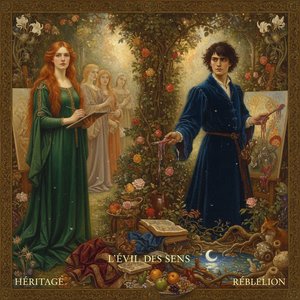
The Pre-Raphaelite Brotherhood: Reclaiming Beauty, Nature, and Truth in Victorian Art History
Explore the revolutionary Pre-Raphaelite Brotherhood. Discover how these visionary artists rejected academic tradition to reclaim beauty, nature, and truth through luminous detail and literary depth in Victorian art history.

Dante Gabriel Rossetti: I 25 Capolavori che Definiscono un Maestro del Simbolismo
Esplora i 25 capolavori di Dante Gabriel Rossetti, pittore preraffaellita simbolo del romanticismo vittoriano. Scopri storie, tecniche e colori unici delle sue opere più famose. Trova riproduzioni d'arte di alta qualità per la tua casa su OriginalUniqueArt.com

The Pre-Raphaelite Brotherhood: Rediscovering Romanticism, Mythological Depth, and Vivid Detail in Victorian Art
Explore the breathtaking world of the Pre-Raphaelite Brotherhood. Discover how this movement redefined Victorian art through vivid detail, mythological depth, and romanticism. An expert guide for classic art enthusiasts seeking to rediscover these timeless masterpieces.


