
 Anteprima in scala reale
 Invia
Invia Condividi
 Dettagli opera
 Guida
Guida

 Scarica
 Simili
 Radiografia
 Slideshow
 Domande e risposte
 Statistiche
L'Enfant du Regiment

- 45.0 x 61.0 cm


 Espandi i dettagli
Giclée / Stampe d'arte
Stampa giclée o su tela di qualità museale, con produzione rapida e diverse opzioni di finitura. ( Acquista il dipinto realizzato a mano Passa all'immagine digitale)




P118B €10

P118H €10

P118W €10

P438Z €10

P508JH €12

P508YH €12

P805H €10

P805Z €10

P919BZ €10

P919G €10

P919XJ €10

P959ZH €10

P968JZ €12

W106C €8

W218G €10

W218JH €8

W218Y €10

W307PJ €10

W316G €10

W316PJ €8

W316Y €10

W398PJ €8

W4111J €10

W500HY €15

W500JH €15

W692G €12

W849H €8

W940BG €15

W953PJ €8




Scegli tra le nostre dimensioni predefinite, che rispettano le proporzioni originali dell'opera d'arte.

Inserisci la larghezza e l'altezza desiderate, per adattarle alla tua cornice o alla tua parete. Una stampa può essere solo ritagliata, mai resa più grande dell'immagine originale; pertanto, un formato con una forma differente comporterà la perdita di una parte dell'opera. Ti invieremo un mockup digitale da approvare prima di procedere con la stampa. L'immagine mostrata in questa pagina non rappresenta il ritaglio reale — solo il mockup lo mostra.
Consegna in tutto il mondo () in 2 settimane invece delle normali 4/5 settimane. (4 Novembre)

Spedizione espressa gratuita in tutto il mondo

Tela in lino di alta qualità

Assicurazione completa sulla spedizione

Garanzia di rimborso dei dazi doganali

Garanzia di fedeltà cromatica assoluta

Politica di reso entro 100 giorni (solo per difetti di fabbricazione)

Garanzia di rimborso al 100%

Offerta per acquisti multipli
 L'opzione vetro è disponibile solo per dimensioni inferiori a 110 cm

L'Enfant du Regiment
Giclée / Stampe d'arte
Dimensioni riproduzione
-


Prezzo finale calcolato
€ 72
A Vision of Medieval Grief and Romantic Idealism: Exploring Millais’s L'Enfant du Régiment
Sir John Everett Millais’s “L’Enfant du Régiment,” completed in 1855, stands as a cornerstone of the Pre-Raphaelite Brotherhood’s artistic vision—a movement that irrevocably altered the landscape of Victorian art. More than just a portrait; it's an immersive tableau capturing not merely appearance but profound emotion and symbolic resonance, cementing Millais’s place among Britain’s most celebrated painters. The painting depicts Marie Spartacus Beton, wife of a French officer serving in Algeria, asleep on an ancient Roman monument—a deliberate juxtaposition designed to evoke contemplation on mortality and the enduring power of memory.The Pre-Raphaelite Aesthetic: Rejecting Academic Convention
The Pre-Raphaelites vehemently opposed the prevailing artistic trends of their time, rejecting the idealized forms and theatrical compositions favored by the Royal Academy. Influenced by Dante Gabriel Rossetti and William Holman Hunt, Millais championed a return to the stylistic principles of Renaissance artists before Raphael—a commitment to meticulous observation, vibrant color palettes derived from nature, and narratives rooted in literature and mythology. This rejection wasn’t merely aesthetic; it represented a broader intellectual rebellion against materialism and dogma, prioritizing spiritual contemplation alongside artistic excellence.Detailed Observation and Artistic Technique: Recreating Reality
Millais's mastery of technique is evident in the painting's astonishing realism. He painstakingly recreated the monument—a crumbling Roman tomb—using photographic studies to ensure accuracy. The artist employed a layering method known as *grisaille*, applying thin washes of monochrome paint beneath the final color layers, establishing tonal values and creating depth with remarkable precision. Brushwork is delicate yet purposeful, capturing the textures of stone, fabric, and skin with breathtaking subtlety. The muted earth tones—browns, ochres, creams—are punctuated by splashes of crimson and azure—colors chosen to convey both passion and solemnity.Symbolism Embedded in Composition: Grief, Remembrance, and Medieval Romance
The painting’s symbolism is multilayered and profoundly evocative. Marie Beton's pose—sleeping peacefully on the monument—represents death or profound slumber, mirroring the biblical image of Jesus sleeping in his mother’s arms. The Roman monument symbolizes antiquity and timelessness, contrasting with the immediacy of Marie’s grief—represented by her bandaged arm and the draped soldier’s jacket. This juxtaposition speaks to the enduring themes of loss, remembrance, and the idealized beauty of medieval romance—themes central to Rossetti's poem “The Soul Awakened,” which inspired Millais’s artistic endeavor. The monument itself serves as a reminder of past glories and the inevitable passage of time.Emotional Impact: A Masterpiece of Romantic Sentiment
“L’Enfant du Régiment” transcends mere visual representation; it achieves an unparalleled emotional impact. Millais skillfully captures the melancholic beauty of grief—the quiet dignity of sorrow—transforming a simple scene into a profound meditation on human experience. The painting compels viewers to confront mortality, yet simultaneously celebrates the enduring power of love and memory. Its luminous colors and meticulous detail convey not just what is seen but what is felt—a testament to Millais’s artistic genius and his unwavering commitment to conveying the deepest recesses of the human soul. It remains a powerfully moving artwork that continues to inspire admiration and contemplation centuries after its creation.Domande e risposte
In che modo lo stile e l'epoca si incontrano in "L'Enfant du Regiment" di Sir John Everett Millais?
"L'Enfant du Regiment" appartiene al movimento Pre-Raphaelite, e il suo autore ha operato nell'epoca XIX secolo.
Posso esaminare "L'Enfant du Regiment" più nel dettaglio?
"L'Enfant du Regiment" può essere esaminata strato dopo strato nella pagina Raggi X dell'opera, un visualizzatore ispirato al banco luminoso di un restauratore che offre undici letture ottiche dell'immagine.
Dove posso trovare opere d'arte simili a "L'Enfant du Regiment" di Sir John Everett Millais?
Le opere simili a "L'Enfant du Regiment" di Sir John Everett Millais sono raccolte nella pagina Opere simili dell'opera.
Biografia dell'artista
La Vita e l'Educazione di Sir John Everett Millais
Sir John Everett Millais, un rinomato pittore e illustratore inglese, nacque l'8 giugno 1829 a Southampton, in Inghilterra. Fin da bambino prodigio, divenne lo studente più giovane ad entrare alle Royal Academy Schools all’età di undici anni.La Fondazione della Fratellanza Preraffaellita
Nel settembre del 1848, Sir John Everett Millais, insieme a William Holman Hunt e Dante Gabriel Rossetti, fondò la Fratellanza Preraffaellita nella sua casa di famiglia in Gower Street, Londra. Questo movimento mirava a rivivere lo stile del primo Rinascimento italiano.Opere Principali
Alcune delle opere più notevoli di Sir John Everett Millais includono:- Cristo nella casa di suoi genitori (1849-1850), un'opera controversa che presentava la sua realistica rappresentazione di una famiglia umile.
- Un Ugonotto (1851-1852), che raffigurava una giovane coppia sul punto di essere separata a causa dei conflitti religiosi.
- Ofelia (1851-1852), un dipinto che mostrava le sue superfici pittoriche dense ed elaborate, spesso concentrandosi sulla bellezza e la complessità del mondo naturale.
- Mariana (1850-1851), basata sull'opera teatrale Misura per Misura di William Shakespeare e sulla poesia omonima di Alfred, Lord Tennyson.
Influenze e Sviluppo Successivo
Le opere successive di Sir John Everett Millais furono influenzate da sua moglie, Effie, che era stata precedentemente sposata con il critico John Ruskin. Il suo stile si evolse verso una forma più ampia di realismo, inizialmente condannato da Ruskin ma successivamente riconosciuto come un contributo significativo al mondo dell'arte.Musei e Collezioni
Alcune opere di Sir John Everett Millais possono essere ammirate in vari musei, tra cui:- Tate Britain, Londra, che espone L'Ordine del Rilascio (1853) e Ofelia (1852).
- Ashmolean Museum, Oxford, che espone Il ritorno della colomba alla cattedra (1851).
Eredità
L'eredità di Sir John Everett Millais si estende oltre la sua arte. Fu un pioniere del movimento preraffaellita e una figura significativa nello sviluppo dell'arte britannica.- Scopri di più su Sir John Everett Millais su OriginalUniqueArt.com.
- Esplora la Fratellanza Preraffaellita e la sua influenza sull'arte britannica su Wikipedia.

Sir John Everett Millais
1829 - 1896 , Regno Unito
Dettagli rapidi
- Artisti Influenti:
- William Holman Hunt
- Dante Gabriel Rossetti
- Artisti Influenzati:
- Movimento Estetico
- Simbolismo
- Data Di Nascita: 8 giugno 1829
- Luogo Di Nascita: Southampton, Regno Unito
- Movimento Artistico: Preraffaellismo
- Nazionalità: Britannico
- Nome Completo: Sir John Everett Millais
- Opere Notevoli:
- Cristo nella casa dei genitori
- Un Ugonotto
- Ofelia
- Mariana
Articoli correlati

I Preraffaelliti: Ribellione Estetica e Dettaglio Narrativo nell'Inghilterra Vittoriana
Esplora il movimento preraffaellita con OriginalUniqueArt. Analisi approfondite di Millais, Rossetti e Hunt, tecniche innovative e l'impatto rivoluzionario sull'arte vittoriana. Scopri la bellezza e i dettagli narrativi delle opere più iconiche.

I 25 Capolavori di Dante Gabriel Rossetti: L'Anima dell'Arte Preraffaellita
Scopri i 25 capolavori di Dante Gabriel Rossetti e l'anima preraffaellita. Esplora la collezione su OriginalUniqueArt.com.

The Pre-Raphaelite Brotherhood: Rediscovering Beauty, Romance, and Medieval Magic in Victorian Art
Embark on a journey through the Pre-Raphaelite Brotherhood. Discover the romantic symbolism, medieval magic, and radical beauty of Rossetti and Burne-Jones in this expert exploration of Victorian art history.
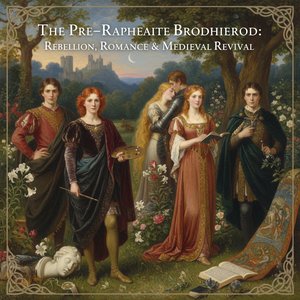
The Pre-Raphaelite Brotherhood: Rebellion, Romance & Medieval Revival
Explore the captivating world of the Pre-Raphaelite Brotherhood! Discover their rebellious spirit, iconic masterpieces & lasting influence on art history. Learn about Rossetti, Millais & more.

The Pre-Raphaelite Brotherhood: Rediscovering Romanticism, Mythological Depth, and Vivid Detail in Victorian Art
Explore the breathtaking world of the Pre-Raphaelite Brotherhood. Discover how this movement redefined Victorian art through vivid detail, mythological depth, and romanticism. An expert guide for classic art enthusiasts seeking to rediscover these timeless masterpieces.


