
 Anteprima in scala reale
 Invia
Invia Condividi
 Dettagli opera
 Guida
Guida

 Scarica
 Simili
 Radiografia
 Slideshow
 Q&A
Q&A Statistiche
Glen Birnam


 Espandi i dettagli
Giclée / Stampe d'arte
Stampa giclée o su tela di qualità museale, con produzione rapida e diverse opzioni di finitura. ( Acquista il dipinto realizzato a mano Passa all'immagine digitale)




P118B €10

P118H €10

P118W €10

P438Z €10

P508JH €12

P508YH €12

P805H €10

P805Z €10

P919BZ €10

P919G €10

P919XJ €10

P959ZH €10

P968JZ €12

W106C €8

W218G €10

W218JH €8

W218Y €10

W307PJ €10

W316G €10

W316PJ €8

W316Y €10

W398PJ €8

W4111J €10

W500HY €15

W500JH €15

W692G €12

W849H €8

W940BG €15

W953PJ €8




Scegli tra le nostre dimensioni predefinite, che rispettano le proporzioni originali dell'opera d'arte.

Inserisci la larghezza e l'altezza desiderate, per adattarle alla tua cornice o alla tua parete. Una stampa può essere solo ritagliata, mai resa più grande dell'immagine originale; pertanto, un formato con una forma differente comporterà la perdita di una parte dell'opera. Ti invieremo un mockup digitale da approvare prima di procedere con la stampa. L'immagine mostrata in questa pagina non rappresenta il ritaglio reale — solo il mockup lo mostra.
Consegna in tutto il mondo () in 2 settimane invece delle normali 4/5 settimane. (2 Novembre)

Spedizione espressa gratuita in tutto il mondo

Tela in lino di alta qualità

Assicurazione completa sulla spedizione

Garanzia di rimborso dei dazi doganali

Garanzia di fedeltà cromatica assoluta

Politica di reso entro 100 giorni (solo per difetti di fabbricazione)

Garanzia di rimborso al 100%

Offerta per acquisti multipli
 L'opzione vetro è disponibile solo per dimensioni inferiori a 110 cm

Glen Birnam
Giclée / Stampe d'arte
Dimensioni riproduzione
-


Prezzo finale calcolato
€ 71
A Winter’s Solitude in Glen Birnam
In the quietude of Sir John Everett Millais' 1891 masterpiece, Glen Birnam, the viewer is invited into a world where time seems to suspend itself amidst the frost. This evocative landscape, born from the artist's deep connection to the Scottish Highlands, captures more than just a seasonal transition; it captures a profound sense of stillness. As we gaze upon the winding, snow-swept path that meanders through the heart of Birnam Wood, we are drawn into a rhythmic dance of light and shadow. The scene is bathed in the soft, diffused glow of a winter afternoon, where the pale sky meets the muted browns and creams of the dormant earth. It is a painting that does not merely depict a location, but rather evokes the very breath of a frozen landscape, making it an ideal centerpiece for those seeking to bring a sense of serene contemplation into a sophisticated living space.
The composition of the work is a masterclass in guiding the eye through a natural narrative. Millais utilizes the strong, converging lines of the woodland path to create an immersive sense of depth, pulling the observer toward the distant, hazy hills. Framing this journey are the tall, skeletal silhouettes of bare trees, their dark trunks providing a structural contrast to the soft, white patches of snow scattered across the ground. Amidst this vast natural expanse, a solitary figure—a woman bundled in dark attire with a striking splash of red from her hat—walks away from the viewer. This small but significant human element introduces a layer of poignant storytelling; she becomes a symbol of introspection and the individual journey through life's quietest, most transformative seasons.
The Pre-Raphaelite Legacy and Technical Mastery
To understand Glen Birnam is to understand the evolution of Sir John Everett Millais himself. As a founding member of the Pre-Raphaelite Brotherhood, Millais began his career with a rebellious fervor, seeking to reject the artificiality of academic art in favor of an uncompromising devotion to nature's true form. By the time he painted this late-career triumph, his style had matured into a breathtaking realism that blended meticulous observation with a more atmospheric, tonal approach. The technique employed here—likely layers of oil paint on canvas—demonstrates his ability to manipulate texture and light. One can almost feel the rough, weathered bark of the trees and the crisp, biting cold of the untouched snow through his subtle use of glazes and delicate tonal variations.
For the discerning collector or interior designer, this artwork offers a rare blend of historical significance and aesthetic versatility. The color palette, dominated by earthy neutrals, tans, and soft grays, possesses a timeless quality that complements both classical and contemporary decor. It provides a sophisticated anchor for a room, offering visual depth without overwhelming the surrounding environment. Whether placed in a sunlit gallery or a moody, library-style study, Glen Birnam serves as a window into a moment of eternal peace, reminding us of the enduring beauty found in nature's most silent intervals.
Domande e risposte
Con quale tecnica è realizzato "Glen Birnam"?
La tecnica utilizzata per "Glen Birnam" di Sir John Everett Millais è Oil On Canvas. Le riproduzioni mirano a restituire l'aspetto di questa tecnica.
In che anno è stata realizzata l'opera "Glen Birnam" di Sir John Everett Millais e a quale movimento appartiene?
"Glen Birnam" è stata realizzata nel 1891, nell'ambito del movimento Pre-Raphaelite Brotherhood.
In che anno è stata realizzata l'opera "Glen Birnam" di Sir John Everett Millais?
L'opera "Glen Birnam" di Sir John Everett Millais risale al 1891.
Biografia dell'artista
La Vita e l'Educazione di Sir John Everett Millais
Sir John Everett Millais, un rinomato pittore e illustratore inglese, nacque l'8 giugno 1829 a Southampton, in Inghilterra. Fin da bambino prodigio, divenne lo studente più giovane ad entrare alle Royal Academy Schools all’età di undici anni.La Fondazione della Fratellanza Preraffaellita
Nel settembre del 1848, Sir John Everett Millais, insieme a William Holman Hunt e Dante Gabriel Rossetti, fondò la Fratellanza Preraffaellita nella sua casa di famiglia in Gower Street, Londra. Questo movimento mirava a rivivere lo stile del primo Rinascimento italiano.Opere Principali
Alcune delle opere più notevoli di Sir John Everett Millais includono:- Cristo nella casa di suoi genitori (1849-1850), un'opera controversa che presentava la sua realistica rappresentazione di una famiglia umile.
- Un Ugonotto (1851-1852), che raffigurava una giovane coppia sul punto di essere separata a causa dei conflitti religiosi.
- Ofelia (1851-1852), un dipinto che mostrava le sue superfici pittoriche dense ed elaborate, spesso concentrandosi sulla bellezza e la complessità del mondo naturale.
- Mariana (1850-1851), basata sull'opera teatrale Misura per Misura di William Shakespeare e sulla poesia omonima di Alfred, Lord Tennyson.
Influenze e Sviluppo Successivo
Le opere successive di Sir John Everett Millais furono influenzate da sua moglie, Effie, che era stata precedentemente sposata con il critico John Ruskin. Il suo stile si evolse verso una forma più ampia di realismo, inizialmente condannato da Ruskin ma successivamente riconosciuto come un contributo significativo al mondo dell'arte.Musei e Collezioni
Alcune opere di Sir John Everett Millais possono essere ammirate in vari musei, tra cui:- Tate Britain, Londra, che espone L'Ordine del Rilascio (1853) e Ofelia (1852).
- Ashmolean Museum, Oxford, che espone Il ritorno della colomba alla cattedra (1851).
Eredità
L'eredità di Sir John Everett Millais si estende oltre la sua arte. Fu un pioniere del movimento preraffaellita e una figura significativa nello sviluppo dell'arte britannica.- Scopri di più su Sir John Everett Millais su OriginalUniqueArt.com.
- Esplora la Fratellanza Preraffaellita e la sua influenza sull'arte britannica su Wikipedia.

Sir John Everett Millais
1829 - 1896 , Regno Unito
Dettagli rapidi
- Artisti Influenti:
- William Holman Hunt
- Dante Gabriel Rossetti
- Artisti Influenzati:
- Movimento Estetico
- Simbolismo
- Data Di Nascita: 8 giugno 1829
- Luogo Di Nascita: Southampton, Regno Unito
- Movimento Artistico: Preraffaellismo
- Nazionalità: Britannico
- Nome Completo: Sir John Everett Millais
- Opere Notevoli:
- Cristo nella casa dei genitori
- Un Ugonotto
- Ofelia
- Mariana
Articoli correlati
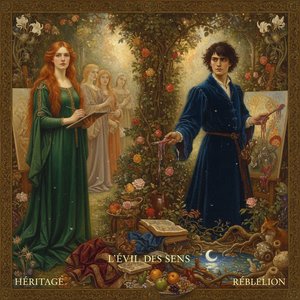
The Pre-Raphaelite Brotherhood: Reclaiming Beauty, Nature, and Truth in Victorian Art History
Explore the revolutionary Pre-Raphaelite Brotherhood. Discover how these visionary artists rejected academic tradition to reclaim beauty, nature, and truth through luminous detail and literary depth in Victorian art history.

Pre-Raphaelite Romanticism: A Guide to Vivid Detail and Medieval Beauty in Victorian Art
Explore the vivid detail and medieval beauty of Pre-Raphaelite Romanticism. Discover the history of masters like Rossetti and Millais through our expert guide to Victorian art, perfect for collectors and professionals seeking authentic, museum-quality reproductions.

Pre-Raphaelite Romanticism: The Revival of Medieval Beauty and Nature in Victorian Art
Explore the profound beauty of Pre-Raphaelite Romanticism. Discover how visionaries like Rossetti and Millais revived medievalism and nature through meticulous detail and vibrant color in Victorian art history.

I 25 Capolavori di Dante Gabriel Rossetti: L'Anima dell'Arte Preraffaellita
Scopri i 25 capolavori di Dante Gabriel Rossetti e l'anima preraffaellita. Esplora la collezione su OriginalUniqueArt.com.

I Preraffaelliti: Ribellione Estetica e Dettaglio Narrativo nell'Inghilterra Vittoriana
Esplora il movimento preraffaellita con OriginalUniqueArt. Analisi approfondite di Millais, Rossetti e Hunt, tecniche innovative e l'impatto rivoluzionario sull'arte vittoriana. Scopri la bellezza e i dettagli narrativi delle opere più iconiche.


