
 Anteprima in scala reale
 Invia
Invia Condividi
 Dettagli opera
 Guida
Guida

 Scarica
 Simili
 Radiografia
 Slideshow
 Q&A
Q&A Statistiche
Intellectual Depression

- 2020.0 x 2420.0 cm


 Espandi i dettagli
L'opera d'arte visualizzata in questa pagina è protetta dalle leggi sul diritto d'autore, il che significa che non possiamo legalmente creare o vendere una riproduzione identica. Tale protezione è garantita da accordi internazionali quali la Convenzione di Berna e dalle leggi nazionali, incluse quelle stabilite da Legge sul copyright degli Stati Uniti - Titolo 17. Tutti i diritti riservati. Le immagini presenti su questo sito sono protette da copyright e non possono essere riprodotte o utilizzate senza l'autorizzazione scritta di WahooArt.com o dei rispettivi proprietari del copyright.
Questo metodo è pienamente conforme alle normative sul diritto d'autore poiché non prevede la copia o la duplicazione dell'opera protetta. Si tratta invece di una rielaborazione creativa: un nuovo dipinto che trae ispirazione dall'originale, senza tuttavia esserne identico.
Giclée / Stampe d'arte
Stampa giclée o su tela di qualità museale, con produzione rapida e diverse opzioni di finitura. ( Acquista il dipinto realizzato a mano Passa all'immagine digitale)




P118B €10

P118H €10

P118W €10

P438Z €10

P508JH €12

P508YH €12

P805H €10

P805Z €10

P919BZ €10

P919G €10

P919XJ €10

P959ZH €10

P968JZ €12

W106C €8

W218G €10

W218JH €8

W218Y €10

W307PJ €10

W316G €10

W316PJ €8

W316Y €10

W398PJ €8

W4111J €10

W500HY €15

W500JH €15

W692G €12

W849H €8

W940BG €15

W953PJ €8




Scegli tra le nostre dimensioni predefinite, che rispettano le proporzioni originali dell'opera d'arte.

Inserisci la larghezza e l'altezza desiderate, per adattarle alla tua cornice o alla tua parete. Una stampa può essere solo ritagliata, mai resa più grande dell'immagine originale; pertanto, un formato con una forma differente comporterà la perdita di una parte dell'opera. Ti invieremo un mockup digitale da approvare prima di procedere con la stampa. L'immagine mostrata in questa pagina non rappresenta il ritaglio reale — solo il mockup lo mostra.
Consegna in tutto il mondo () in 2 settimane invece delle normali 4/5 settimane. (2 Novembre)

Spedizione espressa gratuita in tutto il mondo

Tela in lino di alta qualità

Assicurazione completa sulla spedizione

Garanzia di rimborso dei dazi doganali

Garanzia di fedeltà cromatica assoluta

Politica di reso entro 100 giorni (solo per difetti di fabbricazione)

Garanzia di rimborso al 100%

Offerta per acquisti multipli
 L'opzione vetro è disponibile solo per dimensioni inferiori a 110 cm

Intellectual Depression
Giclée / Stampe d'arte
Dimensioni riproduzione
-


Prezzo finale calcolato
€ 71
Domande e risposte
Che posto occupa "Intellectual Depression" all'interno della produzione artistica di Sir George Gilbert Scott?
All'interno della produzione di Sir George Gilbert Scott, "Intellectual Depression" si inserisce nello stile Contemporary Art, affiancandosi ai temi di death and decay themes, human condition focus, contrast to brighter works, london urban imagery.
Che livello di saturazione e intensità presenta "Intellectual Depression" di Sir George Gilbert Scott?
I colori di "Intellectual Depression" di Sir George Gilbert Scott presentano una saturazione Vivid Color e un'intensità Vivid.
È possibile riprodurre legalmente l'opera "Intellectual Depression" di Sir George Gilbert Scott, conservata presso British Council?
Lo stato del copyright di "Intellectual Depression" di Sir George Gilbert Scott è chiaro: l'opera è ancora protetta dal diritto d'autore. La sua presenza presso British Council non ne cambia lo stato.
Biografia dell'artista
The Architect of Victorian Grandeur
To walk through the heart of London or traverse the historic landscapes of Britain is to encounter the enduring legacy of Sir George Gilbert Scott. A titan of the nineteenth century, Scott did not merely design buildings; he sculpted the very atmosphere of the Victorian era. His life was a profound journey through the revival of medieval splendor, a pursuit that sought to breathe new life into the stone and mortar of a rapidly industrializing world. Born into an architectural dynasty, his path was paved by the influence of his father, Sir Gilbert Scott, yet George possessed a singular vision that would allow him to transcend mere imitation, establishing himself as a master of the Gothic Revival movement.
His early years were defined by a rigorous apprenticeship within the family tradition, where he absorbed the meticulous discipline required to honor historical precedents. This foundation allowed him to approach architecture not just as an engineer, but as a storyteller. He understood that every arch, every ribbed vault, and every intricate carving could serve as a vessel for spiritual and national identity. As his career progressed, Scott became a pivotal figure in reclaiming the grandeur of the Middle Ages, rejecting the cold rationality of Neoclassicism in favor of a more emotive, textured, and spiritually resonant aesthetic.
A Legacy Carved in Stone
The sheer scale of Scott’s contribution to the British landscape is staggering. His portfolio, which includes over 800 designs and restorations, reflects a man capable of navigating both the monumental and the intimate. He was a master of the Gothic Revival, a style characterized by its soaring verticality and complex ornamentation. Through his work, he brought back the dramatic interplay of light and shadow found in ancient cathedlamls, utilizing stained glass and sculptural details to create spaces that felt both timeless and divine.
Among his most celebrated achievements are structures that have become synonymous with British heritage:
- The Midland Grand Hotel at St Pancras Station: A breathtaking masterpiece of Victorian Gothic design that remains one of London's most iconic landmarks.
- The Albert Memorial: A grand, ornate tribute to Prince Albert, showcasing Scott's ability to handle immense sculptural complexity and symbolic depth.
- The Foreign and Commonwealth Office: An exquisite example of how he could apply historical grandeur to the essential civic institutions of the British Empire.
- Ecclesiastical Masterworks: His extensive work on cathedrals and churches across the United Kingdom, where he restored and reimagined sacred spaces to evoke a sense of the sublime.
The Spirit of the Gothic Revival
Beyond the physical structures, Scott’s true achievement lay in his ability to harmonize the ancient with the modern. While his heart belonged to the medieval aesthetic, he was no stranger to the technological advancements of his time. He skillfully integrated contemporary engineering and new materials into his designs, ensuring that his Gothic visions possessed the structural integrity required for the burgeoning urban centers of the nineteenth century. This synthesis of old-world charm and new-world innovation allowed his buildings to stand as resilient monuments to progress.
His influence extended far beyond his own drafting table, shaping the tastes of an entire generation of architects and designers. By championing a style that emphasized craftsmanship, detail, and historical continuity, he provided a sense of stability and beauty during a period of unprecedented social change. Today, when we gaze upon the intricate facades of his London landmarks or the solemn arches of his restored churches, we are not just looking at architecture; we are witnessing the enduring heartbeat of the Victorian spirit, preserved forever through the visionary hand of Sir George Gilbert Scott.

Dettagli rapidi
- Artistic Movement Or Style: Gothic Revival
- Artists Or Movements Influenced By This Artist: ['Victorian Architecture']
- Artists Who Influenced This Artist: ['Charles Barry']
- Date Of Birth: October 8, 1839
- Date Of Death: May 6, 1897
- Full Name: George Gilbert Scott
- Nationality: British
- Notable Artworks:
- Liverpool Cathedral
- Battersea Power Station
- Leeds General Infirmary
- St Pancras Hotel
- Place Of Birth: London, England
Articoli correlati
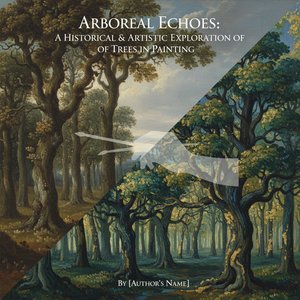
Arboreal Echoes: A Historical & Artistic Exploration of Trees in Painting
Explore the rich history of trees in painting! Discover symbolism, Romantic masterpieces by Caspar David Friedrich & beyond. A curated journey for art enthusiasts.

I 10 Dipinti Più Famosi Dominati dal Nero: Maestri e Storie d'Arte
Esplora i 10 dipinti più iconici dominati dal nero, da Caravaggio a Munch. Scopri storie, tecniche e il potere espressivo di artisti come Rembrandt e Goya. Trova stampe d'arte di alta qualità per la tua casa su .

Arboreal Echoes: A Historical & Artistic Exploration of Trees in Painting
Explore the rich history of trees in painting! Discover symbolism, Romantic masterpieces by Caspar David Friedrich & beyond. A curated journey for art enthusiasts.

I 10 Dipinti Più Famosi Inondati di Giallo Cromatico: Arte e Decorazioni Raffinate
Esplora i 10 dipinti più iconici dominati dal giallo cromatico! Van Gogh, Monet e altri maestri celebrano questo colore vibrante. Scopri storie, tecniche e acquista stampe di alta qualità su OriginalUniqueArt.com.
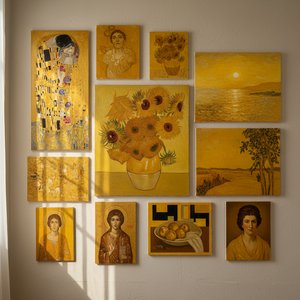
I 10 Dipinti Più Famosi Dominati dal Giallo Ocra: Arte e Decorazioni Raffinate
Esplora i 10 dipinti più iconici dominati dal giallo ocra! Scopri la storia di Van Gogh, Monet e altri maestri. Trova riproduzioni d'arte di alta qualità per decorare casa con stile su .