

 Anteprima in scala reale
 Condividi
 Condividi
 Dettagli
 Guida stampabile

 Scarica
 Articoli simili
 Radiografia
 Slideshow
 Statistiche
Mare and Foal
 Oil On Canvas
- WallArt
- Victorian Animalier
 1865
1865 112.0 x 143.0 cm
 Galleria d'Arte Walker
 Leggi tutto
Giclée / Stampe d'arte
Stampa giclée o su tela di qualità museale, con produzione rapida e diverse opzioni di finitura. ( Ordina la riproduzione dipinta a mano Passa all'immagine digitale)




P118B $10

P118H $10

P118W $10

P438Z $10

P508JH $12

P508YH $12

P805H $10

P805Z $10

P919BZ $10

P919G $10

P919XJ $10

P959ZH $10

P968JZ $12

W106C $8

W218G $10

W218JH $8

W218Y $10

W307PJ $10

W316G $10

W316PJ $8

W316Y $10

W398PJ $8

W4111J $10

W500HY $15

W500JH $15

W692G $12

W849H $8

W940BG $15

W953PJ $8




Scegli tra le nostre dimensioni predefinite, che rispettano le proporzioni originali dell'opera d'arte.

È possibile inserire dimensioni personalizzate per adattare l'opera a una cornice o a uno spazio specifico. Se la dimensione selezionata non corrisponde alle proporzioni dell'immagine originale, procederemo al ritaglio dell'opera o all'estensione dell'immagine con un bordo specchiato o a tinta unita. Un mockup digitale ti verrà inviato per approvazione prima dell'inizio della produzione.
Si prega di notare che l'anteprima a schermo non riflette il ritaglio o l'estensione effettivi. Solo il mockup mostrerà accuratamente la composizione finale.
Sebbene siano disponibili dimensioni personalizzate, si raccomanda di selezionare una dimensione dall'elenco predefinito per preservare le proporzioni originali.
Consegna in tutto il mondo () in 2 settimane invece delle normali 4/5 settimane. (26 Settembre)

Spedizione espressa gratuita in tutto il mondo

Tela in lino di alta qualità

Assicurazione completa sulla spedizione

Garanzia di rimborso dei dazi doganali

Garanzia di perfetta fedeltà cromatica

Politica di reso entro 100 giorni (solo per difetti di fabbricazione)

Garanzia di rimborso al 100%

Sconto per acquisti multipli
 L'opzione vetro è disponibile solo per dimensioni inferiori a 110 cm

Mare and Foal
Giclée / Stampe d'arte
Dimensioni della riproduzione
-


Prezzo totale
$ 80
A Moment Frozen in Time: Landseer’s “Mare and Foal”
Sir Edwin Henry Landseer's "Mare and Foal," painted in 1865, isn’t merely a depiction of two horses; it’s a profound meditation on maternal love, the cycle of life, and the enduring bond between generations. Born into a family steeped in artistic tradition – his father, John Landseer, was a celebrated engraver – Edwin Henry Landseer inherited not only technical skill but also an innate understanding of capturing the essence of animal emotion. This painting stands as a testament to that gift, radiating warmth and tenderness with remarkable realism. The scene unfolds within a softly rendered, almost dreamlike landscape, suggesting a tranquil haven far removed from the bustle of Victorian London. The muted palette – dominated by earthy browns, greens, and soft blues – contributes to an atmosphere of quiet contemplation, drawing the viewer into the intimate connection between mother and child.A Masterclass in Animal Anatomy and Expression
Landseer’s genius lay not just in his ability to paint horses beautifully, but in his meticulous study of their anatomy and behavior. He famously dissected animals – a practice considered unconventional at the time – to gain an unparalleled understanding of musculature, posture, and movement. This dedication is immediately apparent in “Mare and Foal.” The mare’s stance is both regal and protective; her head held high, conveying a sense of authority tempered by gentle affection. Her gaze is fixed on her foal, radiating a deep wellspring of maternal concern. The foal itself embodies youthful exuberance, its posture alert and inquisitive, reaching tentatively towards its mother's flank. Notice the subtle details: the delicate curve of the foal’s neck, the texture of its coat, the way light catches the sheen of its eyes – all meticulously rendered to create a sense of palpable life. Landseer masterfully employed sfumato, a technique borrowed from Renaissance masters, to soften edges and create an atmospheric haze, lending the scene an ethereal quality.Victorian Sentimentality and the Animalier Tradition
“Mare and Foal” is deeply rooted in the Victorian era’s fascination with animals – a period often referred to as the “animalier tradition.” Queen Victoria herself was a devoted animal lover, and her influence permeated much of British art. Landseer, keenly attuned to this cultural shift, elevated the depiction of animals from mere subjects to embodiments of human emotions. This painting exemplifies that sentimentality; it’s not simply a portrait of two horses but an exploration of familial devotion and the cyclical nature of life. The choice of a horse – a symbol of strength, nobility, and connection to the land – further reinforces this theme. The composition itself is carefully balanced, mirroring the harmony between mother and child, reflecting Victorian ideals of domesticity and family values.Symbolism and Enduring Legacy
Beyond its technical brilliance, “Mare and Foal” resonates with deeper symbolic meaning. The image speaks to themes of nurturing, protection, and continuity – qualities highly valued in Victorian society. The foal represents the future, while the mare embodies experience and wisdom. Together, they symbolize the passing down of values and traditions from one generation to the next. Furthermore, the painting’s enduring popularity is a testament to its universal appeal. It taps into our innate empathy for animals and our appreciation for the beauty of the natural world. It's a scene that evokes feelings of warmth, comfort, and a profound connection to something larger than ourselves. Today, reproductions of “Mare and Foal” continue to grace homes and galleries worldwide, serving as reminders of Landseer’s artistic legacy and the timeless power of his vision.Biografia dell'artista
Primi anni e formazione
Sir Edwin Henry Landseer, pittore e scultore inglese di spicco, nacque il 7 marzo 1802 a Londra, nel Regno Unito. Figlio del bozzettista John Landseer A.R.A., fu esposto al mondo dell'arte fin dalla tenera età. Il suo talento prodigioso fu riconosciuto e lo portò a studiare sotto diversi artisti, tra cui il padre e il pittore di storia Benjamin Robert Haydon.Carriera artistica
La carriera artistica di Landseer fu segnata dalla sua eccezionale abilità nel catturare gli animali, in particolare cavalli, cani e cervi. Tuttavia, le sue opere più famose sono le sculture di leoni nella piazza del Trafalgar a Londra. Sir Edwin Henry Landseer era membro della Royal Academy, esibendo opere all'età di 13 anni e successivamente diventando associato a 24 e accademico a 31.Opere notevoli e collaborazioni
Tra le opere più significative di Landseer figurano:- Monarch of the Glen (1851), uno studio maestoso su un cervo, che mette in mostra la sua abilità nel catturare la bellezza della natura.
- Off to the Rescue (1827), un dipinto con protagonista un cane newfoundland, che evidenzia la sua capacità di ritrarre animali nobili.
- Laying Down the Law (1840), un'opera satirica con un gruppo di cani, che dimostra il suo senso dell'umorismo e della creatività.
Musei che espongono le opere di Landseer
Le opere di Landseer possono essere ammirate in vari musei, tra cui:- Tate Britain, Londra, Regno Unito
- Victoria and Albert Museum, Londra, Regno Unito
- Kenwood House, Londra, Regno Unito
- The Wallace Collection, Londra, Regno Unito
Eredità
L'eredità di Sir Edwin Henry Landseer si estende oltre la sua arte, con la varietà "Landseer" del cane newfoundland che prende il nome da lui. Le sue collaborazioni con il pittore Frederick Richard Lee e i suoi ritratti della regina Vittoria e della sua famiglia consolidano ulteriormente il suo impatto sull'arte britannica.
Sir Edwin Henry Landseer
1802 - 1873 , Regno Unito
Informazioni rapide
- Data Di Nascita: 7 marzo 1802
- Luogo Di Nascita: Londra, Regno Unito
- Nazionalità: Britannico
- Nome Completo: Sir Edwin Henry Landseer
- Opere Notevoli:
- Monarch of the Glen
- Off to the Rescue
- Laying Down the Law
- Stile Artistico: Realismo, Animalismo
Articoli correlati
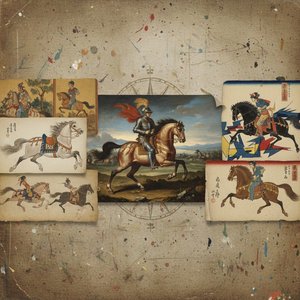
The Noble Steed on Canvas: A Historical & Artistic Exploration of Horse Painting Across Cultures
Explore the rich history of horse painting! Discover masterpieces from Stubbs to Munnings & learn about symbolism, techniques & artists. Find museum-quality reproductions at OriginalUniqueArt.
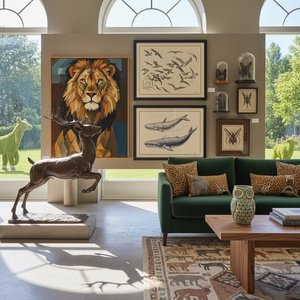
Animalia: Esplorando la Presenza Duratura degli Animali nell'Arte e nel Design d'Interni
Esplora il ruolo affascinante degli animali nell'arte e nel design d'interni. Scopri simbolismi nascosti, capolavori iconici e come portare la bellezza della fauna nella tua casa con .
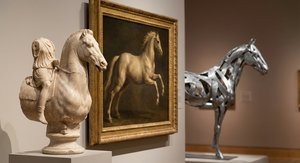
The Noble Steed: A Historical and Artistic Exploration of Horses in Fine Art
Explore the rich history of horses in fine art! From ancient depictions to Renaissance masterpieces & beyond, discover iconic artworks and artists. Learn about symbolism, techniques, and find museum-quality reproductions at OriginalUniqueArt.

The Equine Muse: A Historical & Artistic Exploration of Horses in Painting
Explore the captivating history of horses in painting! Discover Renaissance masterpieces, Baroque grandeur & expert insights for collecting equestrian art. Learn about symbolism, techniques & lasting value with OriginalUniqueArt.

Sir Edwin Landseer: Sentiment, Society & the Victorian Animalier Tradition
Explore the life & art of Sir Edwin Landseer, Victorian Britain's foremost animal painter. Discover his iconic works, societal impact, and collecting guide at OriginalUniqueArt.


