Anteprima in scala reale
 Condividi
 Condividi
 Dettagli

 Scarica immagine
 Articoli simili
 Radiografia
 Slideshow
Il Pastore Parigi
 Acrilico su tela
- Opere da parete
- Baroque Classicismo
 1628
1628 96.0 x 84.0 cm
 The Wallace Collection
 Leggi tutto
Giclée / Stampe d'arte
Stampa giclée o su tela di qualità museale, con produzione rapida e diverse opzioni di finitura. ( Passa alla versione dipinta a mano Passa all'immagine)




P118B $10

P118H $10

P118W $10

P438Z $10

P508JH $12

P508YH $12

P805H $10

P805Z $10

P919BZ $10

P919G $10

P919XJ $10

P959ZH $10

P968JZ $12

W106C $8

W218G $10

W218JH $8

W218Y $10

W307PJ $10

W316G $10

W316PJ $8

W316Y $10

W398PJ $8

W4111J $10

W500HY $15

W500JH $15

W692G $12

W849H $8

W940BG $15

W953PJ $8




Scegli tra le nostre dimensioni predefinite, che rispettano le proporzioni originali dell'opera d'arte.

È possibile inserire dimensioni personalizzate per adattare l'opera a una cornice o a uno spazio specifico. Se la dimensione selezionata non corrisponde alle proporzioni dell'immagine originale, procederemo al ritaglio dell'opera o all'estensione dell'immagine con un bordo specchiato o a tinta unita. Un mockup digitale ti verrà inviato per approvazione prima dell'inizio della produzione.
Si prega di notare che l'anteprima a schermo non riflette il ritaglio o l'estensione effettivi. Solo il mockup mostrerà accuratamente la composizione finale.
Sebbene siano disponibili dimensioni personalizzate, si raccomanda di selezionare una dimensione dall'elenco predefinito per preservare le proporzioni originali.
Consegna in tutto il mondo () in 2 settimane invece delle normali 4/5 settimane. (11 Agosto)

Spedizione espressa gratuita in tutto il mondo

Tela in lino di alta qualità

Assicurazione completa sulla spedizione

Garanzia di rimborso dei dazi doganali

Garanzia di fedeltà cromatica dell'originale

Politica di reso entro 60 giorni (solo per difetti di fabbricazione)

Garanzia di rimborso al 100%

Sconto per acquisti multipli
 L'opzione vetro è disponibile solo per dimensioni inferiori a 110 cm

Il Pastore Parigi
Giclée / Stampe d'arte
Dimensioni della riproduzione
-


Prezzo totale
$ 81
Descrizione del pezzo
Il Pastore Parigi di Anthony Van Dyck
Questo dipinto, "Il Pastore Parigi" di Anthony van Dyck, è un'opera d'arte affascinante che celebra l'abilità dell'artista nel catturare l'essenza dei suoi soggetti. Creato nel 1628, questo olio su tela misura 96 x 84 cm e trova attualmente sede alla Wallace Collection di Londra, Regno Unito. **Composizione e Simbolismo:** L’immagine raffigura un uomo vestito con una veste blu, che tiene uno stocco e guarda direttamente lo spettatore. La corporatura muscolosa e l'elegante abbigliamento suggeriscono che possa essere posato per il ritratto. Due altre figure sono visibili sullo sfondo, indicando che questo potrebbe trattarsi di un ritratto di gruppo o familiare. Ogni elemento della composizione è studiato con cura per comunicare una specifica narrazione simbolica, ricorrendo a elementi tradizionali del Rinascimento e del Barocco per esprimere valori estetici profondi. **Luce e Tecnica:** L'uso della luce in "Il Pastore Parigi" è degno di nota. Van Dyck impiega il chiaroscuro, una tecnica che enfatizza i contrasti tra luce e oscurità per creare un senso di profondità e volume. Questo metodo era popolare durante il periodo barocco e aggiunge un effetto drammatico alla pittura. L'artista dimostra una maestria nella gestione della luce naturale e artificiale, sfruttando abilmente le ombre per modellare la figura principale e creare un ambiente ricco di atmosfera emotiva. Questa tecnica è stata ampiamente utilizzata da artisti come Rembrandt e Rubens, consolidando il suo posto nella storia dell’arte occidentale. **Contesto Storico:** Anthony Van Dyck fu un artista importante del suo tempo, noto per i suoi ritratti che catturavano l'essenza dei suoi soggetti. Il suo lavoro spesso presentava individui eleganti e raffinati, come visto in "Il Pastore Parigi". Altri lavori significativi di Van Dyck includono Marie de Raet, Philippe Le Roy e altri pezzi conservati alla Wallace Collection, testimonianza della ricchezza culturale del XVII secolo inglese. Questo artista fu influenzato dalle nuove teorie filosofiche dell'epoca, che promuovevano l’importanza dell’esperienza sensoriale e della bellezza ideale. **Rilevanza nella Storia dell'Arte:** L'importanza della luce nella pittura, come evidenziata in "Il Pastore Parigi", è un aspetto significativo della storia dell'arte. Tecniche come il chiaroscuro e lo sfumato sono state utilizzate da artisti diversi nel corso di varie epoche, dalla Rinascita al Barocco, dall’Impressionismo al Fauvismo. L'enfasi sull'espressione luministica nella pittura è stata influenzata dalle teorie filosofiche dell'epoca, che sottolineavano il ruolo della luce come elemento fondamentale per la percezione e l’esperienza umana. Questo stile artistico ha lasciato un segno indelebile nel patrimonio culturale mondiale.- Questo dipinto rappresenta una pietra miliare nella storia del ritratto barocco.
- È considerato uno dei capolavori di Anthony Van Dyck, artista simbolo dell'epoca.
- La Wallace Collection offre un’opportunità unica per ammirare questo straordinario esempio d’arte italiana.
Biografia dell'artista
A Flemish Master at the Courts of Europe
Sir Anthony van Dyck, born in Antwerp in 1599, emerged as one of the most celebrated and influential portraitists of the Baroque era. His life, though tragically cut short at just forty-two years old, was a whirlwind of artistic exploration and prestigious commissions that took him from his native Flanders to Italy and ultimately to the heart of the English court. From an early age, van Dyck displayed remarkable talent, entering Hendrick van Balen’s workshop as a young apprentice and quickly absorbing the prevailing styles of the time. However, it was his association with Peter Paul Rubens – not merely as a student but as a collaborator – that truly shaped his artistic foundation. He learned from Rubens' dynamic compositions, rich color palettes, and masterful handling of light and shadow, yet van Dyck soon began to forge his own distinct path, one characterized by an elegance and refinement that would become his signature.Italian Sojourns and the Birth of a Style
The years van Dyck spent in Italy, beginning around 1621, proved pivotal in his artistic development. He resided primarily in Genoa, where he found favor among the city’s aristocratic families. It was here that he began to cultivate the sophisticated style for which he would become renowned – a style marked by graceful poses, luxurious fabrics, and an almost palpable sense of nobility. Unlike the robust energy often found in Rubens' work, van Dyck’s Italian portraits exude a refined composure, capturing not just physical likeness but also the inner character and social standing of his sitters. During this period, he embarked on his *Iconography*, a series of meticulously rendered portrait etchings featuring prominent figures of his time – artists, scholars, and rulers alike. This project showcased his exceptional technical skill and established him as a leading printmaker. These etchings weren’t simply records; they were carefully constructed images designed to immortalize the subjects and convey their status and intellect. He experimented with new techniques and absorbed influences from Venetian masters like Titian, adapting them to his own aesthetic vision.The King's Painter: Van Dyck in England
In 1632, van Dyck received an invitation that would forever alter his career trajectory – a summons from Charles I of England to become the court painter. This appointment marked a turning point, not only for van Dyck but also for English portraiture. He arrived in London with a considerable reputation and quickly became indispensable to the king, tasked with creating images that projected an aura of power, majesty, and divine right. Van Dyck’s portraits of Charles I are particularly noteworthy; he moved away from the stiff, formal representations favored by earlier artists, instead portraying the king as a dynamic, charismatic leader. He employed innovative techniques – dramatic lighting, sweeping gestures, and carefully chosen backgrounds – to create images that were both visually stunning and politically charged. His influence extended beyond the royal family, shaping the visual culture of the English aristocracy for generations to come. He revolutionized portrait painting by prioritizing psychological insight alongside physical accuracy, establishing a new standard for artistic excellence.Legacy and Enduring Influence
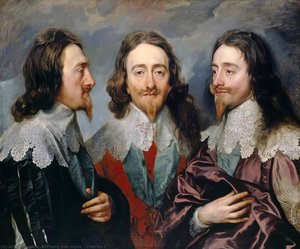
Van Dyck's untimely death in 1641 robbed the art world of a prodigious talent, but his legacy endures to this day. His impact on English portraiture is immeasurable; he established a standard of elegance and sophistication that subsequent artists would strive to emulate. He was recognized as one of the foremost painters of his time, celebrated for his mastery of technique and his ability to convey emotion through visual representation. His works continue to captivate audiences with their beauty, elegance, and enduring psychological depth. The Balbi Children, Charles I in Three Positions, and countless other masterpieces stand as testaments to his genius, ensuring that Sir Anthony van Dyck remains one of the most celebrated artists of the Baroque period. His influence can still be seen today in fashion, photography, and contemporary portraiture, a testament to the timeless appeal of his art.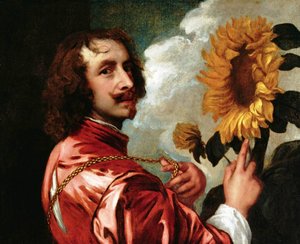
Sir Anthony van Dyck
1599 - 1641 , Belgio
Informazioni rapide
- Artistic Movement Or Style: Baroque
- Artists Who Influenced This Artist: ['Peter Paul Rubens']
- Date Of Birth: March 22, 1599
- Full Name: Sir Anthony van Dyck
- Nationality: Flemish
- Notable Artworks:
- Portrait of a Woman
- Charles I in Three Positions
- Place Of Birth: Antwerp, Belgium
Articoli correlati
Sir Anthony van Dyck: Ritratto di Corte e Formazione dell'Identità Barocca
Esplora l'arte di Anthony van Dyck, il maestro del ritratto barocco. Analisi approfondita delle sue opere italiane e inglesi, l'influenza di Tiziano e la sua eredità nella storia dell'arte. Scopri i segreti della pittura di corte.
Van Gogh: Le 25 Opere Più Iconiche per Amare l'Arte e Arredare con Stile
Esplora le 25 opere più iconiche di Van Gogh: dai Girasoli alla Notte Stellata. Scopri la storia, lo stile e i colori che hanno reso Vincent van Gogh un maestro dell'arte moderna. Trova riproduzioni di alta qualità su OriginalUniqueArt.com.

Rembrandt van Rijn: I 25 Capolavori Immortali da Ammirare | OriginalUniqueArt
Esplora i 25 capolavori di Rembrandt van Rijn, da 'La Ronda di Notte' ai suoi intensi autoritratti. Scopri la storia, le tecniche e l'arte barocca del maestro olandese. Riproduzioni di alta qualità su OriginalUniqueArt.com.
The Grandeur of Baroque Portraiture: Power, Emotion & Artistic Innovation
Explore the grandeur of Baroque portraiture! Discover Rubens, Van Dyck & the masters of 17th-century art. Uncover symbolism, techniques & lasting influence. Expert insights for collectors and enthusiasts.
Baroque Classicism: Reconciling Drama & Order in 17th-Century Art
Explore the captivating world of Baroque Classicism! Discover its history, key artists like Caravaggio & Rubens, and defining characteristics. Expert insights & high-quality reproductions at OriginalUniqueArt.