Menu

() ·

A painting made for you, by hand

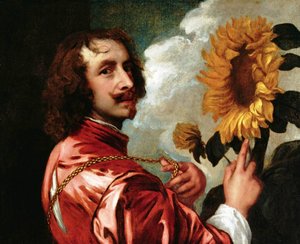
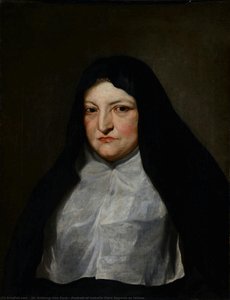
Autoritratto

Riproduzione a olio fatta a mano

Olio su tela dipinto a mano nelle tue dimensioni e con la tua cornice, realizzato su ordinazione dai nostri artisti. ( Passa alle stampe Passa all'immagine digitale)

Descrizione del reperto

Ammira l'«Autoritratto» di Sir Anthony van Dyck, un affascinante capolavoro barocco che mostra la sua eleganza e maestria. Esplora la vita e l'arte del pittore di corte fiammingo su OriginalUniqueArt.com.

Biografia dell'artista

Sir Anthony van Dyck (1599-1641): ritrattista fiammingo di spicco, celebre per i suoi eleganti ritratti dell'aristocrazia europea e della corte inglese. Maestro del Barocco, influenzò profondamente l'arte inglese con opere iconiche come 'Charles I in Tre Posizioni'.

from ·

Chapter 1

How large should it be?

Slide to change the size; the picture on the left shows the frame at its real width. The proportions of the original are kept.

Formato standard
su misura
CM
INCH

Scegli tra le nostre dimensioni predefinite, che rispettano le proporzioni originali dell'opera d'arte.

larghezza
altezza

Inserisci la larghezza e l'altezza desiderate, per adattarle alla tua cornice o alla tua parete. Trattandosi di un'opera dipinta a mano, in caso di dimensioni con un formato differente, l'artista può estendere leggermente il dipinto oltre i bordi dell'immagine o ritagliare una piccola parte — la scelta spetta a te. Ti invieremo un mockup digitale da approvare prima che la realizzazione abbia inizio. L'immagine mostrata in questa pagina non rappresenta il risultato finale — solo il mockup lo fa.

Chapter 2

How should it arrive?

Choose the edges of the stretched canvas

Choose your frame

Corner sample of the WhiteWrap canvas edge finish, stretched on legno massello bars
White €1
Corner sample of the BlurSideWrap canvas edge finish, stretched on legno massello bars
Blurside €1
Corner sample of the ExtendedWrap canvas edge finish, stretched on legno massello bars
Extended €1
Corner sample of the P118B picture frame: polistirene stampato, 5 cm wide and 3 cm thick
P118B €10
Corner sample of the P118H picture frame: polistirene stampato, 5 cm wide and 3 cm thick
P118H €10
Corner sample of the P118W picture frame: polistirene stampato, 5 cm wide and 3 cm thick
P118W €10
Corner sample of the P438Z picture frame: polistirene stampato, 5.5 cm wide and 3.5 cm thick
P438Z €10
Corner sample of the P508JH picture frame: polistirene stampato, 7 cm wide and 3.5 cm thick
P508JH €12
Corner sample of the P508YH picture frame: polistirene stampato, 7 cm wide and 3.5 cm thick
P508YH €12
Corner sample of the P805H picture frame: polistirene stampato, 5 cm wide and 3.5 cm thick
P805H €10
Corner sample of the P805Z picture frame: polistirene stampato, 5 cm wide and 3.5 cm thick
P805Z €10
Corner sample of the P919BZ picture frame: polistirene stampato, 7 cm wide and 3.5 cm thick
P919BZ €10
Corner sample of the P919G picture frame: polistirene stampato, 7 cm wide and 3.5 cm thick
P919G €10
Corner sample of the P919XJ picture frame: polistirene stampato, 7 cm wide and 3.5 cm thick
P919XJ €10
Corner sample of the P959ZH picture frame: polistirene stampato, 5 cm wide and 3 cm thick
P959ZH €10
Corner sample of the P968JZ picture frame: polistirene stampato, 6 cm wide and 4 cm thick
P968JZ €12
Corner sample of the W106C picture frame: legno massello, 5 cm wide and 3 cm thick
W106C €8
Corner sample of the W218G picture frame: legno massello, 5 cm wide and 3 cm thick
W218G €10
Corner sample of the W218JH picture frame: legno massello, 5 cm wide and 3 cm thick
W218JH €8
Corner sample of the W218Y picture frame: legno massello, 5 cm wide and 3 cm thick
W218Y €10
Corner sample of the W307PJ picture frame: legno massello, 6 cm wide and 3 cm thick
W307PJ €10
Corner sample of the W316G picture frame: legno massello, 6 cm wide and 3 cm thick
W316G €10
Corner sample of the W316PJ picture frame: legno massello, 6 cm wide and 3 cm thick
W316PJ €8
Corner sample of the W316Y picture frame: legno massello, 6 cm wide and 3 cm thick
W316Y €10
Corner sample of the W398PJ picture frame: legno massello, 5 cm wide and 3 cm thick
W398PJ €8
Corner sample of the W4111J picture frame: legno massello, 6.5 cm wide and 3.5 cm thick
W4111J €10
Corner sample of the W500HY picture frame: legno massello, 7 cm wide and 5 cm thick
W500HY €15
Corner sample of the W500JH picture frame: legno massello, 7 cm wide and 5 cm thick
W500JH €15
Corner sample of the W692G picture frame: legno massello, 8 cm wide and 4 cm thick
W692G €12
Corner sample of the W849H picture frame: legno massello, 5 cm wide and 3 cm thick
W849H €8
Corner sample of the W940BG picture frame: legno massello, 7.5 cm wide and 4.5 cm thick
W940BG €15
Corner sample of the W953PJ picture frame: legno massello, 6 cm wide and 3.5 cm thick
W953PJ €8
Corner sample of the H24-GOLD picture frame: legno intagliato e gessato, 10 cm wide and 6 cm thick
H24-GOLD €30
Corner sample of the H24-SILVER picture frame: legno intagliato e gessato, 10 cm wide and 6 cm thick
H24-SILVER €30
Corner sample of the H36-GOLD picture frame: legno intagliato e gessato, 15 cm wide and 6.5 cm thick
H36-GOLD €45
Corner sample of the H36-SILVER picture frame: legno intagliato e gessato, 15 cm wide and 6.5 cm thick
H36-SILVER €45
Anteprima cornice
Con cornice

Moulding: . Overall size with the frame: .

Chapter 3

Who paints it, and should anything change?

Examples of what can be changed: Replace face with customer photo; Add pet (e.g., replace cat with dog); Include hidden message in background; Change background landscape or elements.
After order, OriginalUniqueArt.com team will email client for instructions and provide a mockup preview

Consegna in tutto il mondo () in 3/4 settimane anziché nelle normali 5 settimane. (31 Ottobre). Nessun compromesso sulla qualità.

Chapter 4

The finishing touches

A nameplate, as in a museum?

Dettagli della targhetta in bronzo inciso

This elegant plaque features the artist's name and the title of the artwork, finely engraved for a timeless presentation.

It is made from bronze with a refined, elegant finish. The text is precisely laser-engraved for a sharp and permanent result. Measuring 9x2 cm, the plaque is compact yet easy to read. It's built to be durable and scratch-resistant, offering a professional, museum-quality look. Mounting is simple thanks to the included adhesive backing.

Dettagli della targhetta in acrilico trasparente

The plaque includes essential engraved details such as the artist's name, the title of the artwork, the date it was created, the type of media used-like oil on canvas or watercolor-a brief description of the piece, and a QR code that links to the complete artwork information.

It is crafted from clear acrylic, offering a sleek, modern appearance. The text is UV-engraved in black to ensure strong visual contrast. With a size of 10x15 cm, it ensures optimal readability. It comes equipped with two metal hooks for secure wall mounting. The plaque is designed to be weather-resistant, making it suitable for various environments, and it includes interactive features that work seamlessly with smartphone scanning.

Dettagli della targhetta in acrilico nero

This elegant plaque includes engraved information such as the artist's name, the title of the artwork, the date it was created, the type of media used (like oil on canvas or watercolor), a short description of the artwork, and a QR code for quick access to more information.

The plaque itself is made from refined black acrylic with a premium finish. The text is laser-engraved in white for high contrast and readability. Its size is 10x15 cm, designed to be easy to read. It comes with two metal hooks for professional mounting. The design is sleek and fits any interior style. It is also weather-resistant and durable, with built-in digital integration for mobile compatibility.

A protective varnish?

When do you need it?

Chapter 5

Your painting, as you ordered it

Autoritratto

Tecnica di riproduzione

Dimensioni riproduzione

-

Artisti di alto livello

Maggiore dettaglio, finezza e tempi di produzione dedicati

-

Cornice per riproduzione

-

-

Per opere d'arte o riproduzioni con un lato superiore a 105 cm (circa 41 pollici), la cornice verrà spedita in forma di kit smontato. Questo metodo garantisce una consegna sicura e previene danni durante il trasporto.

Montaggio professionale richiesto - non è un prodotto fai-da-te.
Il kit deve essere assemblato e la tela tesa da un esperto cornice professionista, utilizzando colla per legno (non inclusa), una pinza per tendere la tela e morsetti per mantenere i listelli in squadra durante l'asciugatura della colla. Un montaggio errato o una tensione non uniforme della tela possono danneggiare permanentemente l'opera d'arte e non sono coperti dalla nostra garanzia.

  • Tutte le barre in legno massello sono incluse, tagliate con precisione alle dimensioni corrette.

  • Da assemblare con le viti fornite e con la colla per legno per gli incastri degli angoli, che non è inclusa e dovrà essere reperita dal vostro corniceio.

  • Sono necessari strumenti professionali non inclusi: una pinza tendicanvas (tenditore) e dei morsetti per mantenere i listelli in squadra durante l'asciugatura della colla.

Importante:
Gli incastri d'angolo richiedono colla per legno, i listelli devono essere mantenuti in posizione con dei morsetti finché la colla non è completamente asciutta, e il tensionamento della tela sulla cornice assemblata richiede una pinza per tendere la tela. Nessuno di questi strumenti è incluso nel kit. Si prega di consultare un incorniciatore professionista esperto prima di ordinare questa misura.

Didascalia

-

-

Vernice protettiva

Vernice lucida (esalta i colori, protegge da luce e umidità)

-

Personalizza la mia opera

Esempi di personalizzazione: sostituire il volto con una foto del cliente; aggiungere un animale domestico (ad esempio, sostituire un gatto con un cane); inserire un messaggio nascosto nello sfondo; cambiare il paesaggio o gli elementi dello sfondo.

-

Consegna rapida

Consegna in tutto il mondo () in 3/4 settimane anziché nelle normali 5 settimane. (31 Ottobre). Nessun compromesso sulla qualità.

-

Spedizione espressa

Spedizione in tutto il mondo () in 5 settimane. (7 Novembre).

Spedizione inclusa

Prezzo finale calcolato

€ 266

Prezzo totale € 266

L'opzione vetro è disponibile solo per dimensioni inferiori a 110 cm

Included with every order

  • Spedizione espressa gratuita in tutto il mondo
  • Tela in lino di alta qualità
  • Assicurazione completa sulla spedizione
  • Garanzia di rimborso dei dazi doganali
  • Garanzia di fedeltà cromatica assoluta
  • Politica di reso entro 100 giorni (solo per difetti di fabbricazione)
  • Garanzia di rimborso al 100%
  • Offerta per acquisti multipli

Un Ritratto di Potere e Grazia: L'Autoritratto di Sir Anthony van Dyck

L'autoritratto del 1632 di Sir Anthony van Dyck offre uno sguardo intimo nella mente di uno dei ritrattisti più celebri dell'era barocca. Più che una semplice somiglianza, questo dipinto è una dichiarazione accuratamente costruita sull'identità artistica, l'ambizione e la crescente fiducia di una stella nascente. Con le sue modeste dimensioni di 79 x 62 cm, appare ingannevolmente ricco di dettagli: una testimonianza della tecnica meticolosa di van Dyck e della sua profonda comprensito della forma umana e dell'espressione. Lo sfondo sfocato attira immediatamente l'occhio verso la figura centrale, enfatizzando la sua presenza e invitandoci in un momento privato.

Van Dyck, nato ad Anversa nel 1599, ascendette rapidamente tra i ranghi dell'arte fiamminga, iniziando il suo apprendistato sotto Hendrick van Balen prima di trovare la propria vera voce sotto la tutela di Peter Paul Rubens. Questo periodo formativo instillò in lui un profondo apprezzamento per la composizione dinamica, le tavolozze di colori vibranti e l'uso magistrale della luce, elementi che sarebbero diventati i tratti distintivi del suo stile unico. Tuttavia, a differenza della grandiosità spesso teatrale di Rubens, Van Dyck coltivò un'eleganza e un raffinamento, una sottile sofisticatezza che lo stabilì rapidamente come il principale pittore di corte in Inghilterra.

L'Anatomia della Fiducia: Stile e Tecnica

Dipinto durante un periodo cruciale della sua carriera – poco prima di assicurarsi la posizione alla corte di Carlo I – questo autoritratto rivela molto sull'approccio artistico di Van Dyck. Si noti la rappresentazione straordinariamente realistica dei suoi lineamenti, ottenuta attraverso un'osservazione attenta e una comprensione dell'anatomia derivata da studi approfonditi. La testa leggermente girata, con il suo sguardo diretto verso lo spettatore, trasmette un senso di tranquilla autorità e coinvolgimento. La sua barba meticolosamente resa, una moda dell'epoca, contribuisce alla compostezza dignitosa dell'immagine.

La maestria di Van Dyck risiede non solo nella sua capacità di catturare la somiglianza, ma anche nella sua abile manipolazione di luce e ombra. L'illuminazione morbida e diffusa crea un senso di profondità e volume, mettendo in risalto i contorni del volto e dell'abbigliamento. Le sottili gradazioni tonali – dalle ombre scure sotto il mento ai punti di luce sulla fronte – contribuiscono significativamente all'atmosfera generale di serenità e sicurezza di sé del dipinto. Egli impiegò una tecnica nota come sfumato, mutuata da Leonardo da Vinci, creando contorni nebbiosi che ammorbidiscono i bordi e aggiungono una qualità eterea.

Simbolismo e Contesto: Un Ritrattista Reale

La camicia nera indossata da Van Dyck è significativa; era il colore di scelta per i pittori di corte dell'epoca, a indicare il loro status e il legame con la regalità. La corda intorno al suo collo, un dettaglio apparentemente semplice, potrebbe essere interpretata come un sottile riferimento alla mortalità – un toccante promemoria della fugace esistenza dell'artista. È anche possibile che rappresenti i pesi e le responsabilità associati alla sua prestigiosa posizione.

Questo autoritratto fu creato durante un periodo di immensi cambiamenti artistici e politici in Inghilterra. Carlo I, che commissionò molti dei ritratti di Van Dyck, cercava di proiettare un'immagine di forza e stabilità – qualità riflesse nella rappresentazione accuratamente elaborata dell'artista di se stesso. Il successo di Van Dyck alla corte consolidò la sua reputazione come figura di spicco nell'arte inglese, influenzando generazioni di ritrattisti a venire. Il dipinto si erge come un potente simbolo di ambizione artistica, identità personale e l'eredità duratura di uno dei più grandi talenti dell'era barocca.

Portare la Visione di Van Dyck a Casa: Una Riproduzione Dipinta a Mano

OriginalUniqueArt offre squisite riproduzioni dipinte a mano dell'“Autoritratto” di Sir Anthony van Dyck. Ogni riproduzione è meticolosamente realizzata da artisti esperti che hanno studiato con dedizione l'originale, garantendo un livello di accuratezza e dettaglio senza pari. A differenza delle stampe digitali, le nostre riproduzioni dipinte a mano catturano le sfumature della tecnica di Van Dyck: le sottili gradazioni di luce, le delicate pennellate e l'atmosfera complessiva di eleganza e grazia. Che siate collezionisti esperti o semplicemente alla ricerca di un tocco di sofisticatezza barocca per il vostro arredamento, una riproduzione OriginalUniqueArt di questo ritratto iconico è un investimento in bellezza senza tempo ed eccellenza artistica.

Esplora tutti i dettagli dell'opera e ordina oggi la tua riproduzione dipinta a mano: Clicca Qui

Domande e risposte

Chi è l'autore di "Autoritratto" e a quale movimento appartiene?

Sir Anthony van Dyck ha creato "Autoritratto" all'interno del movimento Ritrattistica Barocca.

Qual è il soggetto di "Autoritratto"?

"Autoritratto" di Sir Anthony van Dyck raffigura: ritrattistica, barocco, arte olandese, van dyck, inghilterra, nobile, corda, mistero.

Dove dovrebbe essere appesa una riproduzione di "Autoritratto" di Sir Anthony van Dyck?

Con il suo formato Orientamento verticale, una riproduzione di "Autoritratto" è ideale per un Zona living.

More about this painting

Anteprima in scala reale Anteprima in AR Passa alle stampe Passa all'immagine digitale Invia
Dettagli opera Guida Aggiungi ai preferiti Scarica Simili Radiografia Slideshow Q&A Statistiche

In numbers

  • 1632the year it was painted
  • 29frames to choose from
  • standard sizes, in its own proportions
  • 5weeks to paint and deliver it
Sir Anthony van Dyck

Sir Anthony van Dyck

1599 - 1641, Belgio

Quick facts about Sir Anthony van Dyck

  • Artistic Movement Or Style: Baroque
  • Artists Who Influenced This Artist: ['Peter Paul Rubens']
  • Date Of Birth: March 22, 1599
  • Full Name: Sir Anthony van Dyck
  • Nationality: Flemish
  • Notable Artworks:
    • Portrait of a Woman
    • Charles I in Three Positions
  • Place Of Birth: Antwerp, Belgium

Biografia dell'artista

A Flemish Master at the Courts of Europe

Sir Anthony van Dyck, born in Antwerp in 1599, emerged as one of the most celebrated and influential portraitists of the Baroque era. His life, though tragically cut short at just forty-two years old, was a whirlwind of artistic exploration and prestigious commissions that took him from his native Flanders to Italy and ultimately to the heart of the English court. From an early age, van Dyck displayed remarkable talent, entering Hendrick van Balen’s workshop as a young apprentice and quickly absorbing the prevailing styles of the time. However, it was his association with Peter Paul Rubens – not merely as a student but as a collaborator – that truly shaped his artistic foundation. He learned from Rubens' dynamic compositions, rich color palettes, and masterful handling of light and shadow, yet van Dyck soon began to forge his own distinct path, one characterized by an elegance and refinement that would become his signature.

Italian Sojourns and the Birth of a Style

The years van Dyck spent in Italy, beginning around 1621, proved pivotal in his artistic development. He resided primarily in Genoa, where he found favor among the city’s aristocratic families. It was here that he began to cultivate the sophisticated style for which he would become renowned – a style marked by graceful poses, luxurious fabrics, and an almost palpable sense of nobility. Unlike the robust energy often found in Rubens' work, van Dyck’s Italian portraits exude a refined composure, capturing not just physical likeness but also the inner character and social standing of his sitters. During this period, he embarked on his *Iconography*, a series of meticulously rendered portrait etchings featuring prominent figures of his time – artists, scholars, and rulers alike. This project showcased his exceptional technical skill and established him as a leading printmaker. These etchings weren’t simply records; they were carefully constructed images designed to immortalize the subjects and convey their status and intellect. He experimented with new techniques and absorbed influences from Venetian masters like Titian, adapting them to his own aesthetic vision.

The King's Painter: Van Dyck in England

In 1632, van Dyck received an invitation that would forever alter his career trajectory – a summons from Charles I of England to become the court painter. This appointment marked a turning point, not only for van Dyck but also for English portraiture. He arrived in London with a considerable reputation and quickly became indispensable to the king, tasked with creating images that projected an aura of power, majesty, and divine right. Van Dyck’s portraits of Charles I are particularly noteworthy; he moved away from the stiff, formal representations favored by earlier artists, instead portraying the king as a dynamic, charismatic leader. He employed innovative techniques – dramatic lighting, sweeping gestures, and carefully chosen backgrounds – to create images that were both visually stunning and politically charged. His influence extended beyond the royal family, shaping the visual culture of the English aristocracy for generations to come. He revolutionized portrait painting by prioritizing psychological insight alongside physical accuracy, establishing a new standard for artistic excellence.

Legacy and Enduring Influence

Van Dyck's untimely death in 1641 robbed the art world of a prodigious talent, but his legacy endures to this day. His impact on English portraiture is immeasurable; he established a standard of elegance and sophistication that subsequent artists would strive to emulate. He was recognized as one of the foremost painters of his time, celebrated for his mastery of technique and his ability to convey emotion through visual representation. His works continue to captivate audiences with their beauty, elegance, and enduring psychological depth. The Balbi Children, Charles I in Three Positions, and countless other masterpieces stand as testaments to his genius, ensuring that Sir Anthony van Dyck remains one of the most celebrated artists of the Baroque period. His influence can still be seen today in fashion, photography, and contemporary portraiture, a testament to the timeless appeal of his art.

Informazioni rapide

  • Influenze:
    • Rubens
    • Hilliard
  • Tecnica: Olio su tavola
  • Artista: Sir Anthony van Dyck
  • Movimento: Barocco
  • Titolo: Autoritratto
  • Elementi o tecniche degni di nota: Illuminazione drammatica, realismo

Quiz d'arte

Per ogni domanda è presente una sola risposta corretta.

Domanda 1:
Qual è il soggetto principale dell’‘Autoritratto’ di Sir Anthony van Dyck?
Domanda 2:
In quale anno è stato dipinto l’‘Autoritratto’ di Sir Anthony van Dyck?
Domanda 3:
Qual è lo scopo dello sfondo sfocato nell’‘Autoritratto’?
Domanda 4:
Sir Anthony van Dyck è noto soprattutto per le sue opere realizzate in quale periodo?
Domanda 5:
Quale stile artistico è più strettamente associato all'opera di Sir Anthony van Dyck?