
 Anteprima in scala reale
 Condividi
 Condividi
 Dettagli

 Scarica immagine
 Articoli simili
 Radiografia
 Slideshow
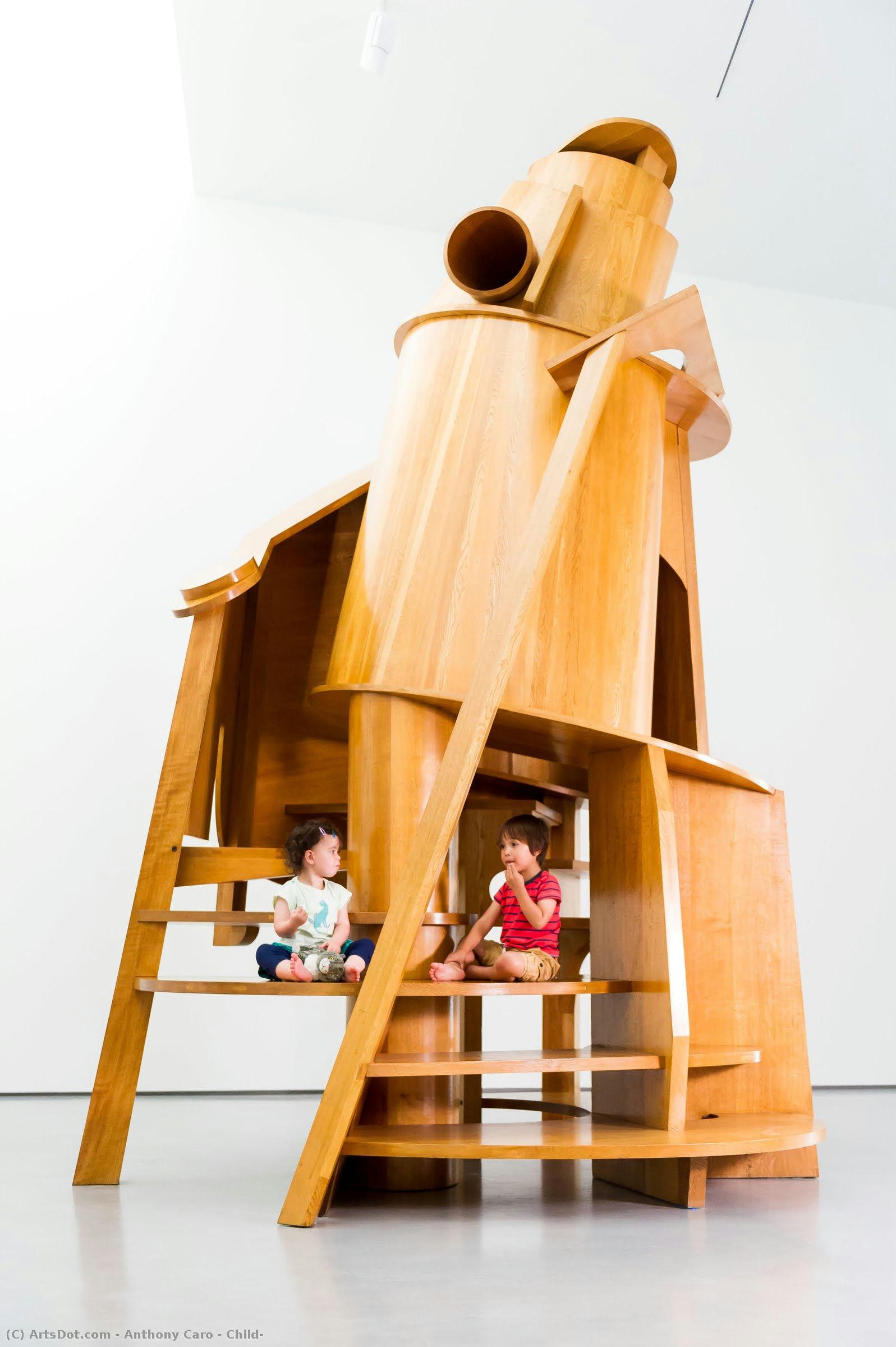
Child
 Contemporary Sculpture
 274.0 x 381.0 cm
 The Hepworth Wakefield
 Leggi tutto
Riproduzione a olio fatta a mano
Olio su tela dipinto a mano nelle tue dimensioni e con la tua cornice, realizzato su ordinazione dai nostri artisti. ( Ordina stampa Acquista download)




P118B $10

P118H $10

P118W $10

P438Z $10

P508JH $12

P508YH $12

P805H $10

P805Z $10

P919BZ $10

P919G $10

P919XJ $10

P959ZH $10

P968JZ $12

W106C $8

W218G $10

W218JH $8

W218Y $10

W307PJ $10

W316G $10

W316PJ $8

W316Y $10

W398PJ $8

W4111J $10

W500HY $15

W500JH $15

W692G $12

W849H $8

W940BG $15

W953PJ $8




Scegli tra le nostre dimensioni predefinite, che rispettano le proporzioni originali dell'opera d'arte.

È possibile inserire dimensioni personalizzate per adattare l'opera a una cornice o a uno spazio specifico. Se la dimensione selezionata non corrisponde alle proporzioni dell'immagine originale, provvederemo a ritagliare l'opera o a estendere il dipinto con elementi aggiuntivi dipinti a mano. Un mockup digitale ti sarà inviato per approvazione prima dell'inizio della produzione.
Si prega di notare che l'anteprima a schermo non riflette il ritaglio o l'estensione effettivi. Solo il mockup mostrerà accuratamente la composizione finale.
Sebbene siano disponibili dimensioni personalizzate, consigliamo di selezionare una dimensione dall'elenco predefinito per preservare le proporzioni originali.
Dopo l'ordine, il team di OriginalUniqueArt.com contatterà il cliente via e-mail per le istruzioni e fornirà un'anteprima del mockup
Consegna in tutto il mondo () in 3/4 settimane anziché nelle normali 5 settimane. (21 Agosto). Nessun compromesso sulla qualità.

Spedizione espressa gratuita in tutto il mondo

Tela in lino di alta qualità

Assicurazione completa sulla spedizione

Garanzia di rimborso dei dazi doganali

Garanzia di fedeltà cromatica dell'originale

Politica di reso entro 60 giorni (solo per difetti di fabbricazione)

Garanzia di rimborso al 100%

Sconto per acquisti multipli
 L'opzione vetro è disponibile solo per dimensioni inferiori a 110 cm

Child
Tecnica di riproduzione
Dimensioni della riproduzione
-


Prezzo totale
$ 325
Descrizione dell'opera
A Monumental Embrace: Exploring ‘Child’ by Sir Anthony Caro
Sir Anthony Caro's “Child,” a monumental wooden sculpture measuring an impressive 274 x 381 cm, stands as a powerful meditation on childhood, architecture, and the very essence of human experience. Created in 1960, this work transcends mere representation, offering instead a deeply felt evocation of play, wonder, and the enduring spirit of youth. Situated within the starkly modern setting of a gallery space dominated by polished concrete floors – a deliberate contrast that amplifies the sculpture’s inherent drama – “Child” immediately commands attention with its scale and intricate construction.
The sculpture itself is a masterful assemblage of warm-toned wood, meticulously layered and geometrically arranged to create a towering vertical form. Two diminutive figures are nestled within this expansive structure, suggesting an intimate space for imaginative play. The deliberate use of interlocking platforms, ramps, and enclosed areas invites interaction, prompting viewers to consider the sculpture as more than just an object – it’s a constructed environment designed to be explored and inhabited. Caro's genius lies in his ability to transform industrial materials into objects of profound beauty and emotional resonance; here, he employs wood, a material traditionally associated with domesticity and nurturing, to create something both monumental and profoundly human.
The Seeds of Abstraction: Influences and Artistic Evolution
Caro’s journey as an artist was marked by a radical transformation in his approach. Initially influenced by the pioneering work of Henry Moore – particularly Moore's exploration of organic forms and psychological depth – Caro embarked on a path that ultimately led him away from figurative representation. A pivotal moment arrived in 1959 with a scholarship to the United States, an experience that fundamentally reshaped his artistic vision. Immersed in the vibrant energy of American Abstract Expressionism, he encountered artists like David Smith, whose dynamic sculptures utilizing industrial materials ignited a revolutionary shift within Caro’s own practice.
Smith's emphasis on embracing the inherent qualities of raw materials – steel, welding techniques, and the juxtaposition of geometric forms – profoundly impacted Caro. He began to dismantle his earlier focus on detailed human figures, instead prioritizing the exploration of form, space, and material itself. This move away from traditional representation was not a rejection of art but rather an evolution towards a more direct and visceral expression of ideas.
A Dialogue Between Scale and Intimacy
The sheer scale of “Child” is immediately arresting, creating a sense of both awe and vulnerability. The towering vertical form dwarfs the two small figures nestled within its structure, highlighting the contrast between the monumental and the intimate. This deliberate juxtaposition speaks to the inherent tension between childhood dreams and adult realities – the boundless possibilities of imagination versus the constraints of experience. The sculpture’s placement within a minimalist gallery space further emphasizes this dynamic, creating a visual dialogue between the organic forms of Caro's creation and the stark geometry of its surroundings.
Furthermore, the open-ended nature of the structure encourages interaction. Viewers are invited to approach the sculpture from all angles, stepping into the enclosed spaces and experiencing it as a living, breathing environment. This participatory element transforms “Child” from a static object into a dynamic space for contemplation and imaginative play – a testament to Caro’s belief that art should engage with its audience on a deeply emotional level.
Symbolism and Emotional Resonance
Beyond its formal qualities, “Child” is rich in symbolic meaning. The sculpture can be interpreted as an exploration of the human condition, capturing the essence of childhood innocence, curiosity, and wonder. The enclosed spaces evoke a sense of security and refuge, while the towering form suggests both protection and aspiration. Caro’s masterful use of wood – a material associated with warmth, nurturing, and domesticity – further reinforces this emotional resonance.
Ultimately, “Child” is not simply a depiction of children playing; it's an embodiment of the spirit of childhood itself—a celebration of imagination, exploration, and the enduring power of human connection. It’s a work that invites viewers to reconnect with their own inner child, prompting reflection on the joys and challenges of growing up and the importance of preserving the wonder and innocence of youth.
Biografia dell'artista
Sir Anthony Caro: Un pioniere della scultura moderna
Primi anni di vita e istruzione
- Nato il: 8 marzo 1924, a New Malden, Surrey, Inghilterra.
- Origini familiari: Caro era il più giovane di tre figli in una famiglia ebraica.
- Istruzione: Ha frequentato Charterhouse School, dove è stato introdotto alla scultura dal suo insegnante di casa e Charles Wheeler. Ulteriori studi includono Farnham School of Art, Christ's College Cambridge (laurea in Ingegneria), Regent Street Polytechnic e le Royal Academy Schools (1947-1952).
Sviluppo artistico e influenze
- Influenze iniziali: Inizialmente influenzato da Henry Moore, con cui ha lavorato come assistente in studio dal 1951 al 1953. Questa precoce associazione gli ha instillato un apprezzamento per la scultura moderna.
- Punto di svolta: Una borsa di studio della Ford Foundation del 1959 lo ha portato a un viaggio trasformativo negli Stati Uniti, dove ha incontrato l'arte astratta americana e figure chiave come Clement Greenberg, Kenneth Noland e David Smith. L'opera di David Smith è stata particolarmente influente.
- Cambiamento nello stile: Ispirato dalle sue esperienze in America, Caro ha abbandonato la scultura figurativa e ha iniziato a creare assemblaggi astratti utilizzando acciaio saldato e oggetti industriali trovati.
Caratteristiche chiave e stile
- Assemblaggio & Materiali: Caro è rinomato per il suo uso innovativo dei materiali – spesso componenti ‘trovati’ o industriali come I-beam, lastre di acciaio e rete.
- Rimozione del plinto: Una caratteristica distintiva della sua opera è la rimozione delle sculture dai loro tradizionali plinti, consentendo ai visitatori di interagire con loro direttamente sul pavimento e di sperimentarle in modo più immersivo. Ciò ha sfidato la presentazione convenzionale della scultura.
- Forme astratte & Esplorazione dello spazio: Le sue sculture sono caratterizzate da forme astratte dinamiche che esplorano le relazioni spaziali e creano un senso di apertura e movimento.
Opere notevoli ed esposizioni
- Twenty Four Hours (1960): Un esempio precoce delle sue sculture in acciaio astratte, ora nella collezione del Tate Britain.
- Leaf Pool (1967): Esposta a Paintings in Hospitals, che dimostra il suo stile unico e il suo approccio alla forma.
- After Olympia (1982-87): Un'opera narrativa su larga scala ispirata al Tempio di Zeus ad Olimpia, che mette in mostra la sua capacità di creare opere monumentali con narrative complesse.
- Esposizioni: Caro ha esposto ampiamente in tutto il mondo, tra cui mostre personali a Milano e New York, e ha partecipato a importanti mostre di gruppo.
Premi e eredità
- Ordine dell'Impero Britannico (CBE): Concesso per i suoi servizi all'arte.
- Triangle Arts Trust: Ha co-fondato il Triangle Arts Trust nel 1982, fornendo uno spazio per artisti per collaborare e sperimentare.
- Significato storico: Caro è considerato uno dei più importanti scultori britannici della sua generazione. Il suo lavoro ha rivoluzionato la scultura sfidando le convenzioni tradizionali ed esplorando nuovi materiali e forme. Ha profondamente influenzato le generazioni successive di scultori e continua a ispirare gli artisti oggi.
Movimenti artistici
- Modernismo: Un'influenza fondamentale, rompendo con le norme artistiche tradizionali.
- Astrattismo Espressionista: Ha influenzato il suo passaggio all'astrazione e all'enfasi sulla forma e sul materiale.
- Neoclassicismo: Lavori successivi hanno mostrato influenze degli stili classici greco-romani, in particolare nelle opere narrative come 'After Olympia'.

sir anthony alfred caro
1924 - 2013 , United Kingdom
Informazioni rapide
- Artistic Movement Or Style: Modernismo
- Artists Who Influenced This Artist:
- Henry Moore
- David Smith
- Date Of Birth: 8 marzo 1924
- Date Of Death: 23 ottobre 2013
- Full Name: Sir Anthony Alfred Caro
- Nationality: Britannico
- Notable Artworks:
- Dopo Olympia
- Ventiquattro Ore
- Place Of Birth: New Malden, Regno Unito
Articoli correlati

I 10 Capolavori Bronzei che Hanno Rivoluzionato la Storia dell'Arte | OriginalUniqueArt
Esplora i 10 capolavori bronzei che hanno segnato la storia dell'arte! Da Rodin a Michelangelo, scopri le storie e le tecniche dietro queste sculture iconiche. Trova riproduzioni d'arte di alta qualità per decorare la tua casa con OriginalUniqueArt.com.

Contemporary Abstract Painting: A Professional Buyer's Guide to Modern Textures and Large-Scale Styles for Hospitality Interiors
A professional procurement guide for hotel designers and architects. Discover how to integrate large-scale contemporary abstract paintings, from geometric precision to textured impasto, into hospitality projects with custom sizing, multi-panel layouts, and reliable global logistics.

Sculpture Essentials: A Professional Guide to Materials, Techniques, and 3D Art for Large-Scale Interior Projects
A professional procurement guide for hotel designers on selecting sculpture materials and techniques. Master the integration of 3D art into hospitality spaces with expert insights on durability, scale, and large-scale project sourcing.

Contemporary Abstract Art: A Professional Buyer's Guide to Large-Scale Modern Decor for Hospitality and Corporate Interiors
A professional procurement guide for hotel designers and architects. Discover how to integrate large-scale contemporary abstract art into hospitality projects through high-volume, custom-sized oil reproductions, multi-panel layouts, and reliable global logistics.

The Enduring Form: Exploring Themes & Techniques in Sculpture Across Historical Periods
Explore the rich history of sculpture from ancient masterpieces to contemporary innovations. Discover key techniques, influential artists & investment potential for discerning art collectors.


