Anteprima in scala reale
 Condividi
 Condividi
 Dettagli
 Guida stampabile

 Scarica
 Articoli simili
 Radiografia
 Slideshow
 Statistiche
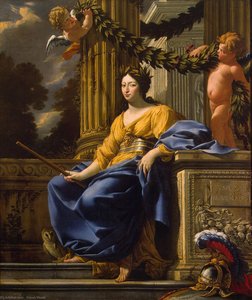
Heavenly Charity
 Acrilico su tela
- Opere da parete
- Baroque
 1640
1640 192.0 x 132.0 cm
 Musée du Louvre
 Leggi tutto
Giclée / Stampe d'arte
Stampa giclée o su tela di qualità museale, con produzione rapida e diverse opzioni di finitura. ( Ordina la riproduzione dipinta a mano Passa all'immagine digitale)




P118B €10

P118H €10

P118W €10

P438Z €10

P508JH €12

P508YH €12

P805H €10

P805Z €10

P919BZ €10

P919G €10

P919XJ €10

P959ZH €10

P968JZ €12

W106C €8

W218G €10

W218JH €8

W218Y €10

W307PJ €10

W316G €10

W316PJ €8

W316Y €10

W398PJ €8

W4111J €10

W500HY €15

W500JH €15

W692G €12

W849H €8

W940BG €15

W953PJ €8




Scegli tra le nostre dimensioni predefinite, che rispettano le proporzioni originali dell'opera d'arte.

Inserisci la larghezza e l'altezza desiderate, per adattarle alla tua cornice o alla tua parete. Una stampa può essere solo ritagliata, mai resa più grande dell'immagine originale; pertanto, un formato con una forma differente comporterà la perdita di una parte dell'opera. Ti invieremo un mockup digitale da approvare prima di procedere con la stampa. L'immagine mostrata in questa pagina non rappresenta il ritaglio reale — solo il mockup lo mostra.
Consegna in tutto il mondo () in 2 settimane invece delle normali 4/5 settimane. (21 Ottobre)

Spedizione espressa gratuita in tutto il mondo

Tela in lino di alta qualità

Assicurazione completa sulla spedizione

Garanzia di rimborso dei dazi doganali

Garanzia di perfetta fedeltà cromatica

Politica di reso entro 100 giorni (solo per difetti di fabbricazione)

Garanzia di rimborso al 100%

Sconto per acquisti multipli
 L'opzione vetro è disponibile solo per dimensioni inferiori a 110 cm

Heavenly Charity
Giclée / Stampe d'arte
Dimensioni della riproduzione
-


Prezzo totale
€ 70
A Beacon of Baroque Virtue: Simon Vouet’s Heavenly Charity
Simon Vouet's "Heavenly Charity," completed around 1640, stands as a cornerstone of French Baroque painting—a testament to Louis XIII’s patronage and the burgeoning influence of Italian artistic ideals. More than just a portrait, it’s an elaborate allegory designed to convey profound spiritual truths, skillfully executed by Vouet's studio in Paris. This magnificent canvas captures a woman bathed in golden light, embodying Christian compassion amidst a serene landscape—a scene brimming with symbolic resonance that continues to captivate viewers today.The Artist and His Context
Born in 1590, Simon Vouet emerged from a family steeped in artistic tradition – his father Laurent was a painter himself, establishing Vouet’s early exposure to the visual arts. Recognizing his prodigious talent, Vouet embarked on an ambitious journey to Rome at the age of twenty-two, immersing himself in the vibrant atmosphere of the papal court and absorbing the stylistic innovations championed by artists like Caravaggio and Guido Reni. This formative experience profoundly shaped Vouet's artistic vision, propelling him toward a style characterized by dramatic chiaroscuro—the masterful interplay of light and shadow—and an unwavering commitment to realism infused with idealized beauty. Returning to Paris in 1635, Vouet swiftly ascended to prominence as Louis XIII’s premier painter, overseeing monumental decorative schemes for the royal palace and securing commissions that solidified his reputation as France's foremost Baroque artist.A Symphony of Symbolism: Decoding the Imagery
The painting depicts a woman seated beneath a blossoming tree—a deliberate choice reflecting biblical imagery associated with Paradise and divine grace. Her hand holds an apple and a banana, representing earthly nourishment and fulfillment alongside spiritual contemplation. The woman’s dress is adorned in rich yellow hues, symbolizing illumination and holiness – a color favored by artists during the Counter-Reformation to convey piety and virtue. Notably, a bird perched atop the tree symbolizes hope and divine providence—a subtle reminder of God's watchful care over humanity.Technique and Artistic Mastery
Vouet’s meticulous technique exemplifies the Baroque ideal of illusionistic painting. The artist employed oil paints on canvas with painstaking detail, layering translucent glazes to achieve a luminous surface that captures the subtleties of light and texture. Observe how Vouet skillfully renders the drapery—flowing and voluminous—creating an impression of movement and grandeur. Furthermore, the artist’s masterful use of chiaroscuro enhances the dramatic impact of the composition, emphasizing the woman's serene countenance and highlighting the radiant heart held aloft—a visual embodiment of compassion and divine love.Legacy and Emotional Resonance
“Heavenly Charity” transcends mere representation; it aspires to elevate the viewer spiritually. Vouet’s depiction of virtue—embodied in the woman’s posture, gaze, and attire—resonates with the moral concerns prevalent during Louis XIII's reign. The painting serves as a powerful reminder of Christian ideals – compassion, humility, and faith – inviting contemplation on themes of divine grace and human responsibility. Its enduring beauty continues to inspire artists and collectors alike, cementing Vouet’s place among the titans of French Baroque art.Domande e risposte
Quando e con quali materiali è stata realizzata "Heavenly Charity"?
"Heavenly Charity" è stata realizzata nel 1640 con la tecnica Acrilico su tela. Il materiale e la data descrivono come e quando è stata creata l'opera originale.
Dove dovrebbe essere appesa una riproduzione di "Heavenly Charity" di Simone Vouet?
Il formato (Portrait) e lo spazio consigliato (Zona giorno) sono i due dettagli di posizionamento registrati per "Heavenly Charity" di Simone Vouet.
L'opera "Heavenly Charity" si trova nel paese del suo creatore?
Sì - l'opera è conservata nel paese d'origine dell'artista. Il paese di nascita di Simone Vouet è Francia, mentre il museo che custodisce l'originale di "Heavenly Charity" si trova in Francia.
Biografia dell'artista
Simon Vouet: Un Ponte tra l'Arte Italiana e Francese
- Nato: 9 gennaio 1590, Parigi, Francia
- Morto: 30 giugno 1649, Parigi, Francia
Simon Vouet fu una figura fondamentale nella transizione della pittura francese dal Manierismo allo stile Barocco. Nato in una famiglia di artisti – suo padre Laurent era un pittore e suo fratello Aubin si dedicò anch'egli all’arte – Vouet ricevette una formazione precoce che pose le basi per il suo futuro successo. Suo nipote, Ludovico Dorigny, avrebbe continuato l'eredità artistica della famiglia.
Primi Anni e Influenze Italiane (1608-1627)
- Ritrattistica Iniziale: Vouet iniziò la sua carriera come ritrattista, dimostrando un talento precoce.
- Viaggio in Inghilterra (1608): All'età di soli 14 anni, viaggiò in Inghilterra per dipingere un ritratto su commissione, mostrando così la sua nascente reputazione.
- Impero Ottomano e Venezia: Nel 1611, Vouet si unì alla scorta del barone de Sancy, ambasciatore francese nell'Impero Ottomano, nuovamente per lavori di ritrattistica. Questo viaggio lo portò attraverso Costantinopoli e poi a Venezia nel 1612.
- Roma (1614-1627): Il suo periodo a Roma si rivelò trasformativo. Vi rimase per tredici anni, immergendosi nella vivace scena artistica del nascente periodo Barocco.
Durante il suo soggiorno italiano, Vouet assorbì una vasta gamma di influenze. Studiò le tecniche di illuminazione drammatica pioniere da Caravaggio, abbracciò elementi del Manierismo italiano e analizzò meticolosamente le palette cromatiche e la tecnica dello sotto in su (prospettiva accorciata) impiegata da Paolo Veronese. Si ispirò anche alle opere di Carracci, Guercino, Lanfranco e Guido Reni, sintetizzando questi diversi stili in una visione artistica unica.
Sviluppo dello Stile Distintivo di Vouet
- Elezione all'Accademia di San Luca (1624): Il suo successo a Roma culminò nella sua elezione a presidente della prestigiosa Accademia di San Luca, una testimonianza della sua abilità e del riconoscimento ottenuto nel mondo dell’arte italiana.
- Sintesi delle Influenze: Lo stile di Vouet fu caratterizzato dalla sua capacità di assorbire e distillare varie influenze artistiche. Non si limitò a copiare; integrò questi elementi in un'estetica Barocca distintamente italianizzante e coesa.
- Introduzione del Barocco in Francia: Al suo ritorno in Francia nel 1627, Vouet svolse un ruolo cruciale nell’introdurre lo stile Barocco italiano alla pittura francese, influenzando significativamente il panorama artistico del paese.
Realizzazioni Importanti e Eredità
- Premier Peintre du Roi: Vouet fu nominato Premier peintre du Roi (Primo Pittore del Re) – una posizione di notevole prestigio e influenza.
- Laboratorio Produttivo: Mantené un laboratorio ampio e attivo, formando numerosi artisti che avrebbero plasmato la generazione successiva di pittori francesi.
- Discepoli Notabili: Tra i suoi discepoli più influenti figurarono Charles Le Brun (che in seguito organizzò tutta la pittura decorativa a Versailles), Valentin de Boulogne, Charles Alphonse du Fresnoy, Pierre Mignard, Eustache Le Sueur e Claude Mellan.
- Influenza sull'Arte Francese: L’impatto di Vouet si estese oltre le sue opere; i suoi studenti diffusero il suo stile e le sue tecniche in tutta la Francia, stabilendo una scuola distintamente Barocca della pittura. La sua influenza è particolarmente evidente nei grandiosi schemi decorativi commissionati da Luigi XIV.
Significato Storico
L'eredità di Simon Vouet si fonda sul suo ruolo fondamentale come ponte tra l’arte italiana e quella francese. Importò con successo il dinamismo e la grandiosità del Barocco italiano, trasformandolo in uno stile che risuonava con i gusti della corte e dell'aristocrazia francese. La sua influenza è innegabile nello sviluppo della pittura francese durante il XVII secolo, e i suoi contributi continuano ad essere riconosciuti dagli storici dell’arte oggi.

Simone Vouet
1590 - 1649 , Francia
Informazioni rapide
- Artistic Movement Or Style: Barocco
- Artists Or Movements Influenced By This Artist:
- Charles Le Brun
- Valentin de Boulogne
- Pittura Barocca Francese
- Artists Who Influenced This Artist:
- Caravaggio
- Paolo Veronese
- Carracci
- Guercino
- Lanfranco
- Guido Reni
- Date Of Birth: 9 gennaio 1590
- Date Of Death: 30 giugno 1649
- Full Name: Simon Vouet
- Nationality: Francese
- Notable Artworks:
- Gaucher de Châtillon
- La Ricchezza
- Venere e Adone
- L'Apothéose di San Luigi
- Place Of Birth: Parigi, Francia
Articoli correlati
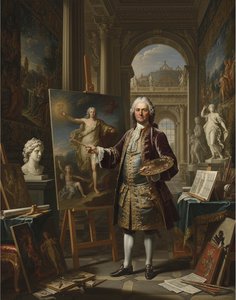
Carlo Le Brun: Maestro del Classicismo Barocco Francese e la Sua Eredità Duratura
Esplora la vita e l'opera di Carlo Le Brun, maestro del Classicismo Barocco francese. Scopri il suo ruolo a Versailles, le sue tecniche pittoriche e l'eredità duratura che ha lasciato nell'arte europea. Approfondimenti esclusivi e opere chiave.
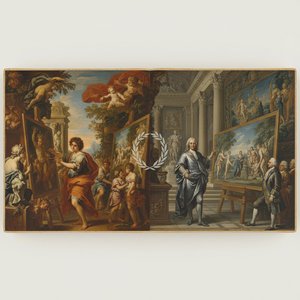
Simon Vouet: A Baroque Master's Journey from Italian Influence to French Classicism
Explore the life & art of Simon Vouet, a pivotal French Baroque painter who introduced Italian styles to France. Discover his masterpieces and lasting influence on 17th-century art.

Baroque Classicism: The Grandeur of Order and Drama in 17th-Century Art History
Explore the profound elegance of Baroque Classicism. Discover how 17th-century masters synthesized dramatic emotion with classical order through the lens of the Counter-Reformation and the works of legends like Carlo Maratta and Andrea Sacchi.

Segreti del Barocco: Luce, Dramma ed Emozione nell'Arte del XVII Secolo
Scopri i segreti del Barocco tra luce e dramma con un'analisi esperta di Caravaggio e Barocci. Immergiti nella storia dell'arte ora.

Il Dramma Barocco: Portare Splendore ed Emozione negli Interni Contemporanei
Scopri come portare il dramma e lo splendore dell'arte barocca nei tuoi interni con . Riproduzioni di alta qualità, consulenza d'arte personalizzata e ispirazione per uno stile unico.