

 Anteprima in scala reale
 Invia
Invia Condividi
 Dettagli opera
 Guida
Guida

 Scarica
 Simili
 Radiografia
 Slideshow
 Statistiche
Grass and Insects


 Espandi i dettagli
Riproduzione a olio fatta a mano
Olio su tela dipinto a mano nelle tue dimensioni e con la tua cornice, realizzato su ordinazione dai nostri artisti. ( Passa alle stampe Passa all'immagine digitale)




P118B €10

P118H €10

P118W €10

P438Z €10

P508JH €12

P508YH €12

P805H €10

P805Z €10

P919BZ €10

P919G €10

P919XJ €10

P959ZH €10

P968JZ €12

W106C €8

W218G €10

W218JH €8

W218Y €10

W307PJ €10

W316G €10

W316PJ €8

W316Y €10

W398PJ €8

W4111J €10

W500HY €15

W500JH €15

W692G €12

W849H €8

W940BG €15

W953PJ €8




Scegli tra le nostre dimensioni predefinite, che rispettano le proporzioni originali dell'opera d'arte.

Inserisci la larghezza e l'altezza desiderate, per adattarle alla tua cornice o alla tua parete. Trattandosi di un'opera dipinta a mano, in caso di dimensioni con un formato differente, l'artista può estendere leggermente il dipinto oltre i bordi dell'immagine o ritagliare una piccola parte — la scelta spetta a te. Ti invieremo un mockup digitale da approvare prima che la realizzazione abbia inizio. L'immagine mostrata in questa pagina non rappresenta il risultato finale — solo il mockup lo fa.
Dopo l'ordine, il team di OriginalUniqueArt.com contatterà il cliente via e-mail per ricevere le istruzioni e fornirà un'anteprima del mockup
Consegna in tutto il mondo () in 3/4 settimane anziché nelle normali 5 settimane. (25 Ottobre). Nessun compromesso sulla qualità.

Spedizione espressa gratuita in tutto il mondo

Tela in lino di alta qualità

Assicurazione completa sulla spedizione

Garanzia di rimborso dei dazi doganali

Garanzia di fedeltà cromatica assoluta

Politica di reso entro 100 giorni (solo per difetti di fabbricazione)

Garanzia di rimborso al 100%

Offerta per acquisti multipli
 L'opzione vetro è disponibile solo per dimensioni inferiori a 110 cm

Grass and Insects
Tecnica di riproduzione
Dimensioni riproduzione
-


Prezzo finale calcolato
€ 263
Shin Saimdang’s “Grass and Insects”: A Window into Joseon Life
“Grass and Insects,” a captivating panel from Shin Saimdang’s renowned ten-panel folding screen, offers a remarkably intimate glimpse into the world of 16th-century Korea. More than just a beautiful depiction of nature, this artwork embodies the artistic sensibilities, philosophical leanings, and profound life experiences of one of Joseon Dynasty's most celebrated female figures – Shin Saimdang herself. The piece, currently housed within the National Museum of Korea in Seoul, is not merely a painting; it’s a carefully constructed microcosm reflecting her world, her values, and her enduring legacy.
At first glance, “Grass and Insects” presents a vibrant tapestry of meticulously rendered flora and fauna. Delicate grasses sway gently, interspersed with the intricate details of wildflowers – poppies bursting with crimson, hibiscus radiating warmth, and day lilies unfolding their pristine petals. Beneath this verdant canopy, a diverse array of insects buzz and crawl: long-headed grasshoppers leap, mantises stalk their prey, dung beetles diligently roll their spheres, and dragonflies shimmer in the light. However, to reduce it simply to a naturalistic study would be a profound oversight. Shin Saimdang’s genius lies not just in her technical skill but in the subtle symbolism woven throughout the composition.
The Art of Balance: Technique and Style
Executed with the characteristic grace and precision of Korean painting, “Grass and Insects” exemplifies the meticulous brushwork and vibrant color palettes favored during the Joseon period. The artist’s use of *sumi* ink on paper creates a remarkable depth and luminosity, capturing the textures of the leaves, the shimmer of the insects' wings, and the delicate veins of the flowers. The composition is carefully balanced, employing principles of asymmetry to create visual harmony. Notice how the dense clusters of grasses are counterbalanced by the more open spaces filled with wildflowers – a deliberate arrangement that mirrors the complexities of life itself.
Crucially, the painting’s style aligns closely with the *hyobokja* (harmony landscape) tradition, prevalent during Shin Saimdang's era. This approach prioritized capturing the essence of nature rather than creating an exact representation. The artist skillfully uses layering and atmospheric perspective to suggest depth and distance, drawing the viewer into this miniature world. The painting’s overall effect is one of serene beauty and quiet contemplation – a testament to Shin Saimdang’s mastery of her craft.
A Portrait of a Woman: Symbolism and Context
Beyond its aesthetic qualities, “Grass and Insects” offers invaluable insights into the life and worldview of Shin Saimdang. The inclusion of specific plants and insects carries symbolic weight, reflecting her deep understanding of Confucian philosophy and her appreciation for the natural world. Watermelons, often associated with prosperity and abundance, are prominently featured, while mice – traditionally symbols of diligence and thrift – add a touch of rustic charm. The presence of dragonflies, known for their fleeting beauty, may allude to the transient nature of life and the importance of cherishing each moment.
Furthermore, the painting’s origins as part of a ten-panel folding screen provide crucial context. These screens were traditionally used in scholarly households to display calligraphy, paintings, and poems – serving as both decorative objects and intellectual forums. The inclusion of O Sechang's critique on the tenth panel highlights the importance of artistic judgment and the role of art criticism within Joseon society. It also underscores Shin Saimdang’s position as a respected artist and intellectual figure.
A Legacy of Beauty: Emotional Resonance
“Grass and Insects” transcends its status as a mere artwork; it is a poignant reflection on life, beauty, and the enduring spirit of a remarkable woman. The painting's delicate details invite viewers to pause, observe, and contemplate the interconnectedness of all things. The vibrant colors evoke feelings of joy and tranquility, while the intricate patterns stimulate the imagination. It’s a piece that speaks to our innate appreciation for nature and our longing for harmony – qualities deeply valued by Shin Saimdang throughout her life.
Today, “Grass and Insects” stands as a powerful symbol of Korean artistic heritage and a testament to the extraordinary achievements of Shin Saimdang. Reproductions of this captivating artwork offer a beautiful way to bring a touch of Joseon elegance into any space, reminding us of the enduring power of art to inspire, uplift, and connect us to the past.
Domande e risposte
Qual è la palette cromatica di "Grass and Insects" di Shin Saimdang?
"Grass and Insects" è caratterizzato da una tavolozza Dark dominata dal Putty (#e0d6c0).
Qual è l'uso consigliato per una stampa di "Grass and Insects"?
Una riproduzione di "Grass and Insects" di Shin Saimdang è consigliata per Accent. Questo suggerimento deriva dal soggetto, dall'atmosfera e dai colori dell'opera.
In quale ambiente della casa si adatterebbe bene una riproduzione di "Grass and Insects"?
Una riproduzione di "Grass and Insects" si adatta perfettamente a un/una Living Room.
Biografia dell'artista
una pioniera dell'arte nella Corea della dinastia Joseon
shin saimdang, artista poliedrica proveniente dalla Corea del Sud, visse durante il periodo Joseon, lasciando un segno indelebile nella storia dell'arte coreana. Nata il 29 ottobre 1504 a Gangneung, nella provincia di Gangwon, non fu solo una pittrice, ma anche una scrittrice, calligrafa e poetessa.infanzia e prime scintille artistiche
Il talento artistico di Shin Saimdang fu evidente fin dalla tenera età. A soli sette anni, imitava lo stile pittorico di an gyeon, un altro illustre artista coreano. La sua casa natale, Ojukheon, che è anche la dimora della sua famiglia materna, è rimasta splendidamente preservata fino ai giorni nostri.contributi artistici e stile
Le pitture di Shin Saimdang, caratterizzate da pennellate delicate e colori vivaci, fanno parte di uno schermo pieghevole a dieci pannelli. Le sue opere, come erba e insetti, presentano una vasta gamma di soggetti tra cui angurie, melanzane, papaveri, ibisco e vari insetti. Questi dipinti sono conservati presso il Museo Nazionale di Corea (Seoul, Corea del Sud), dove continuano a ispirare gli appassionati d'arte.- guarda le opere di shin saimdang su OriginalUniqueArt: https://OriginalUniqueArt.com/@/shin-saimdang
- esplora la collezione del Museo Nazionale di Corea: /it/art/show/national-museum-of-korea-seoul/
- scopri di più sul movimento artistico della dinastia Joseon: il movimento artistico della dinastia Joseon
eredità e impatto
L'eredità di Shin Saimdang va ben oltre le sue opere, poiché è nota anche per essere la madre di yi i, rinomato studioso e politico della dinastia Joseon. La sua vita e il suo lavoro fungono da ispirazione per molti, incarnando l'essenza dell'arte coreana durante il periodo Joseon. opere chiave di shin saimdang:- erba e insetti (Museo Nazionale di Corea, Seoul, Corea del Sud)
- altre opere notevoli caratterizzate da pennellate fini e colori chiari e vivaci, parte di uno schermo pieghevole a dieci pannelli.
- an gyeon, un altro importante pittore coreano del primo periodo Joseon.

Shin Saimdang
1504 - 1551 , Corea del Sud
Dettagli rapidi
- Artistic Movement Or Style: Joseon Dynasty Art
- Artists Who Influenced This Artist: ['An Gyeon']
- Date Of Birth: October 29, 1504
- Date Of Death: June 20, 1551
- Full Name: Shin Saimdang
- Nationality: Korean
- Notable Artworks: ['Grass and Insects']
- Place Of Birth: Gangneung, South Korea
Articoli correlati
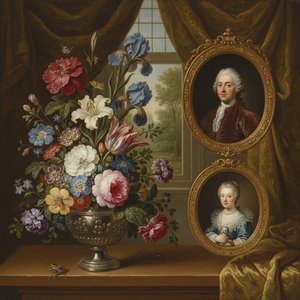
Jan van Kessel the Elder: A Baroque Master of Floral Still Life & Miniature Portraiture
Discover the exquisite detail of Jan van Kessel the Elder's Baroque floral still lifes & captivating miniatures. Explore his artistic legacy, scientific precision, and lasting influence on 17th-century Flemish painting.
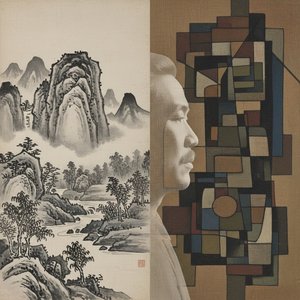
Yi Eungro: Bridging East & West in the Landscape of Korean Modernism
Explore the captivating world of Yi Eungro (Lee Ungno), a pivotal figure in Korean modernism. Discover his unique fusion of Eastern and Western artistic traditions, abstract masterpieces, and lasting legacy. A must-read for discerning art collectors.
