

 Anteprima in scala reale
 Invia
Invia Condividi
 Dettagli opera
 Guida
Guida

 Scarica
 Simili
 Radiografia
 Slideshow
 Statistiche
Grass and Insects


 Espandi i dettagli
Giclée / Stampe d'arte
Stampa giclée o su tela di qualità museale, con produzione rapida e diverse opzioni di finitura. ( Acquista il dipinto realizzato a mano Passa all'immagine digitale)




P118B €10

P118H €10

P118W €10

P438Z €10

P508JH €12

P508YH €12

P805H €10

P805Z €10

P919BZ €10

P919G €10

P919XJ €10

P959ZH €10

P968JZ €12

W106C €8

W218G €10

W218JH €8

W218Y €10

W307PJ €10

W316G €10

W316PJ €8

W316Y €10

W398PJ €8

W4111J €10

W500HY €15

W500JH €15

W692G €12

W849H €8

W940BG €15

W953PJ €8




Scegli tra le nostre dimensioni predefinite, che rispettano le proporzioni originali dell'opera d'arte.

Inserisci la larghezza e l'altezza desiderate, per adattarle alla tua cornice o alla tua parete. Una stampa può essere solo ritagliata, mai resa più grande dell'immagine originale; pertanto, un formato con una forma differente comporterà la perdita di una parte dell'opera. Ti invieremo un mockup digitale da approvare prima di procedere con la stampa. L'immagine mostrata in questa pagina non rappresenta il ritaglio reale — solo il mockup lo mostra.
Consegna in tutto il mondo () in 2 settimane invece delle normali 4/5 settimane. (25 Ottobre)

Spedizione espressa gratuita in tutto il mondo

Tela in lino di alta qualità

Assicurazione completa sulla spedizione

Garanzia di rimborso dei dazi doganali

Garanzia di fedeltà cromatica assoluta

Politica di reso entro 100 giorni (solo per difetti di fabbricazione)

Garanzia di rimborso al 100%

Offerta per acquisti multipli
 L'opzione vetro è disponibile solo per dimensioni inferiori a 110 cm

Grass and Insects
Giclée / Stampe d'arte
Dimensioni riproduzione
-


Prezzo finale calcolato
€ 70
Shin Saimdang’s “Grass and Insects”: A Symphony of Color and Quiet Observation
Shin Saimdang (1504–1551), a trailblazing female artist in Joseon dynasty Korea, stands as an emblem of intellectual curiosity and artistic prowess—a woman who defied societal constraints to pursue her passions for poetry, calligraphy, and painting. Her legacy resides not merely in the exquisite beauty of her artwork but also in its profound reflection of the era’s cultural values and philosophical ideals. This examination delves into “Grass and Insects,” one of her most celebrated panels from a monumental ten-panel folding screen—a masterpiece that encapsulates Saimdang's distinctive artistic vision and offers invaluable insight into Korean art history.A Window Into Joseon Aesthetic Principles
“Grass and Insects” exemplifies the dominant aesthetic sensibilities of the late 16th century, characterized by meticulous detail, harmonious color palettes, and a reverence for nature’s subtle grandeur. The screen embodies Neo-Confucian ideals—a belief system that prioritized moral cultivation alongside intellectual pursuits—reflected in Saimdang's careful composition and her masterful execution of brushstrokes. Unlike Western art traditions focused on dramatic narratives or idealized figures, Korean painting during this period favored contemplative scenes depicting landscapes and flora, intended to inspire serenity and contemplation. The screen’s overall design adheres to the principles of “Yonghwa,” meaning “harmonious beauty”—a concept central to Joseon artistic philosophy that sought to achieve balance between form and content.Technique and Material Considerations
Saimdang employed a technique rooted in meticulous observation and painstaking layering—a hallmark of Korean painting at the time. Using mineral pigments mixed with animal glue, she achieved remarkable luminosity and vibrancy, capturing the delicate textures of grass blades and the iridescent sheen of insects’ wings. The screen's surface is covered with thin layers of lacquer, providing protection while enhancing the colors and creating a tactile experience for the viewer. Furthermore, Saimdang skillfully utilized “Ma,” or negative space—a technique that deliberately leaves areas unfilled to create visual balance and emphasize the subject matter—demonstrating an understanding of compositional principles that transcended mere representation. The careful blending of pigments and meticulous brushwork contribute to the screen’s enduring beauty and artistic significance.Symbolism: Echoes of Confucian Thought
Beyond its technical brilliance, “Grass and Insects” resonates with deeper symbolic meanings rooted in Confucian cosmology—a worldview that viewed humanity as intrinsically linked to the natural world. The depiction of various insects—including beetles, dragonflies, cicadas, and moths—represents transformation and renewal—themes central to Confucian teachings concerning reincarnation and moral progress. Similarly, the inclusion of flowers like hibiscus, poppies, and lilies symbolizes purity and virtue—values upheld by Joseon society as markers of moral excellence. The meticulous rendering of grass blades underscores the importance of simplicity and humility—qualities considered essential for achieving inner harmony and cultivating compassion.Emotional Resonance: A Moment Frozen in Time
“Grass and Insects” transcends mere visual representation; it evokes a profound emotional response—a feeling of tranquility and appreciation for the beauty of the natural world. The screen’s muted color palette—dominated by greens, blues, and reds—creates an atmosphere of serenity and contemplation—inviting viewers to pause and reflect on the passage of time. Saimdang's masterful brushwork conveys a sense of quiet observation—capturing not just what is seen but also what is felt—a testament to her artistic sensitivity and her ability to communicate complex ideas through subtle visual cues. Viewing this artwork inspires contemplation about the interconnectedness of humanity and nature, reminding us of the enduring power of art to elevate our spirits and enrich our understanding of the human experience.Concluding Remarks: An Artistic Legacy Enduring Through Centuries
Shin Saimdang’s “Grass and Insects” remains a cornerstone of Korean art history—a testament to her artistic genius and her unwavering commitment to intellectual pursuits. Its harmonious composition, masterful technique, and evocative symbolism continue to captivate audiences today—serving as an enduring reminder of Joseon dynasty Korea's aesthetic ideals and its profound appreciation for the natural world. The screen’s legacy extends beyond its visual splendor; it embodies a spirit of contemplation and moral cultivation—values that resonate powerfully across cultures and generations—solidifying Saimdang’s place as one of Korea’s most celebrated artists and an inspiration to aspiring creatives everywhere.Domande e risposte
Quanto è conosciuta "Grass and Insects" di Shin Saimdang?
Il livello di popolarità registrato per "Grass and Insects" di Shin Saimdang è Recognized.
In che anno è stata creata "Grass and Insects" di Shin Saimdang?
"Grass and Insects" di Shin Saimdang è stata creata nel 1500.
L'immagine di "Grass and Insects" di Shin Saimdang può essere riprodotta liberamente?
"Grass and Insects" di Shin Saimdang è di pubblico dominio - il copyright è scaduto. Questo stato determina le modalità con cui l'immagine dell'opera può essere riprodotta.
Biografia dell'artista
una pioniera dell'arte nella Corea della dinastia Joseon
shin saimdang, artista poliedrica proveniente dalla Corea del Sud, visse durante il periodo Joseon, lasciando un segno indelebile nella storia dell'arte coreana. Nata il 29 ottobre 1504 a Gangneung, nella provincia di Gangwon, non fu solo una pittrice, ma anche una scrittrice, calligrafa e poetessa.infanzia e prime scintille artistiche
Il talento artistico di Shin Saimdang fu evidente fin dalla tenera età. A soli sette anni, imitava lo stile pittorico di an gyeon, un altro illustre artista coreano. La sua casa natale, Ojukheon, che è anche la dimora della sua famiglia materna, è rimasta splendidamente preservata fino ai giorni nostri.contributi artistici e stile
Le pitture di Shin Saimdang, caratterizzate da pennellate delicate e colori vivaci, fanno parte di uno schermo pieghevole a dieci pannelli. Le sue opere, come erba e insetti, presentano una vasta gamma di soggetti tra cui angurie, melanzane, papaveri, ibisco e vari insetti. Questi dipinti sono conservati presso il Museo Nazionale di Corea (Seoul, Corea del Sud), dove continuano a ispirare gli appassionati d'arte.- guarda le opere di shin saimdang su OriginalUniqueArt: https://OriginalUniqueArt.com/@/shin-saimdang
- esplora la collezione del Museo Nazionale di Corea: /it/art/show/national-museum-of-korea-seoul/
- scopri di più sul movimento artistico della dinastia Joseon: il movimento artistico della dinastia Joseon
eredità e impatto
L'eredità di Shin Saimdang va ben oltre le sue opere, poiché è nota anche per essere la madre di yi i, rinomato studioso e politico della dinastia Joseon. La sua vita e il suo lavoro fungono da ispirazione per molti, incarnando l'essenza dell'arte coreana durante il periodo Joseon. opere chiave di shin saimdang:- erba e insetti (Museo Nazionale di Corea, Seoul, Corea del Sud)
- altre opere notevoli caratterizzate da pennellate fini e colori chiari e vivaci, parte di uno schermo pieghevole a dieci pannelli.
- an gyeon, un altro importante pittore coreano del primo periodo Joseon.

Shin Saimdang
1504 - 1551 , Corea del Sud
Dettagli rapidi
- Artistic Movement Or Style: Joseon Dynasty Art
- Artists Who Influenced This Artist: ['An Gyeon']
- Date Of Birth: October 29, 1504
- Date Of Death: June 20, 1551
- Full Name: Shin Saimdang
- Nationality: Korean
- Notable Artworks: ['Grass and Insects']
- Place Of Birth: Gangneung, South Korea
Articoli correlati
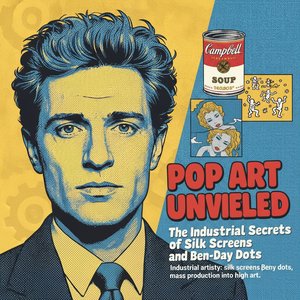
L'estetica della riproduzione: l'eredità industriale tra serigrafia e punti Ben-Day nella Pop Art
Scopri l'analisi tecnica tra Warhol e Lichtenstein nell'era industriale. Approfondisci l'estetica della Pop Art con noi.
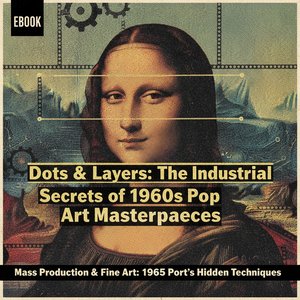
Serigrafia e Punti Ben-Day: L'Estetica Industriale della Pop Art degli Anni '60
Scopri i segreti tecnici di Warhol e Lichtenstein tra serigrafia e punti Ben-Day. Approfondisci l'estetica della Pop Art con noi.

Trasforma i tuoi ricordi in capolavori Anime: l'arte che prende vita con la maestria dell'Impressionismo
Trasforma i tuoi ricordi più preziosi in autentici capolavori impressionisti. Offriamo riproduzioni a olio su tela realizzate interamente a mano da maestri esperti. Un ponte tra memoria e arte per creare un'eredità senza tempo nella tua casa. Scopri la nostra eccellenza artigianale.
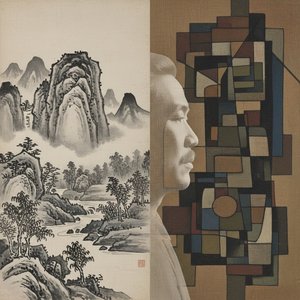
Yi Eungro: Bridging East & West in the Landscape of Korean Modernism
Explore the captivating world of Yi Eungro (Lee Ungno), a pivotal figure in Korean modernism. Discover his unique fusion of Eastern and Western artistic traditions, abstract masterpieces, and lasting legacy. A must-read for discerning art collectors.
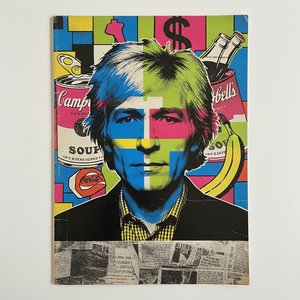
Andy Warhol: Decostruzione della Cultura Pop e Ridefinizione dell'Espressione Artistica
Esplora l'universo artistico di Andy Warhol e la rivoluzione della Pop Art. Analisi approfondite, tecniche serigrafiche, valore delle opere e consigli per collezionisti esperti. Scopri il suo impatto sull'arte contemporanea.
