
 Anteprima in scala reale
 Invia
Invia Condividi
 Dettagli opera
 Guida
Guida

 Scarica
 Simili
 Radiografia
 Slideshow
 Q&A
Q&A Statistiche
A Classical Landscape

- 70.0 x 92.0 cm


 Espandi i dettagli
Giclée / Stampe d'arte
Stampa giclée o su tela di qualità museale, con produzione rapida e diverse opzioni di finitura. ( Acquista il dipinto realizzato a mano Passa all'immagine digitale)




P118B €10

P118H €10

P118W €10

P438Z €10

P508JH €12

P508YH €12

P805H €10

P805Z €10

P919BZ €10

P919G €10

P919XJ €10

P959ZH €10

P968JZ €12

W106C €8

W218G €10

W218JH €8

W218Y €10

W307PJ €10

W316G €10

W316PJ €8

W316Y €10

W398PJ €8

W4111J €10

W500HY €15

W500JH €15

W692G €12

W849H €8

W940BG €15

W953PJ €8




Scegli tra le nostre dimensioni predefinite, che rispettano le proporzioni originali dell'opera d'arte.

Inserisci la larghezza e l'altezza desiderate, per adattarle alla tua cornice o alla tua parete. Una stampa può essere solo ritagliata, mai resa più grande dell'immagine originale; pertanto, un formato con una forma differente comporterà la perdita di una parte dell'opera. Ti invieremo un mockup digitale da approvare prima di procedere con la stampa. L'immagine mostrata in questa pagina non rappresenta il ritaglio reale — solo il mockup lo mostra.
Consegna in tutto il mondo () in 2 settimane invece delle normali 4/5 settimane. (3 Novembre)

Spedizione espressa gratuita in tutto il mondo

Tela in lino di alta qualità

Assicurazione completa sulla spedizione

Garanzia di rimborso dei dazi doganali

Garanzia di fedeltà cromatica assoluta

Politica di reso entro 100 giorni (solo per difetti di fabbricazione)

Garanzia di rimborso al 100%

Offerta per acquisti multipli
 L'opzione vetro è disponibile solo per dimensioni inferiori a 110 cm

A Classical Landscape
Giclée / Stampe d'arte
Dimensioni riproduzione
-


Prezzo finale calcolato
€ 71
Domande e risposte
Che tipo di opera è "A Classical Landscape"?
"A Classical Landscape" è un'opera in WallArt.
A chi è consigliato regalare "A Classical Landscape" di Sébastien Bourdon?
Il consiglio regalo per "A Classical Landscape" di Sébastien Bourdon unisce Anniversary con Reflective.
Da quale paese proviene l'opera del Baroque "A Classical Landscape"?
"A Classical Landscape" connette il movimento Baroque con Francia attraverso il luogo di nascita del suo autore.
Biografia dell'artista
Un Maestro di Luce e Versatilità: La Vita di Sébastien Bourdon
Sébastien Bourdon (1616–1671) rimane una delle figure più affascinanti e sfaccettate del Barocco francese del XVII secolo. Nato a Montpellier in una famiglia di artisti protestanti, la sua giovinezza fu plasmata dalle vibranti, e spesso turbolente, tradizioni artistiche della Francia meridionale. Il suo percorso, da giovane apprendista a membro fondatore dell'Académie Royale de Peinture et de Sculpture, è la testimonianza di un intelletto profondo e inquieto e di una capacità senza pari di assorbire le correnti stilistiche dell'Europa. Dopo la formazione iniziale a Parigi, il cammino di Bourdon lo condusse attraverso Bordeaux e Tolosa prima di raggiungere il cuore spirituale e artistico del continente: Roma. Fu in Italia che il suo talento si accese veramente, immergendosi nelle opere di maestri come Caravaggio,L'Evoluzione dello Stile e della Tecnica
Ciò che distingue veramente l'opera di Bourdon è la sua straordinaria fluidità stilistica, una qualità che talvolta suscitò sia ammirazione che critiche da parte dei suoi contemporanei. Il suo sviluppo fu segnato da una serie di incontri trasformativi con diverse tradizioni europee. In seguito a una visita cruciale a Venezia, la sua tavolozza subì una profonda metamorfosi; i contrasti più netti della sua formazione iniziale cedettero il passo a un uso del colore più ricco e atmosferico, ispirato dai maestri veneziani. Questa evoluzione gli permise di muoversi con maestria tra generi disparati. Nella ritrattistica, adottava spesso un approccio rubensiano o prediligeva composizioni intime a busto che catturavano la profondità psicologica e l'eleganza dei suoi soggetti, come la nobildonna svedese nella Contessa Ebba Sparre. Al contrario, le sue opere religiose utilizzavano un drammatico chiaroscuro per evocare timore spirituale, come si nota magistralmente nel suo monumentale capolavoro, La Crocifissione di San Pietro, creato per la cattedrale di Notre Dame.Eredità e Significato Storico
Al di là delle sue singole tele, Bourdon giocò un ruolo cruciale nell'istituzionalizzazione dell'arte francese. Come co-fondatore della Royal Academy nel 1648, contribuì a stabilire gli standard di eccellenza che avrebbero definito la pittura francese per generazioni. La sua carriera fu caratterizzata anche da una straordinaria ampiezza di incarichi; la sua reputazione di primo ritrattista lo condusse alla corte della Regina Cristina di Svezia, dove servì come pittore di corte, portando l'estetica sofisticata di Parigi e Roma a Stoccolma. Che stesse ritraendo la tensione straziante di Mosè e il Serpente di Bronzo o la serena grandezza dei paesaggi classici, l'opera di Bourdon incarna il duplice spirito dell'era barocca: l'intenso dramma emotivo della condizione umana e la ricerca equilibrata e intellettuale della bellezza classica. La sua capacità di sintetizzare le tradizioni naturalistiche della Francia con gli stili monumentali dell'Italia assicura il suo posto duraturo nel pantheon della storia dell'arte europea.
Sébastien Bourdon
1616 - 1671 , Francia
Dettagli rapidi
- Artistic Movement Or Style: Barocco
- Artists Who Influenced This Artist:
- Nicolas Poussin
- Claude Lorrain
- Caravaggio
- Date Of Birth: 2 febbraio 1616
- Date Of Death: 8 maggio 1671
- Full Name: Sébastien Bourdon
- Nationality: Francese
- Notable Artworks:
- Il Battesimo di Cristo
- La Deposizione
- Place Of Birth: Montpellier, Francia
Articoli correlati

Baroque Classicism: The Grandeur of Order and Drama in 17th-Century Art History
Explore the profound elegance of Baroque Classicism. Discover how 17th-century masters synthesized dramatic emotion with classical order through the lens of the Counter-Reformation and the works of legends like Carlo Maratta and Andrea Sacchi.
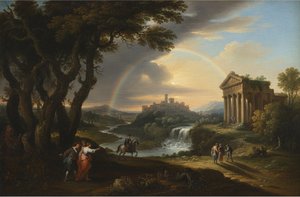
Shadow, Light, and Spectacle: The Dramatic Evolution of Baroque Landscape Painting
Explore the breathtaking drama of Baroque landscapes. Our expert guide delves into the interplay of light and shadow in 17th-century masterpieces. Discover art history and find museum-quality, hand-painted oil reproductions to bring classical grandeur to your home.
Baroque Classicism: Reconciling Drama & Order in 17th-Century Art
Explore the captivating world of Baroque Classicism! Discover its history, key artists like Caravaggio & Rubens, and defining characteristics. Expert insights & high-quality reproductions at OriginalUniqueArt.
Nicolas Poussin: Ordine, Allegoria e Ragione nella Pittura Francese del XVII Secolo
Esplora l'universo artistico di Nicolas Poussin, maestro del classicismo francese. Analisi approfondita delle sue opere più iconiche, influenze e dell'eredità che ha lasciato nella storia dell'arte.

Drama in Nature: The Captivating Grandeur of Baroque Landscapes and the Art of Emotional Spectacle
Explore the breathtaking drama of Baroque landscapes. From Rubens's grand vistas to the mastery of chiaroscuro, discover how 17th-century artists transformed nature into a theatrical stage of emotion and light. A deep dive for true art enthusiasts.


