

 Anteprima in scala reale
 Condividi
 Condividi
 Dettagli

 Scarica
 Articoli simili
 Radiografia
 Slideshow
 Statistiche
Sketchbook, folio 5 verso
 Pencil
- WallArt
- Romanticism
 1824
1824- 19th Century
 116.0 x 189.0 cm
 Victoria and Albert Museum
 Leggi tutto
Giclée / Stampe d'arte
Stampa giclée o su tela di qualità museale, con produzione rapida e diverse opzioni di finitura. ( Ordina la riproduzione dipinta a mano Passa all'immagine digitale)




P118B $10

P118H $10

P118W $10

P438Z $10

P508JH $12

P508YH $12

P805H $10

P805Z $10

P919BZ $10

P919G $10

P919XJ $10

P959ZH $10

P968JZ $12

W106C $8

W218G $10

W218JH $8

W218Y $10

W307PJ $10

W316G $10

W316PJ $8

W316Y $10

W398PJ $8

W4111J $10

W500HY $15

W500JH $15

W692G $12

W849H $8

W940BG $15

W953PJ $8




Scegli tra le nostre dimensioni predefinite, che rispettano le proporzioni originali dell'opera d'arte.

È possibile inserire dimensioni personalizzate per adattare l'opera a una cornice o a uno spazio specifico. Se la dimensione selezionata non corrisponde alle proporzioni dell'immagine originale, procederemo al ritaglio dell'opera o all'estensione dell'immagine con un bordo specchiato o a tinta unita. Un mockup digitale ti verrà inviato per approvazione prima dell'inizio della produzione.
Si prega di notare che l'anteprima a schermo non riflette il ritaglio o l'estensione effettivi. Solo il mockup mostrerà accuratamente la composizione finale.
Sebbene siano disponibili dimensioni personalizzate, si raccomanda di selezionare una dimensione dall'elenco predefinito per preservare le proporzioni originali.
Consegna in tutto il mondo () in 2 settimane invece delle normali 4/5 settimane. (19 Settembre)

Spedizione espressa gratuita in tutto il mondo

Tela in lino di alta qualità

Assicurazione completa sulla spedizione

Garanzia di rimborso dei dazi doganali

Garanzia di perfetta fedeltà cromatica

Politica di reso entro 100 giorni (solo per difetti di fabbricazione)

Garanzia di rimborso al 100%

Sconto per acquisti multipli
 L'opzione vetro è disponibile solo per dimensioni inferiori a 110 cm

Sketchbook, folio 5 verso
Giclée / Stampe d'arte
Dimensioni della riproduzione
-


Prezzo totale
$ 80
A Window into the Romantic Soul
In the quiet intimacy of Sketchbook, folio 5 verso, we are invited to witness the raw, unmediated pulse of a creative mind at work. Created in 1824 by the visionary British Romantic painter Samuel Palmer, this sketchbook page serves as a profound temporal bridge, transporting the viewer back to an era of intense spiritual and natural inquiry. Rather than a polished, finished masterpiece intended for a gallery wall, this folio offers something far more precious: a glimpse into the artist's private laboratory of thought. The aged paper, bearing the gentle patina of nearly two centuries, cradles a dense tapestry of pencil sketches, notes, and fleeting observations that reveal how Palmer perceived the world—not merely as a collection of objects, but as a living, breathing entity imbued with divine presence.
The composition is a captivating dance of organized chaos. At first glance, the eye wanders through a labyrinth of landscapes, architectural fragments, and delicate annotations. A central figure, seated upon a low wall or bench, gazes away from the viewer toward an unfolding horizon, embodying a sense of profound introspection. This figure acts as our surrogate, inviting us to share in their silent contemplation of the natural world. Surrounding this focal point are various vignettes of trees, foliage, and structural elements like arches and columns, all rendered with a rhythmic vitality. The arrangement suggests a mind constantly scanning, capturing, and recording the ephemeral beauty of the English landscape through a lens of Romantic sensibility.
The Mastery of Line and Light
Technically, the work is a masterclass in the expressive potential of a single medium: pencil on paper. Without the luxury of color, Palmer relies entirely on the nuance of pressure, hatching, and line weight to breathe life into his subjects. The palette is a sophisticated study in monochrome, utilizing the natural cream and beige tones of the antique paper to provide a warm, luminous backdrop. Through delicate shading and varying densities of graphite, he creates a sense of atmospheric depth; certain areas feel shrouded in the soft mist of a morning dawn, while others possess a crisp, structural clarity. The organic shapes of the trees and undulating landscapes are defined by loose, gestural strokes that convey movement and growth, contrasted beautifully against the more precise, disciplined lines used for architectural details.
For the discerning collector or interior designer, this piece offers an unparalleled sense of texture and historical weight. The visible grain of the paper and the delicate interplay of light and shadow within the sketches provide a tactile quality that is rare in modern prints. It is a work that does not demand attention through loud colors, but rather commands it through its quiet, sophisticated complexity. Incorporating a high-quality reproduction of this folio into a curated space can introduce an element of intellectual depth and serene tranquility, making it an ideal centerpiece for a study, a library, or a room designed for reflection.
A Legacy of Visionary Inspiration
To understand the emotional resonance of this sketchbook page, one must consider Palmer’s place in art history. This was the era of his transformative encounter with William Blake, a meeting that would forever alter the trajectory of his work, infusing it with a mystical, almost prophetic quality. The sketches in folio 5 verso reflect this burgeoning spiritual depth; the landscapes are not merely topographical studies but are charged with an emotional intensity that seeks to find the infinite within the finite. There is a palpable sense of connection to the environment—a belief that the rustle of leaves or the curve of a hill holds a sacred significance.
Owning or displaying a reproduction of this work is more than an aesthetic choice; it is an engagement with the very essence of the Romantic movement. It celebrates the beauty of the process, the importance of observation, and the enduring power of the human spirit to find wonder in the smallest details. Whether viewed as a historical document or a piece of fine art, Sketchbook, folio 5 verso remains a timeless testament to the magic found in the quiet moments of artistic discovery.
Biografia dell'artista
Primi Anni e Influenze
- Nato: Londra, Regno Unito (1805)
- Morto: 1881
- Samuel Palmer era figlio di un libraio e predicatore battista. Ricevette una formazione scolastica limitata ma dimostrò talento artistico fin da giovane, dipingendo chiese all'età di dodici anni.
- L'esposizione precoce a William Blake nel 1824 si rivelò profondamente influente. Lo stile visionario di Blake plasmò significativamente lo sviluppo artistico di Palmer.
- Espose opere ispirate a Turner alla Royal Academy già all'età di quattordici anni.
Il Periodo di Shoreham e "Rat Abbey"
- Dal 1826 al 1835, Palmer risiedette a Shoreham, nel Kent, in una casetta soprannominata "Rat Abbey". Questo periodo è considerato cruciale per la sua produzione artistica.
- Durante questo periodo, produsse dipinti pastorali visionari che raffiguravano l'area come un paesaggio mistico, spesso utilizzando toni seppia e scene di luna evocative.
- Si associò a un gruppo di artisti noti come "The Ancients", che condividevano l'influenza di Blake e apprezzavano lo stile unico di Palmer.
- La sua vita familiare durante questo periodo fu complessa, con suo padre e un'infermiera residenti nelle vicinanze, contribuendo all'atmosfera circostante il suo lavoro.
Opere Mature e Stili in Evoluzione
- Dopo il 1835, Palmer tornò a Londra e si orientò verso paesaggi più convenzionali e acquerelli.
- Lavorò come insegnante privato di disegno per oltre due decenni, il che influì sulla sua capacità di dedicare tempo alla propria arte.
- La sua tavolozza divenne più luminosa negli anni '30 dopo un viaggio in Italia, anche se a volte a scapito della sottigliezza.
- Nonostante le difficoltà finanziarie e le perdite personali (la morte di suo figlio Thomas), Palmer continuò a produrre opere significative, tra cui illustrazioni per i poemi di Milton ed incisioni ispirate a Virgilio.
Stile Artistico e Significato Storico
- Stile: L'opera di Palmer è caratterizzata da una miscela di Romanticismo ed elementi visionari. I suoi primi dipinti di Shoreham sono noti per la loro atmosfera mistica, i toni seppia e le raffigurazioni dell'Inghilterra rurale come un paradiso idealizzato. Le opere successive incorporarono colori più vivaci ma mantennero un senso di tranquillità e osservazione.
- Influenze: William Blake è stata l'influenza più significativa sulla visione artistica di Palmer. La pittura paesaggistica di Turner ha anche giocato un ruolo nel suo sviluppo iniziale.
- Tecnica: Lavorò principalmente in acquerello e incisione, dimostrando abilità in entrambi i mezzi. Il suo uso della luce e dell'ombra creava atmosfere evocative nei suoi dipinti.
- Significato Storico: Palmer è riconosciuto come una figura chiave nel Romanticismo britannico, colmando il divario tra l'arte visionaria di Blake e i successivi pittori paesaggisti. Il suo stile unico e la sua attenzione ai temi pastorali gli hanno assicurato un posto nella storia dell'arte.
Opere Chiave
- Cornfield by Moonlight
- Harvesting
- The Timber Wain
- Pele Point, Land
- Numerose incisioni che illustrano opere di Virgilio e Milton.

Samuel Palmer
1805 - 1881 , Regno Unito
Informazioni rapide
- Artistic Movement Or Style: Romanticismo
- Artists Or Movements Influenced By This Artist: ['Neo-Romanticismo']
- Artists Who Influenced This Artist:
- William Blake
- Joseph Mallord William Turner
- Date Of Birth: 27 gennaio 1805
- Date Of Death: 24 maggio 1881
- Full Name: Samuel Palmer
- Nationality: Britannico
- Notable Artworks:
- Cornfield by Moonlight
- Harvesting
- The Timber Wain
- Pele Point, Land
- Place Of Birth: Londra, Regno Unito
Articoli correlati

I 10 Capolavori del Paesaggio Romantico: Arte, Storia e Decorazioni di Lusso
Esplora i 10 capolavori del Paesaggio Romantico con OriginalUniqueArt.com! Caspar David Friedrich, Turner e altri maestri: storia, tecnica e colori che definiscono un'epoca. Trova riproduzioni d'arte di lusso per la tua casa. Scopri la collezione completa online!

John Constable: I 25 Capolavori che Celebrano la Bellezza della Campagna Inglese
Esplora i 25 capolavori di John Constable, il maestro del Romanticismo inglese. Paesaggi suggestivi, luce naturale e colori vibranti ti aspettano. Acquista riproduzioni d'arte di alta qualità su OriginalUniqueArt.com e porta la bellezza della campagna inglese nella tua casa.

Evocations of Place: A Historical Journey Through Landscape Art
Explore the rich history of landscape art with OriginalUniqueArt. Discover renowned artists, movements like Impressionism & Romanticism, and expert guidance for collecting timeless pieces. Find your perfect serene escape today!

Evoking Nature's Sublime: A Comprehensive Exploration of 19th-Century Landscape Painting
Explore the captivating world of 19th-century landscape painting! Discover renowned artists like Friedrich & Monet, key movements, and find the perfect artwork to bring nature's serenity into your home. Expert insights at OriginalUniqueArt.
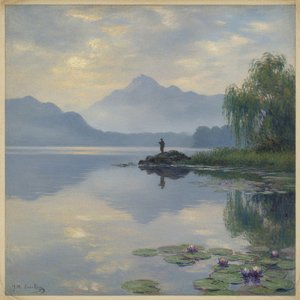
Capturing Stillness: A Curated Exploration of the Most Iconic Lake Landscapes in Art History
Journey through art history's most serene lake landscapes. From Romantic vistas to light-drenched Impressionist waters, discover the stories behind these iconic masterpieces and find museum-quality, hand-painted oil reproductions for your private collection.