Anteprima in scala reale
 Invia
Invia Condividi
 Dettagli opera

 Scarica immagine
 Simili
 Radiografia
 Slideshow
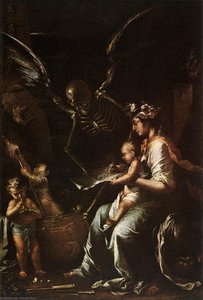
St. Francis in Ecstasy


 Espandi i dettagli
Giclée / Stampe d'arte
Stampa giclée o su tela di qualità museale, con produzione rapida e diverse opzioni di finitura. ( Acquista il dipinto realizzato a mano Acquista immagine)




P118B $10

P118H $10

P118W $10

P438Z $10

P508JH $12

P508YH $12

P805H $10

P805Z $10

P919BZ $10

P919G $10

P919XJ $10

P959ZH $10

P968JZ $12

W106C $8

W218G $10

W218JH $8

W218Y $10

W307PJ $10

W316G $10

W316PJ $8

W316Y $10

W398PJ $8

W4111J $10

W500HY $15

W500JH $15

W692G $12

W849H $8

W940BG $15

W953PJ $8




Scegli tra le nostre dimensioni predefinite, che rispettano le proporzioni originali dell'opera d'arte.

È possibile inserire dimensioni personalizzate per adattare l'opera a una cornice o a uno spazio specifico. Se la dimensione selezionata non corrisponde alle proporzioni dell'immagine originale, procederemo al ritaglio dell'opera o all'estensione dell'immagine con un bordo specchiato o a tinta unita. Un mockup digitale ti verrà inviato per approvazione prima dell'inizio della produzione.
Si prega di notare che l'anteprima a schermo non riflette il ritaglio o l'estensione effettivi. Solo il mockup mostrerà accuratamente la composizione finale.
Sebbene siano disponibili dimensioni personalizzate, si raccomanda di selezionare una dimensione dall'elenco predefinito per preservare le proporzioni originali.
Consegna in tutto il mondo () in 2 settimane invece delle normali 4/5 settimane. (3 Settembre)

Spedizione espressa gratuita in tutto il mondo

Tela in lino di alta qualità

Assicurazione completa sulla spedizione

Garanzia di rimborso dei dazi doganali

Garanzia di fedeltà cromatica

Politica di reso entro 60 giorni (solo per difetti di fabbricazione)

Garanzia di rimborso al 100%

Offerta per acquisti multipli
 L'opzione vetro è disponibile solo per dimensioni inferiori a 110 cm

St. Francis in Ecstasy
Giclée / Stampe d'arte
Dimensioni riproduzione
-


Prezzo totale calcolato
$ 80
Salvator Rosa’s “St. Francis in Ecstasy”: A Baroque Vision of Divine Connection
Salvator Rosa's "St. Francis in Ecstasy," painted circa 1647, isn’t merely a depiction of a saint; it’s a profound meditation on the intersection of earthly experience and divine revelation. This arresting work, currently residing within the Phillips Collection in Washington D.C., embodies the artist’s signature blend of dramatic landscape, intense emotion, and philosophical depth – hallmarks that cemented his place as a pivotal figure in the transition from Mannerism to Baroque painting. Rosa masterfully captures a moment of profound spiritual intensity, transforming a simple religious scene into a visually arresting exploration of faith and nature.
The composition immediately draws the eye to St. Francis himself, kneeling within a shadowed cave entrance. He’s not presented as an idealized figure of serene piety but rather as a man consumed by ecstatic fervor. His arms are outstretched, palms open towards a radiant light that streams down from above, piercing through the turbulent sky and illuminating the surrounding landscape. This dramatic use of chiaroscuro – the interplay of light and dark – is characteristic of Baroque painting and serves to heighten the emotional impact of the scene. The stark contrast between the darkness of the cave and the brilliance of the divine light underscores the transformative nature of Francis’s experience.
A Landscape as Theology: Rosa's Revolutionary Approach
What distinguishes “St. Francis in Ecstasy” is not simply its religious subject matter, but rather Rosa’s innovative approach to landscape painting. He moves beyond traditional depictions of pastoral beauty, instead presenting a rugged, almost hostile environment – a rocky hillside, tangled vegetation, and a distant mountain range – as the backdrop for this profound spiritual encounter. This wasn't merely an aesthetic choice; it reflected Rosa’s belief that nature itself was imbued with divine presence. He saw in the wildness of the landscape a reflection of God’s power and majesty, mirroring the intensity of Francis’s ecstatic experience.
Rosa’s technique is equally remarkable. He employs loose, expressive brushstrokes – a deliberate departure from the polished surfaces favored by many of his contemporaries – to convey a sense of movement and dynamism. The colors are rich and saturated, particularly in the depiction of the light, which seems to emanate from within the canvas itself. The layering of paint creates a palpable texture, inviting the viewer to engage with the work on a tactile level. Notice how he uses subtle variations in tone to suggest depth and atmosphere, creating a convincing illusion of space.
Symbolism and Spiritual Resonance
Beyond its visual impact, “St. Francis in Ecstasy” is laden with symbolic meaning. The cave itself represents the earthly realm, a place of solitude and introspection where Francis sought communion with God. The thorny crown, depicted amongst his possessions within the cave, symbolizes the stigmata – the wounds received by St. Francis as a sign of his identification with Christ’s suffering. The light streaming down from above signifies divine grace and redemption.
Rosa's choice to depict Francis *in* the act of ecstasy—not simply after it—is crucial. He captures the very moment of transformation, when the saint is enveloped in a state of heightened awareness and connection with the divine. The painting isn’t about depicting faith; it’s about illustrating its transformative power – a power that can be experienced through direct engagement with nature and a willingness to surrender oneself to the unknown.
A Legacy of Romantic Vision
“St. Francis in Ecstasy” stands as a pivotal work in the development of landscape painting, foreshadowing the rise of Romanticism. Rosa’s emphasis on emotional intensity, dramatic lighting, and the sublime beauty of nature paved the way for later artists who sought to capture the power of individual experience within the vastness of the natural world. Reproductions of this powerful image continue to resonate with viewers today, offering a glimpse into a profound spiritual vision—a testament to Rosa’s artistic genius and his enduring legacy.
Biografia dell'artista
La Vita e la Formazione
Salvator Rosa, pittore barocco italiano, poeta e incisore, nacque ad Arenella, Napoli, il 20 giugno o il 21 luglio del 1615. Sua madre, Giulia Greca Rosa, proveniva da una delle famiglie greche della Sicilia. Nonostante i desideri di suo padre che lo volesse avvocato o sacerdote, Salvator dimostrò fin dalla giovane età una predilezione per le arti.La Carriera Artistica
La carriera artistica di Salvator Rosa fu segnata da uno stile non convenzionale ed eccentrico, che lo distingueva dai suoi contemporanei. Fu attivo a Napoli, Roma e Firenze, e la sua opera fu influenzata dal naturalismo di Ribera e dal classicismo di Poussin. Tuttavia, rifiutò di essere vincolato a qualsiasi particolare stile o movimento.- Pitagora che emerge dagli Inferi (Kimbell Art Museum, Fort Worth, Stati Uniti), uno dei suoi lavori più famosi, mette in mostra il suo insolito connubio tra temi filosofici e artistici.
- Il Battesimo dell'Eunuco (Chrysler Museum of Art, Norfolk, Stati Uniti) dimostra la sua capacità di infondere dramma anche nelle storie bibliche meno importanti.
Influenze e Sviluppo Stilistico
Rosa sviluppò uno stile unico che combinava elementi del naturalismo, del classicismo e del barocco, ma con una forte impronta personale. La sua pittura si caratterizza per l'uso di colori intensi, forti contrasti chiaroscurali e composizioni dinamiche. I suoi paesaggi, spesso selvaggi e inospitali, riflettono un interesse per la natura incontaminata e il sublime. La sua opera mostra una progressiva evoluzione verso temi più oscuri e drammatici, con figure solitarie immerse in paesaggi desolati che esprimono sentimenti di malinconia e inquietudine.Significato Storico e Legacy
L'opera di Salvator Rosa ebbe un impatto significativo sullo sviluppo dell'arte barocca. La sua influenza può essere vista nelle opere di artisti successivi, come Luca Giordano, che continuarono a spingere i confini dell'espressione artistica. Rosa è considerato un precursore del Romanticismo per la sua attenzione alla natura selvaggia e ai sentimenti intensi. Il suo stile anticonformista e ribelle ha ispirato generazioni di artisti e appassionati d'arte, consolidando il suo posto negli annali dell'arte barocca. Importanti link: Profilo di Salvator Rosa su OriginalUniqueArt Wikipedia: Salvator Rosa Pitagora che emerge dagli Inferi su OriginalUniqueArtConclusione
La vita e l'opera di Salvator Rosa continuano ad affascinare gli amanti dell'arte e gli storici. Il suo stile non convenzionale e la sua perpetua ribellione contro le norme del suo tempo hanno cementato il suo posto negli annali dell'arte barocca. Come pittore, poeta e incisore, rimane una figura enigmatica, e la sua opera continua a ispirare nuove generazioni di artisti e appassionati d'arte.
Salvatore Rosa
1615 - 1673 , Italia
Dati rapidi
- Artistic Movement Or Style: Barocco
- Artists Or Movements Influenced By This Artist:
- Luca Giordano
- Romanticismo
- Artists Who Influenced This Artist:
- Ribera
- Poussin
- Date Of Birth: 20 giugno/21 luglio 1615
- Date Of Death: 15 marzo 1673
- Full Name: Salvator Rosa
- Nationality: Italiana
- Notable Artworks:
- Pitagora che emerge dal mondo infero
- Il battesimo dell'eunuco
- Place Of Birth (City And Country): Arenella, Italia
Articoli correlati
Francis Bacon: Le 25 Opere Più Iconiche per una Collezione d'Arte Ineguagliabile
Esplora le 25 opere più iconiche di Francis Bacon, il maestro dell'espressionismo e della pittura figurativa. Scopri la storia, i colori e l'angoscia dietro ogni capolavoro. Riproduzioni d'arte di alta qualità su OriginalUniqueArt.com.

Salvator Rosa: Visione Barocca del Paesaggio, Allegoria e Condizione Umana – Un Ribelle tra Arte e Filosofia
Esplora la vita e l'opera di Salvator Rosa, pittore barocco ribelle e filosofo. Analisi approfondita dei suoi paesaggi tenebrosi, allegorie complesse e dell'influenza sulla storia dell'arte.

The Dramatic Flourish: Exploring the Baroque Movement's Enduring Legacy in Art History
Explore the dramatic world of Baroque art! Discover iconic artists like Caravaggio & Rubens, defining techniques, and its lasting impact on art history. Expert insights for collectors & enthusiasts at OriginalUniqueArt.

El Greco: I 25 Capolavori Immortali dell'Arte Spirituale | OriginalUniqueArt
Esplora i 25 capolavori immortali di El Greco, il maestro del manierismo e della pittura religiosa. Scopri la storia, lo stile unico e le emozioni dietro ogni opera. Stampe e riproduzioni d'arte su OriginalUniqueArt.com per decorare con bellezza.
The Dramatic Flourish: Exploring Themes of Power, Faith & Emotion in Baroque Artworks
Explore the dramatic world of Baroque art! Discover masters like Zurbarán & the powerful influence of religious zeal on painting techniques. Expert insights for collectors and enthusiasts.