Anteprima in scala reale
 Condividi
 Condividi
 Dettagli

 Scarica
 Articoli simili
 Radiografia
 Slideshow
 Statistiche
Monks Fishing


 Leggi tutto
Riproduzione a olio fatta a mano
Olio su tela dipinto a mano nelle tue dimensioni e con la tua cornice, realizzato su ordinazione dai nostri artisti. ( Passa alle stampe Passa all'immagine digitale)




P118B $10

P118H $10

P118W $10

P438Z $10

P508JH $12

P508YH $12

P805H $10

P805Z $10

P919BZ $10

P919G $10

P919XJ $10

P959ZH $10

P968JZ $12

W106C $8

W218G $10

W218JH $8

W218Y $10

W307PJ $10

W316G $10

W316PJ $8

W316Y $10

W398PJ $8

W4111J $10

W500HY $15

W500JH $15

W692G $12

W849H $8

W940BG $15

W953PJ $8




Scegli tra le nostre dimensioni predefinite, che rispettano le proporzioni originali dell'opera d'arte.

È possibile inserire dimensioni personalizzate per adattare l'opera a una cornice o a uno spazio specifico. Se la dimensione selezionata non corrisponde alle proporzioni dell'immagine originale, provvederemo a ritagliare l'opera o a estendere il dipinto con elementi aggiuntivi dipinti a mano. Un mockup digitale ti sarà inviato per approvazione prima dell'inizio della produzione.
Si prega di notare che l'anteprima a schermo non riflette il ritaglio o l'estensione effettivi. Solo il mockup mostrerà accuratamente la composizione finale.
Sebbene siano disponibili dimensioni personalizzate, consigliamo di selezionare una dimensione dall'elenco predefinito per preservare le proporzioni originali.
Dopo l'ordine, il team di OriginalUniqueArt.com contatterà il cliente via e-mail per ricevere le istruzioni e fornirà un'anteprima del mockup
Consegna in tutto il mondo () in 3/4 settimane anziché nelle normali 5 settimane. (15 Settembre). Nessun compromesso sulla qualità.

Spedizione espressa gratuita in tutto il mondo

Tela in lino di alta qualità

Assicurazione completa sulla spedizione

Garanzia di rimborso dei dazi doganali

Garanzia di perfetta fedeltà cromatica

Politica di reso entro 100 giorni (solo per difetti di fabbricazione)

Garanzia di rimborso al 100%

Sconto per acquisti multipli
 L'opzione vetro è disponibile solo per dimensioni inferiori a 110 cm

Monks Fishing
Tecnica di riproduzione
Dimensioni della riproduzione
-


Prezzo totale
$ 325
A Landscape of Solitude and Spiritual Depth
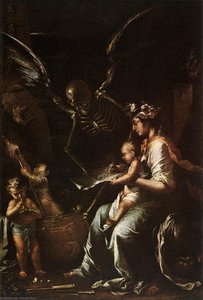
Salvator Rosa’s “Monks Fishing” isn't merely a depiction of two figures casting lines into a river; it’s a profound meditation on humanity’s relationship with the untamed forces of nature, rendered through the lens of the Baroque painter’s distinctive vision. Painted circa 1646-1648, this oil on canvas captures a moment suspended in time – a quiet ritual performed within a landscape that simultaneously invites and threatens the viewer. The scene unfolds against a dramatic backdrop of towering rock formations, a brooding sky pregnant with clouds, and a dense, almost claustrophobic forest, all rendered with an intensity characteristic of Rosa’s mature style.
Rosa, a figure perpetually at odds with the established artistic conventions of his day, rejected the polished elegance favored by many of his contemporaries. Instead, he embraced a raw, emotive approach, prioritizing naturalism and psychological depth over idealized beauty. “Monks Fishing” exemplifies this philosophy; it’s not a picturesque scene designed for easy consumption but rather a complex tableau brimming with symbolic weight and emotional resonance. The figures themselves – two weathered monks, their faces etched with contemplation – are dwarfed by the immensity of the landscape, emphasizing their vulnerability and suggesting a profound connection to something far greater than themselves.
The Language of Light and Shadow: A Baroque Masterclass
Rosa’s technical skill is immediately apparent in his masterful manipulation of light and shadow. The painting is dominated by a diffused, atmospheric light that seems to emanate from an unseen source, casting long, dramatic shadows across the rocks and foliage. This chiaroscuro effect – a hallmark of Baroque art – not only creates a sense of depth and volume but also imbues the scene with a palpable mood of melancholy and introspection. Notice how he uses subtle highlights to draw attention to the texture of the bark on the trees, the rough surface of the rocks, and the folds in the monks’ garments, inviting us to engage with the painting on a tactile level.
- Brushwork: Visible brushstrokes contribute to the ruggedness and immediacy of the scene. Layered application builds texture and depth, particularly evident in the depiction of the foliage and rock formations.
- Color Palette: The earthy tones – browns, ochres, greens – dominate the palette, reflecting the naturalistic subject matter. Subtle blues and greys in the sky add to the sense of drama and foreboding.
- Perspective: Atmospheric perspective is skillfully employed to create a sense of distance; distant elements are rendered paler and less distinct, reinforcing the vastness of the landscape.
Symbolism Woven into the Wilderness
Beyond its immediate visual appeal, “Monks Fishing” is rich in symbolic meaning. The solitary monks, engaged in their humble task, can be interpreted as metaphors for humanity’s search for spiritual enlightenment within the context of a challenging and often unforgiving world. Their isolation underscores the difficulty of achieving inner peace amidst the chaos of existence. The river itself – a recurring motif in Rosa's work – represents both sustenance and danger, life and death. The towering trees, with their gnarled branches reaching towards the sky, symbolize resilience and endurance, while the rocky terrain suggests the obstacles that must be overcome on the path to spiritual growth.
Rosa’s choice of subject matter—monks fishing in a wild landscape—was deliberately provocative. It challenged the prevailing artistic conventions of his time, which typically favored grand historical scenes or mythological narratives. By depicting a simple, everyday activity within an extraordinary setting, Rosa elevated the mundane to the level of profound contemplation.
A Legacy of Rustic Grandeur
“Monks Fishing” stands as a testament to Salvator Rosa’s unique artistic vision and his enduring influence on subsequent generations of artists. It's a painting that rewards careful observation, inviting viewers to lose themselves in its atmospheric depth and contemplate the timeless themes of solitude, spirituality, and the relationship between humanity and nature. Reproductions of this powerful work capture much of the original’s emotional intensity, offering a window into the soul of one of Italy’s most enigmatic and compelling Baroque masters.
Biografia dell'artista
La Vita e la Formazione
Salvator Rosa, pittore barocco italiano, poeta e incisore, nacque ad Arenella, Napoli, il 20 giugno o il 21 luglio del 1615. Sua madre, Giulia Greca Rosa, proveniva da una delle famiglie greche della Sicilia. Nonostante i desideri di suo padre che lo volesse avvocato o sacerdote, Salvator dimostrò fin dalla giovane età una predilezione per le arti.La Carriera Artistica
La carriera artistica di Salvator Rosa fu segnata da uno stile non convenzionale ed eccentrico, che lo distingueva dai suoi contemporanei. Fu attivo a Napoli, Roma e Firenze, e la sua opera fu influenzata dal naturalismo di Ribera e dal classicismo di Poussin. Tuttavia, rifiutò di essere vincolato a qualsiasi particolare stile o movimento.- Pitagora che emerge dagli Inferi (Kimbell Art Museum, Fort Worth, Stati Uniti), uno dei suoi lavori più famosi, mette in mostra il suo insolito connubio tra temi filosofici e artistici.
- Il Battesimo dell'Eunuco (Chrysler Museum of Art, Norfolk, Stati Uniti) dimostra la sua capacità di infondere dramma anche nelle storie bibliche meno importanti.
Influenze e Sviluppo Stilistico
Rosa sviluppò uno stile unico che combinava elementi del naturalismo, del classicismo e del barocco, ma con una forte impronta personale. La sua pittura si caratterizza per l'uso di colori intensi, forti contrasti chiaroscurali e composizioni dinamiche. I suoi paesaggi, spesso selvaggi e inospitali, riflettono un interesse per la natura incontaminata e il sublime. La sua opera mostra una progressiva evoluzione verso temi più oscuri e drammatici, con figure solitarie immerse in paesaggi desolati che esprimono sentimenti di malinconia e inquietudine.Significato Storico e Legacy
L'opera di Salvator Rosa ebbe un impatto significativo sullo sviluppo dell'arte barocca. La sua influenza può essere vista nelle opere di artisti successivi, come Luca Giordano, che continuarono a spingere i confini dell'espressione artistica. Rosa è considerato un precursore del Romanticismo per la sua attenzione alla natura selvaggia e ai sentimenti intensi. Il suo stile anticonformista e ribelle ha ispirato generazioni di artisti e appassionati d'arte, consolidando il suo posto negli annali dell'arte barocca. Importanti link: Profilo di Salvator Rosa su OriginalUniqueArt Wikipedia: Salvator Rosa Pitagora che emerge dagli Inferi su OriginalUniqueArtConclusione
La vita e l'opera di Salvator Rosa continuano ad affascinare gli amanti dell'arte e gli storici. Il suo stile non convenzionale e la sua perpetua ribellione contro le norme del suo tempo hanno cementato il suo posto negli annali dell'arte barocca. Come pittore, poeta e incisore, rimane una figura enigmatica, e la sua opera continua a ispirare nuove generazioni di artisti e appassionati d'arte.
Salvatore Rosa
1615 - 1673 , Italia
Informazioni rapide
- Artistic Movement Or Style: Barocco
- Artists Or Movements Influenced By This Artist:
- Luca Giordano
- Romanticismo
- Artists Who Influenced This Artist:
- Ribera
- Poussin
- Date Of Birth: 20 giugno/21 luglio 1615
- Date Of Death: 15 marzo 1673
- Full Name: Salvator Rosa
- Nationality: Italiana
- Notable Artworks:
- Pitagora che emerge dal mondo infero
- Il battesimo dell'eunuco
- Place Of Birth (City And Country): Arenella, Italia
Articoli correlati
Epic Drama & Dark Vibes: The Ultimate Collector's Guide to Baroque Landscapes
Master the art of drama with our ultimate guide to Baroque landscapes. Discover the power of chiaroscuro, explore legendary masters, and learn how to curate epic, dark-vibe masterpieces for your collection with expert insights from OriginalUniqueArt.

Drama in Nature: The Captivating Grandeur of Baroque Landscapes and the Art of Emotional Spectacle
Explore the breathtaking drama of Baroque landscapes. From Rubens's grand vistas to the mastery of chiaroscuro, discover how 17th-century artists transformed nature into a theatrical stage of emotion and light. A deep dive for true art enthusiasts.

I 10 Capolavori del Paesaggio Romantico: Arte, Storia e Decorazioni di Lusso
Esplora i 10 capolavori del Paesaggio Romantico con OriginalUniqueArt.com! Caspar David Friedrich, Turner e altri maestri: storia, tecnica e colori che definiscono un'epoca. Trova riproduzioni d'arte di lusso per la tua casa. Scopri la collezione completa online!

Evocations of Place: A Historical Journey Through Landscape Art
Explore the rich history of landscape art with OriginalUniqueArt. Discover renowned artists, movements like Impressionism & Romanticism, and expert guidance for collecting timeless pieces. Find your perfect serene escape today!

Salvator Rosa: Visione Barocca del Paesaggio, Allegoria e Condizione Umana – Un Ribelle tra Arte e Filosofia
Esplora la vita e l'opera di Salvator Rosa, pittore barocco ribelle e filosofo. Analisi approfondita dei suoi paesaggi tenebrosi, allegorie complesse e dell'influenza sulla storia dell'arte.