

 Anteprima in scala reale
 Invia
Invia Condividi
 Dettagli opera
 Guida
Guida

 Scarica
 Simili
 Radiografia
 Slideshow
 Q&A
Q&A Statistiche
Who comes?
 Oil
Oil- WallArt
 1908
1908- 19th Century
 542.0 x 810.0 cm
 Galleria Nazionale dell'Australia
 Espandi i dettagli
Giclée / Stampe d'arte
Stampa giclée o su tela di qualità museale, con produzione rapida e diverse opzioni di finitura. ( Acquista il dipinto realizzato a mano Passa all'immagine digitale)




P118B €10

P118H €10

P118W €10

P438Z €10

P508JH €12

P508YH €12

P805H €10

P805Z €10

P919BZ €10

P919G €10

P919XJ €10

P959ZH €10

P968JZ €12

W106C €8

W218G €10

W218JH €8

W218Y €10

W307PJ €10

W316G €10

W316PJ €8

W316Y €10

W398PJ €8

W4111J €10

W500HY €15

W500JH €15

W692G €12

W849H €8

W940BG €15

W953PJ €8




Scegli tra le nostre dimensioni predefinite, che rispettano le proporzioni originali dell'opera d'arte.

Inserisci la larghezza e l'altezza desiderate, per adattarle alla tua cornice o alla tua parete. Una stampa può essere solo ritagliata, mai resa più grande dell'immagine originale; pertanto, un formato con una forma differente comporterà la perdita di una parte dell'opera. Ti invieremo un mockup digitale da approvare prima di procedere con la stampa. L'immagine mostrata in questa pagina non rappresenta il ritaglio reale — solo il mockup lo mostra.
Consegna in tutto il mondo () in 2 settimane invece delle normali 4/5 settimane. (29 Ottobre)

Spedizione espressa gratuita in tutto il mondo

Tela in lino di alta qualità

Assicurazione completa sulla spedizione

Garanzia di rimborso dei dazi doganali

Garanzia di fedeltà cromatica assoluta

Politica di reso entro 100 giorni (solo per difetti di fabbricazione)

Garanzia di rimborso al 100%

Offerta per acquisti multipli
 L'opzione vetro è disponibile solo per dimensioni inferiori a 110 cm

Who comes?
Giclée / Stampe d'arte
Dimensioni riproduzione
-


Prezzo finale calcolato
€ 71
Domande e risposte
Rupert Charles Wulsten Bunny, autore di "Who comes?", è conosciuto con altri nomi?
Altri nomi registrati per Rupert Charles Wulsten Bunny, autore di "Who comes?", includono Bunny.
Dove posso vedere un'anteprima di "Who comes?"?
La pagina di Anteprima in ambiente di "Who comes?" ti permette di visualizzare un'anteprima dell'opera prima dell'ordine.
È possibile visualizzare un'anteprima in realtà aumentata di "Who comes?"?
Puoi visualizzare "Who comes?" di Rupert Charles Wulsten Bunny sulla tua parete grazie alla pagina Anteprima in AR dell'opera, utilizzando la realtà aumentata su un dispositivo compatibile.
Biografia dell'artista
Rupert Charles Wulsten Bunny – Un Maestro dei Colori Ideali
Rupert Charles Wulsten Bunny (1864-1947) è stato un pittore australiano che ha lasciato una impronta significativa nel panorama artistico del suo tempo, soprattutto durante il periodo fin-de-siècle francese. Nato nello St Kilda vittoriano, Bunny ricevette un'educazione artistica tradizionale e accademica sotto Calderon e Laurens, formazione che avrebbe poi contribuito al suo successo come artista espatriato nella Parigi dell’epoca. Questa preparazione gli fornì una solida base per affrontare le sfide artistiche del suo percorso creativo.Gli Inizi Artistici e la Formazione
Bunny iniziò il suo viaggio artistico nel 1881 presso l'Università di Melbourne, con l'obiettivo di studiare ingegneria civile. Tuttavia, abbandonando questo progetto iniziale, si dedicò allo studio delle arti alla National Gallery School of Design sotto O.R. Campbell e George Folingsby, condividendo gli studi con artisti importanti come Frederick McCubbin, Aby Altson e John Longstaff. Questa esperienza formativa fu fondamentale per sviluppare il suo stile unico e la sua visione artistica. Dopo un viaggio in Europa nel 1884, Bunny si trasferì a Londra dove completò ulteriormente la sua formazione presso l'istituto di Jean-Paul Laurens.Riconoscimenti e Premi
La precoce abilità artistica di Bunny fu riconosciuta già nel 1890 con una menzione onorevole al Salon de la Société des Artistes Français per il suo dipinto *Tritons*. Questo riconoscimento aprì le porte alla carriera internazionale, culminata nella vittoria di un premio bronzo all'Esposizione Universale di Parigi del 1900 per *Burial of St Catherine of Alexandria*, evento che attirò l’attenzione dell’intera comunità artistica europea. Il successo ottenuto dalla sua arte fu ulteriormente consolidato dall'acquisizione di tredici opere dallo Stato francese, tra cui quelle oggi ospitate al Musée du Luxembourg e in importanti collezioni regionali. Questi riconoscimenti testimoniano la grandezza del suo talento e l'importanza della sua produzione artistica nella storia dell’arte australiana.Lo Stile Artistico e le Tematiche Preferite
Bunny fu un vero maestro dei colori, capace di esprimere emozioni profonde attraverso tonalità vibranti e armoniosi. Il suo stile pittorico si caratterizzò per una straordinaria erudizione intellettuale e una profonda conoscenza delle teorie estetiche dell'epoca. Le sue opere spesso rappresentavano gruppi di figure femminili immerse in atmosfere serene e suggestive, come momenti di riposo, sogno o preparazione alla bellezza, creando immagini simboliche che riflettevano la sensibilità del suo tempo. Questi soggetti ricorrenti erano ispirati dalla mitologia classica e dalla religione cristiana, elementi che contribuivano a creare opere d'arte di grande valore estetico e culturale. Tra le sue opere più importanti spiccano *Endormies*, *Sea Idyll* e *Pastoral*, quadri che celebrano la bellezza della natura e l’idealizzazione della figura femminile.Un Eredità Artistica Duratura
Oggi, le opere di Bunny sono ammirate in musei di tutto il mondo e disponibili per lo studio degli appassionati d'arte. La sua capacità di comunicare emozioni attraverso il colore e la forma continua ad affascinare gli spettatori contemporanei, dimostrando quanto profondamente siano stati influenzati dalle sue idee sulla bellezza e sull’esperienza umana. Il suo contributo alla storia dell’arte simbolista è stato riconosciuto dalla critica internazionale e considerato un punto culminante della produzione artistica australiana del periodo fin-de-siècle.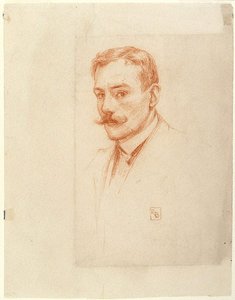
Rupert Charles Wulsten Bunny
1864 - 1947 , Australia
Dettagli rapidi
- Artistic Movement Or Style: Simbolismo
- Artists Who Influenced This Artist:
- Calderon
- Laurens
- Date Of Birth: 29 settembre 1864
- Date Of Death: 25 maggio 1947
- Full Name: Rupert Charles Wulsten Bunny
- Nationality: Australiano
- Notable Artworks:
- Endormies
- Idilli marini
- Pastorale
- Place Of Birth: St Kilda, Australia
Articoli correlati
Eleganza senza tempo: i 10 capolavori d'arte più raffinati per la tua casa |
Scopri i 10 capolavori d'arte più eleganti di sempre! Esplora la storia, gli artisti e le tecniche dietro opere iconiche come Monet e Klimt. Trova stampe su tela e riproduzioni artistiche per una casa raffinata su
The Allure of Elegance: Exploring Artistic Representations of Refinement Across Movements
Explore the captivating history of elegance in art, from Rococo's grace to Romanticism’s passion. Discover investment-worthy masterpieces & expert guidance for building your collection with OriginalUniqueArt.
Sir Joshua Reynolds: I 25 Capolavori che Definirono un'Epoca | Arte e Decorazioni di Lusso
Esplora i 25 capolavori di Sir Joshua Reynolds, il maestro del ritratto inglese e pioniere del neoclassicismo. Scopri la storia, le tecniche e l'eleganza senza tempo delle sue opere più famose. Trova riproduzioni d'arte di lusso su OriginalUniqueArt.com!

The Allure of Elegance in Art: A Historical & Aesthetic Exploration of Refined Beauty
Explore the history of elegance in art! Discover Rococo masterpieces & key artists. Expert insights for discerning collectors seeking investment-worthy artworks and custom reproductions at OriginalUniqueArt.

The Allure of Elegance in Art: A Historical & Aesthetic Exploration of Refinement & Grace
Explore the exquisite world of Rococo art! Discover its history, masters (Watteau, Boucher & more), and defining elegance. Expert insights for collectors seeking museum-quality reproductions & custom portraits.

