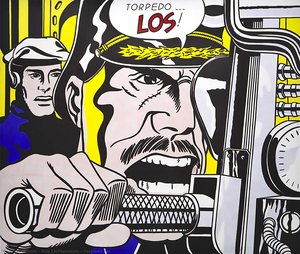
Anteprima in scala reale
 Condividi
 Condividi
 Dettagli

 Scarica
 Articoli simili
 Radiografia
 Slideshow
 Statistiche
Bathroom


 Leggi tutto
Riproduzione a olio fatta a mano
Olio su tela dipinto a mano nelle tue dimensioni e con la tua cornice, realizzato su ordinazione dai nostri artisti. ( Passa alle stampe Passa all'immagine digitale)




P118B $10

P118H $10

P118W $10

P438Z $10

P508JH $12

P508YH $12

P805H $10

P805Z $10

P919BZ $10

P919G $10

P919XJ $10

P959ZH $10

P968JZ $12

W106C $8

W218G $10

W218JH $8

W218Y $10

W307PJ $10

W316G $10

W316PJ $8

W316Y $10

W398PJ $8

W4111J $10

W500HY $15

W500JH $15

W692G $12

W849H $8

W940BG $15

W953PJ $8




Scegli tra le nostre dimensioni predefinite, che rispettano le proporzioni originali dell'opera d'arte.

È possibile inserire dimensioni personalizzate per adattare l'opera a una cornice o a uno spazio specifico. Se la dimensione selezionata non corrisponde alle proporzioni dell'immagine originale, provvederemo a ritagliare l'opera o a estendere il dipinto con elementi aggiuntivi dipinti a mano. Un mockup digitale ti sarà inviato per approvazione prima dell'inizio della produzione.
Si prega di notare che l'anteprima a schermo non riflette il ritaglio o l'estensione effettivi. Solo il mockup mostrerà accuratamente la composizione finale.
Sebbene siano disponibili dimensioni personalizzate, consigliamo di selezionare una dimensione dall'elenco predefinito per preservare le proporzioni originali.
Dopo l'ordine, il team di OriginalUniqueArt.com contatterà il cliente via e-mail per ricevere le istruzioni e fornirà un'anteprima del mockup
Consegna in tutto il mondo () in 3/4 settimane anziché nelle normali 5 settimane. (13 Settembre). Nessun compromesso sulla qualità.

Spedizione espressa gratuita in tutto il mondo

Tela in lino di alta qualità

Assicurazione completa sulla spedizione

Garanzia di rimborso dei dazi doganali

Garanzia di perfetta fedeltà cromatica

Politica di reso entro 100 giorni (solo per difetti di fabbricazione)

Garanzia di rimborso al 100%

Sconto per acquisti multipli
 L'opzione vetro è disponibile solo per dimensioni inferiori a 110 cm

Bathroom
Tecnica di riproduzione
Dimensioni della riproduzione
-


Prezzo totale
$ 300
A Snapshot of Everyday Life Elevated
In the vast landscape of twentieth-century art, few works possess the immediate, graphic punch of Roy Lichtenstein’s 1961 masterpiece, "Bathroom." At first glance, the viewer is presented with a scene of profound mundanity—a simple, monochromatic interior featuring the essential fixtures of domestic life. Yet, beneath this seemingly banal surface lies a revolutionary interrogation of what constitutes "fine art." Lichtenstein does not merely depict a bathroom; he reconstructates it through the lens of mass media, transforming a private, utilitarian space into a striking icon of the Pop Art movement. This piece serves as an arresting testament to the era's fascination with elevating the commonplace into the realm of high artistic contemplation.
The brilliance of "Bathroom" lies in its seamless fusion of high culture and low-brow aesthetics. By adopting the visual language of comic strips and commercial advertisements, Lichtenstein disrupts the traditional boundaries of painting. The composition is rendered with a calculated, almost schematic clarity, utilizing an elevated perspective that looks down into the space as if observing a single panel from a larger, unseen narrative. There is no attempt at lush realism here; instead, we find a world defined by bold, thick outlines and flat, tonal areas that prioritize graphic impact over atmospheric depth. For the collector or interior designer, this creates a piece that is both intellectually stimulating and visually commanding, capable of anchoring a modern space with its clean, architectural energy.
The Alchemy of Technique and Texture
To truly appreciate "Bathroom," one must look closer at the meticulous craftsmanship hidden within its mechanical appearance. While the work mimics the industrial look of a printing press, it is actually a triumph of manual precision. Lichtenstein famously employed the Ben-Day dot technique—a method of using small, closely spaced dots to create shading and texture. In "Bathroom," these halftone patterns are painstakingly applied to suggest the tactile quality of a bath mat or the rhythmic pattern of tiled walls. This deliberate use of dotting creates an illusion of depth and texture that defies the inherent flatness of the medium, inviting the eye to linger on the subtle gradations of gray and black.
The monochromatic palette is a masterstroke of restraint. By stripping away color, Lichtenstein forces the viewer to focus entirely on form, line, and contrast. The interplay between the stark black outlines and the varying shades of gray creates a rhythmic movement across the canvas, guiding the gaze from the geometric precision of the sink to the patterned surfaces of the floor. This lack of color emphasizes the work's connection to the newsprint and pulp magazines of the postwar era, reinforcing its identity as an art object born from the pulse of popular culture. It is this tension between the mechanical aesthetic and the hand-crafted execution that gives the reproduction a sense of profound, lasting quality.
A Mirror to the Postwar Soul
Beyond its striking visual appeal, "Bathroom" carries a weight of historical significance that resonates with the spirit of the 1960s. Emerging from the shadow of World War II, the Pop Art movement sought to reject the intense, subjective emotionalism of Abstract Expressionism in favor of something more accessible and objective. Lichtenstein’s choice of subject matter—the domestic, the repetitive, and the mass-produced—serves as a subtle commentary on the rise of consumerism and the standardization of modern life. The bathroom, a site of private ritual, is here transformed into a public statement about the beauty found in the industrial and the everyday.
For those seeking to bring a piece of art history into their homes or galleries, "Bathroom" offers more than just decoration; it offers an invitation to reconsider our visual environment. It evokes a sense of nostalgia for the mid-century era while maintaining a timeless, avant-garde edge. The emotional impact is not one of heavy sentimentality, but rather a crisp, intellectual engagement—a playful yet profound recognition that art can be found in the most unexpected corners of our daily existence. Owning a high-quality reproduction of this work means possessing a fragment of the revolution that forever changed how we perceive the world around us.
Biografia dell'artista
vitae e istruzione
Roy Fox Lichtenstein, un illustre artista pop americano, è nato il 27 ottobre 1923 a New York City. È cresciuto in una famiglia ebraica della classe media alta, con suo padre agente immobiliare e sua madre casalinga. L'interesse di Lichtenstein per l'arte e il design è iniziato come hobby durante i suoi anni scolastici.Carriera artistica
Dopo aver completato la sua istruzione superiore alla Dwight School nel 1940, Lichtenstein ha frequentato l'Art Students League of New York sotto la guida di Reginald Marsh. Ha poi conseguito una laurea in belle arti presso l'Ohio State University, che è stata interrotta da un periodo di tre anni nell'esercito durante la Seconda Guerra Mondiale.- Look Mickey (1961, National Gallery of Art, Washington, D.C.), una delle prime opere pop art di Lichtenstein, ha segnato l'inizio della sua influente carriera.
- Il suo lavoro è stato fortemente influenzato dagli stili pubblicitari e dei fumetti popolari, con opere notevoli tra cui Wham!, Drowning Girl e Oh, Jeff...I Love You Too...But...
- Il pezzo più costoso di Lichtenstein, Masterpiece, è stato venduto per 165 milioni di dollari nel gennaio 2017.
Insegnamento e influenze
Lichtenstein ha insegnato presso varie istituzioni, tra cui l'Università dello Stato di New York a Oswego e l'Università Rutgers. Il suo lavoro è stato influenzato da Allan Kaprow, un collega docente all'Università Rutgers, che ha riacceso il suo interesse per le immagini proto-pop. Mostre degne di nota:- The Museum Chambre de Commerce (Tolosa, Francia), che presenta varie opere d'arte, tra cui quelle del movimento pop art.
- Il lavoro di Lichtenstein è stato esposto alla Leo Castelli Gallery a New York City, con il suo primo singolo in 1962 acquistato interamente da collezionisti influenti prima dell'apertura.
Eredità e impatto
Roy Lichtenstein è morto il 29 settembre 1997, lasciando dietro di sé un'eredità come figura di spicco nel movimento pop art. Il suo lavoro continua ad essere celebrato per la sua innovativa fusione tra arte alta e bassa, rendendola accessibile a un pubblico più ampio.- Esplora altri lavori di Lichtenstein su OriginalUniqueArt.com
- Scopri il mondo dell'arte pop e dei suoi influenti artisti su Arte Pop e oltre: navigare tra gli stili contemporanei con OriginalUniqueArt.com
- Wikipedia: Roy Lichtenstein
- The Museum Chambre de Commerce (Tolosa, Francia) su OriginalUniqueArt.com

Roy Lichtenstein
1923 - 1997 , Stati Uniti d'America
Informazioni rapide
- Artisti Che Hanno Influenzato Questo Artista:
- Reginald Marsh
- Allan Kaprow
- Data Di Morte: 29 settembre 1997
- Data Di Nascita: 27 ottobre 1923
- Luogo Di Nascita: Manhattan, Stati Uniti
- Movimento Artistico: Pop Art
- Nazionalità: Americano
- Nome Completo: Roy Lichtenstein
- Opere Notevoli:
- Look Mickey
- Whaam!
- Drowning Girl
- Masterpiece
Articoli correlati
I 10 Capolavori Pop Art Che Hanno Rivoluzionato l'Arte e il Design
Esplora i 10 capolavori Pop Art di Andy Warhol, Roy Lichtenstein e altri maestri. Scopri la storia, le tecniche e l'impatto culturale di questo rivoluzionario movimento artistico. Trova riproduzioni artistiche di alta qualità su !

The Psychology of the Palette: Decoding Roy Lichtenstein's Bold Color Theory
Explore the psychological depth of Roy Lichtenstein's color theory. An expert analysis for art students and collectors on Ben-Day dots, primary palettes, and the intersection of Pop Art with mass media history.
The Psychology of the Palette: Decoding Roy Lichtenstein's Bold Color Theory
Explore the profound psychological depth of Roy Lichtenstein's color theory. Discover how his use of primary colors and Ben-Day dots revolutionized modern art, transforming mass media imagery into sophisticated fine art for the discerning collector.
Roy Lichtenstein: Le 25 Opere Iconiche che Hanno Rivoluzionato l'Arte Pop | OriginalUniqueArt
Esplora le 25 opere iconiche di Roy Lichtenstein, il maestro della Pop Art! Scopri la storia, i colori e lo stile unico dei suoi dipinti più famosi. Trova riproduzioni d'arte di alta qualità per arredare casa con OriginalUniqueArt.com.

Pop Power: The High-Impact Color Theory of Roy Lichtenstein | A Visual Journey into Pop Art Mastery
Dive into the high-impact world of Roy Lichtenstein. Explore how his bold color theory, Ben-Day dots, and comic book aesthetics revolutionized modern art and continue to define contemporary visual culture.