Anteprima in scala reale
 Condividi
 Condividi
 Dettagli
 Guida stampabile

 Scarica
 Articoli simili
 Radiografia
 Slideshow
 Statistiche
Pietà
 Olio su tela
- Opere da parete
- Baroque
 1537
1537 125.0 x 159.0 cm
 Musée du Louvre
 Leggi tutto
Riproduzione a olio fatta a mano
Olio su tela dipinto a mano nelle tue dimensioni e con la tua cornice, realizzato su ordinazione dai nostri artisti. ( Passa alle stampe Passa all'immagine digitale)




P118B €10

P118H €10

P118W €10

P438Z €10

P508JH €12

P508YH €12

P805H €10

P805Z €10

P919BZ €10

P919G €10

P919XJ €10

P959ZH €10

P968JZ €12

W106C €8

W218G €10

W218JH €8

W218Y €10

W307PJ €10

W316G €10

W316PJ €8

W316Y €10

W398PJ €8

W4111J €10

W500HY €15

W500JH €15

W692G €12

W849H €8

W940BG €15

W953PJ €8




Scegli tra le nostre dimensioni predefinite, che rispettano le proporzioni originali dell'opera d'arte.

Inserisci la larghezza e l'altezza di cui hai bisogno, per adattarle alla tua cornice o alla tua parete. Trattandosi di un'opera dipinta a mano, in caso di dimensioni con una forma differente, l'artista può dipingere un po' più oltre i bordi dell'immagine o ritagliare leggermente — la scelta spetta a te. Ti invieremo un mockup digitale da approvare prima che la pittura abbia inizio. L'immagine mostrata in questa pagina non rappresenta il risultato reale — solo il mockup lo fa.
Dopo l'ordine, il team di OriginalUniqueArt.com contatterà il cliente via e-mail per ricevere le istruzioni e fornirà un'anteprima del mockup
Consegna in tutto il mondo () in 3/4 settimane anziché nelle normali 5 settimane. (25 Ottobre). Nessun compromesso sulla qualità.

Spedizione espressa gratuita in tutto il mondo

Tela in lino di alta qualità

Assicurazione completa sulla spedizione

Garanzia di rimborso dei dazi doganali

Garanzia di perfetta fedeltà cromatica

Politica di reso entro 100 giorni (solo per difetti di fabbricazione)

Garanzia di rimborso al 100%

Sconto per acquisti multipli
 L'opzione vetro è disponibile solo per dimensioni inferiori a 110 cm

Pietà
Tecnica di riproduzione
Dimensioni della riproduzione
-


Prezzo totale
€ 351
A Symphony of Sorrow: Rosso Fiorentino’s Pietà
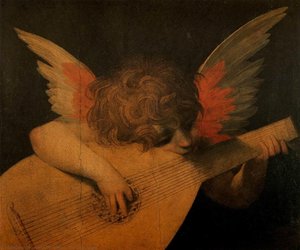
The year is 1537. A profound grief hangs heavy in the air, mirrored in the masterful execution of Rosso Fiorentino's *Pietà*. This isn’t merely a depiction of Christ’s Lamentation; it’s an immersive experience, a plunge into the raw, visceral emotion that defined the Baroque era. Measuring 125 x 159 cm, this painting transcends its physical dimensions to become a vessel for sorrow, faith, and the enduring human struggle with loss. The scene unfolds with dramatic intensity – Mary, draped in flowing robes of cool blues and whites, cradles the lifeless body of her son, while other figures, rendered in warm reds, oranges, and browns, swirl around them in an almost chaotic dance of grief. It’s a composition that demands attention, pulling the viewer into the heart of this agonizing moment.Baroque Drama: Technique and Composition
Rosso Fiorentino was a key figure in the transition from High Renaissance ideals to the expressive dynamism of Mannerism. His *Pietà* exemplifies this shift through its masterful use of technique. The painting is executed with meticulous brushwork, layering textures that create an astonishing sense of volume and depth. Notice how the folds of Mary’s drapery aren't simply painted; they appear to ripple and flow, conveying movement and a profound sense of weight. Strong diagonal lines contribute significantly to the composition’s instability, mirroring the emotional turmoil at its core. The artist employs *chiaroscuro* – the dramatic contrast between light and dark – with breathtaking skill, highlighting key figures like Christ's body and Mary’s face while casting deep shadows that amplify the mood of sorrow. This technique wasn’t just about visual effect; it was a deliberate strategy to evoke an emotional response in the viewer, mirroring the theatrical conventions popular at the time. The use of oil paints on canvas allowed for rich color saturation and blending, further enhancing the painting's dramatic impact.Symbolism Woven into Sorrow
Beyond its technical brilliance, the *Pietà* is laden with symbolic meaning deeply rooted in Christian iconography. The scene directly references the traditional depiction of Mary mourning over Christ’s body after his crucifixion – a motif that resonated powerfully throughout the medieval and Renaissance periods. Mary's posture, both sorrowful and resolute, represents maternal grief intertwined with unwavering faith. The pyramidal composition, with Christ’s body forming the base, is a classic device used to convey stability and dignity even in death. The surrounding figures aren’t just witnesses; they are participants in this sacred lament, embodying the universal human experience of loss and suffering. The overall effect is one of profound contemplation – an invitation to consider themes of mortality, redemption, and the enduring power of faith.A Legacy of Emotion
Created by Rosso Fiorentino in 1537, this *Pietà* stands as a testament to his artistic genius and his ability to capture the raw emotion of a pivotal moment in Christian history. The painting’s enduring power lies not only in its technical mastery but also in its profound emotional impact – a reminder of our shared humanity and the timeless themes of grief, loss, and faith. A hand-painted reproduction offers an unparalleled opportunity to experience this masterpiece firsthand, bringing its dramatic beauty and poignant symbolism into your home or studio.Domande e risposte
"Pietà" di Rosso Fiorentino si trova nel paese d'origine dell'artista?
No - l'opera si trova all'estero. Il paese di nascita di Rosso Fiorentino è Italia, mentre il museo che custodisce l'originale di "Pietà" si trova in Francia.
Che armonia cromatica esprime "Pietà" di Rosso Fiorentino?
"Pietà" di Rosso Fiorentino presenta un'armonia cromatica Strong Color Unity.
"Pietà" di Rosso Fiorentino è un ritratto, un paesaggio o una composizione quadrata?
Il formato di "Pietà" è Landscape. Questo è utile quando si pianifica dove posizionare una riproduzione.
Biografia dell'artista
Rosso Fiorentino: Una Biografia
- Nome: Rosso Fiorentino (Giovanni Battista di Jacopo)
- Nato: 8 marzo 1495, Firenze, Italia
- Morto: 14 novembre 1540, Fontainebleau, Francia
Primi Anni e Formazione
- Rosso Fiorentino, il cui nome si traduce in "Rosso Fiorentino" a causa dei suoi distinti capelli rossi, iniziò il suo percorso artistico a Firenze.
- Ricevette la sua formazione iniziale all'interno dello stimato studio di Andrea del Sarto, una figura di spicco della pittura rinascimentale fiorentina.
- Questo periodo lo collocò accanto a un altro artista importante dell'epoca, Pontormo, favorendo un ambiente condiviso di esplorazione e sviluppo artistico.
- L'influenza della scuola florentina di pittura durante questi anni formativi plasmò significativamente il suo stile futuro.
Stile Artistico e Influenze
- Il lavoro di Rosso Fiorentino è caratterizzato dalla sua intensa drammaticità, dall'uso audace del colore e dalla sorprendente espressione emotiva.
- Incorporava frequentemente autoritratti nelle sue composizioni, spesso raffigurandosi come una figura chiave all'interno della narrazione.
- L'artista fu pesantemente influenzato dalle opere di Michelangelo e Raffaello, evidente soprattutto nella sua padronanza del chiaroscuro – la tecnica di utilizzare forti contrasti tra luce e oscurità per creare profondità e volume.
- Il suo stile è considerato parte del movimento manierista, che emerse nel XVI secolo come reazione all'enfasi dell'Alto Rinascimento sull'equilibrio e l'armonia. Il Manierismo favoriva forme allungate, prospettive distorte ed emotività accentuata.
Opere Notabili e Realizzazioni
- La Deposizione: Considerato uno dei capolavori di Rosso Fiorentino, questo dipinto esemplifica il suo stile unico attraverso la sua illuminazione drammatica e la rappresentazione carica emotivamente della scena.
- L'Elefante, Château de Fontainebleau: Quest'opera mette in mostra la sua capacità di catturare l'essenza dei suoi soggetti con dettagli e realismo notevoli. Evidenzia anche la sua carriera successiva lavorando in Francia.
- Mosè e le Figlie di Giafronte: Dimostra una composizione complessa e una profondità emotiva caratteristica del suo stile maturo.
- I suoi contributi alla decorazione del Château de Fontainebleau furono significativi, anche se tragicamente interrotti dalla sua prematura morte.
Eredità e Significato Storico
- L'influenza di Rosso Fiorentino si estese oltre la sua vita, influenzando le generazioni successive di artisti.
- Francesco Primaticcio, che lo succedette come artista principale al Château de Fontainebleau, fu notevolmente influenzato dallo stile di Rosso.
- Il suo lavoro ha svolto un ruolo cruciale nello sviluppo e nella popolarizzazione del Manierismo, contribuendo alla sua enfasi sull'espressione drammatica e l'innovazione artistica.
- I dipinti di Rosso Fiorentino si possono trovare in vari musei e collezioni in tutto il mondo, tra cui la Galleria Nazionale d'Arte Moderna e Contemporanea a Roma.

Rosso Fiorentino
1495 - 1540 , Italia
Informazioni rapide
- Artistic Movement Or Style: Manierismo
- Artists Or Movements Influenced By This Artist: ['Francesco Primaticcio']
- Artists Who Influenced This Artist:
- Michelangelo
- Raphael
- Andrea del Sarto
- Date Of Birth: 8 marzo 1495
- Date Of Death: 14 novembre 1540
- Full Name: Rosso Fiorentino (Giovanni Battista)
- Nationality: Italiana
- Notable Artworks:
- Deposizione
- Elefante, Fontainebleau
- Mosè e le figlie di Giafronte
- Pietà
- Place Of Birth (City And Country): Firenze, Italia
Articoli correlati

I 10 Capolavori Barocchi che Hanno Definito un'Epoca | Arte e Decorazioni di Lusso
Esplora i 10 capolavori barocchi di Caravaggio, Bernini e Rembrandt che hanno rivoluzionato l'arte. Scopri storie, tecniche e colori iconici. Trova riproduzioni d'arte di alta qualità per la tua casa su !

The Dramatic Flourish: Exploring the Baroque Movement's Enduring Legacy in Art History
Explore the dramatic world of Baroque art! Discover iconic artists like Caravaggio & Rubens, defining techniques, and its lasting impact on art history. Expert insights for collectors & enthusiasts at OriginalUniqueArt.

The Visceral Stage: Exploring Dramatic Narratives & Emotional Intensity in Baroque Art
Explore the dramatic world of Baroque art! Discover iconic masters like Caravaggio & Rembrandt, their techniques, and the movement's lasting impact. Expert insights for collectors & enthusiasts at OriginalUniqueArt.

Baroque Classicism: The Grandeur of Order and Drama in 17th-Century Art History
Explore the profound elegance of Baroque Classicism. Discover how 17th-century masters synthesized dramatic emotion with classical order through the lens of the Counter-Reformation and the works of legends like Carlo Maratta and Andrea Sacchi.

Il Dramma Barocco: Portare Splendore ed Emozione negli Interni Contemporanei
Scopri come portare il dramma e lo splendore dell'arte barocca nei tuoi interni con . Riproduzioni di alta qualità, consulenza d'arte personalizzata e ispirazione per uno stile unico.