

 Anteprima in scala reale
 Invia
Invia Condividi
 Dettagli opera
 Guida
Guida

 Scarica
 Simili
 Radiografia
 Slideshow
 Statistiche
Rogier van der Weyden, Il Giudizio Universale
 Olio su tavola
- Opere da parete
- Early Netherlandish Painting
 1446
1446- Tardo Medioevo
 Musée de l'Hôtel Dieu
 Espandi i dettagli
Giclée / Stampe d'arte
Stampa giclée o su tela di qualità museale, con produzione rapida e diverse opzioni di finitura. ( Acquista il dipinto realizzato a mano Passa all'immagine digitale)




P118B €10

P118H €10

P118W €10

P438Z €10

P508JH €12

P508YH €12

P805H €10

P805Z €10

P919BZ €10

P919G €10

P919XJ €10

P959ZH €10

P968JZ €12

W106C €8

W218G €10

W218JH €8

W218Y €10

W307PJ €10

W316G €10

W316PJ €8

W316Y €10

W398PJ €8

W4111J €10

W500HY €15

W500JH €15

W692G €12

W849H €8

W940BG €15

W953PJ €8




Scegli tra le nostre dimensioni predefinite, che rispettano le proporzioni originali dell'opera d'arte.

Inserisci la larghezza e l'altezza desiderate, per adattarle alla tua cornice o alla tua parete. Una stampa può essere solo ritagliata, mai resa più grande dell'immagine originale; pertanto, un formato con una forma differente comporterà la perdita di una parte dell'opera. Ti invieremo un mockup digitale da approvare prima di procedere con la stampa. L'immagine mostrata in questa pagina non rappresenta il ritaglio reale — solo il mockup lo mostra.
Consegna in tutto il mondo () in 2 settimane invece delle normali 4/5 settimane. (28 Ottobre)

Spedizione espressa gratuita in tutto il mondo

Tela in lino di alta qualità

Assicurazione completa sulla spedizione

Garanzia di rimborso dei dazi doganali

Garanzia di fedeltà cromatica assoluta

Politica di reso entro 100 giorni (solo per difetti di fabbricazione)

Garanzia di rimborso al 100%

Offerta per acquisti multipli
 L'opzione vetro è disponibile solo per dimensioni inferiori a 110 cm

Rogier van der Weyden, Il Giudizio Universale
Giclée / Stampe d'arte
Dimensioni riproduzione
-


Prezzo finale calcolato
€ 71
Rogier van der Weyden: A Vision of Divine Justice
Rogier van der Weyden (c. 1399 – 1464) stands as an undisputed titan amongst Early Netherlandish painters, a figure whose legacy continues to resonate through centuries of artistic innovation and spiritual contemplation. Born in Tournai, Belgium—a city steeped in medieval tradition yet poised on the cusp of Renaissance fervor—van der Weyden’s career unfolded against a backdrop of political upheaval and burgeoning humanist thought, shaping him into an artist uniquely attuned to capturing both the grandeur of faith and the profound complexities of human emotion. His enduring fame rests not merely upon his prolific output but upon the singular quality of his work: paintings imbued with an unparalleled sensitivity to detail and a breathtaking mastery of technique—works that transcend mere representation to become embodiments of artistic genius.- The Beaune Altarpiece
- Portrait of a Lady
- The Last Judgment (Detail)
A Master of Emotion: The Life and Legacy of Rogier van der Weyden
Little is known about van der Weyden’s formative years. Records from Tournai offer tantalizing glimpses into his early life, hinting at a family rooted in the craft guilds—specifically, the knife manufacturing trade—where his father served as maître-coutelier. This apprenticeship instilled within him an unwavering dedication to meticulous observation and craftsmanship—qualities that would become hallmarks of his artistic style. The precision demanded by working with precious metals undoubtedly translated into the exquisite rendering of textures, fabrics, and expressions that define his masterpieces. He wasn’t merely depicting reality; he was recreating it with painstaking accuracy, imbued with an almost reverent attention to detail. His influence extended far beyond his immediate surroundings, shaping the artistic sensibilities of subsequent generations and establishing him as one of the triumvirate of masters—alongside Jan van Eyck and Hans Memling—who ushered in the Renaissance aesthetic in Northern Europe.Style & Technique: The Pursuit of Naturalism
Van der Weyden’s artistic style is instantly recognizable for its elegant linearity and refined naturalism. He eschewed the heavily textured surfaces favored by some contemporaries, opting instead for smooth, polished planes of color—a deliberate choice that prioritized clarity and luminosity. Crucially, he utilized oil paint with unprecedented skill, achieving levels of detail previously unattainable. This medium allowed him to capture subtle nuances of light and shadow, conveying a remarkable sense of depth and realism. Note how each figure is individually characterized, conveying a unique emotional state—a hallmark of van der Weyden’s approach that distinguishes him from many other artists of his time. The composition maintains a remarkable order despite its densely populated figures; he was known to employ a diverse color palette, ensuring no single tone was repeated—a technique designed to heighten visual impact and enrich the overall aesthetic experience.Historical Context & Influences: Gothic Roots, Renaissance Aspirations
Created around 1446, *The Last Judgment* reflects the fervent religious fervor of the fifteenth century—a period marked by profound spiritual introspection and a preoccupation with mortality. Van der Weyden’s art was deeply influenced by the International Gothic style, which prioritized elegance and decorative splendor. However, he infused it with a new level of realism and emotional intensity—anticipating the stylistic trends that would characterize the burgeoning Renaissance movement. He became incredibly influential himself, impacting artists across Europe—from Dieric Bouts in the Netherlands to Fernando Gallego in Spain. His work traveled extensively, disseminating his innovative techniques and aesthetic sensibilities throughout Christendom.Symbolism & Interpretation: A Moral Compass
*The Last Judgment* is rich with symbolic meaning—a testament to van der Weyden’s profound engagement with theological concepts. The contorted bodies and expressions of anguish represent the torment of those condemned to Hell, while gestures of supplication signify a desperate plea for divine mercy. This particular detail from *The Last Judgment* doesn't show it, but the complete polyptych presents Christ as Judge flanked by saints and angels—a cosmological vision designed to inspire awe and provoke contemplation. The overarching message is a cautionary tale: a reminder of the consequences of sin and the imperative of living a virtuous life. Consider how this artwork – or a high-quality reproduction – can add a dramatic and thought-provoking element to any interior space, inviting viewers to engage in dialogue about faith, morality, and the enduring quest for meaning.Domande e risposte
Come è strutturata la composizione cromatica di "Rogier van der Weyden, Il Giudizio Universale" di Rogier van der Weyden?
In "Rogier van der Weyden, Il Giudizio Universale", un Dichiarazione contrasto si sposa con una Tavolozza discordante armonia.
Il soggetto di "Rogier van der Weyden, Il Giudizio Universale" è coerente con i temi abituali di Rogier van der Weyden?
Tra i temi ricorrenti di Rogier van der Weyden - gothic style revival, religious symbolism intense, burgundian court patronage, psychological depth vision, artist legacy masterpiece - "Rogier van der Weyden, Il Giudizio Universale" pone un particolare accento su religious art, judgement day, medieval painting, portraiture, divine justice, renaissance influence, symbolism.
È disponibile una guida per "Rogier van der Weyden, Il Giudizio Universale" di Rogier van der Weyden?
È disponibile una pagina Schede didattiche per "Rogier van der Weyden, Il Giudizio Universale" di Rogier van der Weyden: una scheda informativa stampabile sull'opera d'arte, pensata per studenti e per l'uso didattico in classe.
Biografia dell'artista
vita e carriera
rogier van der weyden, noto anche come roger de la pasture, è stato un pittore fiammingo precoce di spicco attivo nel XV secolo. Nato in Belgio intorno al 1400, è diventato uno degli artisti più influenti del suo tempo, con le sue opere che hanno ottenuto un notevole riconoscimento nei Paesi Bassi, in Italia e in Spagna.stile artistico e tecnica
Lo stile artistico di Van der Weyden era caratterizzato da una ricca colorazione, da un'espressione simpatica e da un approccio unico al pathos e al naturalismo. Le sue figure apparivano spesso statueche, soprattutto nei suoi trittici, che presentavano dettagli intricati e caratteristiche facciali idealizzate. Ha impiegato una vasta tavolozza di colori, assicurandosi che nessun singolo tono venisse ripetuto, aggiungendo profondità e complessità alle sue composizioni.opere notevoli
* santo lucio che disegna un ritratto della Madonna (Museo di Belle Arti di Boston): questo dipinto mostra la maestria di Van der Weyden nella pittura a olio su tavola, con una splendida rappresentazione del santo Luca. * Lamentazioni (Musée des Beaux-Arts di Tournai, Belgio): questo piccolo ma potente dipinto dimostra la capacità di Van der Weyden di esprimere intensità emotiva attraverso il chiaroscuro.musei e collezioni
* Musée des Beaux-Arts di Tournai, Belgio: ospita una collezione impressionante delle opere di Van der Weyden, tra cui il dipinto a due facce di Jean de Gros. * Musées royaux des Beaux-Arts (Bruxelles, Belgio): ospita una collezione significativa di dipinti fiamminghi antichi, tra cui opere di Van der Weyden e altri artisti importanti.eredità
L'influenza di Van der Weyden sul Rinascimento settentrionale è innegabile. Era al fianco di Robert Campin e Jan van Eyck come uno dei tre grandi artisti fiamminghi antichi, rinomato per il suo stile e la sua tecnica innovativi. Nonostante la sua fama sia diminuita nel XVII secolo, le opere di Van der Weyden sono state riscoprite nel XIX secolo e ora è considerato una figura importante nella storia della pittura fiamminga antica.- visualizza altre opere di rogier van der weyden su OriginalUniqueArt.com
- esplora la collezione del Musée des Beaux-Arts di Tournai su scopri i capolavori del Musée des Beaux-Arts di Tournai, Belgio
- impara a conoscere la pittura fiamminga antica su wikipedia
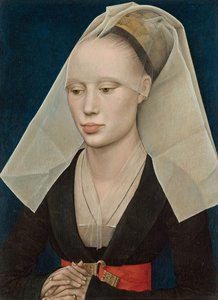
Rogier van der Weyden
1400 - 1464 , Belgio
Dettagli rapidi
- Artisti Influenti: ['Robert Campin']
- Artisti Influenzati: ['Goswijn van der Weyden']
- Data Di Morte: 1464
- Data Di Nascita: circa 1400
- Luogo Di Nascita: Tournai, Belgio
- Movimento Artistico: Primitivi fiamminghi
- Nazionalità: Belga
- Nome Completo: Rogier van der Weyden
- Opere Notevoli:
- San Luca che disegna la Madonna
- Lamentazione
- Deposizione
- Trittico Bladelin
Articoli correlati
I 10 Capolavori del Rinascimento Netherlandese: Arte, Storia e Decorazioni di Lusso
Esplora i 10 capolavori del Rinascimento Netherlandese: Jan van Eyck, Rogier van der Weyden e altri maestri fiamminghi. Scopri la storia, le tecniche e il simbolismo di questi dipinti iconici. Riproduzioni d'arte di lusso su OriginalUniqueArt.com.

Rogier van der Weyden: Emozione, Innovazione e il Rinascimento Fiammingo Iniziale
Esplora la vita e le opere di Rogier van der Weyden, maestro del Rinascimento Fiammingo. Analisi approfondita del suo stile innovativo, il realismo emotivo e l'influenza sull'arte europea. Scopri i suoi capolavori!

Jan van Eyck: Innovazione, Simbolismo e l'Alba della Pittura Primitiva Fiamminga
Esplora l'innovazione e il simbolismo rivoluzionari di Jan van Eyck, padre della pittura fiamminga. Analisi approfondita della tecnica ad olio, del Polittico dell'Agnello Mistico e dei suoi capolavori. Scopri la sua eredità artistica.

Ugo van der Goes: Devozione, Innovazione e la Profondità Psicologica della Pittura Fiamminga del Primo Rinascimento
Esplora la vita e le opere di Ugo van der Goes, maestro del Rinascimento fiammingo. Analisi approfondita dell'Altare Portinari, delle sue innovazioni tecniche e dell'impatto sulla storia dell'arte.

I 10 Capolavori della Pittura Fiamminga Antica: Arte, Storia e Stile per la Tua Casa
Esplora i 10 capolavori della pittura fiamminga antica! Jan van Eyck, Rogier van der Weyden e altri maestri rinascimentali. Scopri storia, tecnica e simbolismo di questi dipinti iconici. Trova riproduzioni d'arte di alta qualità per la tua casa su OriginalUniqueArt.com.


