Anteprima in scala reale
 Condividi
 Condividi
 Dettagli
 Guida stampabile

 Scarica
 Articoli simili
 Radiografia
 Slideshow
 Statistiche
Francesco d'Este
 Acrilico su tela
- Opere da parete
- Early Netherlandish Renaissance
 1460
1460 31.0 x 22.0 cm
 Metropolitan Museum of Art
 Leggi tutto
Riproduzione a olio fatta a mano
Olio su tela dipinto a mano nelle tue dimensioni e con la tua cornice, realizzato su ordinazione dai nostri artisti. ( Passa alle stampe Passa all'immagine digitale)




P118B €10

P118H €10

P118W €10

P438Z €10

P508JH €12

P508YH €12

P805H €10

P805Z €10

P919BZ €10

P919G €10

P919XJ €10

P959ZH €10

P968JZ €12

W106C €8

W218G €10

W218JH €8

W218Y €10

W307PJ €10

W316G €10

W316PJ €8

W316Y €10

W398PJ €8

W4111J €10

W500HY €15

W500JH €15

W692G €12

W849H €8

W940BG €15

W953PJ €8




Scegli tra le nostre dimensioni predefinite, che rispettano le proporzioni originali dell'opera d'arte.

Inserisci la larghezza e l'altezza di cui hai bisogno, per adattarle alla tua cornice o alla tua parete. Trattandosi di un'opera dipinta a mano, in caso di dimensioni con una forma differente, l'artista può dipingere un po' più oltre i bordi dell'immagine o ritagliare leggermente — la scelta spetta a te. Ti invieremo un mockup digitale da approvare prima che la pittura abbia inizio. L'immagine mostrata in questa pagina non rappresenta il risultato reale — solo il mockup lo fa.
Dopo l'ordine, il team di OriginalUniqueArt.com contatterà il cliente via e-mail per ricevere le istruzioni e fornirà un'anteprima del mockup
Consegna in tutto il mondo () in 3/4 settimane anziché nelle normali 5 settimane. (21 Ottobre). Nessun compromesso sulla qualità.

Spedizione espressa gratuita in tutto il mondo

Tela in lino di alta qualità

Assicurazione completa sulla spedizione

Garanzia di rimborso dei dazi doganali

Garanzia di perfetta fedeltà cromatica

Politica di reso entro 100 giorni (solo per difetti di fabbricazione)

Garanzia di rimborso al 100%

Sconto per acquisti multipli
 L'opzione vetro è disponibile solo per dimensioni inferiori a 110 cm

Francesco d'Este
Tecnica di riproduzione
Dimensioni della riproduzione
-


Prezzo totale
€ 262
Francesco d'Este: A Portrait of Nobility Embodied
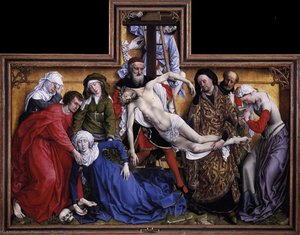
Rogier van der Weyden’s “Francesco d’Este” – painted circa 1460 – transcends mere representation; it is a masterful distillation of humanist ideals and aristocratic prestige, capturing the essence of Renaissance patronage within a meticulously crafted devotional tableau. This portrait, housed in the Museo Nazionale Romano in Rome, offers an unparalleled glimpse into the visual language of its time, reflecting both artistic innovation and profound spiritual contemplation.The Artist’s Vision: Rogier van der Weyden's Mastery
Rogier van der Weyden (c. 1400-1464) stands as a titan amongst Early Netherlandish painters, renowned for his unwavering commitment to realism coupled with an extraordinary sensitivity to emotion. Unlike many of his contemporaries who favored stylized depictions, Van der Weyden pursued an uncompromising approach to naturalism—a technique honed during his formative years as a goldsmith—resulting in textures and colors that rival those found in the finest fabrics and jewels. His meticulous attention to detail is evident throughout “Francesco d’Este,” from the subtle shading of the sitter's face to the intricate drapery folds, demonstrating an unparalleled command of artistic craftmanship. The artist’s profound understanding of human anatomy—a cornerstone of Renaissance art—is brilliantly showcased in this portrait, elevating it beyond a simple likeness into a symbol of intellectual and spiritual refinement.A Symbol of Dynastic Power and Faith
The subject matter itself speaks volumes about the cultural milieu of the period. Francesco d'Este, son of Leonello d’Este, Duke of Modena, was dispatched abroad for military training—a common practice amongst noble families—underscoring the importance of lineage and strategic alliances in securing political stability. However, “Francesco d’Este” is not merely a depiction of power; it embodies Christian piety. The pose of the sitter – seated calmly with his gaze directed towards the viewer – reflects the humanist ideal of contemplative virtue, aligning him with the spiritual aspirations of the Renaissance. Furthermore, the inclusion of a hammer symbolizes labor and craftsmanship—a subtle nod to Van der Weyden’s own background as a goldsmith—suggesting an inner strength and dedication to noble pursuits. The wall adorned with decorative motifs reinforces this symbolic framework, representing the grandeur and stability associated with royal houses.Technique and Material: Reflections of Renaissance Innovation
Van der Weyden's technique is characterized by layering thin glazes over a preparatory underpainting—a method that maximizes luminosity and depth while preserving remarkable textural detail. The pigments employed – primarily reds derived from cinnabar and ultramarine blue imported from Persia – are applied with painstaking precision, resulting in colors that shimmer with vibrancy and convey an astonishing level of realism. The artist’s masterful use of chiaroscuro—the dramatic interplay between light and shadow—creates a palpable sense of atmosphere, drawing the viewer's eye into the scene and emphasizing the sitter’s facial expression. This meticulous attention to detail exemplifies the Renaissance commitment to observation and scientific inquiry, pushing artistic boundaries while simultaneously reaffirming religious faith.Emotional Resonance: Capturing the Soul of Nobility
Ultimately, “Francesco d’Este” succeeds in conveying a profound emotional resonance—a testament to Van der Weyden's ability to capture not just physical likeness but also inner character. The sitter’s gaze – intense and unwavering – communicates confidence and dignity, reflecting the aspirations of a noble prince striving for moral excellence. This portrait is more than just an image; it’s an invitation to contemplate the complexities of human experience—a timeless masterpiece that continues to inspire admiration centuries after its creation. Its enduring appeal lies in its ability to encapsulate the spirit of Renaissance humanist thought and artistic innovation, securing its place as one of the most celebrated portraits of the era.Domande e risposte
In quale movimento e in quale epoca si colloca "Francesco d'Este" di Rogier van der Weyden?
"Francesco d'Este" appartiene al movimento Early Netherlandish Renaissance, e il suo autore ha operato nell'epoca Rinascimento.
Da quale paese proviene l'opera del Early Netherlandish Renaissance "Francesco d'Este"?
L'opera Early Netherlandish Renaissance "Francesco d'Este" è stata realizzata da un artista nato in Belgio.
"Francesco d'Este" di Rogier van der Weyden è tra le opere più ricercate del Early Netherlandish Renaissance?
All'interno del movimento Early Netherlandish Renaissance, "Francesco d'Este" ha un livello di popolarità Iconici.
Biografia dell'artista
vita e carriera
rogier van der weyden, noto anche come roger de la pasture, è stato un pittore fiammingo precoce di spicco attivo nel XV secolo. Nato in Belgio intorno al 1400, è diventato uno degli artisti più influenti del suo tempo, con le sue opere che hanno ottenuto un notevole riconoscimento nei Paesi Bassi, in Italia e in Spagna.stile artistico e tecnica
Lo stile artistico di Van der Weyden era caratterizzato da una ricca colorazione, da un'espressione simpatica e da un approccio unico al pathos e al naturalismo. Le sue figure apparivano spesso statueche, soprattutto nei suoi trittici, che presentavano dettagli intricati e caratteristiche facciali idealizzate. Ha impiegato una vasta tavolozza di colori, assicurandosi che nessun singolo tono venisse ripetuto, aggiungendo profondità e complessità alle sue composizioni.opere notevoli
* santo lucio che disegna un ritratto della Madonna (Museo di Belle Arti di Boston): questo dipinto mostra la maestria di Van der Weyden nella pittura a olio su tavola, con una splendida rappresentazione del santo Luca. * Lamentazioni (Musée des Beaux-Arts di Tournai, Belgio): questo piccolo ma potente dipinto dimostra la capacità di Van der Weyden di esprimere intensità emotiva attraverso il chiaroscuro.musei e collezioni
* Musée des Beaux-Arts di Tournai, Belgio: ospita una collezione impressionante delle opere di Van der Weyden, tra cui il dipinto a due facce di Jean de Gros. * Musées royaux des Beaux-Arts (Bruxelles, Belgio): ospita una collezione significativa di dipinti fiamminghi antichi, tra cui opere di Van der Weyden e altri artisti importanti.eredità
L'influenza di Van der Weyden sul Rinascimento settentrionale è innegabile. Era al fianco di Robert Campin e Jan van Eyck come uno dei tre grandi artisti fiamminghi antichi, rinomato per il suo stile e la sua tecnica innovativi. Nonostante la sua fama sia diminuita nel XVII secolo, le opere di Van der Weyden sono state riscoprite nel XIX secolo e ora è considerato una figura importante nella storia della pittura fiamminga antica.- visualizza altre opere di rogier van der weyden su OriginalUniqueArt.com
- esplora la collezione del Musée des Beaux-Arts di Tournai su scopri i capolavori del Musée des Beaux-Arts di Tournai, Belgio
- impara a conoscere la pittura fiamminga antica su wikipedia
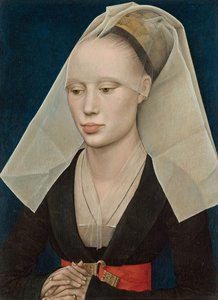
Rogier van der Weyden
1400 - 1464 , Belgio
Informazioni rapide
- Artisti Influenti: ['Robert Campin']
- Artisti Influenzati: ['Goswijn van der Weyden']
- Data Di Morte: 1464
- Data Di Nascita: circa 1400
- Luogo Di Nascita: Tournai, Belgio
- Movimento Artistico: Primitivi fiamminghi
- Nazionalità: Belga
- Nome Completo: Rogier van der Weyden
- Opere Notevoli:
- San Luca che disegna la Madonna
- Lamentazione
- Deposizione
- Trittico Bladelin
Articoli correlati
I 10 Capolavori del Rinascimento Netherlandese: Arte, Storia e Decorazioni di Lusso
Esplora i 10 capolavori del Rinascimento Netherlandese: Jan van Eyck, Rogier van der Weyden e altri maestri fiamminghi. Scopri la storia, le tecniche e il simbolismo di questi dipinti iconici. Riproduzioni d'arte di lusso su OriginalUniqueArt.com.

Rogier van der Weyden: Emozione, Innovazione e il Rinascimento Fiammingo Iniziale
Esplora la vita e le opere di Rogier van der Weyden, maestro del Rinascimento Fiammingo. Analisi approfondita del suo stile innovativo, il realismo emotivo e l'influenza sull'arte europea. Scopri i suoi capolavori!

Ugo van der Goes: Devozione, Innovazione e la Profondità Psicologica della Pittura Fiamminga del Primo Rinascimento
Esplora la vita e le opere di Ugo van der Goes, maestro del Rinascimento fiammingo. Analisi approfondita dell'Altare Portinari, delle sue innovazioni tecniche e dell'impatto sulla storia dell'arte.

Rembrandt van Rijn: I 25 Capolavori Immortali da Ammirare | OriginalUniqueArt
Esplora i 25 capolavori di Rembrandt van Rijn, da 'La Ronda di Notte' ai suoi intensi autoritratti. Scopri la storia, le tecniche e l'arte barocca del maestro olandese. Riproduzioni di alta qualità su OriginalUniqueArt.com.

I 10 Capolavori della Pittura Fiamminga Antica: Arte, Storia e Stile per la Tua Casa
Esplora i 10 capolavori della pittura fiamminga antica! Jan van Eyck, Rogier van der Weyden e altri maestri rinascimentali. Scopri storia, tecnica e simbolismo di questi dipinti iconici. Trova riproduzioni d'arte di alta qualità per la tua casa su OriginalUniqueArt.com.