Anteprima in scala reale
 Condividi
 Condividi
 Dettagli
 Guida stampabile

 Scarica
 Articoli simili
 Radiografia
 Slideshow
 Statistiche
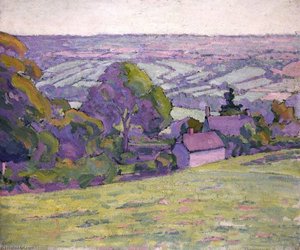
Ploughing on the Downs
 Oil On Canvas
- WallArt
- Post-Impressionism
 1906
1906- Modern
 62.0 x 82.0 cm
 Leggi tutto
Riproduzione a olio fatta a mano
Olio su tela dipinto a mano nelle tue dimensioni e con la tua cornice, realizzato su ordinazione dai nostri artisti. ( Passa alle stampe Passa all'immagine digitale)




P118B €10

P118H €10

P118W €10

P438Z €10

P508JH €12

P508YH €12

P805H €10

P805Z €10

P919BZ €10

P919G €10

P919XJ €10

P959ZH €10

P968JZ €12

W106C €8

W218G €10

W218JH €8

W218Y €10

W307PJ €10

W316G €10

W316PJ €8

W316Y €10

W398PJ €8

W4111J €10

W500HY €15

W500JH €15

W692G €12

W849H €8

W940BG €15

W953PJ €8




Scegli tra le nostre dimensioni predefinite, che rispettano le proporzioni originali dell'opera d'arte.

È possibile inserire dimensioni personalizzate per adattare l'opera a una cornice o a uno spazio specifico. Se la dimensione selezionata non corrisponde alle proporzioni dell'immagine originale, provvederemo a ritagliare l'opera o a estendere il dipinto con elementi aggiuntivi dipinti a mano. Un mockup digitale ti sarà inviato per approvazione prima dell'inizio della produzione.
Si prega di notare che l'anteprima a schermo non riflette il ritaglio o l'estensione effettivi. Solo il mockup mostrerà accuratamente la composizione finale.
Sebbene siano disponibili dimensioni personalizzate, consigliamo di selezionare una dimensione dall'elenco predefinito per preservare le proporzioni originali.
Dopo l'ordine, il team di OriginalUniqueArt.com contatterà il cliente via e-mail per ricevere le istruzioni e fornirà un'anteprima del mockup
Consegna in tutto il mondo () in 3/4 settimane anziché nelle normali 5 settimane. (13 Ottobre). Nessun compromesso sulla qualità.

Spedizione espressa gratuita in tutto il mondo

Tela in lino di alta qualità

Assicurazione completa sulla spedizione

Garanzia di rimborso dei dazi doganali

Garanzia di perfetta fedeltà cromatica

Politica di reso entro 100 giorni (solo per difetti di fabbricazione)

Garanzia di rimborso al 100%

Sconto per acquisti multipli
 L'opzione vetro è disponibile solo per dimensioni inferiori a 110 cm

Ploughing on the Downs
Tecnica di riproduzione
Dimensioni della riproduzione
-


Prezzo totale
€ 259
A Symphony of Rural Labor: The Essence of Ploughing on the Downs
In the quiet, rhythmic pulse of the English countryside, there exists a profound beauty found in the repetitive motions of agricultural life. Robert Polhill Bevan’s 1906 masterpiece, Ploughing on the Downs, captures this very essence with an almost poetic vitality. The canvas unfolds as a sprawling stage where the toil of the earth meets the grace of movement. At its heart, the composition is driven by the powerful presence of four horses, their forms engaged in the strenuous task of turning the soil. Each animal pulls in a slightly different direction, creating a dynamic tension that prevents the scene from feeling static. This interplay of strength and direction is mirrored by the human figures scattered across the landscape—two souls positioned near the left periphery and another on the right—all working in silent coordination with their beasts. Even a solitary dog, nestled near the center-left, adds a touch of domestic warmth to this industrious tableau, grounding the grand scale of the work in the intimate reality of farm life.
Beyond the mere depiction of farming, Bevan utilizes his unique position as a pioneer of British Modernism to infuse the scene with a vibrant, structural energy. While many of his contemporaries remained tethered to traditional realism, Bevan’s training at the Académie Julian in Paris allowed him to experiment with the bold colors and flattened planes that would later define the Camden Town Group. In Ploughing on the Downs, we see this transition in action; the use of oil on canvas provides a rich, tactile depth that makes the textures of the earth and the muscularity of the horses feel tangible. The artist’s brushwork does not merely outline shapes but breathes life into them, capturing the dust of the furrow and the heavy breath of the working animals. This technique creates a sense of "living" art, where the viewer can almost hear the low grunts of the horses and the soft rustle of the wind across the downs.
For the discerning collector or interior designer, this painting offers more than just a window into the past; it provides a sophisticated focal point that balances rustic charm with modern aesthetic sensibilities. The work serves as a tribute to the dignity of labor and the enduring connection between humanity and the land. Its palette, though rooted in the natural tones of the British landscape, possesses a rhythmic quality that can breathe life into a contemporary gallery or a classic study. To possess a high-quality reproduction of this piece is to invite a sense of historical continuity and tranquil strength into one's space. It is an invitation to pause, to reflect on the cycles of nature, and to appreciate the monumental beauty found in the most humble of daily endeavors.
Domande e risposte
Che livello di contrasto presenta "Ploughing on the Downs" di Robert Polhill Bevan?
Il contrasto chiaroscurale di "Ploughing on the Downs" è registrato come Bold. Il contrasto descrive quanto marcata sia la differenza tra le aree chiare e quelle scure.
Chi ha creato "Ploughing on the Downs" e in quale stile è realizzato?
Robert Polhill Bevan ha creato "Ploughing on the Downs" all'interno del movimento Post-Impressionism.
È disponibile una presentazione a diapositiva per "Ploughing on the Downs" di Robert Polhill Bevan?
Puoi visualizzare "Ploughing on the Downs" di Robert Polhill Bevan in un formato slideshow nella pagina Slideshow dell'opera.
Come posso visualizzare un'anteprima di una riproduzione di "Ploughing on the Downs" di Robert Polhill Bevan?
Per visualizzare un'anteprima della riproduzione di "Ploughing on the Downs" di Robert Polhill Bevan, apri la pagina Anteprima dell'opera.
Quale tecnica è stata utilizzata per "Ploughing on the Downs" di Robert Polhill Bevan?
"Ploughing on the Downs" è realizzata in Oil On Canvas.
Quanti anni aveva Robert Polhill Bevan quando ha creato "Ploughing on the Downs" nel 1906?
Robert Polhill Bevan aveva 41 anni quando ha creato "Ploughing on the Downs" nel 1906. L'età è calcolata sulla base dell'anno di nascita dell'artista, 1865.
Posso vedere "Ploughing on the Downs" di Robert Polhill Bevan sulla mia parete prima dell'acquisto?
Puoi visualizzare "Ploughing on the Downs" di Robert Polhill Bevan sulla tua parete grazie alla pagina Anteprima AR dell'opera, utilizzando la realtà aumentata su un dispositivo compatibile.
Da quale paese proviene l'opera del Post-Impressionism "Ploughing on the Downs"?
"Ploughing on the Downs" è stata creata da Robert Polhill Bevan, nato in Regno Unito, all'interno del movimento Post-Impressionism. L'origine dell'artista lega l'opera al Post-Impressionism così come praticato dagli artisti di Regno Unito.
Biografia dell'artista
Primi Anni e Formazione Artistica
- Nascita: Hove, Regno Unito (1865)
- Morte: 1925
- Origini Familiari: Robert Polhill Bevan nacque in una famiglia quacchera con legami bancari. I suoi genitori erano Richard Alexander Bevan e Laura Maria Polhill.
- Educazione Iniziale: Studiò alla Westminster School of Art sotto la guida di Fred Brown. Successivamente, frequentò l'Académie Julian a Parigi dove incontrò artisti influenti come Paul Sérusier, Pierre Bonnard, Édouard Vuillard e Maurice Denis.
- Influenza della Bretagna: I primi viaggi in Bretagna (1890 & 1891) ebbero un impatto significativo sul suo sviluppo artistico, grazie all'esposizione allo stile di Pont-Aven.
Sviluppo Artistico e Influenze
- Stile Iniziale: I primi lavori di Bevan mostrarono influenze del sintetismo, evidenti nei suoi disegni e stampe realizzati durante il suo periodo in Bretagna.
- Fauvismo: Intorno al 1904, Bevan sperimentò con colori puri, dimostrando un approccio proto-fauvista che lo poneva all'avanguardia rispetto a molti artisti britannici dell'epoca. Il suo dipinto "Cortile" è considerato un primo esempio di questo stile.
- Divisionismo/Pointillism: Successivamente, adottò una tecnica divisionista o puntinista, come si può vedere in opere come "Aratura sulle Downs" e "Il Seminatore con il Aratro".
- Influenze Chiave: Influenze significative includono Paul Gauguin (evidente nell'uso del colore) e maestri precedenti come Velázquez e Goya. Riconobbe anche la guida di Renoir nel disegno dei cavalli.
Appartenenza a Gruppi Artistici e Cerchie
- Camden Town Group: Bevan fu un membro fondatore del Camden Town Group, un collettivo di artisti che cercava di rappresentare la vita urbana moderna.
- London Group: Appartenne anche al London Group, un'altra organizzazione artistica progressista.
- Cumberland Market Group: Dimostrando ulteriormente il suo impegno nei movimenti artistici contemporanei, Bevan fece parte del Cumberland Market Group.
- Associazione con Walter Sickert: Nel 1908, si unì al gruppo di Fitzroy Street di Walter Sickert, dove ricevette l'incoraggiamento a concentrarsi su soggetti della vita quotidiana.
- Allied Artists’ Association: Partecipò alla prima esposizione dell'Allied Artists’ Association nel 1908, che fornì una piattaforma per artisti progressisti e lo introdusse a Wassily Kandinsky.
Opere Principali e Temi
- Paesaggi: Bevan è noto soprattutto per i suoi paesaggi del Sussex e della Bretagna, spesso raffiguranti scene rurali con colori vivaci e pennellate espressive. Esempi includono "In the Downs near Lewes", "Il Castagno" e "Paesaggio nelle Blackdown Hills, Devon".
- Ritratti: Creò ritratti, tra cui una notevole raffigurazione di sua moglie, Stanislawa Bevan (nata de Karłowska).
- Scene Urbane: Il suo lavoro includeva anche rappresentazioni della vita urbana, come dipinti che documentano il declino del commercio delle cabine a cavallo ("La Cavalla da Trasporto").
- Dipinti Notabili: Altre opere significative includono "Queen's Grove, St John's Wood", "La Fattoria" e “Rosemary la vallée”.
Eredità e Significato Storico
- Pioniere dell’Arte Britannica Moderna: Robert Polhill Bevan è riconosciuto come un pioniere dell’arte britannica moderna, in particolare per la sua precoce adozione dei principi fauvisti.
- Influenza sull'Uso del Colore: È stato tra i primi artisti britannici a utilizzare il colore puro in modo significativo, influenzando le generazioni successive di pittori.
- Contributo al Camden Town Group: La sua partecipazione al Camden Town Group ha contribuito a plasmare lo sviluppo dell’arte moderna in Gran Bretagna.
- Mostra Retrospettiva: Una mostra retrospettiva alla Colnaghi's nel 1961 ha evidenziato i suoi contributi e consolidato il suo posto nella storia dell’arte.

Robert Polhill Bevan
1865 - 1925 , Regno Unito
Informazioni rapide
- Artistic Movement Or Style:
- Camden Town Group
- Fauvismo
- Puntinismo
- Artists Who Influenced This Artist:
- Paul Gauguin
- Renoir
- Velázquez
- Goya
- Date Of Birth: 1865
- Date Of Death: 1925
- Full Name: Robert Polhill Bevan
- Nationality: Britannico
- Notable Artworks:
- Rosemary la valle
- Paesaggio nel Blackdown
- Stanislawa Bevan, née de Karlowska
- Nei Downs vicino a Lewes
- Il castagno
- Queen's Grove, St John’s Wood
- La fattoria
- L’albero di castagno
- Place Of Birth: Hove, Regno Unito
Articoli correlati

John Constable: I 25 Capolavori che Celebrano la Bellezza della Campagna Inglese
Esplora i 25 capolavori di John Constable, il maestro del Romanticismo inglese. Paesaggi suggestivi, luce naturale e colori vibranti ti aspettano. Acquista riproduzioni d'arte di alta qualità su OriginalUniqueArt.com e porta la bellezza della campagna inglese nella tua casa.

Cultivating Visions: A Historical Journey Through Rural Landscapes in Art
Explore the rich history of rural landscape painting with OriginalUniqueArt. Discover Impressionist masterpieces, key artists & movements. Find your perfect serene artwork and bring nature's beauty home.

Sir Alfred James Munnings: I 25 Capolavori che Celebrano la Bellezza del Cavallo e della Campagna Inglese
Esplora i 25 capolavori di Alfred James Munnings, pittore inglese celebrato per la sua arte equestre e i paesaggi rurali. Scopri storie, tecniche e colori unici. Stampe d'arte e riproduzioni su OriginalUniqueArt.com!

I 10 Capolavori del Paesaggio Romantico: Arte, Storia e Decorazioni di Lusso
Esplora i 10 capolavori del Paesaggio Romantico con OriginalUniqueArt.com! Caspar David Friedrich, Turner e altri maestri: storia, tecnica e colori che definiscono un'epoca. Trova riproduzioni d'arte di lusso per la tua casa. Scopri la collezione completa online!

Evocations of Place: A Historical Journey Through Landscape Art
Explore the rich history of landscape art with OriginalUniqueArt. Discover renowned artists, movements like Impressionism & Romanticism, and expert guidance for collecting timeless pieces. Find your perfect serene escape today!