Anteprima in scala reale
 Condividi
 Condividi
 Dettagli
 Guida stampabile

 Scarica
 Articoli simili
 Radiografia
 Slideshow
 Statistiche
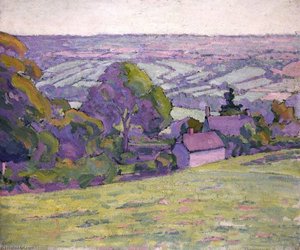
Devonshire Valley, No. 2
 Oil On Canvas
- WallArt
- Camden Town Group
 1913
1913- Modern
 48.0 x 58.0 cm
 Leggi tutto
Giclée / Stampe d'arte
Stampa giclée o su tela di qualità museale, con produzione rapida e diverse opzioni di finitura. ( Ordina la riproduzione dipinta a mano Passa all'immagine digitale)




P118B €10

P118H €10

P118W €10

P438Z €10

P508JH €12

P508YH €12

P805H €10

P805Z €10

P919BZ €10

P919G €10

P919XJ €10

P959ZH €10

P968JZ €12

W106C €8

W218G €10

W218JH €8

W218Y €10

W307PJ €10

W316G €10

W316PJ €8

W316Y €10

W398PJ €8

W4111J €10

W500HY €15

W500JH €15

W692G €12

W849H €8

W940BG €15

W953PJ €8




Scegli tra le nostre dimensioni predefinite, che rispettano le proporzioni originali dell'opera d'arte.

È possibile inserire dimensioni personalizzate per adattare l'opera a una cornice o a uno spazio specifico. Se la dimensione selezionata non corrisponde alle proporzioni dell'immagine originale, procederemo al ritaglio dell'opera o all'estensione dell'immagine con un bordo specchiato o a tinta unita. Un mockup digitale ti verrà inviato per approvazione prima dell'inizio della produzione.
Si prega di notare che l'anteprima a schermo non riflette il ritaglio o l'estensione effettivi. Solo il mockup mostrerà accuratamente la composizione finale.
Sebbene siano disponibili dimensioni personalizzate, si raccomanda di selezionare una dimensione dall'elenco predefinito per preservare le proporzioni originali.
Consegna in tutto il mondo () in 2 settimane invece delle normali 4/5 settimane. (13 Ottobre)

Spedizione espressa gratuita in tutto il mondo

Tela in lino di alta qualità

Assicurazione completa sulla spedizione

Garanzia di rimborso dei dazi doganali

Garanzia di perfetta fedeltà cromatica

Politica di reso entro 100 giorni (solo per difetti di fabbricazione)

Garanzia di rimborso al 100%

Sconto per acquisti multipli
 L'opzione vetro è disponibile solo per dimensioni inferiori a 110 cm

Devonshire Valley, No. 2
Giclée / Stampe d'arte
Dimensioni della riproduzione
-


Prezzo totale
€ 69
A Window into the English Pastoral: The Soul of Devonshire Valley
In the quietude of 1913, just before the world was irrevocably altered by the shadows of the Great War, Robert Polhill Bevan captured a moment of profound serenity in Devonshire Valley, No. 2. This exquisite oil on canvas serves as more than a mere landscape; it is an evocative portal into a lost era of English tranquility. The painting presents a sweeping, panoramic vista of a verdant valley, where rolling hills meet a sky painted in soft, atmospheric tones. At the heart of this pastoral dream lies a small stone cottage, its pink-hued roof nestled intimately among a cluster of dark, expressive trees. As the eye wanders through the composition, one encounters the gentle rhythm of the countryside—a church steeple rising subtly above the rooftops and the distant silhouette of a windmill, standing as a silent sentinel of rural industry and tradition.
The emotional resonance of the piece lies in its ability to balance solitude with a sense of warmth. While the vastness of the valley might suggest a lonely expanse, the presence of human habitation—the houses adorned with red roofs and the inviting glow of the cottage—infuses the scene with a comforting vitality. There is a palpable sense of peace, an invitation to pause and breathe in the stillness of the meadows. For the collector or the interior designer, this artwork offers a sanctuary of calm, making it an ideal centerpiece for spaces designed for reflection, relaxation, and the celebration of natural beauty.
Mastery of Color and the Modernist Touch
Technically, Devonshire Valley, No. 2 is a masterclass in the application of color and texture, reflecting Bevan’s pivotal role within the Camden Town Group. Moving away from the strictures of traditional representational art, Bevan embraced a more modernist, almost Fauvist approach to the landscape. The palette is strikingly bold; deep purelish blues and vibrant greens interweave to create an atmospheric depth that feels both tactile and dreamlike. The artist utilizes a heavy impasto technique, particularly in the foliage and the cottage walls, where thick, visible brushstrokes catch the light and lend a sculptural quality to the canvas.
This emphasis on texture and color over precise line work allows the landscape to breathe with an organic energy. The lighting appears diffused, as if filtered through a soft English mist, which softens the edges of the world and blends the distant hills into the pale sky. This technique creates a flattened perspective that is characteristic of plein air painting, drawing the viewer not just to look at the scene, but to feel the very atmosphere of the valley. The interplay between the intense, saturated hues and the more muted, atmospheric tones ensures that the painting remains visually dynamic from every angle.
A Legacy of Innovation and Timeless Appeal
To understand this work is to understand a turning point in British art history. As a pioneer of modernism, Bevan’s ability to synthesize the light-filled traditions of Impressionism with the bold, simplified forms of the early 20th century makes this piece a significant historical document. It captures the essence of a landscape untouched by the ravages of industrial upheaval or war, preserving a nostalgic vision of the English countryside that continues to captivate contemporary audiences.
For those seeking to adorn their homes with art that possesses both historical weight and aesthetic grace, a high-quality reproduction of this masterpiece offers an unparalleled opportunity. Whether placed in a sunlit library or a sophisticated modern living space, Devonshire Valley, No. 2 brings with it a sense of enduring elegance and a profound connection to the beauty of the natural world. It is an investment in atmosphere, a piece that does not merely decorate a wall but enriches the very spirit of a room.
Domande e risposte
Chi ha creato "Devonshire Valley, No. 2" e in quale stile è realizzato?
Dietro "Devonshire Valley, No. 2" si trovano Robert Polhill Bevan e il movimento Camden Town Group.
Posso vedere "Devonshire Valley, No. 2" di Robert Polhill Bevan sulla mia parete prima dell'acquisto?
La pagina Anteprima AR di "Devonshire Valley, No. 2" di Robert Polhill Bevan utilizza la realtà aumentata per mostrare l'opera d'arte nel tuo spazio, tramite un dispositivo compatibile.
Quali sono il formato e le dimensioni di "Devonshire Valley, No. 2"?
"Devonshire Valley, No. 2" di Robert Polhill Bevan è una composizione in Landscape che misura 48 x 58 cm nell'originale.
Posso vedere una vista ai raggi X di "Devonshire Valley, No. 2" di Robert Polhill Bevan?
La pagina Raggi X di "Devonshire Valley, No. 2" di Robert Polhill Bevan è un visualizzatore interattivo che permette di scorrere tra undici livelli ottici dell'immagine dell'opera, inclusa una vista in stile raggi X.
Quali sono la tecnica e le dimensioni dell'originale "Devonshire Valley, No. 2" di Robert Polhill Bevan?
"Devonshire Valley, No. 2" è stata realizzata in Oil On Canvas e misura 48 x 58 cm nella sua forma originale.
In quale periodo della carriera di Robert Polhill Bevan si colloca "Devonshire Valley, No. 2"?
"Devonshire Valley, No. 2" rappresenta il Mature Period di Robert Polhill Bevan.
Che armonia cromatica esprime "Devonshire Valley, No. 2" di Robert Polhill Bevan?
L'armonia cromatica di "Devonshire Valley, No. 2" è descritta come Discordant Palette.
In che modo "Devonshire Valley, No. 2" bilancia luci e ombre?
I valori rilevati per "Devonshire Valley, No. 2" di Robert Polhill Bevan sono: luminosità brilliant, luminanza Bright Balance.
Biografia dell'artista
Primi Anni e Formazione Artistica
- Nascita: Hove, Regno Unito (1865)
- Morte: 1925
- Origini Familiari: Robert Polhill Bevan nacque in una famiglia quacchera con legami bancari. I suoi genitori erano Richard Alexander Bevan e Laura Maria Polhill.
- Educazione Iniziale: Studiò alla Westminster School of Art sotto la guida di Fred Brown. Successivamente, frequentò l'Académie Julian a Parigi dove incontrò artisti influenti come Paul Sérusier, Pierre Bonnard, Édouard Vuillard e Maurice Denis.
- Influenza della Bretagna: I primi viaggi in Bretagna (1890 & 1891) ebbero un impatto significativo sul suo sviluppo artistico, grazie all'esposizione allo stile di Pont-Aven.
Sviluppo Artistico e Influenze
- Stile Iniziale: I primi lavori di Bevan mostrarono influenze del sintetismo, evidenti nei suoi disegni e stampe realizzati durante il suo periodo in Bretagna.
- Fauvismo: Intorno al 1904, Bevan sperimentò con colori puri, dimostrando un approccio proto-fauvista che lo poneva all'avanguardia rispetto a molti artisti britannici dell'epoca. Il suo dipinto "Cortile" è considerato un primo esempio di questo stile.
- Divisionismo/Pointillism: Successivamente, adottò una tecnica divisionista o puntinista, come si può vedere in opere come "Aratura sulle Downs" e "Il Seminatore con il Aratro".
- Influenze Chiave: Influenze significative includono Paul Gauguin (evidente nell'uso del colore) e maestri precedenti come Velázquez e Goya. Riconobbe anche la guida di Renoir nel disegno dei cavalli.
Appartenenza a Gruppi Artistici e Cerchie
- Camden Town Group: Bevan fu un membro fondatore del Camden Town Group, un collettivo di artisti che cercava di rappresentare la vita urbana moderna.
- London Group: Appartenne anche al London Group, un'altra organizzazione artistica progressista.
- Cumberland Market Group: Dimostrando ulteriormente il suo impegno nei movimenti artistici contemporanei, Bevan fece parte del Cumberland Market Group.
- Associazione con Walter Sickert: Nel 1908, si unì al gruppo di Fitzroy Street di Walter Sickert, dove ricevette l'incoraggiamento a concentrarsi su soggetti della vita quotidiana.
- Allied Artists’ Association: Partecipò alla prima esposizione dell'Allied Artists’ Association nel 1908, che fornì una piattaforma per artisti progressisti e lo introdusse a Wassily Kandinsky.
Opere Principali e Temi
- Paesaggi: Bevan è noto soprattutto per i suoi paesaggi del Sussex e della Bretagna, spesso raffiguranti scene rurali con colori vivaci e pennellate espressive. Esempi includono "In the Downs near Lewes", "Il Castagno" e "Paesaggio nelle Blackdown Hills, Devon".
- Ritratti: Creò ritratti, tra cui una notevole raffigurazione di sua moglie, Stanislawa Bevan (nata de Karłowska).
- Scene Urbane: Il suo lavoro includeva anche rappresentazioni della vita urbana, come dipinti che documentano il declino del commercio delle cabine a cavallo ("La Cavalla da Trasporto").
- Dipinti Notabili: Altre opere significative includono "Queen's Grove, St John's Wood", "La Fattoria" e “Rosemary la vallée”.
Eredità e Significato Storico
- Pioniere dell’Arte Britannica Moderna: Robert Polhill Bevan è riconosciuto come un pioniere dell’arte britannica moderna, in particolare per la sua precoce adozione dei principi fauvisti.
- Influenza sull'Uso del Colore: È stato tra i primi artisti britannici a utilizzare il colore puro in modo significativo, influenzando le generazioni successive di pittori.
- Contributo al Camden Town Group: La sua partecipazione al Camden Town Group ha contribuito a plasmare lo sviluppo dell’arte moderna in Gran Bretagna.
- Mostra Retrospettiva: Una mostra retrospettiva alla Colnaghi's nel 1961 ha evidenziato i suoi contributi e consolidato il suo posto nella storia dell’arte.

Robert Polhill Bevan
1865 - 1925 , Regno Unito
Informazioni rapide
- Artistic Movement Or Style:
- Camden Town Group
- Fauvismo
- Puntinismo
- Artists Who Influenced This Artist:
- Paul Gauguin
- Renoir
- Velázquez
- Goya
- Date Of Birth: 1865
- Date Of Death: 1925
- Full Name: Robert Polhill Bevan
- Nationality: Britannico
- Notable Artworks:
- Rosemary la valle
- Paesaggio nel Blackdown
- Stanislawa Bevan, née de Karlowska
- Nei Downs vicino a Lewes
- Il castagno
- Queen's Grove, St John’s Wood
- La fattoria
- L’albero di castagno
- Place Of Birth: Hove, Regno Unito
Articoli correlati
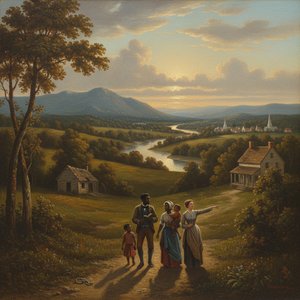
Robert Seldon Duncanson: Landscape, Abolitionism & Shaping American Identity
Discover Robert Seldon Duncanson, the first internationally acclaimed African American landscape artist. Explore his connection to the Hudson River School, abolitionism, and enduring legacy through serene vistas & powerful symbolism.
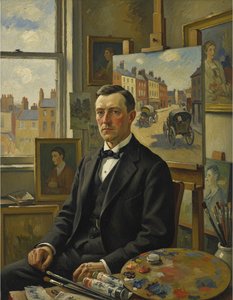
Robert Bevan: Pioneering British Post-Impressionism & the Camden Town Group's Intimate Vision
Explore the life & work of Robert Bevan, a pioneer of British Post-Impressionism and founding member of the Camden Town Group. Discover his vibrant landscapes and lasting impact on early 20th-century art.

Hubert Robert: Pittura di Rovine e Memoria Preservata – Uno Studio sull'Antiquarianismo Romantico e l'Innovazione Artistica
Esplora l'opera di Hubert Robert, maestro del paesaggio e pioniere dell'antiquarianismo romantico. Scopri la sua poetica delle rovine romane, il valore artistico e come collezionare le sue opere con OriginalUniqueArt.
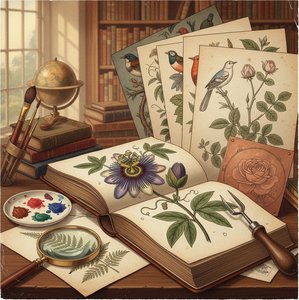
Robert Havell Sr.: Botanical Precision & the Rise of Colour Plate Publishing
Explore the life & work of Robert Havell Sr., a pioneer of botanical illustration and key collaborator with Audubon. Discover his stunning aquatint engravings, artistic techniques, and lasting impact on 19th-century art.

David Roberts: Un Pioniere dell'Arte Topografica e la Visione Orientalista di un Paesaggio Perduto
Scopri David Roberts, pioniere dell'arte topografica e maestro dell'Orientalismo. Analizziamo il suo capolavoro 'Il Viaggio in Siria...' e l'influenza su artisti come Carlo Bossoli. Un viaggio nell'arte del XIX secolo.