
 Anteprima in scala reale
 Invia
Invia Condividi
 Dettagli opera

 Scarica immagine
 Simili
 Radiografia
 Slideshow
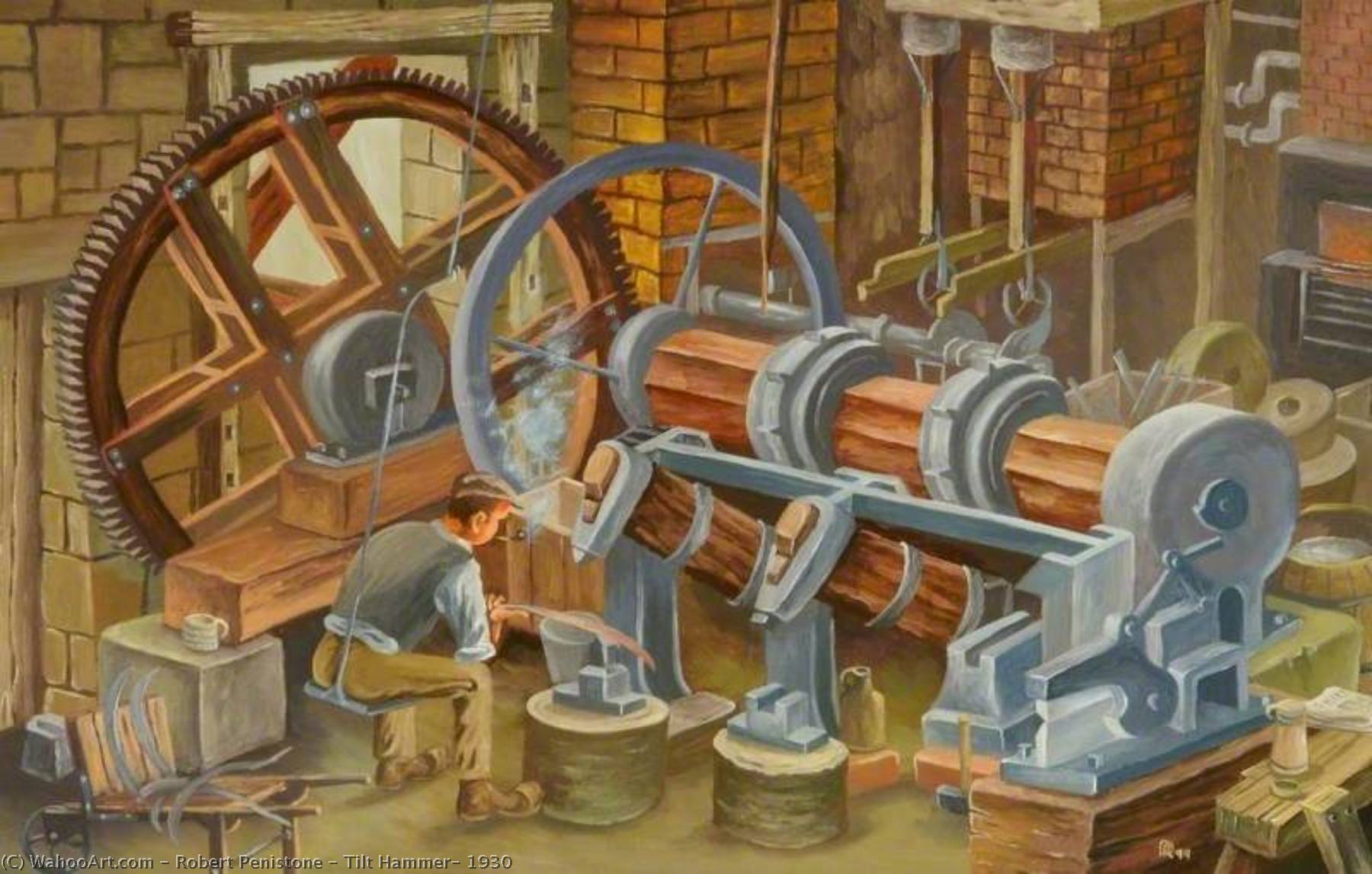
Tilt Hammer, 1930
 2000
2000 43.0 x 63.0 cm
 Espandi i dettagli
Riproduzione a olio fatta a mano
Olio su tela dipinto a mano nelle tue dimensioni e con la tua cornice, realizzato su ordinazione dai nostri artisti. ( Acquista stampa Acquista immagine)




































Scegli tra le nostre dimensioni predefinite, che rispettano le proporzioni originali dell'opera d'arte.

È possibile inserire dimensioni personalizzate per adattare l'opera a una cornice o a uno spazio specifico. Se la dimensione selezionata non corrisponde alle proporzioni dell'immagine originale, provvederemo a ritagliare l'opera o a estendere il dipinto con elementi aggiuntivi dipinti a mano. Un mockup digitale ti sarà inviato per approvazione prima dell'inizio della produzione.
Si prega di notare che l'anteprima a schermo non riflette il ritaglio o l'estensione effettivi. Solo il mockup mostrerà accuratamente la composizione finale.
Sebbene siano disponibili dimensioni personalizzate, consigliamo di selezionare una dimensione dall'elenco predefinito per preservare le proporzioni originali.
Dopo l'ordine, il team di OriginalUniqueArt.com contatterà il cliente via e-mail per le istruzioni e fornirà un'anteprima del mockup
Consegna in tutto il mondo () in 3/4 settimane anziché nelle normali 5 settimane. (26 Agosto). Nessun compromesso sulla qualità.

Spedizione espressa gratuita in tutto il mondo

Tela in lino di alta qualità

Assicurazione completa sulla spedizione

Garanzia di rimborso dei dazi doganali

Garanzia di fedeltà cromatica

Politica di reso entro 60 giorni (solo per difetti di fabbricazione)

Garanzia di rimborso al 100%

Offerta per acquisti multipli
 L'opzione vetro è disponibile solo per dimensioni inferiori a 110 cm

Tilt Hammer, 1930
Tecnica di riproduzione
Dimensioni riproduzione
-


Prezzo totale calcolato
$ 300
Descrizione dell'opera
The Artist's Vision
Robert Penistone's work is characterized by its attention to detail and ability to capture the essence of industrial scenes. In "Tilt Hammer", the artist focuses on a large machine, with a man working on it, surrounded by other workers and machinery. The scene is set amidst a backdrop of chairs scattered throughout the area, likely for workers to rest during their breaks. This painting is not only a testament to Penistone's skill but also a window into the past, showcasing the daily life and hardships of factory workers.Other Notable Works by Robert Penistone
Some of Robert Penistone's other notable works include "Crane Driver" (1930) and "Forging Steel under a Steam Hammer" (1930), both of which are also housed at the Kelham Island Museum. These paintings, like "Tilt Hammer", demonstrate Penistone's fascination with industrial themes and his ability to bring them to life through art. For more information on these works, visit Robert Penistone: Tilt Hammer, 1930 and explore the extensive collection of artworks available at OriginalUniqueArt.com.To discover more about the industrial heritage preserved by the Kelham Island Museum, read Discovering the Artworks of Kelham Island Museum, United Kingdom. This resource provides a deeper understanding of the museum's role in preserving the history of Sheffield's industrial past.
- View Robert Penistone's artworks at Robert Penistone | OriginalUniqueArt.com
- Explore the collection of the Kelham Island Museum through OriginalUniqueArt.com's documentation
- Learn about the significance of industrial art and its preservation at Kelham Island Museum
Biografia dell'artista
A Life Forged in Steel and Shadow
Robert Penistone (born 1946) isn't merely an artist; he’s a meticulous recorder, a preserver of a vanishing world. His canvases aren’t landscapes in the traditional sense – they are meticulously rendered studies of industry, of the grit and grandeur of Sheffield during its twilight years. Born into a city steeped in steelmaking history, Penistone's artistic journey is inextricably linked to the very fabric of his hometown. He didn’t seek out romantic vistas; instead, he chose to confront the stark reality of factories, foundries, and the men who labored within them – capturing their strength, their weariness, and the enduring spirit of a community built on heavy industry.
Penistone's early life was deeply influenced by the industrial landscape surrounding him. Growing up in Sheffield during the post-war era meant witnessing firsthand the decline of its once-dominant steel industry. This period of transition – the shift from boom to bust, the loss of jobs and community identity – became a central theme in his work. He wasn’t interested in glorifying the past; rather, he sought to document it with unflinching honesty, preserving these scenes before they were entirely erased by time and progress. His artistic training, though not formally extensive, was undoubtedly shaped by this lived experience, instilling within him an acute observational skill and a deep understanding of his subject matter.
The Language of Industry: Technique and Style
Penistone’s technique is characterized by its remarkable detail and almost photographic realism. He employs a layered approach to painting, building up the image through numerous thin glazes of oil paint – a method that allows him to capture subtle variations in texture, light, and shadow with astonishing precision. His palette is predominantly muted, dominated by shades of grey, brown, ochre, and rust – colors directly evocative of the industrial environment he depicts. These tones aren’t applied randomly; they are carefully chosen to convey mood and atmosphere, creating a sense of both solidity and melancholy.
Crucially, Penistone doesn't simply reproduce what he sees. He actively shapes his compositions, using perspective and light to draw the viewer into the scene. His figures – often workers in their overalls and helmets – are rendered with a quiet dignity, suggesting resilience and stoicism. The use of strong diagonals and geometric forms within the factory interiors adds a dynamic element to his paintings, reflecting the relentless machinery that powered the industry. He’s less concerned with capturing a single moment in time than with conveying the *feeling* of being present within these spaces – the heat, the noise, the pervasive sense of labor.
Sheffield's Industrial Echoes: Key Works and Themes
Several works stand out as particularly significant examples of Penistone’s artistic vision. “Siemens Open Hearth, Sheffield, No. 1 Melting Shop (1917–1968)” is arguably his most iconic painting – a monumental depiction of the heart of Sheffield's steelmaking operation. The sheer scale of the scene, combined with its meticulous detail, creates an immersive experience for the viewer, transporting them directly into the furnace room. Similarly, “View of Stocksbridge, Sheffield, from the Clock Tower Gardens, Late 1940s” offers a poignant glimpse into the city’s post-war recovery, capturing the resilience of its inhabitants amidst the ruins of industry.
Beyond these specific works, Penistone's oeuvre consistently explores recurring themes: the dignity of labor, the impact of industrialization on community life, and the bittersweet beauty of a disappearing world. He wasn’t simply documenting factories; he was portraying the people who worked within them – their faces etched with hardship, but also radiating an undeniable sense of pride and purpose. His paintings serve as a powerful testament to Sheffield's industrial heritage, reminding us of the sacrifices made and the legacy left behind.
A Lasting Legacy: Penistone’s Place in British Art
Robert Penistone’s work occupies a unique space within British art history. While he shares affinities with the documentary realism of artists like Ian Potter and Graham Sutherland, his focus on industrial subjects sets him apart. He's not simply an observer; he’s an interpreter – a chronicler of a specific time and place, capturing its essence with remarkable skill and sensitivity.
His paintings are increasingly recognized for their historical significance, offering invaluable insights into the social and economic realities of post-war Britain. Penistone's work is held in collections such as the Museo Robert Brady in Mexico, demonstrating a growing international appreciation for his unique artistic vision. More than just an artist, he’s become a visual historian – preserving the memory of Sheffield’s industrial past for future generations.

robert penistone
1946 -
Dati rapidi
- Artistic Movement Or Style: Industrial Painting
- Artists Or Movements Influenced By This Artist: ['British Landscape']
- Artists Who Influenced This Artist:
- Turner
- Rossetti
- Date Of Birth: 1946
- Full Name: Robert Penistone
- Nationality: British
- Notable Artworks:
- Siemens Open Hearth
- View of Stocksbridge
- Place Of Birth: Sheffield, UK

