
 Anteprima in scala reale
 Condividi
 Condividi
 Dettagli
 Guida stampabile

 Scarica
 Articoli simili
 Radiografia
 Slideshow
 Statistiche
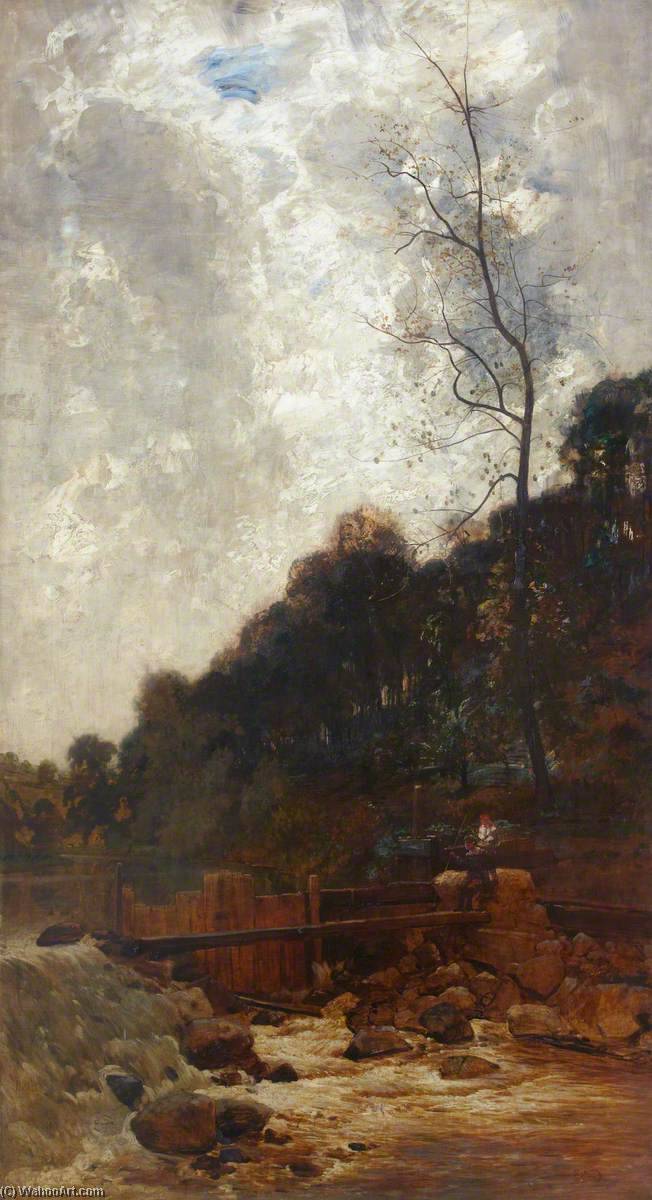
Summertime
 1903
1903 167.0 x 90.0 cm
 Royal Scottish Academy of Art - Architecture
 Leggi tutto
Giclée / Stampe d'arte
Stampa giclée o su tela di qualità museale, con produzione rapida e diverse opzioni di finitura. ( Ordina la riproduzione dipinta a mano Passa all'immagine digitale)




































Scegli tra le nostre dimensioni predefinite, che rispettano le proporzioni originali dell'opera d'arte.

È possibile inserire dimensioni personalizzate per adattare l'opera a una cornice o a uno spazio specifico. Se la dimensione selezionata non corrisponde alle proporzioni dell'immagine originale, procederemo al ritaglio dell'opera o all'estensione dell'immagine con un bordo specchiato o a tinta unita. Un mockup digitale ti verrà inviato per approvazione prima dell'inizio della produzione.
Si prega di notare che l'anteprima a schermo non riflette il ritaglio o l'estensione effettivi. Solo il mockup mostrerà accuratamente la composizione finale.
Sebbene siano disponibili dimensioni personalizzate, si raccomanda di selezionare una dimensione dall'elenco predefinito per preservare le proporzioni originali.
Consegna in tutto il mondo () in 2 settimane invece delle normali 4/5 settimane. (26 Settembre)

Spedizione espressa gratuita in tutto il mondo

Tela in lino di alta qualità

Assicurazione completa sulla spedizione

Garanzia di rimborso dei dazi doganali

Garanzia di perfetta fedeltà cromatica

Politica di reso entro 100 giorni (solo per difetti di fabbricazione)

Garanzia di rimborso al 100%

Sconto per acquisti multipli
 L'opzione vetro è disponibile solo per dimensioni inferiori a 110 cm

Summertime
Giclée / Stampe d'arte
Dimensioni della riproduzione
-


Prezzo totale
$ 80
Biografia dell'artista
Robert Noble (1857 – 1917): Echoes of Lothian’s Shores
Robert Noble, born in Edinburgh in 1857, emerged as a significant figure within the Scottish landscape painting tradition—a movement deeply rooted in Romantic ideals and characterized by an unwavering fascination with capturing the sublime beauty of the natural world. His artistic journey unfolded against the backdrop of Victorian Britain, where scientific inquiry wrestled with spiritual contemplation, shaping both the aesthetic sensibilities and intellectual pursuits of his era. While biographical details remain somewhat sparse – Noble’s personal life was largely private – his contribution to Scottish art history is undeniable, primarily through his masterful portrayals of East Lothian's coastline and surrounding rural landscapes.- Early Influences: Noble’s formative years were marked by exposure to the artistic currents circulating in Edinburgh’s intellectual circles. He studied at the Royal Scottish Academy, absorbing the stylistic principles championed by artists like Albert Brumby and David Octavius Hill—artists who prioritized atmospheric perspective and tonal modulation to convey emotion and grandeur. These influences instilled in Noble a profound respect for observation and meticulous technique.
- The Landscape Tradition: Like many of his contemporaries, Noble embraced the Romantic landscape tradition, which sought to elevate nature beyond mere decoration, presenting it as an embodiment of divine majesty and moral instruction. He meticulously documented the dramatic cliffs of Berwickshire and the serene meadows of Musselburgh Abbey, employing a distinctive palette dominated by muted greens, blues, and browns—colors carefully chosen to evoke mood and atmosphere.
- Technique & Style: Noble’s artistic style can be described as characterized by a deliberate blending of realism and Impressionistic tendencies. While he adhered to accurate topographical representation – capturing the contours of hillsides and the textures of rocks with remarkable precision – he simultaneously utilized loose brushstrokes and subtle color variations to imbue his canvases with an ethereal quality. This approach allowed him to convey not only what he saw but also how he felt about the subject matter.
Notable Works & Recurring Themes
Noble’s oeuvre comprises approximately eighty paintings, predominantly landscapes depicting East Lothian and Northumberland. Among his most celebrated pieces are “The Cliffs of Berwickshire” (1893), a monumental depiction of the dramatic coastline featuring towering cliffs battered by turbulent seas; “Musselburgh Abbey Meadows” (1896), capturing the tranquil beauty of the abbey grounds bathed in golden sunlight; and “Dunbar Castle Ruins” (1902), presenting a poignant portrayal of crumbling fortifications against a brooding sky. Recurring themes throughout his work include solitude, contemplation, and an appreciation for the sublime—concepts central to Romantic thought.- Symbolism & Emotion: Noble’s paintings transcend mere visual representation; they are infused with symbolic meaning reflecting the anxieties and aspirations of Victorian society. The brooding skies and desolate landscapes serve as metaphors for existential uncertainty, while the depiction of figures—often solitary shepherds or fishermen—suggests a yearning for communion with nature and transcendence.
- Legacy & Influence: Robert Noble’s artistic legacy extends beyond his individual paintings. He established himself as a respected teacher at Edinburgh College of Art, nurturing the talents of younger artists and fostering a commitment to traditional landscape painting techniques. His work continues to inspire admiration for its expressive power and unwavering devotion to capturing the essence of Scottish scenery.
Historical Context & Artistic Significance
Noble’s artistic output coincided with a period of significant social and intellectual transformation in Britain—the rise of Darwinian evolution challenged religious dogma, prompting artists to grapple with questions of morality and purpose. Simultaneously, the burgeoning field of psychology explored the complexities of human consciousness, influencing aesthetic sensibilities and encouraging artists to delve into the inner lives of their subjects. Noble’s landscapes stand as testament to this era's preoccupation with both scientific discovery and spiritual reflection—a harmonious blend that cemented his place within the broader artistic landscape of Victorian Scotland.
robert noble
1857 - 1917
Informazioni rapide
- Artistic Movement Or Style: Landscape Painting
- Artists Or Movements Influenced By This Artist: ['Hudson River School']
- Artists Who Influenced This Artist:
- William Stanhope Gay
- George Caleb Bingham
- Date Of Birth: 1857
- Date Of Death: 1917
- Full Name: Robert Noble
- Nationality: Scottish
- Notable Artworks:
- The Old Mill
- Coastal Landscape
- Place Of Birth: East Lothian