Anteprima in scala reale
 Condividi
 Condividi
 Dettagli

 Scarica
 Articoli simili
 Radiografia
 Slideshow
 Statistiche
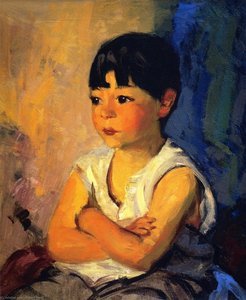
Old Johnnie's Wife


 Leggi tutto
Riproduzione a olio fatta a mano
Olio su tela dipinto a mano nelle tue dimensioni e con la tua cornice, realizzato su ordinazione dai nostri artisti. ( Passa alle stampe Passa all'immagine digitale)




P118B $10

P118H $10

P118W $10

P438Z $10

P508JH $12

P508YH $12

P805H $10

P805Z $10

P919BZ $10

P919G $10

P919XJ $10

P959ZH $10

P968JZ $12

W106C $8

W218G $10

W218JH $8

W218Y $10

W307PJ $10

W316G $10

W316PJ $8

W316Y $10

W398PJ $8

W4111J $10

W500HY $15

W500JH $15

W692G $12

W849H $8

W940BG $15

W953PJ $8




Scegli tra le nostre dimensioni predefinite, che rispettano le proporzioni originali dell'opera d'arte.

È possibile inserire dimensioni personalizzate per adattare l'opera a una cornice o a uno spazio specifico. Se la dimensione selezionata non corrisponde alle proporzioni dell'immagine originale, provvederemo a ritagliare l'opera o a estendere il dipinto con elementi aggiuntivi dipinti a mano. Un mockup digitale ti sarà inviato per approvazione prima dell'inizio della produzione.
Si prega di notare che l'anteprima a schermo non riflette il ritaglio o l'estensione effettivi. Solo il mockup mostrerà accuratamente la composizione finale.
Sebbene siano disponibili dimensioni personalizzate, consigliamo di selezionare una dimensione dall'elenco predefinito per preservare le proporzioni originali.
Dopo l'ordine, il team di OriginalUniqueArt.com contatterà il cliente via e-mail per ricevere le istruzioni e fornirà un'anteprima del mockup
Consegna in tutto il mondo () in 3/4 settimane anziché nelle normali 5 settimane. (16 Settembre). Nessun compromesso sulla qualità.

Spedizione espressa gratuita in tutto il mondo

Tela in lino di alta qualità

Assicurazione completa sulla spedizione

Garanzia di rimborso dei dazi doganali

Garanzia di perfetta fedeltà cromatica

Politica di reso entro 100 giorni (solo per difetti di fabbricazione)

Garanzia di rimborso al 100%

Sconto per acquisti multipli
 L'opzione vetro è disponibile solo per dimensioni inferiori a 110 cm

Old Johnnie's Wife
Tecnica di riproduzione
Dimensioni della riproduzione
-


Prezzo totale
$ 300
A Portrait of Quiet Dignity: Robert Henri’s “Old Johnnie’s Wife”
Robert Henri's "Old Johnnie’s Wife," painted in 1913, isn’t merely a portrait; it’s a carefully constructed meditation on time, experience, and the quiet dignity of an ordinary life. Created during a pivotal moment in American art—the burgeoning Ashcan School movement—this oil painting offers a glimpse into Henri's commitment to depicting the realities of everyday existence with unflinching honesty and profound empathy. The work resides within the Indianapolis Museum of Art, a testament to its enduring artistic merit and historical significance.
Henri, a key figure in this realist school, rejected the idealized subjects and polished techniques favored by academic art institutions. Instead, he sought inspiration from the streets of New York City, capturing the lives of working-class individuals with remarkable sensitivity. “Old Johnnie’s Wife” embodies this ethos perfectly. The subject, identified as Biddy Commons—a woman connected to a fisherman on Ireland's rugged coast—is presented not as a glamorous icon but as a weathered and wise elder, her face etched with the stories of a life lived outdoors.
The Language of Color and Texture
Technically, the painting is a masterclass in observation. Henri’s brushwork is both energetic and deliberate; thick impasto strokes build up layers of color, creating a palpable sense of texture that invites the viewer to reach out and touch the fabric of her shawl or the warmth of her skin. The palette is rich and earthy—deep blues, reds, and browns—contrasting sharply with the dark background, which serves to isolate and elevate the subject. This strategic use of light and shadow not only defines the figure but also imbues it with a sense of depth and dimensionality.
Notice particularly the subtle play of color on her face – the rosy cheeks, the delicate highlights around her eyes. Henri doesn’t shy away from depicting the marks of age; instead, he celebrates them as evidence of a life well-lived. The blue scarf, draped gracefully around her neck, adds a touch of understated elegance and hints at a connection to her maritime heritage.
A Window into the Ashcan School
“Old Johnnie’s Wife” is deeply rooted in the context of the Ashcan School. This movement sought to break away from traditional artistic conventions and portray American life with a raw, unvarnished honesty. Henri's subjects were often marginalized figures—immigrants, laborers, and the poor—and his paintings captured their struggles and resilience with remarkable compassion. The painting reflects the broader themes explored by the Ashcan School: the dignity of labor, the beauty of everyday life, and the importance of social justice.
Interestingly, Henri’s interest in this particular subject stemmed from a personal connection to Ireland. He spent summers on Achill Island, immersing himself in the lives of its inhabitants and capturing their spirit on canvas. This intimate knowledge informs the painting's authenticity and emotional resonance.
Symbolism and Emotional Impact
Beyond its technical brilliance, “Old Johnnie’s Wife” is imbued with a quiet sense of melancholy and contemplation. The woman’s gaze—direct yet gentle—invites the viewer to share in her thoughts and feelings. There's an unspoken story behind her eyes, hinting at a life filled with both hardship and joy. The shawl, worn and slightly faded, symbolizes resilience and endurance – a tangible reminder of the passage of time.
Ultimately, Henri’s portrait transcends its subject matter to become a universal meditation on aging, memory, and the enduring beauty of the human spirit. It's a painting that rewards repeated viewing, revealing new layers of meaning with each encounter. A reproduction of this piece would bring a touch of timeless elegance and quiet contemplation to any space.
Biografia dell'artista
Inizi Difficili e Formazione
Robert Henri, nato Robert Henry Cozad il 24 giugno 1865 a Cincinnati, Ohio, ebbe un'infanzia segnata da una relazione tumultuosa tra i suoi genitori, John Jackson Cozad, giocatore d’azzardo e sviluppatore immobiliare, e Theresa Gatewood Cozad. Un evento significativo nel 1882 avrebbe cambiato il corso delle loro vite. Studiò alla Pennsylvania Academy of the Fine Arts a Filadelfia sotto Thomas Anshutz, per poi recarsi a Parigi nel 1888 all'Académie Julian, dove fu influenzato da William-Adolphe Bouguereau e François Millet, abbracciando infine l’impressionismo.La Scuola Ashcan e "The Eight"
Henri divenne una figura di spicco della scuola Ashcan del realismo americano e un organizzatore de "The Eight", un'associazione informale di artisti che protestavano contro le pratiche espositive restrittive della potente e conservatrice National Academy of Design. Questo gruppo includeva William Glackens, George Luks, Everett Shinn e John Sloan. Henri si distinse per la sua volontà di rappresentare la vita urbana in modo crudo e realistico, senza idealizzazioni.Evoluzione Artistica e Influenze
Il percorso artistico di Henri fu caratterizzato da una continua evoluzione. Inizialmente influenzato dall'impressionismo francese, sviluppò un proprio stile che si concentrava sulla rappresentazione della vita quotidiana americana, con particolare attenzione alle scene urbane e ai ritratti di persone comuni. La sua opera risentì dell’influenza di artisti come Franz Hals, ammirato per la sua capacità di catturare l'essenza dei suoi soggetti in modo rapido e diretto.Insegnamento e Impatto
Henri iniziò a insegnare alla Philadelphia School of Design for Women nel 1892. Tra i suoi studenti si annoverano figure importanti come Joseph Stella, Edward Hopper, Rockwell Kent, George Bellows, Norman Raeben, Louis D. Fancher e Stuart Davis. Il suo approccio all'insegnamento era incentrato sull’incoraggiamento degli studenti a sviluppare la propria visione artistica e a esprimere se stessi liberamente. La sua influenza si estese ben oltre l'aula, contribuendo a formare una nuova generazione di artisti americani.Opere Chiave e Riconoscimenti
Tra le opere più significative di Henri figurano "Donna con Mantello" (1899) e "La Neige" ("La neve"), acquistata dal governo francese per essere esposta al Musée du Luxembourg. Nel 1929, fu nominato uno dei tre artisti americani viventi più importanti dall'Arts Council of New York. La sua eredità è quella di un artista che ha saputo cogliere l’autenticità della vita americana e trasmetterla attraverso la sua arte, influenzando profondamente il corso del realismo americano.- Opere Principali: "Donna con Mantello" (1899), "La Neige" ("La neve").
- Studenti Notabili: Joseph Stella, Edward Hopper, Rockwell Kent, George Bellows, Norman Raeben, Louis D. Fancher, Stuart Davis.
- Movimento Artistico: Scuola Ashcan del Realismo Americano.

Robert Henri
1865 - 1929 , Stati Uniti d'America
Informazioni rapide
- Artistic Movement Or Style: Realismo americano (Ashcan)
- Artists Or Movements Influenced By This Artist:
- Edward Hopper
- Rockwell Kent
- Artists Who Influenced This Artist:
- William-Adolphe Bouguereau
- François Millet
- Date Of Birth: 24 giugno 1865
- Date Of Death: 1929
- Full Name: Robert Henri
- Nationality: Americano
- Notable Artworks:
- Woman in Manteau
- La Neige
- Place Of Birth: Cincinnati, USA
Articoli correlati
Robert Henri e la Scuola Ashcan: Un Realismo Urbano Rivoluzionario
Esplora la rivoluzionaria Scuola Ashcan e Robert Henri, il suo fondatore. Scopri il realismo urbano americano, le tematiche sociali e l'impatto duraturo di questo movimento artistico unico.
Robert W. Salmon: Navigando le Correnti della Pittura Marittima e del Realismo Americano
Esplora la vita e l'opera di Robert W. Salmon, maestro della pittura marittima americana. Analisi approfondita del suo stile realistico, l'influenza del luminismo e il contesto storico dell'arte ottocentesca.

Henri Matisse: I 25 Capolavori Essenziali per Amare l'Arte e Decorare con Stile
Esplora i 25 capolavori di Henri Matisse, il maestro del fauvismo e dei colori vivaci. Scopri la storia, lo stile unico e l'impatto culturale di ogni dipinto. Trova riproduzioni arte di alta qualità per decorare casa tua su OriginalUniqueArt.com.

Realismo Americano: 10 Capolavori che Hanno Definito un'Epoca | OriginalUniqueArt
Esplora i 10 capolavori del Realismo Americano con OriginalUniqueArt. Scopri Andrew Wyeth, Edward Hopper e George Bellows. Quadri iconici, storie uniche e riproduzioni di alta qualità per la tua casa. Esplora la collezione online!

Grant Wood e il Regionalismo Americano: Identità, Mito e Paesaggio Rurale
Esplora il Regionalismo Americano con Grant Wood e i suoi capolavori. Analisi approfondita di 'American Gothic', contesto storico, influenze artistiche e l'eredità di questo movimento iconico. Scopri la vera essenza dell'arte rurale americana.