 Anteprima in scala reale
 Invia
Invia Condividi
 Dettagli opera
 Guida
Guida

 Scarica
 Simili
 Radiografia
 Slideshow
 Domande e risposte
 Statistiche
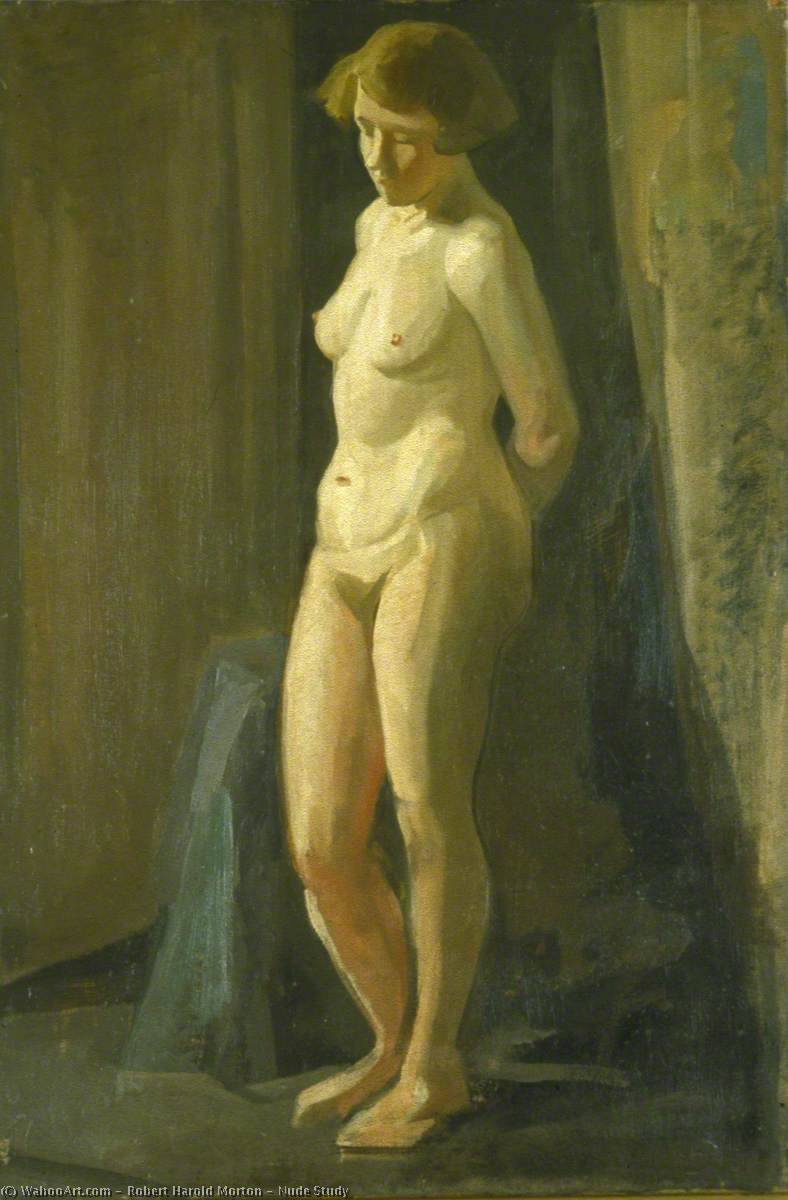
Nude Study

- 92.0 x 61.0 cm


 Espandi i dettagli
L'opera d'arte visualizzata in questa pagina è protetta dalle leggi sul diritto d'autore, il che significa che non possiamo legalmente creare o vendere una riproduzione identica. Tale protezione è garantita da accordi internazionali quali la Convenzione di Berna e dalle leggi nazionali, incluse quelle stabilite da Legge sul copyright degli Stati Uniti - Titolo 17. Tutti i diritti riservati. Le immagini presenti su questo sito sono protette da copyright e non possono essere riprodotte o utilizzate senza l'autorizzazione scritta di WahooArt.com o dei rispettivi proprietari del copyright.
Questo metodo è pienamente conforme alle normative sul diritto d'autore poiché non prevede la copia o la duplicazione dell'opera protetta. Si tratta invece di una rielaborazione creativa: un nuovo dipinto che trae ispirazione dall'originale, senza tuttavia esserne identico.
Giclée / Stampe d'arte
Stampa giclée o su tela di qualità museale, con produzione rapida e diverse opzioni di finitura. ( Acquista il dipinto realizzato a mano Passa all'immagine digitale)




































Scegli tra le nostre dimensioni predefinite, che rispettano le proporzioni originali dell'opera d'arte.

Inserisci la larghezza e l'altezza desiderate, per adattarle alla tua cornice o alla tua parete. Una stampa può essere solo ritagliata, mai resa più grande dell'immagine originale; pertanto, un formato con una forma differente comporterà la perdita di una parte dell'opera. Ti invieremo un mockup digitale da approvare prima di procedere con la stampa. L'immagine mostrata in questa pagina non rappresenta il ritaglio reale — solo il mockup lo mostra.
Consegna in tutto il mondo () in 2 settimane invece delle normali 4/5 settimane. (20 Novembre)

Spedizione espressa gratuita in tutto il mondo

Tela in lino di alta qualità

Assicurazione completa sulla spedizione

Garanzia di rimborso dei dazi doganali

Garanzia di fedeltà cromatica assoluta

Politica di reso entro 100 giorni (solo per difetti di fabbricazione)

Garanzia di rimborso al 100%

Offerta per acquisti multipli
 L'opzione vetro è disponibile solo per dimensioni inferiori a 110 cm

Nude Study
Giclée / Stampe d'arte
Dimensioni riproduzione
-


Prezzo finale calcolato
€ 72
Biografia dell'artista
L'eredità luminosa di Robert Harold Morton
Nel morbido bagliore ambrato di un pomeriggio mediterraneo, si può quasi sentire le pennellate di Robert Harold Morton danzare sulla tela. Impressionista americano la cui anima sembrava indissolubilmente legata ai ritmi costieri d'Europa, Morton possedeva la rara capacità di tradurre le qualità effimere della luce in una poesia visiva eterna. Nato nel 1879 nel pittoresco enclave di Cassis, in Francia, le sue stesse origini erano immerse nell'aria salmastra e nei paesaggi inondati dal sole che avrebbero poi caratterizzato la sua celebrata opera. La sua vita e il suo lavoro rappresentano un profondo dialogo tra l'artista e il mondo naturale, una ricerca incessante nel catturare quei momenti fugaci in cui l'atmosfera e la terra convergono in una perfetta armonia.
Il percorso artistico di Morton è stato plasmato dalle grandi tradizioni dei capolavori europei. Durante i suoi anni formativi, viaggiò ampiamente attraverso i cuori culturali d'Italia e di Francia, immergendosi nelle tecniche rivoluzionarie del movimento impressionista. L'influenza di luminari come Claude Monet e Auguste Renoir è palpabile nella sua dedizione alla pittura en plein air. Invece di ritirarsi nei confini sterili di uno studio, Morton cercava la verità della natura direttamente sotto il cielo aperto. Divenne un meticoloso osservatore dei sottili mutamenti della luce: come il sole di mezzogiorno potesse sbiadire le scogliere di granito di Cassis, o come l'ora del crepuscolo proiettasse lunghe ombre violacee su un porto tranquillo. La sua tecnica era un magistrale equilibrio tra realismo e fluidità impressionista; mentre la sua resa di texture come la pietra ruvida o l'acqua scintillante mostrava una sensibilità straordinaria, non permise mai che il dettaglio preciso oscurasse la risonanza emotiva prevalente del colore e del tono.
Una sinfonia di mare e riva
Il cuore del repertorio di Morton risiede nei suoi evocativi paesaggi marini e terrestri, in particolare in quelli incentrati sulla sua amata casa mediterranea. Le sue tele fungono da finestre su un mondo di profonda serenità, dove il ritmo pulsante del mare detta la composizione. In opere come Harbour Scene o nelle sue raffigurazioni di Portofino, lo spettatore è invitato a testimoniare la quieta maestosità della vita marittima. Aveva un talento particolare nel ritrarre l'immobilità delle acque calme, utilizzando delicate sfumature di azzurro e turchese per riflettere l'immensità del cielo sovrastante. Queste scene marittime sono spesso punteggiate da motivi ricorrenti che conferiscono un senso di grazia narrativa: la silhouette di un cipresso che sta a guardia dell'orizzonte, o il movimento dolce e deciso delle barche a vela che scivolano tra le onde.
Oltre alle vaste vedute, l'arte di Morton si estendeva in domini più intimi, inclusi i suoi celebri studi del nudo. In queste opere, applicava lo stesso reverenza per la luce e la forma che definiva i suoi paesaggi, trattando la figura umana come un altro elemento del paesaggio naturale, soggetto alla stessa morbida illuminazione e profondità atmosferica. Questa dualità nel suo lavoro — la capacità di muoversi tra la grande scala di una vista costiera e la delicata intimità di un ritratto — dimostra una versatile maestria dell'idioma impressionista. I suoi dipinti non si limitano a documentare un luogo o una figura; essi catturano un' impressione, un ricordo sensoriale di calore, luce e pace.
Significato storico e bellezza eterna
Mentre il mondo dell'arte attraversava varie transizioni moderniste all'inizio del XX secolo, Morton rimase costante nel suo impegno verso la bellezza del mondo naturale. La sua opera si erge come testimonianza del potere duraturo dell'Impressionismo nell'evocare emozioni attraverso il colore e la luce. Mentre i movimenti successivi cercavano di decostruire interamente la forma, la dedizione di Morton nel catturare l'essenza del paesaggio mediterraneo ha fornito un senso di continuità e atemporalità. Egli raggiunse un livello di sofisticazione tecnica che gli permise di rendere le texture aspre della costa francese con tale accuratezza che la sua opera rimane vibrante oggi come quando fu applicata per la prima volta sulla tela.
Il significato storico di Robert Harold Morton risiede nel suo ruolo di ponte tra la sensibilità americana e la luce europea. Egli portò una prospettiva unica alla tradizione impressionista americana, infondendovi il carattere specifico e luminoso della Costa Azzurra. Oggi, la sua eredità vive attraverso la forza silenziosa dei suoi dipinti, che continuano a offrire sollievo e meraviglia a coloro che cercano la bellezza nell'interazione tra ombra e sole. Il lavoro della sua vita rimane una profonda celebrazione della terra, del mare e dell'eterna danza della luce.

Robert Harold Morton
Francia
Dettagli rapidi
- Artistic Movement Or Style: Impressionismo
- Full Name: Robert Harold Morton
- Nationality: Americano
- Notable Artworks:
- Harbour Scene
- Paesaggio vicino a Cassis
Articoli correlati

I 25 Capolavori da non Perdere all'Albertina di Vienna
Scopri i 25 capolavori dell'Albertina, da Klimt a Dürer. Esplora la collezione su OriginalUniqueArt.com.

Anatomy, Idealism, and Realism: A History of the Female Nude in Painting
Explore the technical evolution of the female nude from Renaissance anatomy to Impressionist light. Trace art history with our expert guide.

The Persistence of Form: Tracing the Tradition of the Nude in Fine Art
Explore the profound distinction between the nude and naked through art history. Trace the evolution of classical form with us.

Capolavori dell'Albertina: i 25 opere imperdibili di Vienna
Esplora i 25 capolavori dell'Albertina di Vienna: dai dettagli di Dürer all'oro di Klimt. Un viaggio tra Rinascimento e Secessione per ispirare il tuo arredamento con riproduzioni d'arte di lusso. Scopri tutti i capolavori su OriginalUniqueArt.com.

The Evolving Human Form: Tracing Light and Flesh from Impressionism to Post-Impressionism
Explore the evolution of the human form from academic realism to Post-Impressionism. Trace the history of light and flesh with us.