Anteprima in scala reale
 Condividi
 Condividi
 Dettagli
 Guida stampabile

 Scarica
 Articoli simili
 Radiografia
 Slideshow
 Statistiche
Window, Eiffel Tower


 Leggi tutto
Giclée / Stampe d'arte
Stampa giclée o su tela di qualità museale, con produzione rapida e diverse opzioni di finitura. ( Ordina la riproduzione dipinta a mano Passa all'immagine digitale)




P118B €10

P118H €10

P118W €10

P438Z €10

P508JH €12

P508YH €12

P805H €10

P805Z €10

P919BZ €10

P919G €10

P919XJ €10

P959ZH €10

P968JZ €12

W106C €8

W218G €10

W218JH €8

W218Y €10

W307PJ €10

W316G €10

W316PJ €8

W316Y €10

W398PJ €8

W4111J €10

W500HY €15

W500JH €15

W692G €12

W849H €8

W940BG €15

W953PJ €8




Scegli tra le nostre dimensioni predefinite, che rispettano le proporzioni originali dell'opera d'arte.

Inserisci la larghezza e l'altezza desiderate, per adattarle alla tua cornice o alla tua parete. Una stampa può essere solo ritagliata, mai resa più grande dell'immagine originale; pertanto, un formato con una forma differente comporterà la perdita di una parte dell'opera. Ti invieremo un mockup digitale da approvare prima di procedere con la stampa. L'immagine mostrata in questa pagina non rappresenta il ritaglio reale — solo il mockup lo mostra.
Consegna in tutto il mondo () in 2 settimane invece delle normali 4/5 settimane. (21 Ottobre)

Spedizione espressa gratuita in tutto il mondo

Tela in lino di alta qualità

Assicurazione completa sulla spedizione

Garanzia di rimborso dei dazi doganali

Garanzia di perfetta fedeltà cromatica

Politica di reso entro 100 giorni (solo per difetti di fabbricazione)

Garanzia di rimborso al 100%

Sconto per acquisti multipli
 L'opzione vetro è disponibile solo per dimensioni inferiori a 110 cm

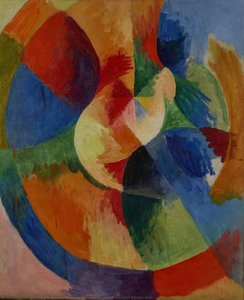
Window, Eiffel Tower
Giclée / Stampe d'arte
Dimensioni della riproduzione
-


Prezzo totale
€ 70
Robert Delaunay’s ‘Window, Eiffel Tower’: A Symphony of Color and Geometric Form
Robert Delaunay's “Window, Eiffel Tower” (1910) is more than just a depiction of Paris’ iconic landmark; it’s a vibrant embodiment of the Orphism movement – a radical artistic exploration of color and form that fundamentally shifted the course of 20th-century art. This captivating painting, rendered in bold strokes of red and black against a backdrop of stark white curtains, immediately draws the viewer into a world where architectural precision yields to an intensely emotional response to light and hue. Delaunay wasn’t interested in creating a photographic representation; instead, he sought to distill the essence of the Eiffel Tower – its power, its presence, and the way it interacts with the surrounding environment – through a carefully orchestrated visual language.
The Birth of Orphism
Created during a period of immense artistic upheaval, “Window, Eiffel Tower” emerged from Delaunay’s pioneering work within the burgeoning Orphism movement. Co-founded by his wife, Sonia Delaunay, and fellow artists like František Kupka, Orphism rejected traditional representational art in favor of abstract compositions dominated by intense, non-naturalistic colors. Influenced by theories of color developed by Michel Eugène Chevreul and later championed by the younger generation of artists, Delaunay believed that color itself possessed inherent expressive power – a belief reflected powerfully in this work. The geometric shapes employed aren’t merely decorative; they are fundamental building blocks used to dissect and reassemble visual experience, creating a dynamic interplay between form and color.
Technique and Composition
Delaunay's technique is characterized by loose, expressive brushstrokes applied with a confident hand. The red and black hues aren’t blended smoothly; instead, they are juxtaposed to create areas of sharp contrast and visual vibration. This deliberate lack of blending contributes significantly to the painting’s energetic feel. The white curtains serve not just as a backdrop but as active participants in the composition, reflecting and refracting light, further intensifying the color palette. The simplified geometric forms – squares, rectangles, and triangles – are strategically placed to guide the viewer's eye across the canvas, creating a sense of movement and dynamism. Notice how Delaunay uses overlapping planes to create an illusion of depth, pulling the viewer into the scene.
Symbolism and Emotional Impact
“Window, Eiffel Tower” transcends a simple cityscape depiction; it’s imbued with layers of symbolic meaning. The Eiffel Tower itself, a symbol of modernity and technological progress, is presented in a state of abstracted beauty, suggesting a harmonious relationship between the industrial age and artistic expression. The window frame acts as a framing device, inviting the viewer to step into the scene and experience the painting’s emotional resonance. The overall effect is one of optimism, energy, and a profound appreciation for the transformative power of color. It's a testament to Delaunay's ability to capture not just what he saw, but how he *felt* about it – a deeply subjective and intensely beautiful response to one of the world’s most iconic structures.
Domande e risposte
Dove posso scaricare "Window, Eiffel Tower" di Robert Delaunay?
Puoi scaricare "Window, Eiffel Tower" di Robert Delaunay dalla pagina Scarica dell'opera, come download di un'immagine digitale ad alta risoluzione.
"Window, Eiffel Tower" di Robert Delaunay è un'opera d'arte molto conosciuta?
"Window, Eiffel Tower" è classificata come Iconic.
Dove posso acquistare una stampa di "Window, Eiffel Tower" di Robert Delaunay?
È possibile ordinare una stampa di "Window, Eiffel Tower" di Robert Delaunay direttamente sulla sua pagina Stampa Fine Art: una stampa fine art su tela di cotone o carta canvas d'archivio.
Biografia dell'artista
Primi anni e inizi artistici
Robert Delaunay, un artista francese, nacque il 12 aprile 1885 a Parigi. È noto soprattutto per aver co-fondato il movimento artistico dell'Orfismo con sua moglie Sonia Delaunay e altri. Questo movimento, caratterizzato dall'uso di colori vivaci e forme geometriche, mirava ad esprimere la vita moderna attraverso forme astratte.Stile artistico e influenze
Lo stile artistico di Delaunay era segnato da un audace uso del colore e da una chiara passione per la sperimentazione sia in profondità che in tono. I suoi lavori successivi furono più astratti, ricordando Paul Klee. L'influenza chiave dell'artista si riferiva all'uso del colore come mezzo espressivo e strutturale.- La serie della Torre Eiffel, che cattura l'essenza di questo iconico punto di riferimento parigino in una forma unica e astratta.
- Contrasti simultanei: Sole e Luna, un dipinto che mostra l'arte di Delaunay e il suo impegno teorico con il colore.
- Finestre aperte simultaneamente, 1a parte, 3o motivo, un dipinto che dimostra l'uso di blocchi di colori da parte di Delaunay per creare profondità e movimento.
Opere notevoli e eredità
Le opere notevoli di Delaunay includono:- La Torre Eiffel (126 x 93 cm, Museo Solomon R. Guggenheim, New York, Stati Uniti)
- Contrasti simultanei: Sole e Luna (Orfismo)
- Finestre aperte simultaneamente, 1a parte, 3o motivo (Orfismo)
Sviluppo artistico e Orfismo
Delaunay iniziò la sua carriera con influenze neoimpressioniste, ma presto si allontanò da questo stile per abbracciare il Cubismo. La sua innovazione principale fu l'introduzione di colori vivaci nel Cubismo, portando alla nascita dell'Orfismo. Questo movimento enfatizzava l'uso del colore come elemento autonomo e strutturale, piuttosto che semplicemente descrittivo. Delaunay credeva che la pittura dovesse essere un'arte puramente visiva, dipendente da elementi intellettuali, e che la percezione fosse nell'impatto della luce colorata sull'occhio. Le sue teorie sul colore influenzarono molti artisti e furono citate dal poeta e critico d'arte Guillaume Apollinaire per spiegare l'Orfismo.Significato storico
Robert Delaunay è considerato un pioniere dell'Orfismo, un movimento che ha contribuito significativamente allo sviluppo dell'arte astratta nel XX secolo. La sua audace sperimentazione con il colore e le forme geometriche ha aperto nuove strade per gli artisti successivi, influenzando profondamente l'evoluzione dell'arte moderna. Il suo lavoro continua a ispirare artisti e appassionati d'arte in tutto il mondo, consolidando la sua posizione come figura significativa nella storia dell'arte.
Robert Delaunay
1885 - 1941 , Francia
Informazioni rapide
- Artisti Influenti:
- Paul Cézanne
- Michel-Eugène Chevreul
- Artisti Influenzati:
- Stanton Macdonald-Wright
- Morgan Russell
- Franz Marc
- Paul Klee
- Data Di Nascita: 12 aprile 1885
- Luogo Di Nascita: Parigi, Francia
- Movimento Artistico: Orfismo, Cubismo
- Nazionalità: Francese
- Nome Completo: Robert Delaunay
- Opere Notevoli:
- La Torre Eiffel
- Contrasti simultanei: Sole e Luna
- Finestre aperte simultaneamente
Articoli correlati

Beyond Impressionism: Exploring the Emotional Depth of Post-Impressionist Painting
Explore the profound emotional depth & innovative techniques of Post-Impressionism with OriginalUniqueArt. Discover Cézanne, Van Gogh, Gauguin & more – and their lasting impact on modern art.
Beyond the Brush: How Post-Impressionism Recharged Modern Art with Bold Color and Raw Emotion
Dive into the high-energy revolution of Post-Impressionism. Discover how masters like Cézanne and Van Gogh traded fleeting light for bold colors and raw emotion, forever recharging modern art with the vibrant, structural intensity that defines today's most iconic visual aesthetics.

Impressionismo e Postimpressionismo: Evoluzione, Caratteristiche Distintive e Influenze Reciproche
Esplora l'evoluzione dell'Impressionismo e del Postimpressionismo con la nostra guida esperta. Scopri i maestri, le tecniche e l'influenza di questi movimenti artistici rivoluzionari.

The Revolution of Color and Emotion: A Definitive Exploration of Post-Impressionism
Explore the profound revolution of Post-Impressionism. Delve into the history, techniques, and emotional depth of masters like Van Gogh and Seurat. Discover how to transform your space with museum-quality, hand-painted oil reproductions of these iconic masterpieces.

I 10 Capolavori Post-Impressionisti che Hanno Rivoluzionato l'Arte e la Decorazione d'Interni
Esplora i 10 capolavori del Post-Impressionismo con Van Gogh, Monet e Cézanne. Scopri le storie dietro questi dipinti iconici e lasciati ispirare per la tua decorazione d'interni. Stampe su tela di alta qualità su !