Anteprima in scala reale
 Condividi
 Condividi
 Dettagli
 Guida stampabile

 Scarica
 Articoli simili
 Radiografia
 Slideshow
 Statistiche
The Red Tower


 Leggi tutto
Giclée / Stampe d'arte
Stampa giclée o su tela di qualità museale, con produzione rapida e diverse opzioni di finitura. ( Ordina la riproduzione dipinta a mano Passa all'immagine digitale)




P118B €10

P118H €10

P118W €10

P438Z €10

P508JH €12

P508YH €12

P805H €10

P805Z €10

P919BZ €10

P919G €10

P919XJ €10

P959ZH €10

P968JZ €12

W106C €8

W218G €10

W218JH €8

W218Y €10

W307PJ €10

W316G €10

W316PJ €8

W316Y €10

W398PJ €8

W4111J €10

W500HY €15

W500JH €15

W692G €12

W849H €8

W940BG €15

W953PJ €8




Scegli tra le nostre dimensioni predefinite, che rispettano le proporzioni originali dell'opera d'arte.

Inserisci la larghezza e l'altezza desiderate, per adattarle alla tua cornice o alla tua parete. Una stampa può essere solo ritagliata, mai resa più grande dell'immagine originale; pertanto, un formato con una forma differente comporterà la perdita di una parte dell'opera. Ti invieremo un mockup digitale da approvare prima di procedere con la stampa. L'immagine mostrata in questa pagina non rappresenta il ritaglio reale — solo il mockup lo mostra.
Consegna in tutto il mondo () in 2 settimane invece delle normali 4/5 settimane. (21 Ottobre)

Spedizione espressa gratuita in tutto il mondo

Tela in lino di alta qualità

Assicurazione completa sulla spedizione

Garanzia di rimborso dei dazi doganali

Garanzia di perfetta fedeltà cromatica

Politica di reso entro 100 giorni (solo per difetti di fabbricazione)

Garanzia di rimborso al 100%

Sconto per acquisti multipli
 L'opzione vetro è disponibile solo per dimensioni inferiori a 110 cm

The Red Tower
Giclée / Stampe d'arte
Dimensioni della riproduzione
-


Prezzo totale
€ 70
A Symphony of Light and Form: The Red Tower by Robert Delaunay
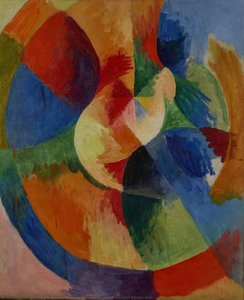
Robert Delaunay’s “The Red Tower,” painted in 1911, is more than a depiction of the iconic Eiffel Tower; it's a vibrant explosion of color and dynamic energy that encapsulates the revolutionary spirit of early 20th-century Paris. This reproduction captures not just an image, but the very essence of Delaunay’s pioneering approach to art – a move away from representational accuracy towards a profound exploration of light, emotion, and geometric abstraction. The painting's bold red dominates the upper structure, drawing the eye upwards while simultaneously grounding the composition with its assertive hue. This deliberate use of color wasn’t merely decorative; it was integral to Delaunay’s Orphism movement, aiming to evoke pure emotional responses through the manipulation of chromatic relationships.

Contextualizing Modernity: Paris in 1911
To fully appreciate “The Red Tower,” one must understand the historical context of its creation. The Eiffel Tower, erected for the 1889 World’s Fair, was a symbol of France's industrial prowess and technological advancement – a bold statement against the traditional aesthetic sensibilities of the time. Delaunay, however, saw beyond this monumental structure. He captured not just its physical form but also the dynamism of modern life surrounding it: the bustling crowds, the movement of traffic, and the very spirit of innovation that defined the era. The inclusion of figures below the tower – tourists and locals alike – further emphasizes this theme, portraying a society actively engaging with and celebrating this new architectural marvel.
Delaunay’s Technique: Fragmentation and Color
Delaunay's technique is characterized by a masterful blend of fragmentation and vibrant color. The tower itself isn't rendered in smooth, continuous lines; instead, it’s broken down into geometric shapes and planes, creating a sense of movement and visual excitement. This approach aligns with the broader artistic trends of the time – Cubism’s exploration of multiple perspectives and Expressionism’s focus on subjective experience. The use of complementary colors—reds and blues, yellows and purples—intensifies the emotional impact of the painting, generating a powerful sense of energy and visual harmony. Note the careful layering of paint, creating depth and luminosity that draws the viewer into the scene.
Symbolism and Emotional Resonance
Beyond its technical brilliance, “The Red Tower” resonates with profound symbolic meaning. The red tower itself can be interpreted as a symbol of ambition, progress, and even revolution – mirroring the transformative changes occurring in France at the time. Delaunay’s deliberate framing of the tower—with tall buildings and clouds—creates a sense of grandeur and aspiration. The painting invites us to contemplate not just the physical structure but also its place within the broader narrative of human endeavor. This reproduction allows you to experience this powerful artwork firsthand, bringing a touch of Parisian modernity and Delaunay’s visionary spirit into your space.
Domande e risposte
Quanto sono armoniosi i colori di "The Red Tower" di Robert Delaunay?
"The Red Tower" di Robert Delaunay presenta un'armonia cromatica Discordant Palette.
"The Red Tower" è disponibile come stampa d'arte?
Per ordinare una stampa di "The Red Tower" di Robert Delaunay, ti basta cercarla nella sua pagina dedicata Stampa Fine Art: una stampa fine art su tela di cotone o carta canvas d'archivio.
Posso usare la realtà aumentata per vedere "The Red Tower" di Robert Delaunay nella mia stanza?
La pagina Anteprima AR di "The Red Tower" di Robert Delaunay utilizza la realtà aumentata per mostrare l'opera d'arte nel tuo spazio, tramite un dispositivo compatibile.
Biografia dell'artista
Primi anni e inizi artistici
Robert Delaunay, un artista francese, nacque il 12 aprile 1885 a Parigi. È noto soprattutto per aver co-fondato il movimento artistico dell'Orfismo con sua moglie Sonia Delaunay e altri. Questo movimento, caratterizzato dall'uso di colori vivaci e forme geometriche, mirava ad esprimere la vita moderna attraverso forme astratte.Stile artistico e influenze
Lo stile artistico di Delaunay era segnato da un audace uso del colore e da una chiara passione per la sperimentazione sia in profondità che in tono. I suoi lavori successivi furono più astratti, ricordando Paul Klee. L'influenza chiave dell'artista si riferiva all'uso del colore come mezzo espressivo e strutturale.- La serie della Torre Eiffel, che cattura l'essenza di questo iconico punto di riferimento parigino in una forma unica e astratta.
- Contrasti simultanei: Sole e Luna, un dipinto che mostra l'arte di Delaunay e il suo impegno teorico con il colore.
- Finestre aperte simultaneamente, 1a parte, 3o motivo, un dipinto che dimostra l'uso di blocchi di colori da parte di Delaunay per creare profondità e movimento.
Opere notevoli e eredità
Le opere notevoli di Delaunay includono:- La Torre Eiffel (126 x 93 cm, Museo Solomon R. Guggenheim, New York, Stati Uniti)
- Contrasti simultanei: Sole e Luna (Orfismo)
- Finestre aperte simultaneamente, 1a parte, 3o motivo (Orfismo)
Sviluppo artistico e Orfismo
Delaunay iniziò la sua carriera con influenze neoimpressioniste, ma presto si allontanò da questo stile per abbracciare il Cubismo. La sua innovazione principale fu l'introduzione di colori vivaci nel Cubismo, portando alla nascita dell'Orfismo. Questo movimento enfatizzava l'uso del colore come elemento autonomo e strutturale, piuttosto che semplicemente descrittivo. Delaunay credeva che la pittura dovesse essere un'arte puramente visiva, dipendente da elementi intellettuali, e che la percezione fosse nell'impatto della luce colorata sull'occhio. Le sue teorie sul colore influenzarono molti artisti e furono citate dal poeta e critico d'arte Guillaume Apollinaire per spiegare l'Orfismo.Significato storico
Robert Delaunay è considerato un pioniere dell'Orfismo, un movimento che ha contribuito significativamente allo sviluppo dell'arte astratta nel XX secolo. La sua audace sperimentazione con il colore e le forme geometriche ha aperto nuove strade per gli artisti successivi, influenzando profondamente l'evoluzione dell'arte moderna. Il suo lavoro continua a ispirare artisti e appassionati d'arte in tutto il mondo, consolidando la sua posizione come figura significativa nella storia dell'arte.
Robert Delaunay
1885 - 1941 , Francia
Informazioni rapide
- Artisti Influenti:
- Paul Cézanne
- Michel-Eugène Chevreul
- Artisti Influenzati:
- Stanton Macdonald-Wright
- Morgan Russell
- Franz Marc
- Paul Klee
- Data Di Nascita: 12 aprile 1885
- Luogo Di Nascita: Parigi, Francia
- Movimento Artistico: Orfismo, Cubismo
- Nazionalità: Francese
- Nome Completo: Robert Delaunay
- Opere Notevoli:
- La Torre Eiffel
- Contrasti simultanei: Sole e Luna
- Finestre aperte simultaneamente