Anteprima in scala reale
 Condividi
 Condividi
 Dettagli
 Guida stampabile

 Scarica
 Articoli simili
 Radiografia
 Slideshow
 Statistiche
The Cardiff Team


 Leggi tutto
Riproduzione a olio fatta a mano
Olio su tela dipinto a mano nelle tue dimensioni e con la tua cornice, realizzato su ordinazione dai nostri artisti. ( Passa alle stampe Passa all'immagine digitale)




P118B €10

P118H €10

P118W €10

P438Z €10

P508JH €12

P508YH €12

P805H €10

P805Z €10

P919BZ €10

P919G €10

P919XJ €10

P959ZH €10

P968JZ €12

W106C €8

W218G €10

W218JH €8

W218Y €10

W307PJ €10

W316G €10

W316PJ €8

W316Y €10

W398PJ €8

W4111J €10

W500HY €15

W500JH €15

W692G €12

W849H €8

W940BG €15

W953PJ €8




Scegli tra le nostre dimensioni predefinite, che rispettano le proporzioni originali dell'opera d'arte.

Inserisci la larghezza e l'altezza di cui hai bisogno, per adattarle alla tua cornice o alla tua parete. Trattandosi di un'opera dipinta a mano, in caso di dimensioni con una forma differente, l'artista può dipingere un po' più oltre i bordi dell'immagine o ritagliare leggermente — la scelta spetta a te. Ti invieremo un mockup digitale da approvare prima che la pittura abbia inizio. L'immagine mostrata in questa pagina non rappresenta il risultato reale — solo il mockup lo fa.
Dopo l'ordine, il team di OriginalUniqueArt.com contatterà il cliente via e-mail per ricevere le istruzioni e fornirà un'anteprima del mockup
Consegna in tutto il mondo () in 3/4 settimane anziché nelle normali 5 settimane. (22 Ottobre). Nessun compromesso sulla qualità.

Spedizione espressa gratuita in tutto il mondo

Tela in lino di alta qualità

Assicurazione completa sulla spedizione

Garanzia di rimborso dei dazi doganali

Garanzia di perfetta fedeltà cromatica

Politica di reso entro 100 giorni (solo per difetti di fabbricazione)

Garanzia di rimborso al 100%

Sconto per acquisti multipli
 L'opzione vetro è disponibile solo per dimensioni inferiori a 110 cm

The Cardiff Team
Tecnica di riproduzione
Dimensioni della riproduzione
-


Prezzo totale
€ 263
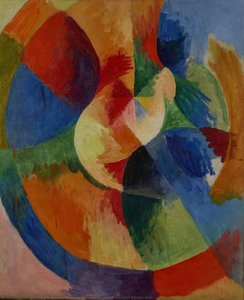
The Cardiff Team: A Vision of Urban Energy
Robert Delaunay’s “The Cardiff Team,” painted in 1922, is far more than a depiction of a rugby match; it's a vibrant embodiment of the burgeoning Orphism movement and a testament to Delaunay’s revolutionary approach to color and form. Created during a period of intense artistic experimentation following World War I, this work captures a moment of dynamic action – athletes in motion against a backdrop of urban elements – rendered with an almost ecstatic intensity. The painting's power lies not in realistic representation but in its ability to evoke a feeling of movement, energy, and the very essence of modern life.

Orphism and the Language of Color
Delaunay, alongside his wife Sonia, was a key figure in Orphism – a movement that sought to liberate color from its traditional representational role. Rejecting the Impressionists’ focus on optical realism, Delaunay and his contemporaries believed that color itself possessed inherent expressive power. “The Cardiff Team” exemplifies this philosophy through its bold, non-naturalistic palette of yellows, blues, reds, and greens. These hues aren't used to mimic reality; instead, they are deployed with a deliberate intensity, creating a visual symphony designed to stimulate the eye and evoke emotion. The geometric shapes – circles, rectangles, and triangles – further amplify this effect, acting as building blocks for Delaunay’s vibrant language.
Technique and Texture: A Brushstroke Manifesto
The painting's surface is characterized by a deliberately rough, impasto-like texture achieved through thick application of oil paint. Visible brushstrokes are not concealed but actively embraced, contributing to the overall sense of dynamism and energy. This technique reflects Delaunay’s desire to move away from traditional academic methods and create a more immediate, expressive artwork. The layering of shapes and colors creates depth, though it's flattened by the artist's deliberate choice to prioritize form and color over precise perspective. The use of lines isn't consistent; they appear as dynamic brushstrokes that guide the viewer’s eye across the canvas, reinforcing the feeling of movement.
Symbolism and Context: Modernity in Motion
Beyond its formal qualities, “The Cardiff Team” offers a fascinating glimpse into the cultural landscape of 1920s Europe. The inclusion of elements like an advertising poster (“Astra”), a biplane, and the Eiffel Tower speaks to the era’s fascination with technological progress and modernity. The rugby match itself represents a burgeoning sport, symbolizing strength, teamwork, and national pride – themes that resonated deeply in a post-war world. Delaunay's choice of subject matter—a dynamic sporting event—reflects his desire to capture the energy and spirit of the modern age. The painting is not simply a record of a game; it’s a visual manifesto celebrating the dynamism and optimism of a new era.
Domande e risposte
A che età Robert Delaunay ha realizzato "The Cardiff Team"?
Robert Delaunay aveva 37 anni quando ha creato "The Cardiff Team" nel 1922. L'età è calcolata sulla base dell'anno di nascita dell'artista, 1885.
A quale fase dello sviluppo di Robert Delaunay appartiene "The Cardiff Team"?
"The Cardiff Team" rappresenta il Early Period di Robert Delaunay.
Per quale motivo lo stato del copyright di "The Cardiff Team" è questo?
"The Cardiff Team" di Robert Delaunay è di di pubblico dominio - il suo copyright è scaduto. La durata del copyright decorre dalla morte dell'artista, avvenuta nel 1941.
Biografia dell'artista
Primi anni e inizi artistici
Robert Delaunay, un artista francese, nacque il 12 aprile 1885 a Parigi. È noto soprattutto per aver co-fondato il movimento artistico dell'Orfismo con sua moglie Sonia Delaunay e altri. Questo movimento, caratterizzato dall'uso di colori vivaci e forme geometriche, mirava ad esprimere la vita moderna attraverso forme astratte.Stile artistico e influenze
Lo stile artistico di Delaunay era segnato da un audace uso del colore e da una chiara passione per la sperimentazione sia in profondità che in tono. I suoi lavori successivi furono più astratti, ricordando Paul Klee. L'influenza chiave dell'artista si riferiva all'uso del colore come mezzo espressivo e strutturale.- La serie della Torre Eiffel, che cattura l'essenza di questo iconico punto di riferimento parigino in una forma unica e astratta.
- Contrasti simultanei: Sole e Luna, un dipinto che mostra l'arte di Delaunay e il suo impegno teorico con il colore.
- Finestre aperte simultaneamente, 1a parte, 3o motivo, un dipinto che dimostra l'uso di blocchi di colori da parte di Delaunay per creare profondità e movimento.
Opere notevoli e eredità
Le opere notevoli di Delaunay includono:- La Torre Eiffel (126 x 93 cm, Museo Solomon R. Guggenheim, New York, Stati Uniti)
- Contrasti simultanei: Sole e Luna (Orfismo)
- Finestre aperte simultaneamente, 1a parte, 3o motivo (Orfismo)
Sviluppo artistico e Orfismo
Delaunay iniziò la sua carriera con influenze neoimpressioniste, ma presto si allontanò da questo stile per abbracciare il Cubismo. La sua innovazione principale fu l'introduzione di colori vivaci nel Cubismo, portando alla nascita dell'Orfismo. Questo movimento enfatizzava l'uso del colore come elemento autonomo e strutturale, piuttosto che semplicemente descrittivo. Delaunay credeva che la pittura dovesse essere un'arte puramente visiva, dipendente da elementi intellettuali, e che la percezione fosse nell'impatto della luce colorata sull'occhio. Le sue teorie sul colore influenzarono molti artisti e furono citate dal poeta e critico d'arte Guillaume Apollinaire per spiegare l'Orfismo.Significato storico
Robert Delaunay è considerato un pioniere dell'Orfismo, un movimento che ha contribuito significativamente allo sviluppo dell'arte astratta nel XX secolo. La sua audace sperimentazione con il colore e le forme geometriche ha aperto nuove strade per gli artisti successivi, influenzando profondamente l'evoluzione dell'arte moderna. Il suo lavoro continua a ispirare artisti e appassionati d'arte in tutto il mondo, consolidando la sua posizione come figura significativa nella storia dell'arte.
Robert Delaunay
1885 - 1941 , Francia
Informazioni rapide
- Artisti Influenti:
- Paul Cézanne
- Michel-Eugène Chevreul
- Artisti Influenzati:
- Stanton Macdonald-Wright
- Morgan Russell
- Franz Marc
- Paul Klee
- Data Di Nascita: 12 aprile 1885
- Luogo Di Nascita: Parigi, Francia
- Movimento Artistico: Orfismo, Cubismo
- Nazionalità: Francese
- Nome Completo: Robert Delaunay
- Opere Notevoli:
- La Torre Eiffel
- Contrasti simultanei: Sole e Luna
- Finestre aperte simultaneamente
Articoli correlati

Espressionismo Astratto: I 10 Capolavori che Hanno Definito un Movimento Artistico Rivoluzionario
Esplora i 10 capolavori dell'Espressionismo Astratto con ! Scopri Pollock, Rothko e De Kooning: storia, tecnica e significato di opere iconiche per arredare la tua casa con arte di alta qualità. Esplora la collezione online!
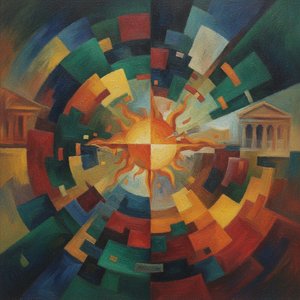
Orphism Unveiled: The Radiant Dance of Color and Light in the Evolution of Abstract Art
Discover the luminous world of Orphism. Explore how masters like Robert and Sonia Delaunay revolutionized art through a radiant dance of color, light, and geometric abstraction in this deep dive into modern art history.

Astrazione Geometrica: 10 Capolavori che Hanno Definito un Movimento Artistico
Esplora i 10 capolavori dell'Astrazione Geometrica: Mondrian, Malevich e Kandinsky rivoluzionano l'arte moderna. Scopri la storia, i colori e le tecniche di questi movimenti iconici. Stampe d'arte di alta qualità su OriginalUniqueArt.com!
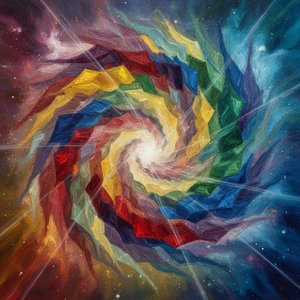
Orphism Unlocked: The High-Energy Color Revolution That Defined Abstract Art
Dive into the high-energy world of Orphism. Discover how this color revolution broke Cubism's rules to define modern abstraction through light, motion, and pure visual impact. Explore the legacy of the Delaunays and bring bold, vibrant energy to your contemporary space.
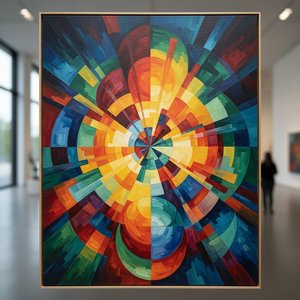
Orphism: A Symphony of Color and Form – Exploring the Abstract Roots of Modern Art
Explore Orphism, the vibrant abstract art movement pioneered by Robert & Sonia Delaunay. Discover its unique color theory, lasting influence on modern art, and how to bring this 'symphony of color' into your home with OriginalUniqueArt.