Anteprima in scala reale
 Invia
Invia Condividi
 Dettagli opera
 Guida
Guida

 Scarica
 Simili
 Radiografia
 Slideshow
 Domande e risposte
 Statistiche
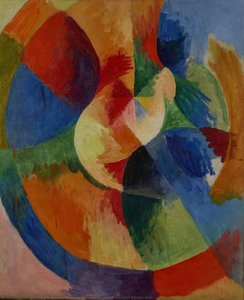
Rhythm Color

 Espandi i dettagli
Giclée / Stampe d'arte
Stampa giclée o su tela di qualità museale, con produzione rapida e diverse opzioni di finitura. ( Acquista il dipinto realizzato a mano Passa all'immagine digitale)




P118B €10

P118H €10

P118W €10

P438Z €10

P508JH €12

P508YH €12

P805H €10

P805Z €10

P919BZ €10

P919G €10

P919XJ €10

P959ZH €10

P968JZ €12

W106C €8

W218G €10

W218JH €8

W218Y €10

W307PJ €10

W316G €10

W316PJ €8

W316Y €10

W398PJ €8

W4111J €10

W500HY €15

W500JH €15

W692G €12

W849H €8

W940BG €15

W953PJ €8




Scegli tra le nostre dimensioni predefinite, che rispettano le proporzioni originali dell'opera d'arte.

Inserisci la larghezza e l'altezza desiderate, per adattarle alla tua cornice o alla tua parete. Una stampa può essere solo ritagliata, mai resa più grande dell'immagine originale; pertanto, un formato con una forma differente comporterà la perdita di una parte dell'opera. Ti invieremo un mockup digitale da approvare prima di procedere con la stampa. L'immagine mostrata in questa pagina non rappresenta il ritaglio reale — solo il mockup lo mostra.
Consegna in tutto il mondo () in 2 settimane invece delle normali 4/5 settimane. (11 Novembre)

Spedizione espressa gratuita in tutto il mondo

Tela in lino di alta qualità

Assicurazione completa sulla spedizione

Garanzia di rimborso dei dazi doganali

Garanzia di fedeltà cromatica assoluta

Politica di reso entro 100 giorni (solo per difetti di fabbricazione)

Garanzia di rimborso al 100%

Offerta per acquisti multipli
 L'opzione vetro è disponibile solo per dimensioni inferiori a 110 cm

Rhythm Color
Giclée / Stampe d'arte
Dimensioni riproduzione
-


Prezzo finale calcolato
€ 72
Robert Delaunay’s “Rhythm Color”: A Symphony of Geometric Light
The artwork "Rhythm Color," executed by Robert Delaunay in 1913, stands as an emblem of Orphism—a movement that irrevocably altered the trajectory of modern art. More than just a visual spectacle, it embodies a profound philosophical inquiry into the nature of perception and artistic expression itself. Delaunay’s ambition wasn't to depict reality; rather, he sought to distill its essence into pure color and form, mirroring the burgeoning fascination with scientific discoveries concerning light and vibration during this transformative period.- Style & Context: Orphism emerged from Cubism, rejecting its fragmentation of perspective in favor of a more holistic approach. Influenced by Nietzsche’s concept of Dionysian ecstasy—a primal surge of emotion and instinct—the movement aimed to liberate art from representational constraints and tap into the subconscious realm. The canvas pulsates with an energy that transcends mere visual observation.
- Technique: Delaunay employed oil on canvas, utilizing a technique characterized by layering translucent washes of color—primarily reds, yellows, and blues—over textured surfaces achieved through impasto. This method allowed for the creation of luminous effects and palpable materiality, capturing the dynamism inherent in the artist’s vision.
Decoding Geometric Harmony: Composition & Color Palette
The composition is dominated by a rectangular frame enclosing overlapping circles and geometric shapes—primarily squares and rectangles—arranged in a seemingly random yet meticulously balanced configuration. However, beneath this surface lies an underlying order rooted in mathematical principles. Delaunay’s color palette eschews traditional hues, opting instead for vibrant shades that vibrate with luminosity. The interplay of complementary colors—red against blue, yellow against violet—creates visual tension and reinforces the sense of movement throughout the artwork. Each shape contributes to a larger harmonic whole, reflecting the artist's belief in the interconnectedness of form and color.Symbolism Beyond Representation: Light & Vibration
Beyond its formal qualities, “Rhythm Color” carries symbolic weight rooted in Delaunay’s fascination with scientific theories concerning light and vibration. He believed that color possessed a vibrational energy—akin to sound—that could influence human consciousness. The luminous circles represent this radiant force, conveying an aspiration toward transcendence and spiritual illumination. They symbolize the artist's desire to capture not just what is seen but what is felt—a profound communion with the underlying rhythms of existence.Emotional Resonance: Capturing the Dionysian Spirit
Ultimately, “Rhythm Color” succeeds in evoking a powerful emotional response. Its chaotic yet harmonious arrangement mirrors the exhilaration and disorientation experienced during moments of ecstatic inspiration—a core tenet of Orphism’s philosophical underpinning. The artwork invites contemplation on themes of beauty, dynamism, and spiritual awakening, resonating with viewers who appreciate art that transcends mere visual gratification.A reproduction of “Rhythm Color” offers an exceptional opportunity to experience the brilliance of Delaunay's vision—a testament to his pioneering role in shaping the landscape of modern art.
Domande e risposte
Quale soggetto e quale atmosfera si incontrano in "Rhythm Color" di Robert Delaunay?
"Rhythm Color" mostra abstract composition, geometric forms, color field art, dynamic rhythm, circular design, modern abstraction, vibrant palette, e l'atmosfera che ne scaturisce è Elegant.
In che modo "Rhythm Color" bilancia luci e ombre?
I valori rilevati per "Rhythm Color" di Robert Delaunay sono: luminosità balanced, luminanza Gentle Luminance.
Quale emozione trasmette "Rhythm Color" di Robert Delaunay?
"Rhythm Color" di Robert Delaunay trasmette un tono emotivo Reflective.
Biografia dell'artista
Primi anni e inizi artistici
Robert Delaunay, un artista francese, nacque il 12 aprile 1885 a Parigi. È noto soprattutto per aver co-fondato il movimento artistico dell'Orfismo con sua moglie Sonia Delaunay e altri. Questo movimento, caratterizzato dall'uso di colori vivaci e forme geometriche, mirava ad esprimere la vita moderna attraverso forme astratte.Stile artistico e influenze
Lo stile artistico di Delaunay era segnato da un audace uso del colore e da una chiara passione per la sperimentazione sia in profondità che in tono. I suoi lavori successivi furono più astratti, ricordando Paul Klee. L'influenza chiave dell'artista si riferiva all'uso del colore come mezzo espressivo e strutturale.- La serie della Torre Eiffel, che cattura l'essenza di questo iconico punto di riferimento parigino in una forma unica e astratta.
- Contrasti simultanei: Sole e Luna, un dipinto che mostra l'arte di Delaunay e il suo impegno teorico con il colore.
- Finestre aperte simultaneamente, 1a parte, 3o motivo, un dipinto che dimostra l'uso di blocchi di colori da parte di Delaunay per creare profondità e movimento.
Opere notevoli e eredità
Le opere notevoli di Delaunay includono:- La Torre Eiffel (126 x 93 cm, Museo Solomon R. Guggenheim, New York, Stati Uniti)
- Contrasti simultanei: Sole e Luna (Orfismo)
- Finestre aperte simultaneamente, 1a parte, 3o motivo (Orfismo)
Sviluppo artistico e Orfismo
Delaunay iniziò la sua carriera con influenze neoimpressioniste, ma presto si allontanò da questo stile per abbracciare il Cubismo. La sua innovazione principale fu l'introduzione di colori vivaci nel Cubismo, portando alla nascita dell'Orfismo. Questo movimento enfatizzava l'uso del colore come elemento autonomo e strutturale, piuttosto che semplicemente descrittivo. Delaunay credeva che la pittura dovesse essere un'arte puramente visiva, dipendente da elementi intellettuali, e che la percezione fosse nell'impatto della luce colorata sull'occhio. Le sue teorie sul colore influenzarono molti artisti e furono citate dal poeta e critico d'arte Guillaume Apollinaire per spiegare l'Orfismo.Significato storico
Robert Delaunay è considerato un pioniere dell'Orfismo, un movimento che ha contribuito significativamente allo sviluppo dell'arte astratta nel XX secolo. La sua audace sperimentazione con il colore e le forme geometriche ha aperto nuove strade per gli artisti successivi, influenzando profondamente l'evoluzione dell'arte moderna. Il suo lavoro continua a ispirare artisti e appassionati d'arte in tutto il mondo, consolidando la sua posizione come figura significativa nella storia dell'arte.
Robert Delaunay
1885 - 1941 , Francia
Dettagli rapidi
- Artisti Influenti:
- Paul Cézanne
- Michel-Eugène Chevreul
- Artisti Influenzati:
- Stanton Macdonald-Wright
- Morgan Russell
- Franz Marc
- Paul Klee
- Data Di Nascita: 12 aprile 1885
- Luogo Di Nascita: Parigi, Francia
- Movimento Artistico: Orfismo, Cubismo
- Nazionalità: Francese
- Nome Completo: Robert Delaunay
- Opere Notevoli:
- La Torre Eiffel
- Contrasti simultanei: Sole e Luna
- Finestre aperte simultaneamente
Articoli correlati
Sonia Delaunay: A Life in Color – Exploring the Rhythms of Abstraction and Synesthesia
Explore the vibrant world of Sonia Delaunay, a pioneer of abstract art and co-founder of Orphism. Discover her revolutionary use of color, geometric forms, and influence on modern design. A deep dive into her life & legacy.
Orphism: A Symphony of Color and Form – Exploring the Abstract Roots of Modern Art
Explore Orphism, the vibrant abstract art movement pioneered by Robert & Sonia Delaunay. Discover its unique color theory, lasting influence on modern art, and how to bring this 'symphony of color' into your home with OriginalUniqueArt.

Orphism Unlocked: The High-Energy Color Revolution That Defined Abstract Art
Dive into the high-energy world of Orphism. Discover how this color revolution broke Cubism's rules to define modern abstraction through light, motion, and pure visual impact. Explore the legacy of the Delaunays and bring bold, vibrant energy to your contemporary space.
Orphism Unveiled: The Radiant Dance of Color and Light in the Evolution of Abstract Art
Discover the luminous world of Orphism. Explore how masters like Robert and Sonia Delaunay revolutionized art through a radiant dance of color, light, and geometric abstraction in this deep dive into modern art history.

Astrazione Geometrica: 10 Capolavori che Hanno Definito un Movimento Artistico
Esplora i 10 capolavori dell'Astrazione Geometrica: Mondrian, Malevich e Kandinsky rivoluzionano l'arte moderna. Scopri la storia, i colori e le tecniche di questi movimenti iconici. Stampe d'arte di alta qualità su OriginalUniqueArt.com!