 Anteprima in scala reale
 Condividi
 Condividi
 Dettagli
 Guida stampabile

 Scarica
 Articoli simili
 Radiografia
 Slideshow
 Statistiche
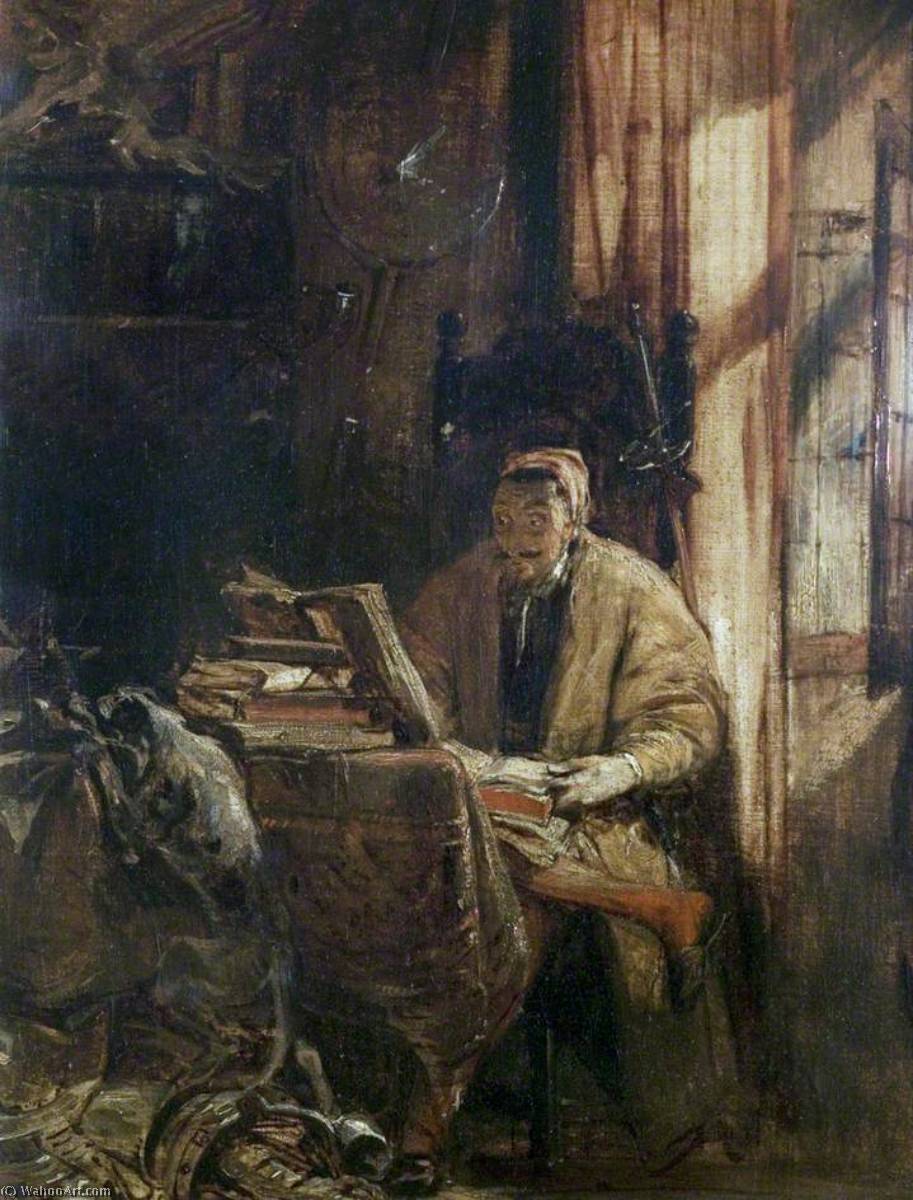
Don Quixote in His Study


 Leggi tutto
Giclée / Stampe d'arte
Stampa giclée o su tela di qualità museale, con produzione rapida e diverse opzioni di finitura. ( Ordina la riproduzione dipinta a mano Passa all'immagine digitale)




P118B $10

P118H $10

P118W $10

P438Z $10

P508JH $12

P508YH $12

P805H $10

P805Z $10

P919BZ $10

P919G $10

P919XJ $10

P959ZH $10

P968JZ $12

W106C $8

W218G $10

W218JH $8

W218Y $10

W307PJ $10

W316G $10

W316PJ $8

W316Y $10

W398PJ $8

W4111J $10

W500HY $15

W500JH $15

W692G $12

W849H $8

W940BG $15

W953PJ $8




Scegli tra le nostre dimensioni predefinite, che rispettano le proporzioni originali dell'opera d'arte.

È possibile inserire dimensioni personalizzate per adattare l'opera a una cornice o a uno spazio specifico. Se la dimensione selezionata non corrisponde alle proporzioni dell'immagine originale, procederemo al ritaglio dell'opera o all'estensione dell'immagine con un bordo specchiato o a tinta unita. Un mockup digitale ti verrà inviato per approvazione prima dell'inizio della produzione.
Si prega di notare che l'anteprima a schermo non riflette il ritaglio o l'estensione effettivi. Solo il mockup mostrerà accuratamente la composizione finale.
Sebbene siano disponibili dimensioni personalizzate, si raccomanda di selezionare una dimensione dall'elenco predefinito per preservare le proporzioni originali.
Consegna in tutto il mondo () in 2 settimane invece delle normali 4/5 settimane. (25 Settembre)

Spedizione espressa gratuita in tutto il mondo

Tela in lino di alta qualità

Assicurazione completa sulla spedizione

Garanzia di rimborso dei dazi doganali

Garanzia di perfetta fedeltà cromatica

Politica di reso entro 100 giorni (solo per difetti di fabbricazione)

Garanzia di rimborso al 100%

Sconto per acquisti multipli
 L'opzione vetro è disponibile solo per dimensioni inferiori a 110 cm

Don Quixote in His Study
Giclée / Stampe d'arte
Dimensioni della riproduzione
-


Prezzo totale
$ 80
A Portrait of Rustic Grandeur: Unpacking Bonington’s “Don Quixote in His Study”
Richard Parkes Bonington's "Don Quixote in His Study," painted in 1826, isn’t merely a depiction of an elderly man; it’s a carefully constructed tableau brimming with quiet contemplation and the weight of a life lived within the confines of memory and imagination. The painting immediately draws the viewer into a dimly lit interior, dominated by a rich, earthy palette – ochres, browns, and deep reds—that speaks to both the warmth of domesticity and the encroaching shadows of age. Bonington masterfully employs chiaroscuro, a dramatic contrast between light and dark, to sculpt the figure of Don Quixote, lending him an almost sculptural quality while simultaneously emphasizing his vulnerability. The scene is not one of heroic action, but rather of introspective stillness; we are invited to witness a moment of profound solitude.
- Compositional Harmony: The arrangement of objects—the stacked books, the overflowing bags, the ticking clock—creates a sense of controlled chaos, mirroring perhaps the mental landscape of the subject.
- Color Palette: The muted tones evoke a feeling of nostalgia and the passage of time, while the strategic use of red draws attention to the woman’s headscarf, subtly hinting at her character and story.
- Light & Shadow: Bonington's skillful manipulation of light creates depth and drama, highlighting the subject’s face and casting long shadows that suggest both age and a certain melancholy.
The Artist and His Influences: A Bridge Between Romanticism and Tradition
Richard Parkes Bonington stands as a fascinating figure in the transition between the last vestiges of English Romanticism and the burgeoning influences of French Realism. Born in Nottingham, England, in 1802, he spent much of his formative artistic years in France, absorbing the techniques and philosophies of masters like Jean-Auguste Dominique Ingres and, crucially, Eugène Delacroix. Bonington’s style is a unique synthesis of these influences; he retains the Romantic emphasis on light and atmosphere but grounds it in a meticulous observation of form and detail reminiscent of the Old Masters. His early training with François Louis Thomas Francia, who had returned from studying Girtin's watercolors in England, instilled in him a deep appreciation for the delicate handling of color and brushwork that would become hallmarks of his work.
Historical Context:** Bonington’s painting was created during a period of significant artistic change. The Romantic movement was waning, giving way to new approaches to representation. Bonington navigated this shift with remarkable grace, producing works that were both deeply personal and technically sophisticated. His brief but brilliant career is marked by a poignant sense of unrealized potential – he died at the young age of 26 from tuberculosis.Decoding Symbolism: Layers of Meaning in a Simple Scene
Beyond its immediate visual appeal, “Don Quixote in His Study” is rich with symbolic layers. The cluttered room itself represents the accumulated weight of memory and experience—the books, the bags, the clock all speak to a life lived fully, yet perhaps somewhat wistfully. Don Quixote’s posture – slumped slightly, his gaze fixed inward – suggests a man lost in thought, grappling with the remnants of a bygone era. The red headscarf is particularly intriguing; it could symbolize both resilience and vulnerability, hinting at the woman's strength and her own quiet struggles. The painting subtly evokes themes of aging, memory, solitude, and the enduring power of imagination.
A Legacy in Reproduction: Bringing Bonington’s Vision to Life
Reproductions of “Don Quixote in His Study” offer a remarkable opportunity to experience the depth and nuance of Bonington's artistry. The meticulous detail, the evocative lighting, and the subtle symbolism are all faithfully captured in high-quality reproductions. Whether adorning a study or a gallery wall, this painting invites contemplation and offers a glimpse into the mind of a truly exceptional artist. The rich textures and carefully rendered details translate beautifully to canvas, creating a timeless piece that speaks to the enduring power of art to transport us to another time and place.
Biografia dell'artista
La Vita e la Formazione di Richard Parkes Bonington
Richard Parkes Bonington, figura di spicco del movimento romantico britannico, nacque il 25 ottobre 1802 ad Arnold, nel Nottinghamshire, Regno Unito. Suo padre, anch'egli chiamato Richard, era un uomo dalle molteplici attività che lavorava come carceriere, maestro d’arte e produttore di merletti. Questo variegato background influenzò probabilmente le prime inclinazioni artistiche di Bonington. https://OriginalUniqueArt.com/@/richardparkesbonington, la piattaforma online per gli appassionati d'arte, offre un'ampia collezione delle opere di Bonington, mostrando la sua maestria in paesaggi e scene storiche.Evoluzione Artistica e Influenze
Il percorso artistico di Bonington iniziò con la pittura a acquerello, insegnatogli dal padre. All’età di undici anni, già esponeva le sue opere all'Accademia di Liverpool. Nel 1817, la sua famiglia si trasferì a Calais, in Francia, dove prese lezioni da François Louis Thomas Francia, che gli introdusse la tecnica dell'acquerello inglese.- L’influenza di Francia è visibile nelle prime opere di Bonington, caratterizzate da una fusione di stili inglesi e francesi.
- Il suo incontro con Eugène Delacroix https://OriginalUniqueArt.com/@/eugenedelacroix, pittore romantico francese, plasmò ulteriormente il suo approccio artistico.
- Il periodo di Bonington all’École des Beaux-Arts a Parigi, sotto Antoine-Jean, Baron Gros, consolidò le sue capacità.
Opere Notabili e Realizzazioni
Opere Chiave:- Rouen, Normandia, c. 1823 (disponibile su /it/art/show/art-8xyhdc-it/
- Veduta della laguna vicino a Venezia, 1827 (Louvre)
- Carlo V visita Francesco I dopo la battaglia di Pavia, c. 1827
- Medaglia d'oro al Salon di Parigi nel 1824, insieme a John Constable e Anthony Vandyke Copley Fielding.
- Il tributo di Delacroix all’opera di Bonington in una lettera a Théophile Thoré nel 1861, che sottolineava la sua leggerezza di tocco.
Eredità e Memoria
La vita di Bonington fu interrotta dalla tubercolosi, che lo portò alla morte il 23 settembre 1828, all'età di soli 25 anni. Nonostante la sua breve carriera, lasciò un segno indelebile nel romanticismo britannico.- Una statua nella Nottingham School of Art, eretta da Watson Fothergill.
- Un teatro e una scuola primaria nel suo paese natale di Arnold a lui dedicati.
- La Wallace Collection custodisce un significativo gruppo di 35 opere, che mostrano sia i suoi paesaggi che le sue pitture storiche.

Richard Parkes Bonington
1802 - 1828 , Regno Unito
Informazioni rapide
- Artistic Movement Or Style: Romanticismo britannico
- Artists Or Movements Influenced By This Artist: ['Artisti britannici successivi']
- Artists Who Influenced This Artist:
- François Louis Thomas Francia
- Eugène Delacroix
- Thomas Girtin
- Date Of Birth: 25 ottobre 1802
- Date Of Death: 23 settembre 1828
- Full Name: Richard Parkes Bonington
- Nationality: Britannico
- Notable Artworks:
- Rouen, Normandia
- Vista della laguna vicino a Venezia
- Carlo V visita Francesco I
- Place Of Birth (City And Country): Arnold, Regno Unito
Articoli correlati

Oil on Canvas: A Historical & Technical Exploration of a Timeless Artistic Medium
Explore the rich history & enduring techniques of oil painting on canvas. Discover the science behind its longevity, conservation practices, and contemporary relevance. Expert insights for art enthusiasts.
Richard Parkes Bonington: Effimere Luminosità e Paesaggi Romantici – Un’Alba del Dipinto en Plein Air
Esplora la vita e le opere di Richard Parkes Bonington, pioniere del 'plein air' e figura chiave del Romanticismo inglese. Analisi approfondite dei suoi capolavori e dell'influenza sulla storia dell'arte.

The Enduring Power of Painting: A Historical & Contemporary Exploration of Form and Emotion
Explore the rich history & enduring techniques of oil painting with OriginalUniqueArt. Discover masterpieces, learn about art collecting, and find authentic handmade reproductions crafted by skilled artists.

L'Eredità Duratura della Pittura a Olio: Tecnica, Storia e Pratica Contemporanea
Esplora la storia affascinante e le tecniche della pittura a olio. Scopri come i maestri hanno creato capolavori senza tempo e come questa arte vive oggi. : riproduzioni di alta qualità e consulenza esperta.

The Enduring Legacy of Oil on Canvas: Technique, History & Aesthetic Impact
Explore the rich history & techniques of oil painting – from Renaissance masters to Impressionism. Discover pigments, layering methods, and why this timeless medium endures. Expert insights for artists & art enthusiasts.