Anteprima in scala reale
 Condividi
 Condividi
 Dettagli
 Guida stampabile

 Scarica
 Articoli simili
 Radiografia
 Slideshow
 Statistiche
Self-portrait


 Leggi tutto
Riproduzione a olio fatta a mano
Olio su tela dipinto a mano nelle tue dimensioni e con la tua cornice, realizzato su ordinazione dai nostri artisti. ( Passa alle stampe Passa all'immagine digitale)




P118B €10

P118H €10

P118W €10

P438Z €10

P508JH €12

P508YH €12

P805H €10

P805Z €10

P919BZ €10

P919G €10

P919XJ €10

P959ZH €10

P968JZ €12

W106C €8

W218G €10

W218JH €8

W218Y €10

W307PJ €10

W316G €10

W316PJ €8

W316Y €10

W398PJ €8

W4111J €10

W500HY €15

W500JH €15

W692G €12

W849H €8

W940BG €15

W953PJ €8




Scegli tra le nostre dimensioni predefinite, che rispettano le proporzioni originali dell'opera d'arte.

Inserisci la larghezza e l'altezza di cui hai bisogno, per adattarle alla tua cornice o alla tua parete. Trattandosi di un'opera dipinta a mano, in caso di dimensioni con una forma differente, l'artista può dipingere un po' più oltre i bordi dell'immagine o ritagliare leggermente — la scelta spetta a te. Ti invieremo un mockup digitale da approvare prima che la pittura abbia inizio. L'immagine mostrata in questa pagina non rappresenta il risultato reale — solo il mockup lo fa.
Dopo l'ordine, il team di OriginalUniqueArt.com contatterà il cliente via e-mail per ricevere le istruzioni e fornirà un'anteprima del mockup
Consegna in tutto il mondo () in 3/4 settimane anziché nelle normali 5 settimane. (22 Ottobre). Nessun compromesso sulla qualità.

Spedizione espressa gratuita in tutto il mondo

Tela in lino di alta qualità

Assicurazione completa sulla spedizione

Garanzia di rimborso dei dazi doganali

Garanzia di perfetta fedeltà cromatica

Politica di reso entro 100 giorni (solo per difetti di fabbricazione)

Garanzia di rimborso al 100%

Sconto per acquisti multipli
 L'opzione vetro è disponibile solo per dimensioni inferiori a 110 cm

Self-portrait
Tecnica di riproduzione
Dimensioni della riproduzione
-


Prezzo totale
€ 263
A Window into the Soul: Rembrandt Peale’s “Self-Portrait”
Rembrandt Peale's "Self-Portrait," executed in 1629, is more than just a likeness; it’s a profound meditation on identity, ambition, and the burgeoning spirit of early America. Created during a period of immense artistic ferment – mirroring the European masters while simultaneously forging a distinctly American style – this etching offers a remarkably intimate glimpse into the mind of a man poised to become a pivotal figure in the nation's cultural landscape. The portrait itself is deceptively simple: a young Peale, dressed in dark attire and adorned with a stylish hat, gazes directly at the viewer with an expression that balances quiet contemplation and determined resolve.
The technical mastery on display is immediately striking. Peale’s skill as an engraver is evident in the meticulous rendering of textures – from the smooth fabric of his coat to the intricate details of his hair. He employs a sophisticated range of hatching and cross-hatching, techniques borrowed from Northern European masters like Rembrandt himself, to create subtle gradations of tone and volume. These lines aren’t merely decorative; they are carefully orchestrated to define form, suggest shadow, and imbue the portrait with a remarkable sense of depth and realism. The stark contrast between light and dark – a hallmark of his style – draws attention to key features, particularly the eyes, which seem to hold both intelligence and vulnerability.
The Legacy of Charles Willson Peale
Understanding “Self-Portrait” requires acknowledging its context within the life and career of Charles Willson Peale. As a painter, museum founder, and ardent naturalist, Peale was deeply invested in promoting art and science to the American public. His ambition wasn’t simply to create beautiful images; he sought to educate, inspire, and foster a sense of national pride through artistic representation. Rembrandt Peale, his son, inherited this legacy, absorbing his father's passion for portraiture and his belief in art’s power to shape society. The young Rembrandt clearly aimed to emulate his father’s success, establishing himself as a leading portraitist within the rapidly evolving American art scene.
The portrait itself can be seen as a deliberate statement of intent – a visual declaration of Peale's artistic aspirations and his commitment to upholding a tradition of excellence. It reflects not only his personal ambitions but also the broader cultural values of the time, where self-representation was increasingly valued as a means of asserting one’s identity and status.
Symbolism and the Portraiture of Identity
While the portrait appears straightforward, it's rich with subtle symbolic elements. The hat, fashionable for the period, suggests sophistication and social standing. The dark clothing, often associated with seriousness and introspection, reinforces the sense of thoughtful contemplation. However, the most compelling aspect is Peale’s gaze – direct and unwavering – which invites a connection between the artist and the viewer. This directness was considered crucial in portraiture; it demanded engagement and fostered a feeling of intimacy.
Furthermore, the oval border framing the image—a common device in portraits of this era—creates a sense of formality and timelessness. It elevates the subject to an almost iconic status, suggesting that Peale intended his self-portrait to be more than just a likeness; it was meant to embody a particular ideal of masculinity and artistic achievement.
A Timeless Masterpiece – Reimagined
Today, “Self-Portrait” stands as a testament to the remarkable talent of Rembrandt Peale and a vital document in the history of American art. Its enduring appeal lies not only in its technical brilliance but also in its profound exploration of human identity. If you’re seeking a piece that embodies both artistic skill and emotional resonance, consider commissioning a high-quality reproduction from OriginalUniqueArt.com. These meticulously crafted reproductions capture the essence of Peale's original work, allowing you to bring this timeless masterpiece into your home or office – a window into the soul of an artist and a pivotal moment in American history.
Domande e risposte
Posso visualizzare un'anteprima di "Self-portrait" di Rembrandt Peale prima di ordinare?
Per visualizzare un'anteprima della riproduzione di "Self-portrait" di Rembrandt Peale, apri la pagina Anteprima dell'opera.
Quali soggetti appaiono in "Self-portrait" di Rembrandt Peale?
"Self-portrait" di Rembrandt Peale raffigura: portrait, self-portrait, etching, black & white, realism, dutch art, rembrandt peale, 18th century.
Qual è l'identità cromatica di "Self-portrait" di Rembrandt Peale?
"Self-portrait" è caratterizzato da una tavolozza Neutrals dominata dal Espresso (#46443e).
Biografia dell'artista
Primi anni e formazione
Rembrandt Peale, artista e curatore di musei americano, nacque il 22 febbraio 1778 nella contea di Bucks, in Pennsylvania. Era il terzo di sei figli sopravvissuti dei suoi genitori, Rachel Brewer e Charles Willson Peale, un noto artista. Il nome di Rembrandt fu ispirato dal pittore e incisore olandese del XVII secolo, Rembrandt Harmenszoon van Rijn. Suo padre insegnò a tutti i suoi figli a dipingere paesaggi e ritratti e istruì Rembrandt nelle arti e nelle scienze.Carriera artistica
Lo stile di Peale fu influenzato dal neoclassicismo francese dopo un soggiorno a Parigi nella sua prima età adulta. Iniziò a disegnare all'età di 8 anni e completò il suo primo autoritratto all'età di 13 anni, mostrando la sua precoce padronanza. La carriera prolifica di Peale comprendeva oltre 70 repliche dettagliate, tra cui ritratti dei presidenti George Washington e Thomas Jefferson.- Opere notevoli:
- George Washington (tipo portello) (1795), ora alla National Portrait Gallery (Londra, Regno Unito)
- Uomo con la barba (data non nota)
- Ritratto del reverendo John Pierpont (1785-1866)
Museo e eredità
Peale lanciò il suo primo museo a Baltimora, nel Maryland, il 15 agosto 1814, che in seguito servì come seconda sede del municipio di Baltimora e fu infine restaurato come Peale Museum. La sua eredità continua ad essere celebrata attraverso i suoi numerosi ritratti, ora parte di varie collezioni museali, tra cui la National Portrait Gallery (Washington, Stati Uniti).Influenze e sviluppo artistico
L'opera di Rembrandt Peale fu influenzata da diversi fattori. L’educazione ricevuta dal padre, Charles Willson Peale, gli fornì una solida base nell'arte e nella scienza. Il suo soggiorno a Parigi lo espose al neoclassicismo francese, che ebbe un impatto significativo sul suo stile. Inoltre, i suoi viaggi in Europa e lo studio dei maestri del Rinascimento e del Barocco contribuirono alla sua crescita artistica. Peale si concentrò sulla creazione di ritratti accurati e dettagliati, cercando di catturare la somiglianza fisica e la personalità dei suoi soggetti.Significato storico
Rembrandt Peale è ricordato per i suoi numerosi ritratti di figure importanti dell'epoca, tra cui George Washington e Thomas Jefferson. Le sue opere forniscono preziose testimonianze visive della storia americana e contribuiscono alla nostra comprensione del periodo. Inoltre, il suo ruolo come fondatore del Peale Museum a Baltimora ha contribuito allo sviluppo culturale ed educativo della città. Il museo divenne un importante centro di apprendimento e intrattenimento per la comunità locale.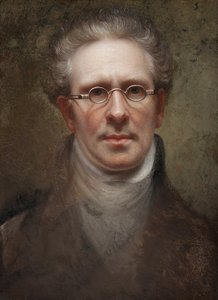
Rembrandt Peale
1778 - 1860 , Stati Uniti d'America
Informazioni rapide
- Artisti Influenti:
- Charles Willson Peale
- Benjamin West
- Gilbert Stuart
- Data Di Nascita: 22 febbraio 1778
- Luogo Di Nascita: Bucks County, USA
- Movimento Artistico: Neoclassicismo
- Nazionalità: Americana
- Nome Completo: Rembrandt Peale
- Opere Notevoli:
- George Washington (porthole type)
- Man with a Beard
- Portrait of the Rev. John Pierpont
Articoli correlati

Rembrandt van Rijn: I 25 Capolavori Immortali da Ammirare | OriginalUniqueArt
Esplora i 25 capolavori di Rembrandt van Rijn, da 'La Ronda di Notte' ai suoi intensi autoritratti. Scopri la storia, le tecniche e l'arte barocca del maestro olandese. Riproduzioni di alta qualità su OriginalUniqueArt.com.

Etching: A Historical Survey of Technique, Aesthetic Qualities & Enduring Artistic Significance
Explore the rich history of etching, from its origins to Rembrandt's masterful innovations. Discover the technique, aesthetic qualities & enduring legacy of this captivating art form. Expert insights for collectors and enthusiasts.

I 10 Dipinti Più Famosi Dominati dal Nero: Maestri e Storie d'Arte
Esplora i 10 dipinti più iconici dominati dal nero, da Caravaggio a Munch. Scopri storie, tecniche e il potere espressivo di artisti come Rembrandt e Goya. Trova stampe d'arte di alta qualità per la tua casa su .
I 10 Capolavori dell'Acquaforte che Hanno Rivoluzionato l'Arte | OriginalUniqueArt
Esplora i 10 capolavori dell'acquaforte che hanno rivoluzionato l'arte! Scopri Rembrandt, Goya e Dürer. Stampe d'arte di alta qualità per decorare la tua casa con stile classico. Acquista riproduzioni su OriginalUniqueArt.com.

The Intricate World of Etching: A Historical Survey of Technique, Aesthetic Evolution, and Enduring Artistic Impact
Explore the rich history of etching, from its origins to modern practice. Discover techniques, key artists like Rembrandt, and insights for collectors. A comprehensive guide by OriginalUniqueArt.