

 Invia
Invia Condividi
 Dettagli opera
 Guida
Guida

 Scarica
 Simili
 Slideshow
 Statistiche
Abigail Adams
 Giclée Print
- Digital
- Neoclassicism
 1804
1804 7.0 x 10.0 cm
 Galleria Nazionale di Ritratto
 Espandi i dettagli
Riproduzione a olio fatta a mano
Olio su tela dipinto a mano nelle tue dimensioni e con la tua cornice, realizzato su ordinazione dai nostri artisti. ( Passa alle stampe Passa all'immagine digitale)




































Scegli tra le nostre dimensioni predefinite, che rispettano le proporzioni originali dell'opera d'arte.

Inserisci la larghezza e l'altezza desiderate, per adattarle alla tua cornice o alla tua parete. Trattandosi di un'opera dipinta a mano, in caso di dimensioni con un formato differente, l'artista può estendere leggermente il dipinto oltre i bordi dell'immagine o ritagliare una piccola parte — la scelta spetta a te. Ti invieremo un mockup digitale da approvare prima che la realizzazione abbia inizio. L'immagine mostrata in questa pagina non rappresenta il risultato finale — solo il mockup lo fa.
Dopo l'ordine, il team di OriginalUniqueArt.com contatterà il cliente via e-mail per ricevere le istruzioni e fornirà un'anteprima del mockup
Consegna in tutto il mondo () in 3/4 settimane anziché nelle normali 5 settimane. (26 Ottobre). Nessun compromesso sulla qualità.

Spedizione espressa gratuita in tutto il mondo

Tela in lino di alta qualità

Assicurazione completa sulla spedizione

Garanzia di rimborso dei dazi doganali

Garanzia di fedeltà cromatica assoluta

Politica di reso entro 100 giorni (solo per difetti di fabbricazione)

Garanzia di rimborso al 100%

Offerta per acquisti multipli
 L'opzione vetro è disponibile solo per dimensioni inferiori a 110 cm

Abigail Adams
Tecnica di riproduzione
Dimensioni riproduzione
-


Prezzo finale calcolato
€ 263
A Portrait of Early American Grace: Abigail Adams After John Adams by Raphaelle Peale
This exquisite hand-painted reproduction captures the essence of Abigail Adams, a pivotal figure in early American history, as immortalized by the pioneering still life painter, Raphaelle Peale. Executed in meticulous detail and presented within a classic 7 x 10 cm frame, this artwork offers a poignant glimpse into the domestic sphere of the nation’s first lady during her tenure (1804-1809). The original painting, “Abigail Adams,” created in 1804, served as a testament to Peale's innovative approach to portraiture – moving beyond mere likeness to capture character and presence. Peale’s work was revolutionary for its time, reflecting his dedication to scientific observation and artistic precision.
The Artist: Raphaelle Peale - A Pioneer of Still Life
- Born in Annapolis, 1774: Raphaelle Peale’s life was inextricably linked to the burgeoning world of American art and science. His father, Charles Willson Peale, a renowned portrait painter and naturalist, profoundly influenced his son's artistic development.
- Innovation in Portraiture: Unlike many of his contemporaries who focused solely on formal portraits, Peale sought to represent subjects with an unprecedented level of detail and realism, often incorporating elements of natural history into his compositions. This approach was remarkably forward-thinking for the early 19th century.
- A Legacy of Observation: Peale’s meticulous observation skills, honed through years of studying nature and art, are vividly evident in this reproduction of Abigail Adams. The careful rendering of her clothing, the subtle expression on her face, and the overall composition demonstrate his commitment to capturing not just a physical likeness but also the spirit of his subject.
Style & Technique: Neoclassical Influence with American Realism
Peale’s style is firmly rooted in the neoclassical tradition, evident in the formal arrangement and dignified pose of Abigail Adams. However, he infused this European influence with a distinctly American realism, prioritizing accuracy and detail over idealized beauty. The painting employs smooth brushwork and subtle tonal variations to create a sense of depth and volume, particularly in the rendering of her dress and bonnet. The use of black and white photography further enhances the piece's timeless quality, echoing the aesthetic sensibilities of the era.
Symbolism & Historical Context
Painted during a period of significant political and social change in the United States, this portrait reflects the growing importance of women in public life. Abigail Adams was known for her intelligence, wit, and outspoken opinions – she famously urged her husband, John Adams, to “remember the ladies” when drafting the new nation’s laws. The bonnet worn by Abigail Adams was a fashionable accessory during this period, signifying status and refinement. The image offers a tangible connection to a formative moment in American history, allowing us to contemplate the role of women in shaping the nation's identity.
Emotional Impact & Collector’s Appeal
This hand-painted reproduction transcends mere decoration; it is a window into the past. The serene expression of Abigail Adams invites contemplation and evokes a sense of quiet dignity. Its timeless appeal makes it an ideal addition to any art collection or interior design scheme, bringing a touch of historical elegance and intellectual curiosity to your space. A testament to Raphaelle Peale’s artistic vision, this piece is more than just a portrait – it's a celebration of American heritage.
Domande e risposte
A quale fase della carriera di Raphaelle Peale corrisponde la data del 1804 di "Abigail Adams"?
La data del 1804 colloca "Abigail Adams" nel Mature Period della carriera di Raphaelle Peale.
Dove posso trovare le statistiche relative a "Abigail Adams" di Raphaelle Peale?
Le statistiche relative a "Abigail Adams" di Raphaelle Peale sono consultabili nella pagina Statistiche dell'opera: visite mensili dell'opera, visite alle opere dell'artista e ripartizione dei visitatori recenti per paese e lingua.
I colori di "Abigail Adams" di Raphaelle Peale sono vivaci o tenui?
I colori di "Abigail Adams" di Raphaelle Peale presentano una saturazione Subtle Color e un'intensità Balanced.
Biografia dell'artista
Il pioniere della natura morta americana
Nel panorama in espansione dell'arte americana del primo Ottocento, un'epoca in cui la ritrattistica regnava sovrana come principale mezzo per celebrare lo status e l'eredità familiare, Raphaelle Peale osò volgere il proprio sguardo verso la bellezza silenziosa e spesso trascurata dell'inanimato. Nato ad Annapolis nel 1774, Peale non fu solo un pittore, ma un vero pioniere capace di tracciare una nicchia specializzata che era stata precedentemente trascurata nel repertorio artistico della giovane nazione. In quanto figlio del leggendario Charles Willson Peale, la sua stessa esistenza era intrecciata con il battito delle scoperte scientifiche e artistiche americane. Cresciuto all'interno dell'orbita di una delle dinastie artistiche più influenti d'America, Raphaelle fu immerso in un ambiente in cui l'osservazione meticolosa era considerata sia una forma d'arte che una necessità scientifica.
La sua formazione iniziale affondava le radici in questa duplice tradizione di naturalismo e maestria artigianale. Sotto lo sguardo attento del padre, Peale imparò a vedere il mondo attraverso una lente di profondo dettaglio, un'abilità che sarebbe poi diventata il marchio distintivo del suo stile maturo. Mentre i suoi fratelli perseguitavano spesso carriere nella medicina o nella storia naturale, Raphaello incanalò questa passione ereditata per la documentazione nel mezzo dell'olio su tela. Egli non cercava semplicemente di rappresentare gli oggetti; cercava di elevarli. Concentrandosi sulle consistenze della frutta, sulla lucentezza della porcellana e sul sottile decadimento della materia organica, infuse un senso di permanenza nell'effimero, trasformando semplici oggetti quotidiani in soggetti di alta arte.
Maestria della consistenza e del Trompe l'oeil
La vera genialità dell'opera di Peale risiede nel suo comando tecnico della luce e della superficie. Egli divenne un maestro del trompe l'oeil—una tecnica progettata per "ingannare l'occhio"—creando illusioni così convincenti che gli spettatori erano spesso tentati di protendersi per toccare gli oggetti raffigurato. Le sue composizioni, come quelle che presentano pesche, uvetta o pesce, sono studi di realtà tattile. Si può quasi percepire la buccia vellutata di una pesca matura o la superficie fresca e liscia di una brocca in ceramica attraverso la sua magistrale applicazione di velature e ombre.
Lo sviluppo stilistico di Peale fu significativamente plasmato dalla consapevolezza delle tradizioni europee, in particolare dall'influenza dei maestri spagnoli che avevano perfezionato nel tempo l'arte della natura morta. Fondendo questa raffinatezza del Vecchio Mondo con una sensibilità unicamente americana, egli creò opere che apparivano allo stesso tempo informate globalmente e radicate localmente. I suoi dipinti presentano spesso:
- Dettaglio meticoloso: Un impegno incrollabile nel catturare le minime imperfezioni della natura, dalle piccole macchie su una mela alle delicate venature di una foglia.
- Luce drammatica: L'uso del chiaroscuro per far emergere i soggetti da sfondi scuri e atmosferici, conferendo a ogni oggetto una presenza scultorea.
- Equilibrio compositivo: Una disposizione accurata degli elementi che guida l'occhio dello spettatore attraverso una narrazione silenziosa e contemplativa di abbondanza e mortalità.
Un'eredità duratura nell'arte americana
Sebbene la sua carriera sia stata relativamente breve, concludendosi con la sua morte nel 1825, l'impatto di Raphaelle Peale sulla traiettoria dell'arte americana non può essere sopravvalutato. Egli infranse il monopolio della ritrattistica, dimostrando che il domestico e il naturalistico erano degni del più alto livello di devozione artistica. In questo modo, gettò le basi per generazioni di pittori americani di nature morte che avrebbero seguito le sue orme, esplorando i temi dell'abbondanza, del decadimento e della bellezza del quotidiano.
Oggi, Peale è ricordato non solo come membro di una famiglia illustre, ma come un talento singolare che possedette il coraggio di trovare la grandezza nelle piccole cose. Le sue opere rimangono testimonianze vitali di un periodo della storia americana in cui la nazione stava ancora definendo la propria identità visiva. Attraverso i suoi pennelli, il semplice contenuto di un cesto o l'umile disposizione di un tavolo sono diventati simboli duraturi della capacità di una cultura nascente di osservare, apprezzare e immortalare il mondo che la circonda.

Raphaelle Peale
1774 - 1825 , Stati Uniti d'America
Dettagli rapidi
- Artistic Movement Or Style: Still Life
- Artists Or Movements Influenced By This Artist: ['Spanish Masters']
- Artists Who Influenced This Artist: ['Charles Willson Peale']
- Date Of Birth: Feb 17, 1774
- Full Name: Raphaelle Peale
- Nationality: American
- Notable Artworks:
- Still Life with Raisins...
- Still Life with Jug...
- Still Life with Apples
- Place Of Birth: Annapolis, USA
Articoli correlati
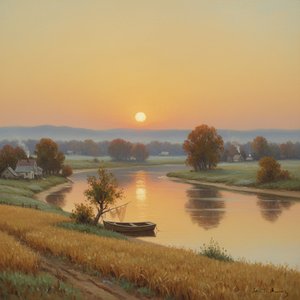
John Ottis Adams: Capturing Rural Indiana's Luminist Spirit
Explore the serene landscapes of John Ottis Adams, a key American Impressionist of the Hoosier Group. Discover his Luminist style & forgotten legacy with OriginalUniqueArt.

Charles Willson Peale: Ritrattistica, Ideali Illuministici e la Formazione dell'Identità Americana
Esplora la vita e l'opera di Charles Willson Peale, pittore simbolo dell'Illuminismo americano. Analisi approfondita della sua ritrattistica, del realismo scientifico e del ruolo nella formazione dell'identità americana.

Grant Wood e il Regionalismo Americano: Identità, Mito e Paesaggio Rurale
Esplora il Regionalismo Americano con Grant Wood e i suoi capolavori. Analisi approfondita di 'American Gothic', contesto storico, influenze artistiche e l'eredità di questo movimento iconico. Scopri la vera essenza dell'arte rurale americana.
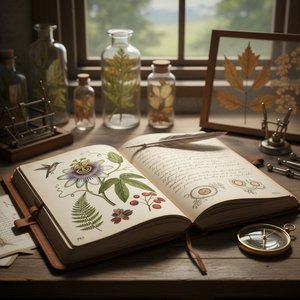
Titian Ramsay Peale: Precisione Botanica e Innovazione Artistica nell'America del XIX Secolo
Scopri la vita e l'opera di Titian Ramsay Peale, pioniere della pittura botanica americana e naturalista del XIX secolo. Esplora le sue illustrazioni scientifiche innovative e il suo contributo all'arte e alla scienza.
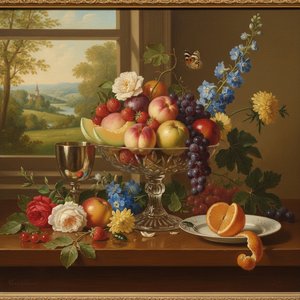
Severin Roesen: Evoking National Identity Through American Still Life Painting
Explore the captivating world of Severin Roesen, a major American still life painter influenced by Dutch masters. Discover his lush compositions and the symbolism within his art – a window into 19th-century America.


