 Anteprima in scala reale
 Condividi
 Condividi
 Dettagli

 Scarica immagine
 Articoli simili
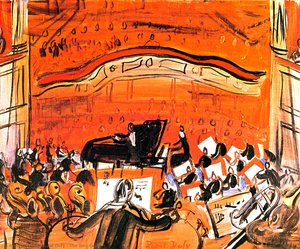
 Radiografia
 Slideshow
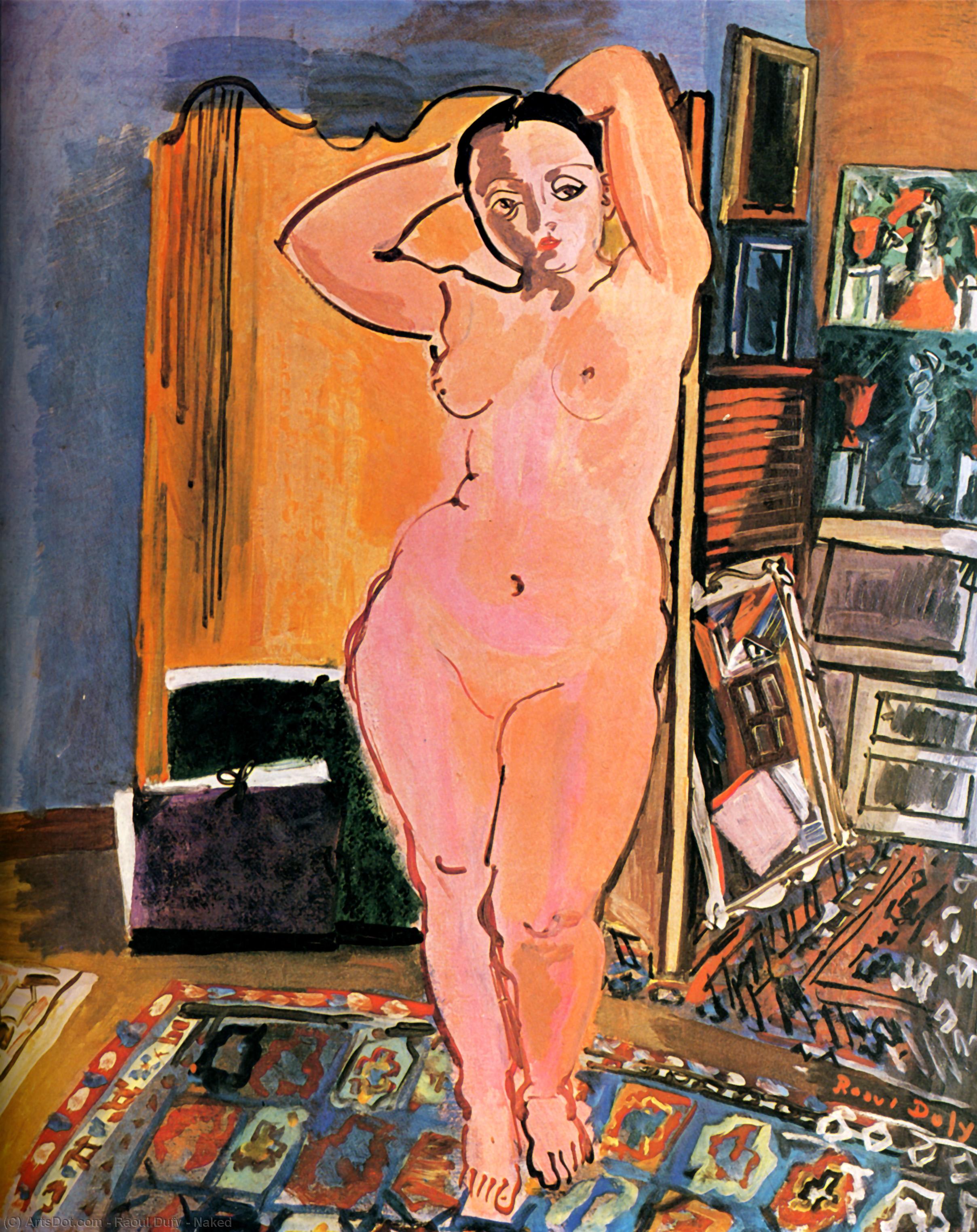
Naked


 Leggi tutto
Riproduzione a olio fatta a mano
Olio su tela dipinto a mano nelle tue dimensioni e con la tua cornice, realizzato su ordinazione dai nostri artisti. ( Ordina stampa Acquista download)




P118B $10

P118H $10

P118W $10

P438Z $10

P508JH $12

P508YH $12

P805H $10

P805Z $10

P919BZ $10

P919G $10

P919XJ $10

P959ZH $10

P968JZ $12

W106C $8

W218G $10

W218JH $8

W218Y $10

W307PJ $10

W316G $10

W316PJ $8

W316Y $10

W398PJ $8

W4111J $10

W500HY $15

W500JH $15

W692G $12

W849H $8

W940BG $15

W953PJ $8




Scegli tra le nostre dimensioni predefinite, che rispettano le proporzioni originali dell'opera d'arte.

È possibile inserire dimensioni personalizzate per adattare l'opera a una cornice o a uno spazio specifico. Se la dimensione selezionata non corrisponde alle proporzioni dell'immagine originale, provvederemo a ritagliare l'opera o a estendere il dipinto con elementi aggiuntivi dipinti a mano. Un mockup digitale ti sarà inviato per approvazione prima dell'inizio della produzione.
Si prega di notare che l'anteprima a schermo non riflette il ritaglio o l'estensione effettivi. Solo il mockup mostrerà accuratamente la composizione finale.
Sebbene siano disponibili dimensioni personalizzate, consigliamo di selezionare una dimensione dall'elenco predefinito per preservare le proporzioni originali.
Dopo l'ordine, il team di OriginalUniqueArt.com contatterà il cliente via e-mail per le istruzioni e fornirà un'anteprima del mockup
Consegna in tutto il mondo () in 3/4 settimane anziché nelle normali 5 settimane. (16 Agosto). Nessun compromesso sulla qualità.

Spedizione espressa gratuita in tutto il mondo

Tela in lino di alta qualità

Assicurazione completa sulla spedizione

Garanzia di rimborso dei dazi doganali

Garanzia di fedeltà cromatica dell'originale

Politica di reso entro 60 giorni (solo per difetti di fabbricazione)

Garanzia di rimborso al 100%

Sconto per acquisti multipli
 L'opzione vetro è disponibile solo per dimensioni inferiori a 110 cm

Naked
Tecnica di riproduzione
Dimensioni della riproduzione
-


Prezzo totale
$ 300
Descrizione dell'opera
A Moment of Intimate Stillness
In the quietude of a private chamber, Raoul Dufy captures a profound moment of vulnerability and self-reflection in his 1928 masterpiece, Naked. The painting presents a solitary woman, her form central to the composition, caught in a gesture of deep introspection with her hands resting upon her head. This pose, while suggesting a sense of exposure, also conveys a powerful inward focus, as if she is momentarily retreating from the external world into the sanctuary of her own thoughts. The room around her is not merely a backdrop but a lived-in landscape; scattered books, a delicate vase, and the silhouette of a chair breathe life into the space, suggesting a life of intellect and quiet domesticity. Through this intimate scene, Dufy invites the viewer to step into a private realm where the boundaries between the physical body and the surrounding atmosphere begin to blur.
The technique employed in Naked is a testament to Dufy’s unique ability to marry the structural elements of composition with a fluid, almost rhythmic application of color. While his later works became even more celebrated for their spontaneous, "calligraphic" brushstrokes, this piece from the late 1920s showcases a masterful balance of form and light. The artist utilizes a palette that feels both grounded and luminous, allowing the skin tones of the subject to harmonize with the various objects in her environment. There is a rhythmic quality to how the books and decor are placed throughout the frame, guiding the eye in a gentle dance from the upper corners down to the lower periphery. This careful arrangement creates a sense of equilibrium, ensuring that despite the scattered nature of the room's contents, the composition feels unified and intentional.
The Radiance of French Modernism
To understand the emotional resonance of this work, one must consider Dufy’s place within the vibrant tapestry of early 20th-century French art. Emerging from the influences of Impressionism and the luminous landscapes of Monet, Dufy developed a style that prioritized joie de vivre—a joy of living. In Naked, this joy is not expressed through exuberant movement, but through the poetic beauty of light and the celebration of a quiet, aesthetic existence. The painting serves as a bridge between the classical study of the human form and the modern fascination with atmosphere and color. For the collector or interior designer, this piece offers more than just visual appeal; it provides an emotional anchor of serenity and sophistication.
Integrating a high-quality reproduction of such a significant work into a contemporary space can transform the very character of a room. The soft interplay of light and the nostalgic charm of the 1920s setting make it an ideal centerpiece for a study, a bedroom, or a curated gallery wall. It speaks to a refined taste that appreciates the nuances of art history and the enduring power of the human spirit. As a piece of decor, Naked brings a sense of timeless elegance, acting as a window into a bygone era of French modernism where every brushstroke was an exploration of light, color, and the profound beauty found in life's most private moments.
Biografia dell'artista
Primi Anni e Formazione
Raoul Dufy, pittore francese del fauvismo, nacque il 3 giugno 1877 a Le Havre, Normandia. Abbandonò la scuola all'età di quattordici anni per lavorare in una società importatrice di caffè. Nel 1895, iniziò a frequentare corsi serali d’arte presso l’École des Beaux-Arts di Le Havre, dove conobbe Raymond Lécourt e Othon Friesz, con i quali condivise successivamente uno studio a Montmartre.Stile Artistico e Influenze
Dufy sviluppò uno stile decorativo e colorato che divenne popolare per la progettazione di ceramiche, tessuti ed edifici pubblici. Fu influenzato dai pittori paesaggisti impressionisti, come Claude Monet e Camille Pissarro. La sua prima esposizione ebbe luogo nel 1901 all'esposizione degli artisti francesi.Opere Significative e Collaborazioni
- Il Puro Sangue (45 x 53 cm, arte naïf / primitivismo, olio su tela) è un dipinto notevole di Dufy, che ne mostra lo stile unico.
- Nel 1904, lavorò con Albert Marquet a Fécamp sulla Manica (la Manche).
- La collaborazione di Dufy con Henri Matisse’s Luxe, Calme et Volupté nel 1905 fu una rivelazione per il giovane artista, indirizzando i suoi interessi verso il fauvismo.
Riconoscimenti e Eredità
- Nel 1952, Dufy ricevette il Gran Premio per la pittura alla 26ª Biennale di Venezia.
- Le sue opere si possono trovare in vari musei, tra cui il Museum Royal Collection (Regno Unito), che è una delle collezioni d'arte più grandi e importanti al mondo.
Problemi di Salute e Morte
La salute di Dufy peggiorò a causa dell’artrite reumatoide e morì il 23 marzo 1953 a Forcalquier, Francia. Fu sepolto vicino a Matisse nel cimitero del monastero di Cimiez a Cimiez, sobborgo di Nizza.- Visualizza le opere d'arte e la biografia di Dufy su OriginalUniqueArt
- Esplora maggiori informazioni sul fauvismo e sulla sua influenza sull’arte su Wikipedia
- Scopri il Museum Royal Collection (Regno Unito) e la sua importanza nella storia dell’arte su OriginalUniqueArt

Raoul Dufy
1877 - 1953 , Francia
Informazioni rapide
- Artisti Influenti:
- Claude Monet
- Camille Pissarro
- Henri Matisse
- Data Di Nascita: 3 giugno 1877
- Luogo Di Nascita: Le Havre, Francia
- Movimento Artistico: Fauvismo
- Nazionalità: Francese
- Nome Completo: Raoul Dufy
- Opere Notevoli:
- Il Casinò
- La consolle con frutta rossa
- The Thoroughbred
Articoli correlati

Intimate Interiors: Domestic Life & Artistic Representation from Renaissance to Impressionism
Explore the evolution of domestic life in Western art from the Renaissance to Impressionism. Discover symbolism, realism & artistic techniques shaping intimate interior scenes. Learn more with OriginalUniqueArt.

The Enduring Allure of the Nude: A Historical & Artistic Exploration of the Human Form
Explore the captivating history of nude art! Discover iconic paintings & artists from classical to modern eras. Uncover symbolism, techniques & find museum-quality reproductions at OriginalUniqueArt.

Intimità e Ambivalenza Poetica: Esplorando la Visione di Jean-Édouard Vuillard
Esplora la poetica intimista di Jean-Édouard Vuillard e il movimento Nabi. Analisi approfondite, tecniche pittoriche uniche e l'influenza sulla pittura moderna. Scopri le opere chiave e il contesto storico.
Equilibrio e Audacia: L'Integrazione dell'Arte Contemporanea negli Interni Classici per un'Eleganza Senza Tempo
Scopri come integrare l'arte contemporanea negli interni classici con stile ed eleganza. Consigli esperti, ispirazioni e soluzioni personalizzate per una casa di lusso unica.
Amedeo Modigliani: Le 25 Opere Iconiche che Definiscono un Genio dell'Arte Moderna
Esplora le 25 opere più iconiche di Amedeo Modigliani, dai suoi ritratti malinconici alle sculture rivoluzionarie. Scopri la storia, lo stile e l'arte moderna che definiscono questo genio italiano. Trova riproduzioni d'arte di alta qualità per decorare casa su OriginalUniqueArt.com.