Anteprima in scala reale
 Condividi
 Condividi
 Dettagli
 Guida stampabile

 Scarica
 Articoli simili
 Radiografia
 Slideshow
 Statistiche
Hanuman
 Acrylic On Canvas
- WallArt
- Tanjore School Painting
 1870
1870- 19th Century
 Fondazione del Patrimonio di Raja Ravi Varma
 Leggi tutto
Giclée / Stampe d'arte
Stampa giclée o su tela di qualità museale, con produzione rapida e diverse opzioni di finitura. ( Ordina la riproduzione dipinta a mano Passa all'immagine digitale)




P118B €10

P118H €10

P118W €10

P438Z €10

P508JH €12

P508YH €12

P805H €10

P805Z €10

P919BZ €10

P919G €10

P919XJ €10

P959ZH €10

P968JZ €12

W106C €8

W218G €10

W218JH €8

W218Y €10

W307PJ €10

W316G €10

W316PJ €8

W316Y €10

W398PJ €8

W4111J €10

W500HY €15

W500JH €15

W692G €12

W849H €8

W940BG €15

W953PJ €8




Scegli tra le nostre dimensioni predefinite, che rispettano le proporzioni originali dell'opera d'arte.

Inserisci la larghezza e l'altezza desiderate, per adattarle alla tua cornice o alla tua parete. Una stampa può essere solo ritagliata, mai resa più grande dell'immagine originale; pertanto, un formato con una forma differente comporterà la perdita di una parte dell'opera. Ti invieremo un mockup digitale da approvare prima di procedere con la stampa. L'immagine mostrata in questa pagina non rappresenta il ritaglio reale — solo il mockup lo mostra.
Consegna in tutto il mondo () in 2 settimane invece delle normali 4/5 settimane. (24 Ottobre)

Spedizione espressa gratuita in tutto il mondo

Tela in lino di alta qualità

Assicurazione completa sulla spedizione

Garanzia di rimborso dei dazi doganali

Garanzia di perfetta fedeltà cromatica

Politica di reso entro 100 giorni (solo per difetti di fabbricazione)

Garanzia di rimborso al 100%

Sconto per acquisti multipli
 L'opzione vetro è disponibile solo per dimensioni inferiori a 110 cm

Hanuman
Giclée / Stampe d'arte
Dimensioni della riproduzione
-


Prezzo totale
€ 70
A Divine Discourse: The Early Mastery of Raja Ravi Varma
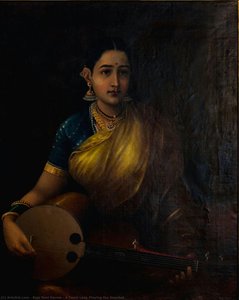
In the quiet, focused atmosphere of 1870, a young Raja Ravi Varma captured a moment of profound spiritual instruction that would resonate through the annals of Indian art history. His painting, Hanuman—often referred to as Hanuman’s Discourse—serves as a breathtaking window into a transitional period of his creative evolution. At this stage in his career, the artist was still deeply enamored with the Tanjore style, a vibrant and ornate school of painting he encountered during his time at the Travancore court. This influence is palpably present in the meticulous detail of the characters' attire, particularly in the parabolic-shaped crowns that adorn the divine figures. These regal ornaments, reminiscent of the heavy gold work found in Tanjore traditions, lend a sense of sacred weight and majesty to the composition, signaling the artist's ability to marry regional decorative splendor with an emerging realism.
The painting presents a tightly structured narrative within a small frame, where every figure plays a vital role in the unfolding drama. At the heart of the scene sits Rama, occupying the central position as the source of wisdom. His posture is one of calm authority, his hands performing the teaching mudra, a symbolic gesture that directs the viewer's eye to the instructional flow of the moment. Beside him, the characters are gathered in an intimate circle of learning. As Hanuman reads intently from ancient palm leaves, the tension between the physical act of reading and the spiritual act of receiving knowledge becomes palpable. The artist’s burgeoning maturity is evident in the way he renders the faces; there is a delicate balance of beauty and profound expression that breathes life into these mythological icons, transforming them from mere deities into relatable, emotive beings.
A Fusion of Traditions and Techniques
For the discerning collector or interior designer, this work represents more than just a religious depiction; it is a masterclass in the fusion of European academic techniques and traditional Indian iconography. Ravi Varma was a pioneer who bridged the gap between the East and the West, utilizing the subtle shading and anatomical precision learned from Western masters to enhance the storytelling of the Puranas. In Hanuman, one can observe how light and shadow are used to create depth within the small frame, giving the figures a sculptural presence that feels almost tangible. The repetition of intricate jewels and ornate patterns across the characters creates a rhythmic visual harmony, a technique that would later become a hallmark of his more famous works, such as Sita Bhumipravesh.
The emotional impact of the piece lies in its sense of togetherness and sacred stillness. The composition draws the observer into a private moment of devotion and intellect. For those looking to adorn a space with art that evokes both cultural heritage and sophisticated elegance, a high-quality reproduction of this masterpiece offers an unparalleled opportunity. It brings into a modern interior a sense of historical continuity and a profound peace. Whether placed in a curated gallery setting or as a focal point in a luxurious living space, the painting serves as a testament to the power of art to preserve the sacred narratives of the past while maintaining a timeless, aesthetic allure that transcends generations.
Domande e risposte
Dove posso acquistare un'immagine digitale di "Hanuman" di Raja Ravi Varma?
È possibile acquistare un'immagine digitale di "Hanuman" di Raja Ravi Varma nella sua pagina Immagine Digitale: download di un'immagine digitale ad alta risoluzione.
Quale tavolozza e quale emozione unisce "Hanuman"?
"Hanuman" di Raja Ravi Varma combina una tavolozza Dark con un tono Reflective.
Cosa rappresenta "Hanuman" di Raja Ravi Varma?
I soggetti di "Hanuman" sono hanuman, ravi varma, indian mythology, tanjore style, rama, palm leaves, court painting.
Biografia dell'artista
Primi anni e contesto familiare
Raja Ravi Varma, pittore indiano celebrato, nacque il 29 aprile 1848 a Kilimanoor, nel Kerala, in India. Era strettamente legato alla famiglia reale di Travancore e successivamente adottò due delle sue nipoti femmine in quella stessa famiglia reale. La sua nascita avvenne in un contesto storico significativo, durante il dominio britannico sull'India, influenzando la sua arte con una fusione di stili occidentali e tradizioni indiane. I suoi genitori furono Neelakanthan Bhattatiripad, uno studioso rispettato, e Umayamba, una poetessa e scrittrice i cui scritti furono pubblicati postumi nella raccolta "Parvati Swayamvaram".Carriera artistica e stile
La carriera artistica di Varma è caratterizzata da un'eccezionale fusione tra tecniche europee e sensibilità puramente indiana. Le sue opere sono considerate tra gli esempi più eccellenti di questa sintesi, rendendolo uno dei più grandi pittori della storia dell'arte indiana. Impiegando le più recenti tecniche artistiche accademiche europee, Varma continuò la tradizione ed estetica dell’arte indiana.- Si distinse per aver reso disponibili al pubblico litografie a prezzi accessibili delle sue opere, ampliando così la sua portata e influenza come pittore e figura pubblica.
- Le sue rappresentazioni di divinità indù ed episodi tratti dalle epiche e dai Purana ricevettero un'accettazione profonda da parte del pubblico, spesso considerate oggetti di culto in tutta l’India.
Influenze e sviluppo artistico
L'educazione di Varma fu influenzata da diversi fattori. Iniziò i suoi studi con Rama Swami Naidu, che lo formò all’acquerello, e successivamente con il ritrattista olandese Theodor Jenson per la pittura ad olio. Queste influenze occidentali si combinarono con una profonda conoscenza della tradizione artistica indiana, in particolare quella del Kerala. Il suo viaggio a Vienna nel 1873, dove vinse un premio per una mostra delle sue opere, segnò una svolta nella sua carriera e lo espose ulteriormente all'arte europea. L’Esposizione Colombiana di Chicago nel 1893, dove ottenne tre medaglie d’oro, consolidò la sua reputazione internazionale.Opere principali e impatto culturale
Varma realizzò numerose opere significative che riflettono la sua maestria artistica e il suo impegno per la rappresentazione della cultura indiana. Tra le sue opere più famose si annoverano:- Mahaprabha Amma, uno dei suoi dipinti più celebri, raffigurante sua figlia.
- Uma Amma, intitolato alla madre di Varma, che mette in mostra la sua fusione di tecniche europee e sensibilità indiana.
Eredità e riconoscimenti
L'eredità artistica di Varma è profonda e duratura, con la sua opera che ha influenzato l'arte indiana per decenni. Il suo stile unico, che fonde tecniche europee con sensibilità indiana, lo ha reso un pioniere nella storia dell’arte indiana. Le sue opere sono oggi esposte in importanti musei di tutto il mondo e continuano ad affascinare gli appassionati d'arte per la loro bellezza, precisione e significato culturale. Raja Ravi Varma è ricordato come uno dei più grandi pittori indiani di tutti i tempi, un artista che ha saputo coniugare tradizione e innovazione in modo magistrale.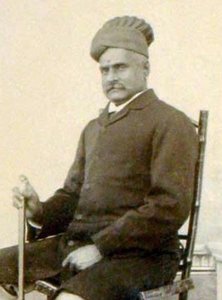
Raja Ravi Varma
1848 - 1906 , India
Informazioni rapide
- Artistic Movement Or Style: Arte accademica indiana
- Artists Or Movements Influenced By This Artist: ['Arte indiana moderna']
- Artists Who Influenced This Artist:
- Theodor Jenson
- Rama Swami Naidu
- Date Of Birth: 29 aprile 1848
- Date Of Death: 2 ottobre 1906
- Full Name: Raja Ravi Varma
- Nationality: Indiano
- Notable Artworks:
- Mahaprabha Amma
- Uma Amma
- Place Of Birth: Kilimanoor, India
Articoli correlati
Echoes of Olympus: Mythological Narratives in Western Art Through the Ages
Explore the captivating history of mythological narratives in Western art! From ancient Greece to modern masterpieces, discover iconic artworks & symbolism. Expert analysis and high-quality reproductions at OriginalUniqueArt.

Raja Ravi Varma: Bridging Tradition & Modernity in 19th-Century Indian Art
Explore the life & art of Raja Ravi Varma, a pioneer who fused European techniques with Indian iconography. Discover his iconic paintings, lasting legacy, and influence on modern Indian art at OriginalUniqueArt.
Timeless Legends: A Curated Guide to the Eternal Allure of Mythological Masterpieces
Embark on a sophisticated journey through the eternal allure of mythological art. Discover how master painters breathe life into ancient legends, from Greek deities to Baroque masterpieces, and learn to curate these timeless narratives within your own exquisite art collection.

Timeless Legends: The Eternal Allure of Mythological Figures in Masterpiece Art
Explore the profound beauty of mythological figures through the lens of art history. From Renaissance masterpieces to custom oil reproductions, discover how legendary tales of heroism and divinity are immortalized in fine art for discerning collectors.
Mitologie Personali: Trasformare Idee ed Esperienze in Capolavori Simbolici – Un Approccio Narrativo nell'Arte Contemporanea
Esplora il potere delle 'mitologie personali' nell'arte contemporanea. Scopri come trasformare esperienze in simbolismi visivi unici con OriginalUniqueArt.com. Consulenza gratuita e opere su misura.