Menu
CONSULENZA D'ARTE GRATUITA
Anteprima in scala realeAnteprima in scala reale Anteprima in ARAnteprima in AR Ordina stampa Ordina stampaAcquista download Acquista download CondividiCondividi
DettagliDettagli Aggiungi ai preferiti Aggiungi ai preferiti Scarica immagineScarica immagine Articoli similiArticoli simili RadiografiaRadiografia SlideshowSlideshow

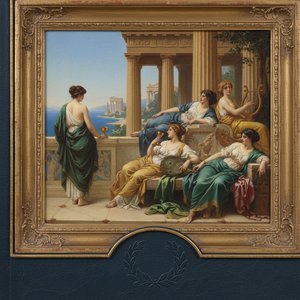
Athenais

Discover John William Godward’s ‘Athenais’ – a stunning Neo-Classical oil painting of a nude beauty in red. Explore its classical themes, meticulous detail & timeless elegance.

Esplora John William Godward (1861-1922), un pittore neo-classico vittoriano celebre per le sue bellissime donne in ambientazioni classiche. Scopri il suo meticoloso dettaglio e l'influenza di Alma-Tadema. #NeoClassicism #ArteVittoriana

Riproduzione a olio fatta a mano

Olio su tela dipinto a mano nelle tue dimensioni e con la tua cornice, realizzato su ordinazione dai nostri artisti. (Ordina stampa Ordina stampaAcquista download Acquista download)

P118B $10
P118H $10
P118W $10
P438Z $10
P508JH $12
P508YH $12
P805H $10
P805Z $10
P919BZ $10
P919G $10
P919XJ $10
P959ZH $10
P968JZ $12
W106C $8
W218G $10
W218JH $8
W218Y $10
W307PJ $10
W316G $10
W316PJ $8
W316Y $10
W398PJ $8
W4111J $10
W500HY $15
W500JH $15
W692G $12
W849H $8
W940BG $15
W953PJ $8

Standard
custom
CM
INCH

Scegli tra le nostre dimensioni predefinite, che rispettano le proporzioni originali dell'opera d'arte.

larghezza
altezza

È possibile inserire dimensioni personalizzate per adattare l'opera a una cornice o a uno spazio specifico. Se la dimensione selezionata non corrisponde alle proporzioni dell'immagine originale, provvederemo a ritagliare l'opera o a estendere il dipinto con elementi aggiuntivi dipinti a mano. Un mockup digitale ti sarà inviato per approvazione prima dell'inizio della produzione.
Si prega di notare che l'anteprima a schermo non riflette il ritaglio o l'estensione effettivi. Solo il mockup mostrerà accuratamente la composizione finale.
Sebbene siano disponibili dimensioni personalizzate, consigliamo di selezionare una dimensione dall'elenco predefinito per preservare le proporzioni originali.

Esempi di personalizzazione: sostituire il volto con una foto del cliente; aggiungere un animale domestico (ad esempio, sostituire un gatto con un cane); inserire un messaggio nascosto nello sfondo; cambiare il paesaggio o gli elementi dello sfondo.
Dopo l'ordine, il team di OriginalUniqueArt.com contatterà il cliente via e-mail per le istruzioni e fornirà un'anteprima del mockup

Consegna in tutto il mondo () in 3/4 settimane anziché nelle normali 5 settimane. (22 Agosto). Nessun compromesso sulla qualità.

why_choose_icon
Spedizione espressa gratuita in tutto il mondo
why_choose_icon
Tela in lino di alta qualità
why_choose_icon
Assicurazione completa sulla spedizione
why_choose_icon
Garanzia di rimborso dei dazi doganali
why_choose_icon
Garanzia di fedeltà cromatica dell'originale
why_choose_icon
Politica di reso entro 60 giorni (solo per difetti di fabbricazione)
why_choose_icon
Garanzia di rimborso al 100%
why_choose_icon
Sconto per acquisti multipli

Prezzo totale

$ 300

reproduction

Athenais

Tecnica di riproduzione

Dimensioni della riproduzione

-

Prezzo totale

$ 300

Dettagli rapidi

  • Year: 1908
  • Medium: Oil on canvas
  • Notable elements: Red dress, marble statues, birds
  • Location: Private collection
  • Movement: Neo-Classicism
  • Subject or theme: Classical beauty and mythology
  • Artistic style: Academic realism

Descrizione dell'opera

A Vision of Classical Splendor

In the luminous realm of Neo-Classicism, few works capture the serene intersection of human grace and architectural grandeur as exquisitely as John William Godward’s Athenais. Painted in 1908, this masterpiece serves as a breathtaking window into a lost era of antiquity, reimagined through the meticulous lens of the late Victorian era. The painting presents us with a central figure of incomparable elegance, draped in a flowing, vibrant red gown that commands the viewer's gaze. As she stands with a poised hand upon her hip, her presence is not merely decorative but foundational to the composition, embodying a sense of quiet confidence and timeless beauty. The rich, crimson hue of her attire creates a striking visual dialogue with the pale, marble textures surrounding her, ensuring that the subject remains the beating heart of this classical dreamscape.

The setting of Athenais is nothing short of theatrical, designed to transport the observer to a world of myth and marble. Godward surrounds his protagonist with an array of sculpted figures—Greek gods and goddesses carved into architectural elements—which lend the scene an air of sacred permanence. These statues, rendered with such precision that one can almost feel the coolness of the stone, provide a structural rhythm to the piece. The inclusion of delicate birds, fluttering near the periphery, introduces a subtle layer of life and movement, breaking the stillness of the marble and infusing the atmosphere with a sense of tranquil harmony. This careful balance between the static permanence of architecture and the fleeting vitality of nature is what makes the work so profoundly captivating.

Mastery of Technique and Light

To behold Athenais is to witness the pinnacle of academic realism and the masterful application of oil on canvas. Godward’s technique is characterized by an extraordinary attention to texture; he layers his pigments with a devotion that allows the viewer to distinguish between the soft, supple folds of silk and the hard, weathered grain of ancient stone. The lighting within the painting is masterfully diffused, casting gentle shadows that sculpt the woman's form and provide a realistic sense of depth. This soft illumination avoids harsh contrasts, instead bathing the entire scene in a warm, nostalgic glow that enhances the romanticism of the subject matter.

The color palette is a sophisticated study in balance, dominated by deep reds, pristine whites, and muted earth tones. These colors work in concert to create a sense of stability and order, reflecting the core tenets of the Neo-Classical movement. The lines are predominantly smooth and flowing, guiding the eye through the organic curves of the human form and into the geometric precision of the classical backdrop. For the discerning collector or interior designer, this painting offers more than just visual beauty; it provides a sophisticated focal point that brings an aura of cultured refinement and historical depth to any space.

Symbolism and Lasting Emotional Resonance

Beyond its aesthetic brilliance, Athenais is steeped in symbolic resonance. The figure herself, often interpreted through the lens of classical mythology, evokes themes of purity, vulnerability, and the eternal nature of beauty. The architectural setting—a monument to civilization and human achievement—serves as a powerful counterpoint to the organic grace of the woman, suggesting a harmonious coexistence between humanity and the enduring legacies of the past. There is a profound sense of nostalgia in Godward's work, a longing for the perceived order and moral seriousness of the ancient world.

For those seeking to adorn their homes with art that inspires contemplation, this painting offers an emotional journey into the sublime. It invites the viewer to pause, to breathe in the stillness of the scene, and to reconnect with the classical ideals of beauty and grace. Whether viewed as a historical document of the late 19th-century academic style or as a timeless piece of decorative art, Athenais remains an enduring testament to the power of the brush to resurrect the splendor of antiquity.


Biografia dell'artista

John William Godward: Un Maestro del Neoclassicismo Vittoriano

Primi Anni di Vita e Contesto

  • **Nato:** 9 agosto 1861, Wimbledon, Inghilterra.
  • **Morto:** 13 dicembre 1922, Londra, Inghilterra.
  • John William Godward era il figlio maggiore di cinque figli nati da John Godward, impiegato presso una società di investimento, e Sarah Eboral.
  • La sua infanzia fu segnata da un carattere introverso, attribuito in gran parte alle personalità dominanti dei suoi genitori. Questa introversione ha profondamente influenzato la sua sensibilità artistica.

Sviluppo Artistico e Influenze

  • **Formazione:** Godward ricevette una formazione artistica formale, sebbene i dettagli specifici siano scarsi a causa della distruzione dei suoi archivi personali.

  • **Influenze Chiave:** Fu fortemente influenzato da Sir Lawrence Alma-Tadema e Frederic Leighton, figure di spicco nel Neoclassicismo Vittoriano.
  • Come Alma-Tadema, Godward dimostrò un'attenzione meticolosa ai dettagli nella resa dell'architettura classica e delle texture. Tuttavia, sviluppò il suo stile distintivo caratterizzato da colori vivaci e rappresentazioni idealizzate della bellezza.

Carriera e Opere Principali

  • **Esposizioni alla Royal Academy:** Godward espose per la prima volta alla Royal Academy nel 1887, segnando l'inizio del suo riconoscimento pubblico.
  • **Dipinti Notabili:**
    • Dolce far Niente (1904): Forse il suo lavoro più famoso, acquistato da Andrew Lloyd Webber nel 1995.
    • When the Heart is Young (1902): Esemplifica la capacità di Godward di catturare l'innocenza e la bellezza giovanile.
    • The Mirror (1899): Dimostra la sua abilità nel contrastare le texture e creare un senso di profondità.
    • In the Tepidarium (1913): Una figura semi-nuda che dimostra la sua versatilità all'interno del genere Neoclassico.
    • Athenais: Un esempio impressionante delle sue figure femminili idealizzate in ambientazioni classiche.
  • **Trasferimento a Roma:** Nel 1912, Godward si trasferì a Roma con una delle sue modelle, una decisione che portò all'estraniamento dalla sua famiglia.

Stile e Temi

  • **Stile Neoclassico:** Il suo lavoro è caratterizzato dall'aderenza alle forme, ai temi e all'estetica classica.
  • **Motivi Ricorrenti:** Spesso raffigurava donne belle in abiti classici, spesso impegnate in momenti di riposo o contemplazione.
  • **Maestria Tecnica:** Godward era rinomato per la sua attenzione meticolosa ai dettagli, in particolare nella resa delle texture come il marmo, il pelliccia e i tessuti. L'uso dei suoi colori vivaci ha ulteriormente distinto il suo stile.
  • È spesso descritto come un ‘Sognatore Vittoriano Alto’ a causa della natura idealizzata e romantica dei suoi dipinti.

Morte Tragica e Eredità

  • **Morte:** Godward si tolse la vita nel 1922 all'età di 61 anni.
  • **Reazione della Famiglia:** La sua famiglia, vergognandosi del suo suicidio, distrusse i suoi archivi e tentò di cancellare la sua memoria.
  • **Significato Storico:** Nonostante gli sforzi per sopprimere la sua eredità, il lavoro di Godward ha sperimentato una rinascita della popolarità. Rimane una figura significativa nel Neoclassicismo Vittoriano, celebrato per la sua abilità tecnica, la bellezza idealizzata e le evocative rappresentazioni dei temi classici.

r.b.a john william godward

r.b.a john william godward

1861 - 1922 , Inghilterra

Informazioni rapide

  • Artistic Movement Or Style: Neo-Classico Vittoriano
  • Artists Or Movements Influenced By This Artist:
    • Alma-Tadema
    • Leighton
  • Artists Who Influenced This Artist:
    • Alma-Tadema
    • Leighton
  • Date Of Birth: 9 agosto 1861
  • Date Of Death: 13 dicembre 1922
  • Full Name: John William Godward
  • Nationality: Britannico
  • Notable Artworks:
    • Dolce far Niente
    • When the Heart is Young
    • The Mirror
  • Place Of Birth: Wimbledon, Inghilterra
Esplora le opere d'arte organizzate per temi, stili e caratteristiche.