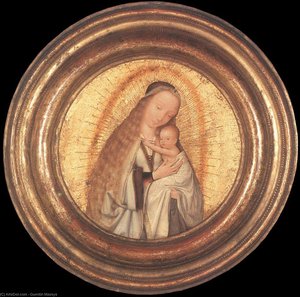
Anteprima in scala reale
 Condividi
 Condividi
 Dettagli
 Guida stampabile

 Scarica
 Articoli simili
 Radiografia
 Slideshow
 Statistiche
St John Altarpiece
 Oil On Canvas
- WallArt
- Northern Renaissance
 1507
1507- Renaissance
 260.0 x 504.0 cm
 Koninklijk Museum voor Schone Kunsten
 Leggi tutto
Giclée / Stampe d'arte
Stampa giclée o su tela di qualità museale, con produzione rapida e diverse opzioni di finitura. ( Ordina la riproduzione dipinta a mano Passa all'immagine digitale)




P118B €10

P118H €10

P118W €10

P438Z €10

P508JH €12

P508YH €12

P805H €10

P805Z €10

P919BZ €10

P919G €10

P919XJ €10

P959ZH €10

P968JZ €12

W106C €8

W218G €10

W218JH €8

W218Y €10

W307PJ €10

W316G €10

W316PJ €8

W316Y €10

W398PJ €8

W4111J €10

W500HY €15

W500JH €15

W692G €12

W849H €8

W940BG €15

W953PJ €8




Scegli tra le nostre dimensioni predefinite, che rispettano le proporzioni originali dell'opera d'arte.

Inserisci la larghezza e l'altezza desiderate, per adattarle alla tua cornice o alla tua parete. Una stampa può essere solo ritagliata, mai resa più grande dell'immagine originale; pertanto, un formato con una forma differente comporterà la perdita di una parte dell'opera. Ti invieremo un mockup digitale da approvare prima di procedere con la stampa. L'immagine mostrata in questa pagina non rappresenta il ritaglio reale — solo il mockup lo mostra.
Consegna in tutto il mondo () in 2 settimane invece delle normali 4/5 settimane. (23 Ottobre)

Spedizione espressa gratuita in tutto il mondo

Tela in lino di alta qualità

Assicurazione completa sulla spedizione

Garanzia di rimborso dei dazi doganali

Garanzia di perfetta fedeltà cromatica

Politica di reso entro 100 giorni (solo per difetti di fabbricazione)

Garanzia di rimborso al 100%

Sconto per acquisti multipli
 L'opzione vetro è disponibile solo per dimensioni inferiori a 110 cm

St John Altarpiece
Giclée / Stampe d'arte
Dimensioni della riproduzione
-


Prezzo totale
€ 70
A Masterpiece of Northern Renaissance Devotion
In the heart of the Flemish tradition lies a work of profound spiritual gravity and technical brilliance: the St John Altarpiece by Quentin Massys. Created in 1507, this monumental oil on canvas stands as a triumphant testament to the Antwerp School's ability to marry the divine with the earthly. Spanning an impressive 260 x 504 cm, the altarpiece is not merely a painting but a window into a sacred narrative, meticulously divided into three panels that guide the viewer through the poignant life and martyrdom of St John the Baptist. As one gazes upon its vast surface, the sheer scale of the work commands attention, inviting both the devout and the art enthusiast to lose themselves in a world where every brushstroke serves a higher purpose.
The composition is a masterclass in Northern Renaissance storytelling, utilizing a triptych format to unfold a complex drama. In the central panel, the atmosphere is heavy with grief; St John lies upon the ground, his head resting against a cold rock, surrounded by figures whose mourning poses and somber expressions evoke a deep sense of loss. To the left, the scene shifts to a more terrestrial setting—a banquet laden with food and drink, where the richness of life contrasts sharply with the sanctity of the central tragedy. On the right, the narrative reaches a moment of tension as St John is presented to King Herod. This structural movement allows Massys to explore different facets of human emotion, from the quietude of death to the opulence of royal courtly life.
The Alchemy of Light and Detail
What truly distinguishes this altarpiece for collectors and decorators alike is Massys’ extraordinary command over light and texture. The artist employs a sophisticated use of chiaroscuro, where deep shadows dance against luminous highlights to create an almost sculptural three-dimensionality. This interplay of light does more than define form; it breathes life into the elaborate costumes of the figures, allowing the viewer to perceive the heavy weight of velvet, the sheen of silk, and the intricate patterns of period attire. Such meticulous attention to detail is a hallmark of the era, ensuring that even the smallest element—a glint of light on a chalice or the furrow of a brow—contributes to the painting's overwhelming realism.
The color palette is equally captivating, featuring vibrant and varied hues that lend a sense of vitality to the scenes. These colors are not merely decorative but are used strategically to direct the eye across the vast canvas, creating a rhythmic flow between the three panels. For those seeking to incorporate such a piece into a curated interior, the altarpiece offers a profound sense of historical depth and luxury. A high-quality reproduction of this work brings with it the prestige of the 16th century, serving as a sophisticated focal point that can anchor a room with its rich textures and dramatic presence.
A Legacy for the Modern Collector
Beyond its technical prowess, the St John Altarpiece resonates on an emotional level that transcends the centuries. It captures the universal human experiences of devotion, mortality, and the intersection of power and faith. For the interior designer, this work offers a unique opportunity to introduce a sense of narrative grandeur and classical elegance into a space. Whether placed in a formal gallery setting or as a commanding piece in a grand living hall, the painting acts as a conversation starter, evoking the scholarly and spiritual atmosphere of the Northern Renaissance.
Owning a reproduction of such a significant work allows for the appreciation of Quentin Massys’ genius without the constraints of museum glass. It provides an opportunity to surround oneself with the enduring beauty of Flemish craftsmanship, bringing the historical weight of the Koninklijk Museum voor Schone Kunsten into the private sphere. In every detail of this altarpiece, from the somber mourning figures to the opulent banquet scenes, lies an invitation to contemplate the sublime artistry that defined an era of unparalleled creative achievement.
Domande e risposte
Posso vedere una vista ai raggi X di "St John Altarpiece" di Quentin Massys?
La vista a raggi X di "St John Altarpiece" di Quentin Massys è disponibile nella pagina Raggi X dell'opera: un esame interattivo dell'immagine attraverso undici strati ottici.
"St John Altarpiece" di Quentin Massys è di pubblico dominio?
Per quanto riguarda il copyright, "St John Altarpiece" è di pubblico dominio - il suo copyright è scaduto.
"St John Altarpiece" di Quentin Massys si trova nel paese d'origine dell'artista?
Sì - l'opera è conservata nel paese d'origine dell'artista. Quentin Massys è nato/a in Belgio, e l'originale "St John Altarpiece" è conservato in un museo in Belgio.
Biografia dell'artista
L'Architetto della Scuola di Anversa
Nel vibrante e florido panorama dei Paesi Bassi del XVI secolo, pochi nomi risuonano con un'importanza fondativa pari a quella di Quentin Massys. Spesso celebrato come il pioniere della Scuola di Anversa, Massys fu un pittore capace di colmare il divario tra la meticolosa e spirituale devozione della tradizione tardogotica fiamminga e l'emergente umanesimo del Rinascimento nordico. Nato intorno al 1466 a Lovanio, in Belgio, la sua giovinezza rimane un intreccio di leggenda e frammenti storici. Si sussurra spesso nei corridoi della storia dell'arte che, prima di impugnare un pennello raffinato, egli avesse appreso l'arte del fabbro—un dettaglio che conferisce un peso profondo e tattile alla sua successiva maestria nella resa delle texture e dei materiali. Questo background nella lavorazione dei metalli ha probabilmente instillato in lui una reverenza unica per il mondo fisico, permettendogli di ritrarre la lucentezza della seta, il freddo luccichio delle monete e la pelle segnata dal tempo dell'umanità con una precisione senza pari.
Nel passaggio dall'atmosfera accademica di Lovanio al frenetico centro commerciale di Anversa intorno al 1490, Massys iniziò a tessere il proprio filo distintivo nel tessuto dell'arte fiamminga. La sua formazione iniziale, avvenuta potenzialmente sotto la guida di Dirk Bouts, lo connesse alla stirpe di maestri come Hans Memling e Rogier van der Weyden. Da questi predecessori, egli ereditò una devozione alla verosimiglianza—la ricerca della verità nella rappresentazione. Eppure, Massys era tutt'altro che un semplice imitatore. Pur mantenendo l'esquisito dettaglio caratteristico dei suoi antenati, infuse la sua opera con una nuova e crescente vitalità e con la volontà di esplorare le complessità della condizione umana attraverso sia la solennità religiosa che l'arguta critica sociale.
Una Maestria tra Devozione e Satira
La genialità di Massys risiede nella sua straordinaria capacità di navigare tra due mondi apparentemente disparati: il sacro e il profano. Da un lato, le sue composizioni religiose fungono da profonde meditazioni sulla fede. In opere come Cristo in croce con i donatori, egli cattura la cruda ed emotiva gravità della crocifissione, utilizzando una sensibilità tipica del Rinascimento maturo per presentare una scena che è allo stesso tempo profondamente commovente e tecnicamente impeccabile. La sua capacità di ritrarre il divino attraverso la lente della sofferenza umana ha permesso ai suoi soggetti religiosi di risuonare con un'intimità viscerale, rendendo lo spirituale tangibile per lo spettatore.
Al contrario, Massys fu un maestro del genere satirico, usando il suo pennello come uno specchio per riflettere i mutevoli costumi sociali della sua epoca. Possedeva un occhio acuto per le debolezze dell'umanità, creando spesso scene che fondevano il realismo con un sottile e beffardo spirito. Questa dualità è forse più evidente nel suo approccio al ritratto e alla pittura di genere, dove poteva passare dalla serena bellezza di una Vergine col Bambino alle rappresentazioni più complesse e moralmente stratificate della vita contemporanea. Il suo lavoro esplorava spesso temi come l'avidità, la vanità e la tensione tra ricchezza materiale e purezza spirituale, rendendolo un precursore dei grandi pittori di genere che lo avrebbero seguito nei secoli a venire.
Eredità e Significato Artistico
L'importanza storica di Quentin Massys non può essere sopravvalutata; egli fu il catalizzatore di una rivoluzione artistica ad Anversa. Introducendo nuovi motivi e tecniche, pur rimanendo ancorato alle ricche tradizioni della sua terra d'origine, fornì il modello per una scuola di pittura che avrebbe dominato le Fiandre per tutto il XVI secolo. La sua influenza può essere tracciata attraverso l'evoluzione dell'arte del Nord Europa, poiché aprì la strada a uno stile più espressivo e osservativo, capace di abbracciare le complessità del mondo in via di modernizzazione.
Oggi ricordiamo Massys non solo come un artigiano, ma come un narratore che ha saputo catturare l'anima di un'epoca. La sua eredità è preservata nella forza duratura delle sue immagini:
- Innovazione Tecnica: L'integrazione perfetta della precisione ispirata alla lavorazione dei metalli con la fluida grazia della pittura a olio rinascimentale.
- La Scuola di Anversa: L'istituzione di un movimento artistico duraturo che privilegiava sia il realismo che la narrazione morale.
- Prospettiva Umanista: Una capacità unica di fondere la profonda sacralità delle icone religiose con l'arguta osservazione della satira sociale.

Quentin Massys
1466 - 1530 , Belgio
Informazioni rapide
- Artistic Movement Or Style: Antwerp School
- Artists Who Influenced This Artist:
- Dirk Bouts
- Hans Memling
- Date Of Birth: Leuven, Belgium (c. 1466)
- Date Of Death: Antwerp (1530)
- Full Name: Quentin Massys
- Nationality: Flemish
- Notable Artworks:
- St Anne Altarpiece
- The Moneylender and His Wife
- Place Of Birth: Leuven
Articoli correlati
Gwen John: Intimità, Modernità e il Potere Silenzioso della Pittura Ritrattistica Gallese
Esplora la vita e l'opera di Gwen John, pittrice gallese rivoluzionaria del modernismo. Analisi approfondita della sua tecnica unica, i suoi ritratti intimi e il rapporto con Rodin. Scopri perché è considerata una figura chiave dell'arte del XX secolo.

El Greco: I 25 Capolavori Immortali dell'Arte Spirituale | OriginalUniqueArt
Esplora i 25 capolavori immortali di El Greco, il maestro del manierismo e della pittura religiosa. Scopri la storia, lo stile unico e le emozioni dietro ogni opera. Stampe e riproduzioni d'arte su OriginalUniqueArt.com per decorare con bellezza.

John Constable: I 25 Capolavori che Celebrano la Bellezza della Campagna Inglese
Esplora i 25 capolavori di John Constable, il maestro del Romanticismo inglese. Paesaggi suggestivi, luce naturale e colori vibranti ti aspettano. Acquista riproduzioni d'arte di alta qualità su OriginalUniqueArt.com e porta la bellezza della campagna inglese nella tua casa.

John Singer Sargent: I 25 Capolavori Immortali per Arredare con Stile
Esplora i 25 capolavori di John Singer Sargent, pittore americano simbolo dell'Impressionismo e del Gilded Age. Ritratti iconici, acquerelli luminosi e storie affascinanti. Trova la tua opera d'arte ideale su OriginalUniqueArt.com!
John Frederick Lewis: Orientalismo, Dettaglio e Pittura di Genere nell'Arte Britannica del XIX Secolo
Esplora l'opera di John Frederick Lewis, maestro dell'Orientalismo vittoriano. Analisi dettagliata del suo stile unico, il realismo pittorico e l'influenza sulla pittura britannica del XIX secolo.