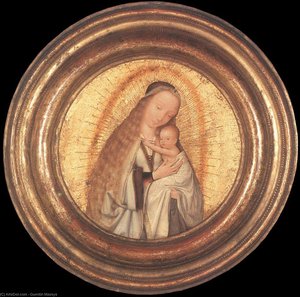
Anteprima in scala reale
 Condividi
 Condividi
 Dettagli
 Guida stampabile

 Scarica
 Articoli simili
 Radiografia
 Slideshow
 Statistiche
St Christopher


 Leggi tutto
Giclée / Stampe d'arte
Stampa giclée o su tela di qualità museale, con produzione rapida e diverse opzioni di finitura. ( Ordina la riproduzione dipinta a mano Passa all'immagine digitale)




P118B €10

P118H €10

P118W €10

P438Z €10

P508JH €12

P508YH €12

P805H €10

P805Z €10

P919BZ €10

P919G €10

P919XJ €10

P959ZH €10

P968JZ €12

W106C €8

W218G €10

W218JH €8

W218Y €10

W307PJ €10

W316G €10

W316PJ €8

W316Y €10

W398PJ €8

W4111J €10

W500HY €15

W500JH €15

W692G €12

W849H €8

W940BG €15

W953PJ €8




Scegli tra le nostre dimensioni predefinite, che rispettano le proporzioni originali dell'opera d'arte.

Inserisci la larghezza e l'altezza desiderate, per adattarle alla tua cornice o alla tua parete. Una stampa può essere solo ritagliata, mai resa più grande dell'immagine originale; pertanto, un formato con una forma differente comporterà la perdita di una parte dell'opera. Ti invieremo un mockup digitale da approvare prima di procedere con la stampa. L'immagine mostrata in questa pagina non rappresenta il ritaglio reale — solo il mockup lo mostra.
Consegna in tutto il mondo () in 2 settimane invece delle normali 4/5 settimane. (23 Ottobre)

Spedizione espressa gratuita in tutto il mondo

Tela in lino di alta qualità

Assicurazione completa sulla spedizione

Garanzia di rimborso dei dazi doganali

Garanzia di perfetta fedeltà cromatica

Politica di reso entro 100 giorni (solo per difetti di fabbricazione)

Garanzia di rimborso al 100%

Sconto per acquisti multipli
 L'opzione vetro è disponibile solo per dimensioni inferiori a 110 cm

St Christopher
Giclée / Stampe d'arte
Dimensioni della riproduzione
-


Prezzo totale
€ 70
The Icon of Pilgrimage and Divine Grace
Quentin Massys’ “St. Christopher,” a painting radiating the quiet intensity of the Northern Renaissance, isn't merely a depiction of a biblical figure; it’s an invitation into a world of profound symbolism and spiritual contemplation. Executed around 1490 in Leuven, Belgium, this work stands as a testament to Massys’ skill in capturing both the physical presence and the ethereal quality of faith. The painting immediately draws the eye with its carefully orchestrated composition – a giant, powerfully rendered St. Christopher, his muscular frame draped in a rich red robe, bears upon his shoulders the infant Jesus, radiating an almost palpable serenity. The scene unfolds against a subtly textured background, dominated by a dark river that serves not as a mere backdrop but as a potent symbol of life’s journey and the challenges faced along its course.
Massys' mastery lies in his ability to imbue this familiar narrative with an arresting realism. The details are meticulously observed: the deep lines etched into Christopher’s face, hinting at age and experience; the delicate folds of his robe, rendered with a painstaking attention to texture; even the subtle expression on the infant Jesus’ face – a quiet acceptance and trust. This commitment to realistic representation is characteristic of the Northern Renaissance, where artists sought to capture the world as it truly appeared, imbued with religious significance.
A Tapestry of Symbolism
Beyond its immediate visual appeal, “St. Christopher” is rich in symbolic meaning. The saint himself represents a powerful allegory: he embodies the willingness to carry the burdens of others – both literally and metaphorically. His role as a ferryman across the river becomes an extended metaphor for life’s trials and tribulations, with Christ representing divine grace offering solace and guidance. The infant Jesus, cradled securely on Christopher's shoulders, symbolizes innocence, divinity, and the promise of salvation. The dark waters of the river are not simply a geographical feature; they represent the uncertainties and dangers that lie ahead, while the distant cliffs suggest the potential for spiritual ascent.
The color palette further enhances the painting’s symbolic weight. The vibrant red of Christopher's robe signifies sacrifice and passion, while the blue garment of the infant Jesus evokes purity and heavenly light. The limited use of color – primarily reds, blues, and browns – creates a sense of solemnity and focus, directing the viewer’s attention to the central figures and their profound interaction.
The Legacy of Quentin Massys
Quentin Massys (c. 1466-1530) was a pivotal figure in the development of the Antwerp School, a movement that revitalized Northern European painting during the High Renaissance. His work often blended realistic depictions with allegorical and moralistic themes, reflecting the intellectual currents of his time. He was known for his satirical scenes, portraits, and religious works, demonstrating a remarkable versatility as an artist. Massys’ influence extended beyond his own creations; he mentored several prominent artists, including Jan van der Veluwe and Joachim Patinir, shaping the artistic landscape of Antwerp for generations to come.
The “St. Christopher” exemplifies Massys' ability to seamlessly integrate religious iconography with humanistic observation. It’s a painting that invites contemplation on themes of faith, sacrifice, and the enduring power of compassion – qualities that continue to resonate deeply with viewers today. Reproductions of this masterpiece offer a tangible connection to a remarkable artistic legacy.
Domande e risposte
Per quale uso è consigliata una riproduzione di "St Christopher" di Quentin Massys?
L'uso consigliato per una stampa di "St Christopher" è Statement.
Dove posso trovare una guida per "St Christopher"?
La guida a "St Christopher" è la pagina Schede didattiche dell'opera d'arte: una scheda informativa stampabile che presenta l'opera con la sua didascalia, i crediti e la tabella identificativa (artista, date, tecnica, dimensioni originali, collezione).
"St Christopher" di Quentin Massys è un'opera d'arte molto conosciuta?
Il livello di popolarità registrato per "St Christopher" di Quentin Massys è Recognized.
Biografia dell'artista
L'Architetto della Scuola di Anversa
Nel vibrante e florido panorama dei Paesi Bassi del XVI secolo, pochi nomi risuonano con un'importanza fondativa pari a quella di Quentin Massys. Spesso celebrato come il pioniere della Scuola di Anversa, Massys fu un pittore capace di colmare il divario tra la meticolosa e spirituale devozione della tradizione tardogotica fiamminga e l'emergente umanesimo del Rinascimento nordico. Nato intorno al 1466 a Lovanio, in Belgio, la sua giovinezza rimane un intreccio di leggenda e frammenti storici. Si sussurra spesso nei corridoi della storia dell'arte che, prima di impugnare un pennello raffinato, egli avesse appreso l'arte del fabbro—un dettaglio che conferisce un peso profondo e tattile alla sua successiva maestria nella resa delle texture e dei materiali. Questo background nella lavorazione dei metalli ha probabilmente instillato in lui una reverenza unica per il mondo fisico, permettendogli di ritrarre la lucentezza della seta, il freddo luccichio delle monete e la pelle segnata dal tempo dell'umanità con una precisione senza pari.
Nel passaggio dall'atmosfera accademica di Lovanio al frenetico centro commerciale di Anversa intorno al 1490, Massys iniziò a tessere il proprio filo distintivo nel tessuto dell'arte fiamminga. La sua formazione iniziale, avvenuta potenzialmente sotto la guida di Dirk Bouts, lo connesse alla stirpe di maestri come Hans Memling e Rogier van der Weyden. Da questi predecessori, egli ereditò una devozione alla verosimiglianza—la ricerca della verità nella rappresentazione. Eppure, Massys era tutt'altro che un semplice imitatore. Pur mantenendo l'esquisito dettaglio caratteristico dei suoi antenati, infuse la sua opera con una nuova e crescente vitalità e con la volontà di esplorare le complessità della condizione umana attraverso sia la solennità religiosa che l'arguta critica sociale.
Una Maestria tra Devozione e Satira
La genialità di Massys risiede nella sua straordinaria capacità di navigare tra due mondi apparentemente disparati: il sacro e il profano. Da un lato, le sue composizioni religiose fungono da profonde meditazioni sulla fede. In opere come Cristo in croce con i donatori, egli cattura la cruda ed emotiva gravità della crocifissione, utilizzando una sensibilità tipica del Rinascimento maturo per presentare una scena che è allo stesso tempo profondamente commovente e tecnicamente impeccabile. La sua capacità di ritrarre il divino attraverso la lente della sofferenza umana ha permesso ai suoi soggetti religiosi di risuonare con un'intimità viscerale, rendendo lo spirituale tangibile per lo spettatore.
Al contrario, Massys fu un maestro del genere satirico, usando il suo pennello come uno specchio per riflettere i mutevoli costumi sociali della sua epoca. Possedeva un occhio acuto per le debolezze dell'umanità, creando spesso scene che fondevano il realismo con un sottile e beffardo spirito. Questa dualità è forse più evidente nel suo approccio al ritratto e alla pittura di genere, dove poteva passare dalla serena bellezza di una Vergine col Bambino alle rappresentazioni più complesse e moralmente stratificate della vita contemporanea. Il suo lavoro esplorava spesso temi come l'avidità, la vanità e la tensione tra ricchezza materiale e purezza spirituale, rendendolo un precursore dei grandi pittori di genere che lo avrebbero seguito nei secoli a venire.
Eredità e Significato Artistico
L'importanza storica di Quentin Massys non può essere sopravvalutata; egli fu il catalizzatore di una rivoluzione artistica ad Anversa. Introducendo nuovi motivi e tecniche, pur rimanendo ancorato alle ricche tradizioni della sua terra d'origine, fornì il modello per una scuola di pittura che avrebbe dominato le Fiandre per tutto il XVI secolo. La sua influenza può essere tracciata attraverso l'evoluzione dell'arte del Nord Europa, poiché aprì la strada a uno stile più espressivo e osservativo, capace di abbracciare le complessità del mondo in via di modernizzazione.
Oggi ricordiamo Massys non solo come un artigiano, ma come un narratore che ha saputo catturare l'anima di un'epoca. La sua eredità è preservata nella forza duratura delle sue immagini:
- Innovazione Tecnica: L'integrazione perfetta della precisione ispirata alla lavorazione dei metalli con la fluida grazia della pittura a olio rinascimentale.
- La Scuola di Anversa: L'istituzione di un movimento artistico duraturo che privilegiava sia il realismo che la narrazione morale.
- Prospettiva Umanista: Una capacità unica di fondere la profonda sacralità delle icone religiose con l'arguta osservazione della satira sociale.

Quentin Massys
1466 - 1530 , Belgio
Informazioni rapide
- Artistic Movement Or Style: Antwerp School
- Artists Who Influenced This Artist:
- Dirk Bouts
- Hans Memling
- Date Of Birth: Leuven, Belgium (c. 1466)
- Date Of Death: Antwerp (1530)
- Full Name: Quentin Massys
- Nationality: Flemish
- Notable Artworks:
- St Anne Altarpiece
- The Moneylender and His Wife
- Place Of Birth: Leuven
Articoli correlati

The Northern Renaissance: A Flourishing of Realism, Religious Reform & Artistic Innovation
Explore the Northern Renaissance! Discover Jan van Eyck's innovations, religious shifts, & key artists of this influential period. Expert analysis and insights into Early Netherlandish painting at OriginalUniqueArt.

The Enduring Legacy of Oil on Canvas: Technique, History & Aesthetic Impact
Explore the rich history & techniques of oil painting – from Renaissance masters to Impressionism. Discover pigments, layering methods, and why this timeless medium endures. Expert insights for artists & art enthusiasts.

Oil on Canvas: A Historical & Technical Exploration of a Timeless Artistic Medium
Explore the rich history & enduring techniques of oil painting on canvas. Discover the science behind its longevity, conservation practices, and contemporary relevance. Expert insights for art enthusiasts.

The Enduring Power of Painting: A Historical & Contemporary Exploration of Form and Emotion
Explore the rich history & enduring techniques of oil painting with OriginalUniqueArt. Discover masterpieces, learn about art collecting, and find authentic handmade reproductions crafted by skilled artists.
The Northern Renaissance: A Masterclass in Hyper-Realism, Oil Innovation, and Symbolic Depth
Explore the profound mastery of Northern Renaissance art. Discover the technical brilliance of Flemish oil painting, the intricate symbolism of Bosch and Bruegel, and the revolutionary realism that redefined European art history through an expert historical lens.