Anteprima in scala reale
 Invia
Invia Condividi
 Dettagli opera
 Guida
Guida

 Scarica
 Simili
 Radiografia
 Slideshow
 Statistiche
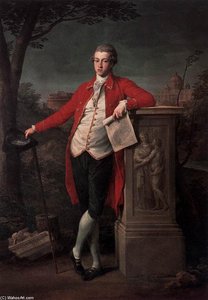
Sir Charles Watson
 Oil On Canvas
- WallArt
- Neoclassicism
 75.0 x 99.0 cm
 Fondazione Cariplo
 Espandi i dettagli
Giclée / Stampe d'arte
Stampa giclée o su tela di qualità museale, con produzione rapida e diverse opzioni di finitura. ( Acquista il dipinto realizzato a mano Passa all'immagine digitale)




P118B €10

P118H €10

P118W €10

P438Z €10

P508JH €12

P508YH €12

P805H €10

P805Z €10

P919BZ €10

P919G €10

P919XJ €10

P959ZH €10

P968JZ €12

W106C €8

W218G €10

W218JH €8

W218Y €10

W307PJ €10

W316G €10

W316PJ €8

W316Y €10

W398PJ €8

W4111J €10

W500HY €15

W500JH €15

W692G €12

W849H €8

W940BG €15

W953PJ €8




Scegli tra le nostre dimensioni predefinite, che rispettano le proporzioni originali dell'opera d'arte.

Inserisci la larghezza e l'altezza desiderate, per adattarle alla tua cornice o alla tua parete. Una stampa può essere solo ritagliata, mai resa più grande dell'immagine originale; pertanto, un formato con una forma differente comporterà la perdita di una parte dell'opera. Ti invieremo un mockup digitale da approvare prima di procedere con la stampa. L'immagine mostrata in questa pagina non rappresenta il ritaglio reale — solo il mockup lo mostra.
Consegna in tutto il mondo () in 2 settimane invece delle normali 4/5 settimane. (25 Ottobre)

Spedizione espressa gratuita in tutto il mondo

Tela in lino di alta qualità

Assicurazione completa sulla spedizione

Garanzia di rimborso dei dazi doganali

Garanzia di fedeltà cromatica assoluta

Politica di reso entro 100 giorni (solo per difetti di fabbricazione)

Garanzia di rimborso al 100%

Offerta per acquisti multipli
 L'opzione vetro è disponibile solo per dimensioni inferiori a 110 cm

Sir Charles Watson
Giclée / Stampe d'arte
Dimensioni riproduzione
-


Prezzo finale calcolato
€ 70
A Glimpse into Aristocratic Grandeur: Pompeo Batoni's Portrait of Sir Charles Watson
To stand before this portrait is to step directly into the gilded salons of eighteenth-century Rome, a place where culture, ambition, and artistry converged. Pompeo Batoni, master chronicler of the privileged elite, has captured not merely a likeness, but an entire moment in aristocratic life. The subject, Sir Charles Watson, gazes out with a composed intensity that speaks volumes of his station and the era's expectations for gentlemen of means. His bearing is one of assured refinement; the crisp lines of his ruffled collar contrast beautifully with the deep tones of his brown coat, anchoring the composition against the stark, dramatic backdrop.
The Allure of Fashion and Historical Echoes
What immediately draws the eye, beyond the sitter's steady gaze, is the costume itself. Batoni has dressed Sir Charles in what is described as the Van Dyck dress—a fashion choice that transports us back to the opulent courts of the early seventeenth century. The golden mantle and buttons evoke the grandeur associated with Antoon Van Dyck’s time at the court of Charles I, a style that held immense sway among the British aristocracy during this period. This deliberate nod to historical costume suggests more than mere vanity; it is a sophisticated cultural citation, a visual language understood only by those who navigated the intellectual currents of the Grand Tour. The feather held delicately in his hand serves as both an accessory and a subtle emblem of status.
Mastery of Technique and Atmosphere
Technically, this oil on canvas exemplifies Batoni's genius for portraiture. His ability to render texture—the soft sweep of the white beard against the dark fabric, the sheen of the gold trim—is breathtaking. The contrast between the richly detailed foreground and the almost monolithic black background is a masterful stroke. This simplicity forces the viewer’s entire attention onto the sitter's face and gesture. Batoni, whose style drew from Bolognese Classicism and Raphael, achieves here a balance: the formality of classical portraiture infused with the vibrant immediacy of contemporary life. It is art that feels both timelessly grand and intimately personal.
A Statement for the Modern Collector
For the discerning collector or designer seeking to infuse a space with historical depth and undeniable elegance, this piece offers profound resonance. Reproducing such an artwork allows one to own a tangible piece of cultural history. It speaks to themes of lineage, worldly success, and enduring style. Imagine this portrait gracing a library or drawing-room; it does not merely decorate—it narrates the story of those who shaped the world from within its most cultured circles. It is an object that commands conversation, whispering tales of Oxford graduations, naval supremacy, and the dazzling allure of Italian artistic patronage.
Domande e risposte
Come posso visualizzare "Sir Charles Watson" di Pompeo Batoni in modalità presentazione?
Puoi visualizzare "Sir Charles Watson" di Pompeo Batoni in formato slideshow nella pagina Slideshow dell'opera.
Da dove provengono i visitatori di "Sir Charles Watson" di Pompeo Batoni?
La pagina Statistiche di "Sir Charles Watson" di Pompeo Batoni presenta le statistiche delle visite pubbliche: il numero di visite mensili di quest'opera, un confronto con le opere dell'artista più visualizzate e la provenienza dei visitatori.
Quali colori dominano "Sir Charles Watson" di Pompeo Batoni?
"Sir Charles Watson" di Pompeo Batoni utilizza una tavolozza Earthy, con Black (#151512) come colore dominante.
Biografia dell'artista
Primi Anni e Formazione
- Nato: Lucca, Italia (1708)
- Morto: 1787
- Pompeo Batoni si trasferì a Roma nel 1727.
- Trovò formazione presso le botteghe di Agostino Masucci, Sebastiano Conca e/o Francesco Imperiali.
- La sua prima commissione indipendente arrivò in seguito alle piogge che colpirono Roma nell'aprile del 1732.
- Il dipinto "L'Estasi di Santa Caterina da Siena" illustra il suo raffinamento accademico dello stile tardo-barocco.
Stile Artistico e Influenze
- Lo stile di Batoni trasse ispirazione dall'antichità classica, dal Rococò francese, dal Classicismo bolognese e da artisti come Nicolas Poussin, Claude Lorrain e soprattutto Raffaello.
- È considerato un precursore del Neoclassicismo.
- Le sue opere si possono trovare in vari musei, tra cui la Pinacoteca di Brera a Milano, Italia.
Opere Notabili e Commissioni
- Vergine con Bambino e Santi
- Un Cavaliere a Roma: Charles Cecil Roberts – Un celebre ritratto di un viaggiatore britannico ambientato tra le rovine romane.
- Il Trionfo di Venezia
- Numerosi pali d'altare per chiese in Italia, come il Museo Duomo a Siena.
- Era molto richiesto per i ritratti, particolarmente dai viaggiatori britannici del Grand Tour che commissionavano ritratti in piedi all’interno di ambientazioni antiche.
Sviluppo e Significato Storico
- Batoni divenne un pittore molto alla moda a Roma dopo la partenza del suo rivale, Anton Raphael Mengs, per la Spagna nel 1761.
- Si legò all'amico Winckelmann e mirava a frenare il classicismo nella sua pittura.
- I suoi ritratti catturarono lo spirito dell’era del Grand Tour, riflettendo la fascinazione per l’antichità classica tra le élite europee.
- La capacità di Batoni di fondere tecniche barocche con ideali neoclassici emergenti lo posizionò come una figura di transizione nella storia dell'arte italiana.
Eredità
- Pompeo Batoni morì il 4 febbraio 1787 a Roma.
- Lasciò dietro di sé un’eredità come uno dei pittori italiani più rinomati del suo tempo.
- La sua opera continua ad essere ammirata per la sua abilità tecnica, le composizioni eleganti e gli ritratti perspicaci degli individui nel loro contesto storico.

Pompeo Batoni
1708 - 1787 , Italia
Dettagli rapidi
- Artisti Influenti:
- Nicolas Poussin
- Claude Lorrain
- Raphael
- Data Di Nascita: 25 gennaio 1708
- Luogo Di Nascita: Lucca, Italia
- Movimento Artistico: Neoclassicismo
- Nazionalità: Italiana
- Nome Completo: Pompeo Girolamo Batoni
- Opere Notevoli:
- Vergine e Bambino
- Il trionfo di Venezia
Articoli correlati

L'Eredità Duratura della Pittura a Olio: Tecnica, Storia e Pratica Contemporanea
Esplora la storia affascinante e le tecniche della pittura a olio. Scopri come i maestri hanno creato capolavori senza tempo e come questa arte vive oggi. : riproduzioni di alta qualità e consulenza esperta.

The Enduring Legacy of Oil on Canvas: Technique, History & Aesthetic Impact
Explore the rich history & techniques of oil painting – from Renaissance masters to Impressionism. Discover pigments, layering methods, and why this timeless medium endures. Expert insights for artists & art enthusiasts.

Oil on Canvas: A Historical & Technical Exploration of a Timeless Artistic Medium
Explore the rich history & enduring techniques of oil painting on canvas. Discover the science behind its longevity, conservation practices, and contemporary relevance. Expert insights for art enthusiasts.

The Soul of Impressionism: Why Oil on Canvas Captures Eternal Light and Timeless Emotion
Discover the enchanting alchemy of Impressionism. Explore how the mastery of oil on canvas, through glazing and impasto, captures eternal light and emotion. Perfect for lovers of Monet and Van Gogh seeking the profound depth of hand-painted fine art.
I 10 Capolavori a Olio su Tela che Hanno Rivoluzionato la Storia dell'Arte
Scopri i 10 capolavori a olio che hanno segnato la storia dell'arte! Da Leonardo a Van Gogh, esplora le storie e le tecniche dei più grandi maestri. Trova stampe su tela di alta qualità e idee per decorare casa con .