

 Anteprima in scala reale
 Condividi
 Condividi
 Dettagli
 Guida stampabile

 Scarica
 Articoli simili
 Radiografia
 Slideshow
 Statistiche
Galatea (?)
 1509
1509 63.0 x 100.0 cm
 Leggi tutto
Giclée / Stampe d'arte
Stampa giclée o su tela di qualità museale, con produzione rapida e diverse opzioni di finitura. ( Ordina la riproduzione dipinta a mano Passa all'immagine digitale)




































Scegli tra le nostre dimensioni predefinite, che rispettano le proporzioni originali dell'opera d'arte.

Inserisci la larghezza e l'altezza desiderate, per adattarle alla tua cornice o alla tua parete. Una stampa può essere solo ritagliata, mai resa più grande dell'immagine originale; pertanto, un formato con una forma differente comporterà la perdita di una parte dell'opera. Ti invieremo un mockup digitale da approvare prima di procedere con la stampa. L'immagine mostrata in questa pagina non rappresenta il ritaglio reale — solo il mockup lo mostra.
Consegna in tutto il mondo () in 2 settimane invece delle normali 4/5 settimane. (23 Ottobre)

Spedizione espressa gratuita in tutto il mondo

Tela in lino di alta qualità

Assicurazione completa sulla spedizione

Garanzia di rimborso dei dazi doganali

Garanzia di perfetta fedeltà cromatica

Politica di reso entro 100 giorni (solo per difetti di fabbricazione)

Garanzia di rimborso al 100%

Sconto per acquisti multipli
 L'opzione vetro è disponibile solo per dimensioni inferiori a 110 cm

Galatea (?)
Giclée / Stampe d'arte
Dimensioni della riproduzione
-


Prezzo totale
€ 70
Domande e risposte
Posso esaminare "Galatea (?)" più nel dettaglio?
La vista a raggi X di "Galatea (?)" di Pinturicchio è disponibile nella pagina Raggi X dell'opera: un esame interattivo dell'immagine attraverso undici strati ottici.
Dove posso acquistare una stampa di "Galatea (?)" di Pinturicchio?
"Galatea (?)" è disponibile come una stampa fine art su tela di cotone o carta canvas d'archivio. Gli ordini possono essere effettuati nella pagina Stampa Fine Art, nella dimensione che preferisci.
Come posso scoprire opere d'arte simili a "Galatea (?)" di Pinturicchio?
Le opere simili a "Galatea (?)" di Pinturicchio sono raccolte nella pagina Opere simili dell'opera.
Biografia dell'artista
L'Enigmatica Grazia di Pinturicchio: Un Maestro del Rinascimento
Bernardino di Betto, conosciuto al mondo come Pinturicchio – un soprannome concesso affettuosamente per la sua statura minuta – emerse dal cuore artistico di Perugia nel 1454. La sua vita si svolse durante un periodo di immenso fermento culturale, con il Rinascimento maturo che fioriva in tutta Italia; eppure, Pinturicello tracciò un percorso unico, capace di fondere l'eleganza persistente delle tradizioni gotiche con le nascenti innovazioni dell'epoca. Mentre giganti come Leonardo da Vinci e Michelangelo aspiravano alla perfezione anatomica e al realismo drammatico, Pinturicchio coltivò uno stile caratterizzato da una grazia raffinata, dettagli intricati e una vibrante sensibilità decorativa. Il suo viaggio non fu fatto di rivoluzioni sconvolgenti, ma piuttosto di un esquisito affinamento, a testimonianza della sua abilità nel trasformare forme consolidate in qualcosa di unicamente affascinante.Dalle Botteghe Umbre alle Commissioni Papali
La formazione giovanile di Pinturicchio rimane in parte avvolta nel mistero, sebbene si creda che abbia perfezionato le sue doti sotto la guida di maestri perugini meno noti come Bonfigli e Fiorenzo di Lorenzo. Un momento cruciale arrivò quando entrò nell'orbita di Pietro Perugino, figura di spicco della scuola umbra. Secondo Giorgio Vasari, Pinturicchio servì come assistente di Perugino, una collaborazione che senza dubbio plasmò il suo sviluppo artistico. Questo legame si rivelò fondamentale per assicurarsi una commissione per la Cappella Sistina a Roma all'inizio del XVI secolo. Lavorando al fianco di alcuni degli artisti più celebri del tempo – tra cui Botticelli, Ghirlandaio e Signorelli – Pinturicchio contribuì a questo progetto monumentale, sebbene purtrotrettamente i suoi affreschi siano stati successivamente distrutti per fare spazio al Giudizio Universale di Michelangelo. Questa esperienza, tuttavia, funse da trampolino decisivo, esponendolo a nuove influenze e consolidando la sua reputazione.Un Periodo Prolifico: Roma e gli Appartamenti Borgia
Gli anni tra il 1484 e il 1492 segnarono un periodo di intensa produttività per Pinturicchio, concentrato principalmente a Roma. Ricevette commissioni da illustri famiglie come i Della Rovere, adornando cappelle all'interno della chiesa di Santa Maria del Popolo con il suo stile distintivo. Queste opere mostrarono la sua maestria nella tecnica dell'affresco, caratterizzata da figure delicate, sfondi riccamente ornamentati e una predilezione per intricati motivi decorativi. Tuttavia, fu il suo lavoro per Papa Alessandro VI – Rodrigo Borgia – a cementare definitivamente il suo posto nella storia dell'arte. Incaricato di decorare gli Appartamenti Borgia all'interno del Palazzo Vaticano tra il 1492 e il 1494, Pinturicchio creò un insieme di stanze lavishamente adornate con affreschi che raffiguravano scene mitologiche, ritratti e rappresentazioni allegoriche. Questi appartamenti, sebbene controversi per la loro associazione con l'infame famiglia Borgia, si pongono come un esempio straordinario di arte decorativa rinascimentale, rivelando la capacità di Pinturicchio di fondere motivi classici con la propria unica sensibilità estetica. L'uso della foglia d'oro, dei colori vibranti e delle tecniche illusionistiche creò un'atmosfera di opulento splendore, riflettendo il potere e l'ambizione della corte papale.Eredità e Influenza Duratura
L'eredità artistica di Pinturicchio è fatta di raffinata eleganza e meticolosa maestria artigianale. Sebbene possa non aver posseduto lo stesso livello di fama di alcuni suoi contemporanei, la sua influenza sulle generazioni successive di artisti è innegabile. Il suo stile unico – un'armoniosa fusione tra grazia gotica e innovazione rinascimentale – risuonò in coloro che apprezzavano la sottigliezza e il dettaglio. Egli dimostrò un'eccezionale capacità di creare composizioni visivamente sbalorditive, allo stesso tempo esteticamente piacevoli e intellettualmente stimolanti. La sua opera nella Libreria Piccolomini a Siena, completata poco prima della sua morte nel 1513, resta una testimonianza del suo talento duraturo. Gli affreschi che raffigurano scene della vita di Papa Pio II mostrano una chiarezza di forma e colore che preannuncia lo stile del Rinascimento maturo. L'arte di Pinturicchio continua a incantare gli spettatori odierni, offrendo uno sguardo su un mondo di bellezza, raffinatezza e maestria artistica – un mondo in cui il tocco delicato di un "piccolo pittore" ha lasciato un segno indelebile nel panorama dell'arte del Rinascimento italiano.- Opere Note: Affreschi nella Cappella Sistina (distrutti), Appartamenti Borgia in Vaticano, Libreria Piccolomini a Siena.
- Influenze: Perugino, Scuola di Pittura Umbra, tradizioni gotiche.
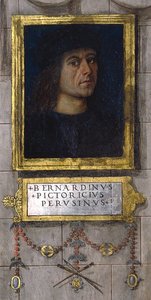
Pinturicchio
1454 - 1513 , Italia
Informazioni rapide
- Artistic Movement Or Style: Umbrian Renaissance
- Artists Who Influenced This Artist:
- Perugino
- Bonfigli
- Fiorenzo di Lorenzo
- Date Of Birth: 1454 Perugia
- Date Of Death: 1513 Siena
- Full Name: Bernardino di Betto
- Nationality: Italian
- Notable Artworks:
- Sistine Chapel frescoes
- Borgia Apartments decor.
- Saint Augustine
- Place Of Birth: Perugia Italia

