- Home

- Immagine digitale
- Pietro Cavallini
- Interior view
 Acquista stampa Ordina la riproduzione
 Invia
Invia
 Condividi
 Dettagli opera
 Aggiungi ai preferiti

 Scarica
 Simili
 Radiografia
 Slideshow
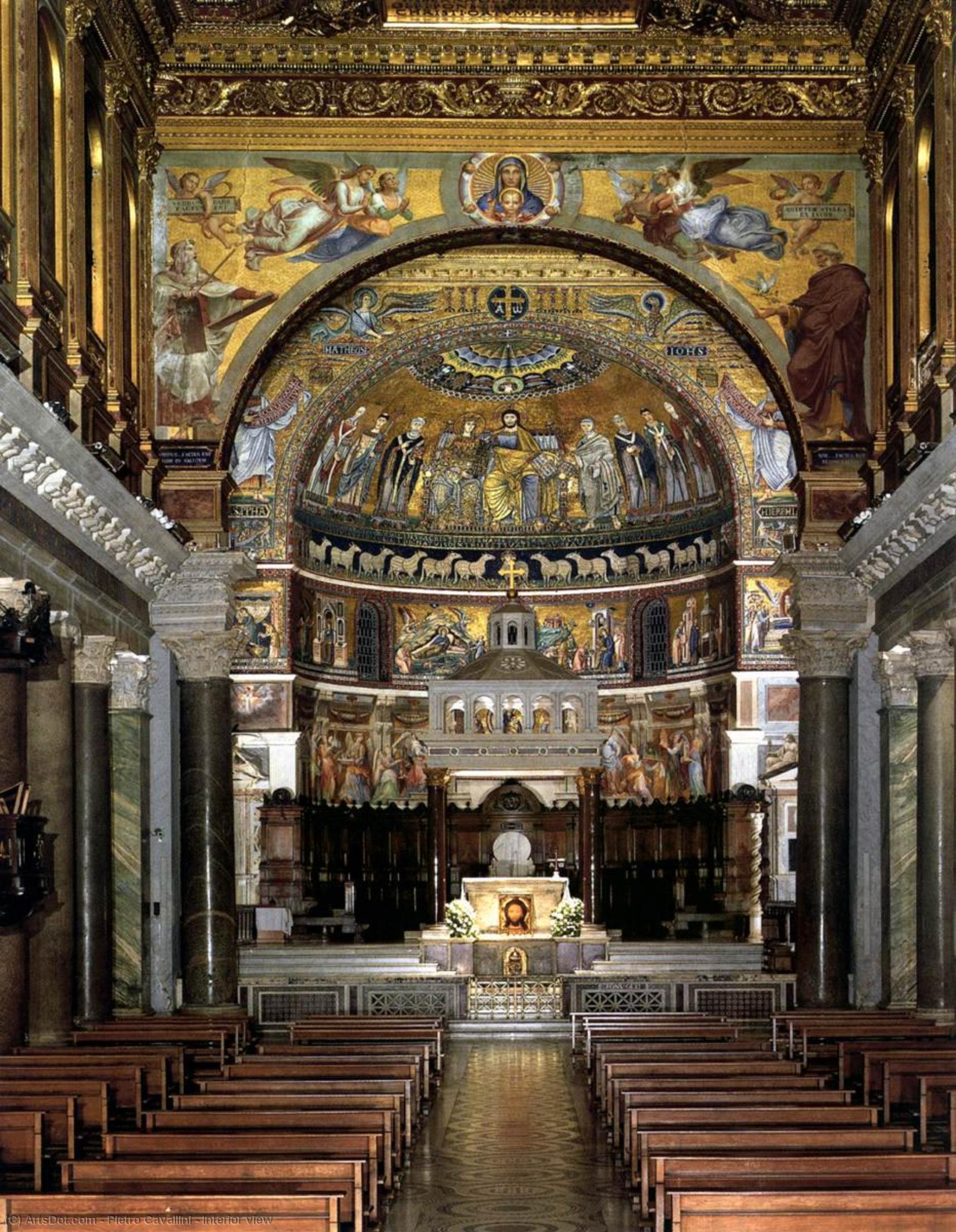
Interior view


 Scopri di più
Acquista un'immagine digitale ad alta risoluzione e ottimizzata, di qualità nettamente superiore all'anteprima online.
Ogni file è meticolosamente preparato dai nostri specialisti interni attraverso l'uso di strumenti avanzati e un sapiente ritocco manuale. Garantiamo che ogni immagine presenti una chiarezza eccezionale, una precisione cromatica impeccabile e dettagli raffinati.
Il file finale viene consegnato via e-mail entro 72 ore, ottimizzato per un uso immediato in contesti professionali, editoriali e di stampa. Si tratta della stessa qualità affidata dai più prestigiosi studi di design, editori e gallerie d'arte.
Immagine Digitale
Scarica un file ad alta risoluzione per uso personale, per la stampa e per progetti creativi.
Incluso in ogni ordine di immagini digitali
Consegna digitale professionale e garantita
Quando scegli OriginalUniqueArt.com, non riceverai solo un'immagine: riceverai un'opera d'arte digitale professionalmente ottimizzata, realizzata con la massima precisione e accompagnata da una garanzia di soddisfazione. Ecco tutto ciò che include il tuo ordine, automaticamente:

Consegna rapida via email
Riceverai il file dell'immagine digitale ad alta risoluzione via email entro 72 ore dall'ordine, pronto per un uso immediato.

File digitale ottimizzato dall'IA
La tua opera d'arte viene ottimizzata professionalmente attraverso l'uso di strumenti avanzati di intelligenza artificiale e una revisione manuale, garantendo il massimo livello di dettaglio, nitidezza e accuratezza cromatica.

Riconsegna gratuita a vita
Hai eliminato o perso accidentalmente il tuo file? Non preoccuparti: te lo invieremo di nuovo in qualsiasi momento, gratuitamente.

Nessun costo di importazione - Sempre
Goditi la tua opera d'arte istantaneamente senza costi doganali, dazi o spese di spedizione: i download digitali sono sempre esenti da tasse.

Garanzia di fedeltà cromatica
Garantiamo che la tua immagine digitale rifletta i colori originali con la massima fedeltà, grazie all'uso di strumenti professionali e a una gestione accurata del colore.

Garanzia di soddisfazione di 60 giorni
Se non sei soddisfatto della tua immagine digitale, la revisioneremo o ti rimborseremo il 100% entro 60 giorni, senza domande.

Garanzia di rimborso al 100%
Non sei soddisfatto? Ricevi un rimborso completo entro 60 giorni dalla ricezione del tuo file digitale, senza dover fornire spiegazioni.

Sconti per ordini multipli
Acquista 3 immagini, risparmia il 10% - Acquista 5, risparmia il 15% - Acquista 10+, risparmia il 20%. Ideale per progetti creativi, gallerie e agenzie.
Descrizione del Collezionabile
A Vision of Divine Grandeur
Stepping into the Interior View is akin to entering a celestial realm where the boundaries between the earthly and the divine begin to dissolve. This breathtaking depiction of a sacred space, dating back to 1296, captures the profound majesty of Roman ecclesiastical architecture at its zenith. The composition draws the eye through a rhythmic procession of ornate columns and sweeping arches, leading the viewer toward the heart of the sanctuary: the altar. Every element, from the polished stone floors that catch the soft, diffused light to the heavy wooden pews arranged in traditional reverence, serves to direct our spiritual focus inward. It is not merely a depiction of a building, but an invitation to experience the stillness and sanctity of a space designed for eternal contemplation.
The artistry within this view is defined by the masterful use of light and texture, characteristic of the transition toward Roman Naturalism. The ceiling, a vaulted expanse of rich gold, glows with an ethereal warmth, its intricate patterns suggesting a heavenly canopy that protects the faithful below. This opulence is balanced by the meticulous detail found in the mosaics that adorn the walls. These vibrant tesserae depict saints and biblical narratives with a level of craftsmanship that speaks to the immense devotion of the era. The interplay between the shimmering gold surfaces and the soft, natural illumination creates a serene atmosphere, making the space feel both physically vast and intimately peaceful.
The Legacy of Pietro Cavallini
To understand the soul of this interior, one must look to the hand of Pietro Cavallini, a pioneer who dared to breathe life into the rigid conventions of Byzantine art. As a master of the Roman school, Cavallini introduced an unprecedented anatomical accuracy and emotional depth to his works. In this architectural vista, we see the fruits of his revolutionary approach—a move away from flat, stylized icons toward a more three-dimensional, tactile reality. The way the light interacts with the surfaces in this scene reflects Cavallini’s profound ability to capture volume and weight, transforming stone and pigment into a living, breathing environment.
For the discerning collector or interior designer, a reproduction of this masterpiece offers more than just decoration; it provides a focal point of historical significance and spiritual depth. Integrating such a piece into a contemporary setting brings an element of timelessness and classical elegance. The rich palette of golds, deep wood tones, and mosaic hues can anchor a room, providing a sense of permanence and grandeur. Whether placed in a quiet study or a grand hall, this artwork serves as a window into the late 13th century, reminding us of a time when art was the ultimate bridge between the human experience and the infinite.
Biografia dell'artista
Pietro Cavallini: The Pioneer of Roman Naturalism
Pietro Cavallini stands as a pivotal figure in the transition from Byzantine artistic conventions to the burgeoning naturalism that would characterize Early Renaissance Italy. Born around 1240 in Rome, his life remains shrouded in relative obscurity—records indicate he signed pictor romanus, suggesting a connection to St. Paul Outside the Walls basilica, where he began his illustrious career. This initial commission marked an audacious departure from the stylized depictions prevalent throughout Europe at the time, establishing Cavallini as one of the earliest champions of what would become known as Roman Naturalism.Early Commissions and Artistic Breakthroughs
Cavallini’s fame ascended swiftly thanks to his monumental frescoes adorning St. Paul Outside the Walls between 1277 and 1285. These ambitious projects tackled biblical narratives with unprecedented realism, portraying figures with anatomical accuracy and capturing expressions of emotion that resonated deeply with viewers. The destruction of these frescoes by a devastating fire in 1823 tragically erased much of Cavallini’s original vision, yet surviving fragments continue to inspire awe and admiration for their pioneering spirit. This undertaking cemented his reputation as an innovator who dared to challenge established artistic dogma. Scholars recognize that Cavallini's work foreshadowed Giotto’s groundbreaking innovations at Padua’s Arena Chapel, marking him as a crucial link between Byzantine tradition and the nascent Renaissance aesthetic—a testament to his visionary approach.The Last Judgment at Santa Cecilia
Perhaps Cavallini's most enduring legacy resides in “The Last Judgement” fresco executed circa 1293 within the church of Santa Cecilia in Trastevere, Rome. Considered his magnum opus, this masterpiece exemplifies Roman Naturalism’s profound impact on artistic sensibilities. Unlike the flattened perspectives and ornate ornamentation characteristic of Gothic art—particularly prevalent in Siena—Cavallini's depiction embraced volumetric forms and nuanced shading, mirroring observations from the natural world. This stylistic choice profoundly influenced artists across Italy, sparking a movement that would reshape artistic expression. The fresco’s dramatic composition and masterful use of light and shadow captivated audiences and established Cavallini as a master of conveying psychological depth—a hallmark of Renaissance art.Influence on Florentine Art
The influence of Roman Naturalism extended beyond Rome, reaching Florence where it fostered an interest in realistic portrayals of human figures and landscapes—a stark contrast to the dominant Gothic style. Artists like Giotto embraced Cavallini’s techniques, prioritizing anatomical precision and emotional resonance over purely decorative considerations. This stylistic convergence contributed significantly to the development of International Gothic, a hybrid aesthetic blending Byzantine grandeur with Northern European sensibilities. Cavallini's legacy continues to inspire artists today who strive for authenticity and expressive power in their creations.A Legacy Enduring Through Time
Cavallini’s contribution to art history is undeniable—he ushered in an era of artistic experimentation that fundamentally altered the course of Italian Renaissance painting. His unwavering commitment to naturalistic representation solidified Roman Naturalism as one of the foundational principles of Early Renaissance art, leaving an indelible mark on subsequent generations of artists and shaping the visual culture of his time. His work continues to inspire scholars and enthusiasts alike, ensuring Pietro Cavallini’s place among the titans of medieval and early Renaissance artistic achievement.
Pietro Cavallini
1240 - 1330 , Italia
Informazioni rapide
- Artistic Movement Or Style: Roman Naturalismo
- Artists Or Movements Influenced By This Artist: ['Scuola Fiorentina']
- Artists Who Influenced This Artist: ['Giotto']
- Date Of Birth: Roma, Italia (1240)
- Date Of Death: 1330
- Full Name: Pietro Cavallini
- Nationality: Italiano
- Notable Artworks:
- Ultima Cena
- Crocefissione
- Place Of Birth: Roma

